Kyushu Itinerary Starting in Fukuoka
Fukuoka sits on the northern edge of Kyushu with the island's best rail, bus and air links, which makes it the natural base for a loop through Dazaifu, Yufuin, Beppu, Takachiho, Mount Aso and Nagasaki.
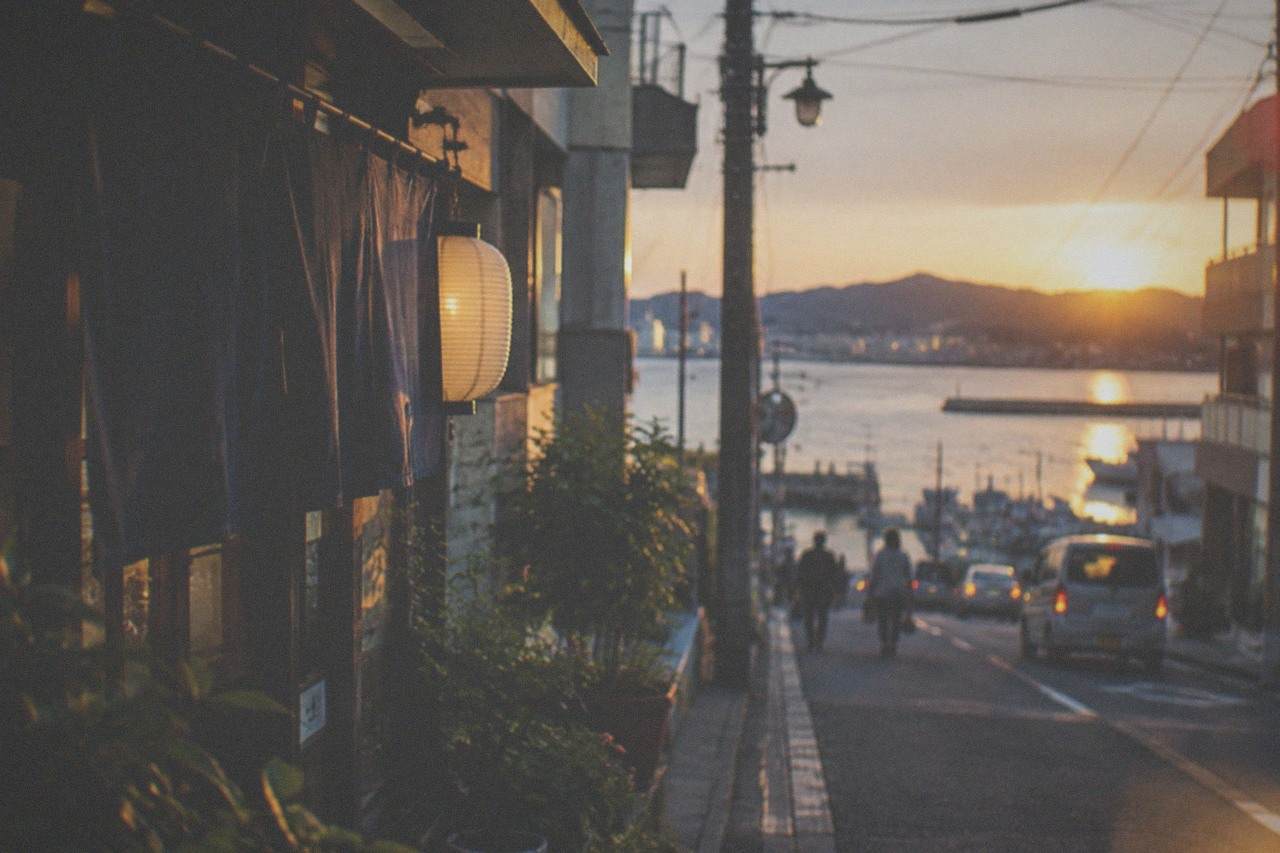
Short answer
Fukuoka is the best starting point for a Kyushu itinerary because it has the island's busiest airport, its main Shinkansen terminus at Hakata Station and fast trains to every major destination. A comfortable loop needs 7 to 10 days: 2 to 3 in Fukuoka itself, then day trips or overnight stops at Dazaifu, Yufuin and Beppu, Takachiho, Mount Aso and Nagasaki.
Fukuoka is the front door to Kyushu, and it earns that role honestly. The city holds the island's busiest airport, its main Shinkansen terminus at Hakata Station, and a subway that connects the airport to the city centre for ¥260, an unusually short hop by Japanese standards. From that single base you can reach Dazaifu in half a day, Yufuin and Beppu in a full day, and Takachiho, Mount Aso or Nagasaki without ever changing cities. This itinerary lays out how to do it: how many days you actually need, the route that makes sense, how to travel without a car, when to go, and what the whole thing costs.
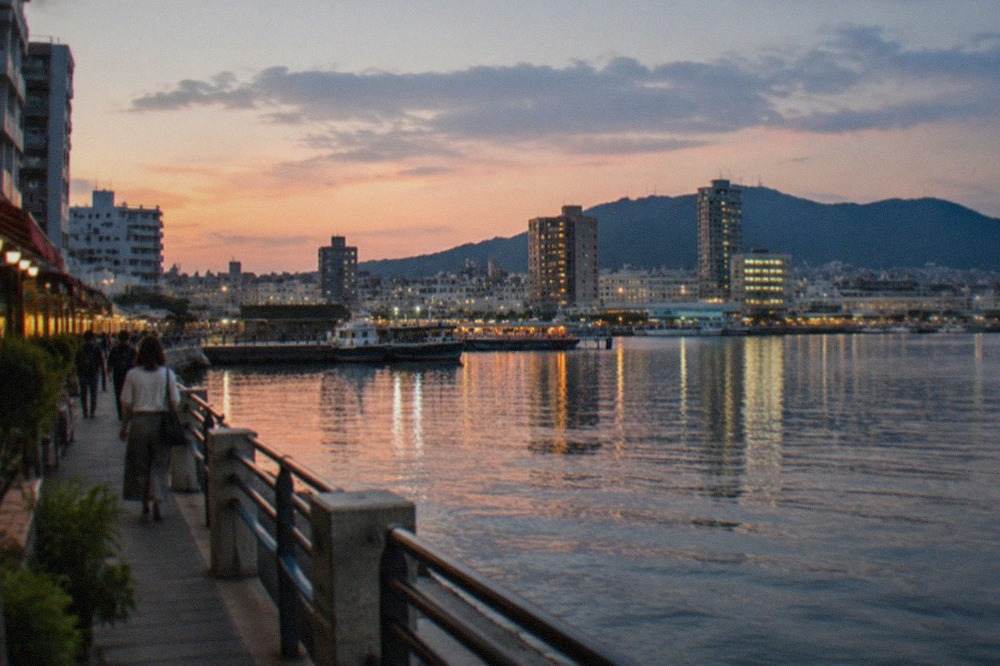
Where Is Kyushu in Japan, and Why Start There from Fukuoka?
Kyushu is the large island in the southwest of the Japanese archipelago, the third largest of Japan's four main islands, sitting south of Honshu across the Kanmon Strait and west of Shikoku. Fukuoka, on its northern coast facing Hakata Bay and the Genkai Sea, is the island's largest city and its transport hub, which is why nearly every workable Kyushu route starts there. Hakata Station is where the Shinkansen line ends, and Fukuoka Airport is the island's busiest.
One point of confusion is worth clearing up before anything else, because competing guides get it wrong constantly: Hakata and Fukuoka are the same city. Hakata is the ward and the name of the main station. Fukuoka is the city. There is no JR Fukuoka Station, and you never travel "from Hakata to Fukuoka" because you are already there. Getting this straight saves real confusion when you read timetables, because Nishitetsu operates from a separate Fukuoka (Tenjin) station while JR operates from Hakata, and some destinations are only practical from one of them.
Fukuoka's position on the map is the practical reason to start here. The city sits at the top of Kyushu with fast rail fanning out south and west: limited express trains to Yufuin and Beppu via Oita, a scenic private railway to Dazaifu, highway buses to Takachiho, and Shinkansen runs to Kumamoto and Kagoshima. Day trips reach Dazaifu, Yanagawa, Itoshima, Nokonoshima, Karatsu, Mojiko and Kitakyushu easily, and Yufuin, Beppu, Mount Aso, Takachiho, Kumamoto and Nagasaki work as full days. For a broader picture of the island itself, the Kyushu overview guide and the Kyushu map page cover the geography in more depth.
The city itself deserves two or three days of your trip before you head out. The Fukuoka 3 day itinerary covers the standard highlights, and the yatai food stalls, roughly 100 of them across the city, are an evening plan in themselves. A city ordinance requires every stall to display its prices clearly, and bans vague "market price" pricing, so you can read a menu before you sit down. That is a better consumer protection than most street food scenes anywhere offer.
| Direction from Fukuoka | Headline destinations | Realistic as a day trip? |
|---|---|---|
| South (JR Kagoshima line) | Kumamoto, Mount Aso | Yes, full day |
| East (JR and highway bus) | Yufuin, Beppu, Takachiho | Yufuin and Beppu yes; Takachiho yes, long day |
| West (JR and Nishitetsu) | Nagasaki, Dazaifu, Yanagawa, Karatsu | Dazaifu and Yanagawa half or full day; Nagasaki full day |
| North (across the strait) | Mojiko, Kitakyushu, Kokura | Yes, easy |
| Local (subway and ferry) | Nokonoshima, Shikanoshima, Itoshima | Yes, half or full day |
How Many Days Do You Need for a Kyushu Itinerary?
A first Kyushu trip needs 7 to 10 days: two or three in Fukuoka itself, then four to seven spread across day trips and one or two overnight stops. In five days you can see Fukuoka, Dazaifu and one big excursion such as Yufuin or Beppu. In ten you can add Takachiho, Mount Aso and Nagasaki without rushing. Anything under five days means staying in Fukuoka and choosing day trips only, which is a perfectly good trip.
The honest framing is that Kyushu is bigger than it looks on a map. A loop that includes Fukuoka, Dazaifu, Yufuin, Beppu, Takachiho, Aso, Kumamoto and Nagasaki covers a lot of distance, and the mountain interior is slow to cross. Rail lines curve around the island's spine rather than through it, so a route that looks direct can take hours. Building rest days into Fukuoka, a compact, walkable city with excellent food, is not wasted time; it is what makes the long excursion days survivable.
For shorter visits, pick a shape and stick to it. The Fukuoka 4 day itinerary adds Dazaifu plus one full-day excursion to the city core, and the Fukuoka 5 day itinerary is the natural ceiling for a Fukuoka-only stay before you are repeating yourself. Beyond that, you are really building a Kyushu trip, and overnight stops beat daily returns.
Guided day tours solve the transport problem on the days when public transport is awkward. Takachiho in particular is a long day by bus, and an escorted outing lets you sleep on the coach. These are the three that fit a first Kyushu itinerary best:
The Takachiho option is the one most first-time visitors end up taking, because the gorge is the hardest of the headline sights to reach independently. The Itoshima tour covers the coastal west instead, a relaxed day of beaches and fishing villages. The sumo option only makes sense in November, when the Kyushu Basho is staged in Fukuoka, but if your dates line up it is the single most memorable thing you can do in the city, and it needs no travel day at all.
What Should a One-Week Kyushu Route Look Like?
A one-week route from Fukuoka runs: days 1 and 2 in the city itself, day 3 to Dazaifu and Yanagawa, day 4 to Yufuin with an overnight in the onsen town, day 5 to Beppu's hells and back to Fukuoka or on to Kumamoto, day 6 to Takachiho Gorge, and day 7 for Mount Aso or a final city day. Reversing the order works too. The principle is to alternate long excursion days with short ones.
Here is that route in table form, with the transport logic spelled out. Distances are real, and the pattern of hard day, easy day is deliberate: the mountain crossings to Takachiho and Aso are tiring, and stacking them back to back is how one-week trips fall apart.
| Day | Base | Where you go | How |
|---|---|---|---|
| 1 | Fukuoka | Hakata Old Town, Kushida Shrine, yatai dinner | Walking and subway |
| 2 | Fukuoka | Ohori Park, Maizuru Park, Tenjin or Momochi | Subway and walking |
| 3 | Fukuoka | Dazaifu Tenmangu, Yanagawa canal boats | Nishitetsu train |
| 4 | Yufuin | Yufuin onsen town, Kinrin Lake | JR limited express via Oita |
| 5 | Beppu or Kumamoto | Beppu hells, then south by rail | JR limited express |
| 6 | Fukuoka | Takachiho Gorge and Amaterasu railway | Highway bus or day tour |
| 7 | Fukuoka | Mount Aso, or a slow final city day | JR or day tour |
Two adjustments are worth knowing. If you are travelling in November, swap day 7 for a sumo afternoon at the Kyushu Basho, the one time of year top-division sumo is staged in Fukuoka. And if the weather turns, Fukuoka absorbs a rainy day better than anywhere else on the route: Canal City Hakata is open every day of the year with shops from 10:00 to 21:00, both city art museums charge only ¥200 for their collections, and the subway connects them all.
The Dazaifu day deserves its own note, because the transport is unusual: there is no JR service to Dazaifu, so the Nishitetsu railway from Tenjin is the way in, with a change at Futsukaichi. The shrine's own FAQ states plainly that there is no entrance fee, and the approach street of teahouses serving umegae mochi is half the reason to go. The shrine publishes its seasonal opening hours on its official site, from 6:00 or 6:30 in the morning depending on the season, closing between 18:30 in winter and 19:30 in summer, per the shrine's own visitor FAQ.
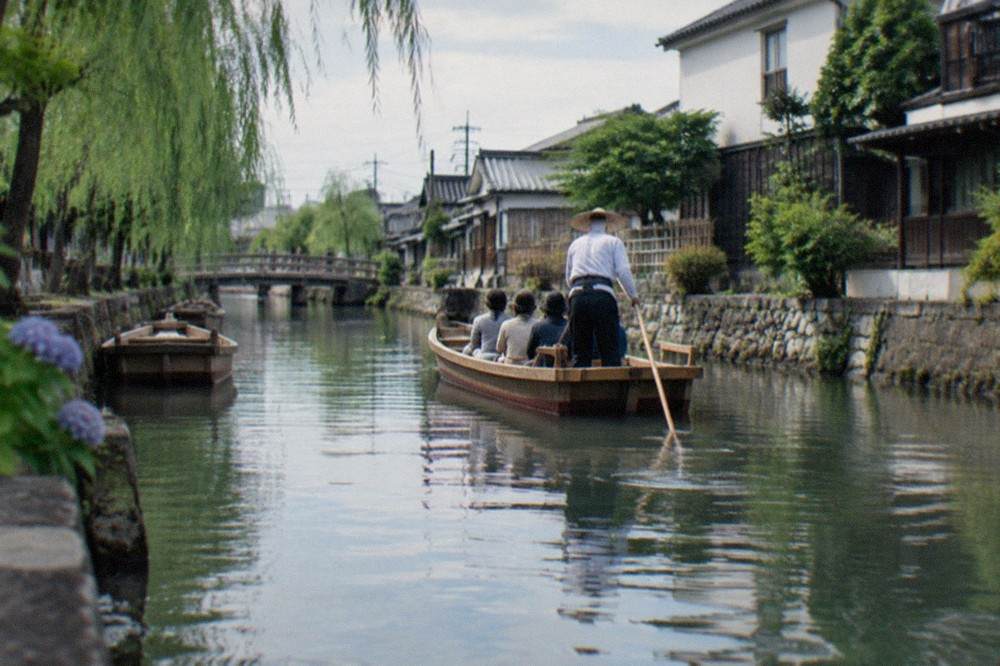
For the Takachiho day, the escorted option is the one most visitors choose, and it is worth having sorted before you leave home rather than hoping for a seat on the day.
The gorge itself is a narrow basalt canyon with a waterfall you can view from above or, when conditions allow, from a rented rowboat on the water below. The associated Amaterasu railway adds a second sight to the same day, which is what makes the long journey pay off. The alternative is a two-centre day that pairs Takachiho with Mount Aso, which suits travellers who only have one free day and want the interior covered in a single push.
How Do You Travel Around Kyushu Without a Car?
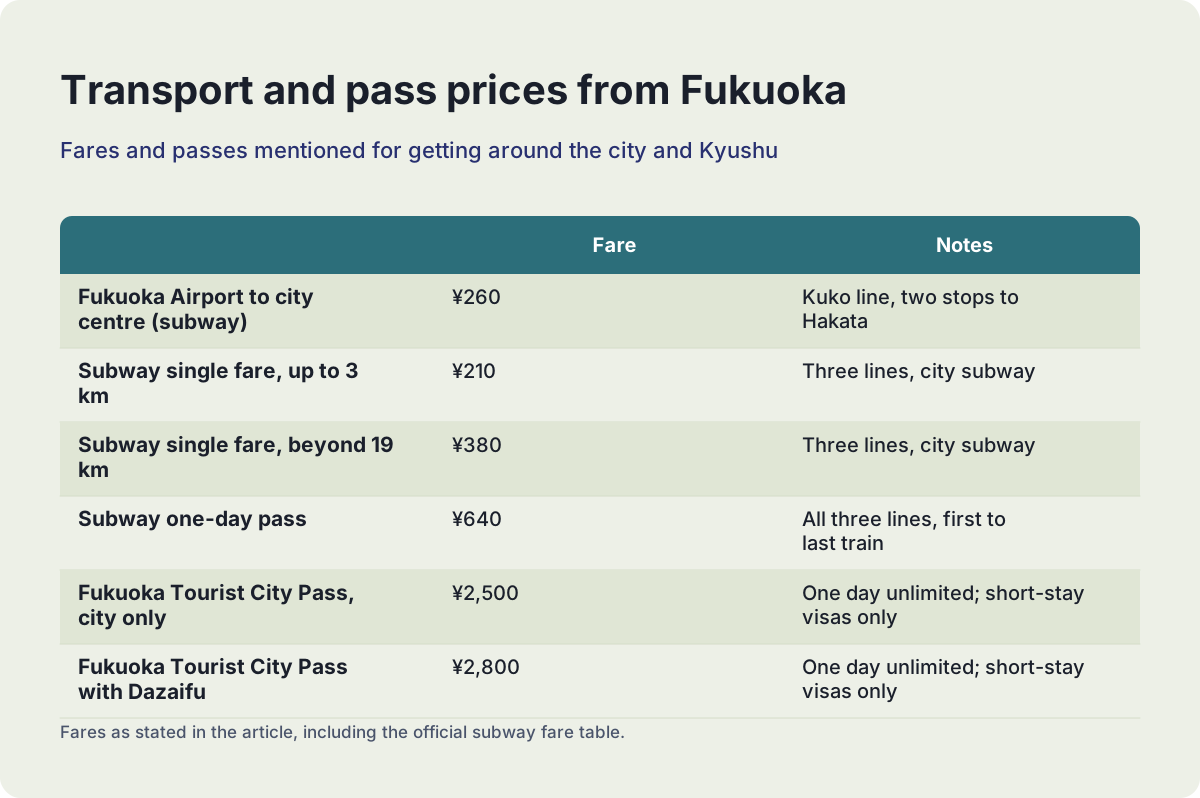
You do not need a car for this itinerary. Fukuoka City's subway, the Nishitetsu railway, JR Kyushu's limited expresses and a network of highway buses connect every destination above, and IC cards work across all of them. The Fukuoka Tourist City Pass, ¥2,500 for the city or ¥2,800 with Dazaifu for one day of unlimited travel, is the one pass worth buying, but only for overseas visitors on short-stay visas, because a passport is checked at the counter.
The subway is the city's spine: three lines, single fares from ¥210 for up to 3 km to ¥380 beyond 19 km, and a one-day pass at ¥640 that covers all three lines from first train to last, per the official fare table. The airport connects on the Kuko line for ¥260, and the airport is genuinely close to the centre, one of the shortest airport-to-city hops in Japan, though no official timetable publishes the journey in minutes and this guide will not guess one.
Outside the city, the choice is between Nishitetsu and JR. Nishitetsu owns the Dazaifu and Yanagawa routes from Tenjin; JR owns everything else, running limited expresses from Hakata to Yufuin, Beppu, Kumamoto and Nagasaki. The split matters when you pick a hotel: staying near Hakata Station suits the JR days, staying near Tenjin suits the Nishitetsu days, and the subway connects the two in minutes.
| Journey | Operator | Notes for planners |
|---|---|---|
| Fukuoka Airport to city centre | City subway | ¥260, Kuko line, two stops to Hakata |
| Tenjin to Dazaifu | Nishitetsu | Change at Futsukaichi; no JR alternative |
| Hakata to Yufuin | JR Kyushu | Scenic limited express via Oita |
| Hakata to Beppu | JR Kyushu | Limited express, coastal run |
| Fukuoka to Takachiho | Highway bus or tour | Long day; bus booking recommended |
| Hakata to Kumamoto or Nagasaki | JR Kyushu | Shinkansen to Kumamoto; express to Nagasaki |
The city pass detail most guides miss is the eligibility rule. The Fukuoka Tourist City Pass is sold only to overseas tourists on short-stay visas, with a passport check at the counter, and the digital app version is restricted further, to visitors from South Korea, Taiwan and Thailand. Everyone else buys the paper version at the airport, the Tenjin or Hakata bus terminals, or the subway customer centres. The official pass page lists the full coverage: subway, Nishitetsu buses and trains in designated areas, some JR lines and ferries, plus attraction discounts, published by Fukuoka City.
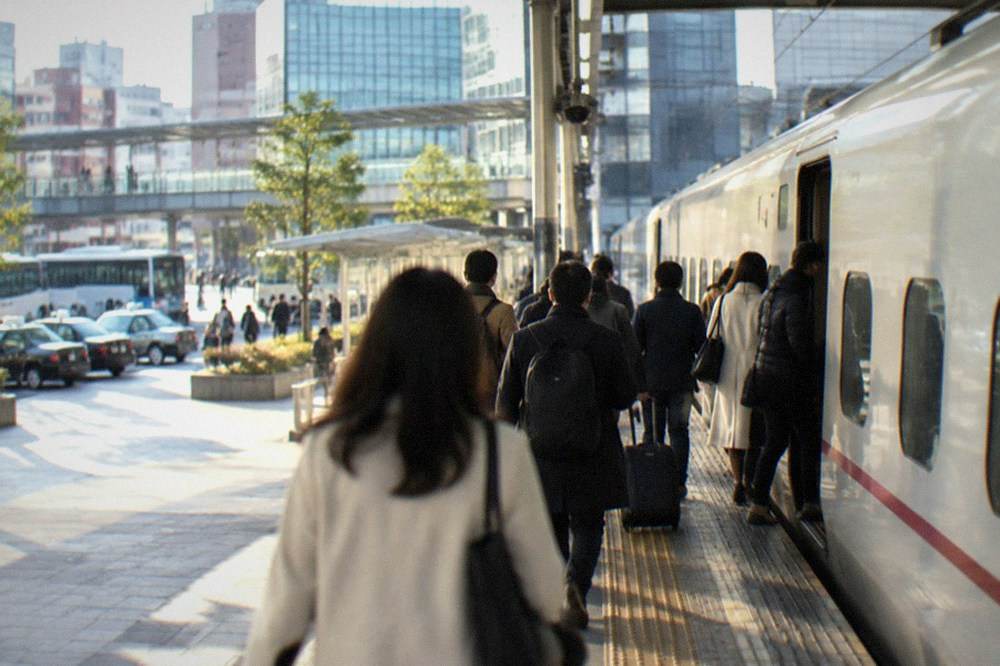
For the interior days, the escorted-tour market is strong precisely because the buses are thin. The Mount Aso and Takachiho combination is the classic case: public transport between the two is possible but slow, and a day tour compresses both into one outing.
The Kurokawa onsen route is the other interior favourite, a hot-spring village of ryokan along a mountain river that rewards an overnight rather than a dash. The day tour from Fukuoka covers the shrine and the grasslands on the way, which is the practical way to see it without hiring a car.
What Are the Best Day Trips Into Kyushu from Fukuoka?
The best day trips from Fukuoka are Dazaifu for the shrine and museum, Yanagawa for canal boats, Yufuin for onsen and lake views, Beppu for the hells and steam vents, Takachiho for the gorge, and Nagasaki for history and harbour. Itoshima and Nokonoshima cover the coast on shorter days. Every one of these is a full day except Dazaifu and Yanagawa, which work as a half-day pair.
The full catalogue, with routes and costs, lives on the day trips from Fukuoka page, and the individual guides go deeper: the Yufuin day trip, the Beppu day trip and the Takachiho Gorge trip. What matters at the itinerary stage is grouping them sensibly: Dazaifu and Yanagawa share a railway, Yufuin and Beppu share a coast, and Aso and Takachiho share the interior, so you never want to alternate between groups on consecutive days.
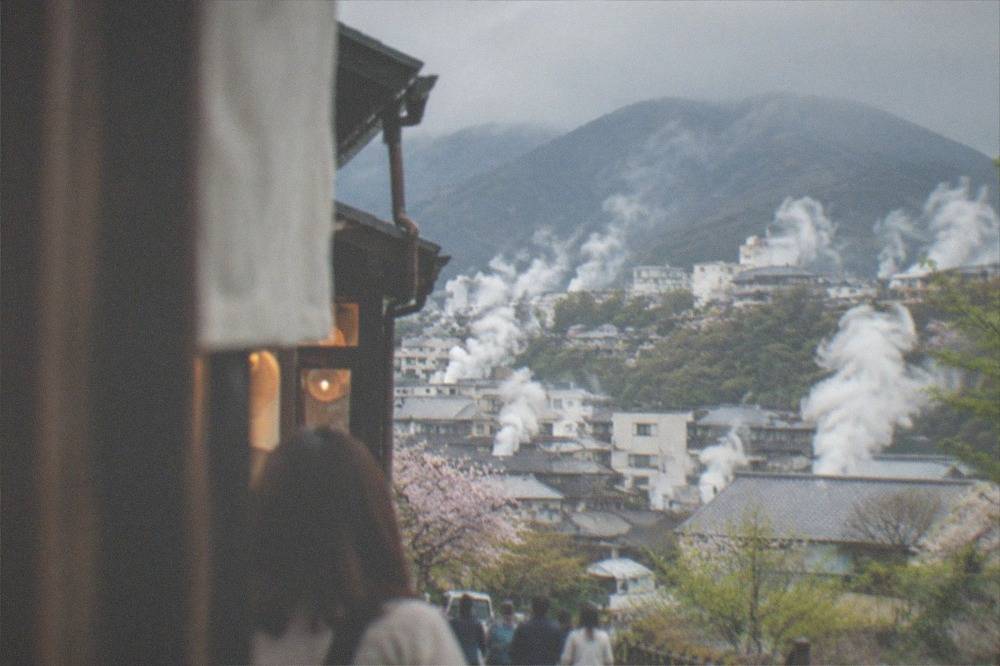
The Yufuin and Beppu pairing deserves the overnight it usually gets. Yufuin is the prettier town, low and wooden beneath Mount Yufu, with Kinrin Lake at its centre; Beppu is the working onsen city, famous for the jigoku, the hells, a set of spectacularly coloured hot ponds that are for looking at, not bathing in. A day tour that stitches Beppu's hells, the frog temple of Nyoirinji and Yufuin into one loop is the efficient version if you cannot spare the night.
That particular outing also rides the Yufuin no Mori, JR Kyushu's themed limited express with green-liveried carriages, which is a genuine attraction in itself. For the west coast instead, Itoshima is the relaxed option: beaches, oyster shacks and the Sakurai Futamigaura shrine torii standing in the sea. If you exhaust the immediate set, the onward options extend to Kagoshima and Miyazaki for a second week.
When Is the Best Time to Do This Itinerary?
The best months for a Kyushu itinerary are late March to early April for cherry blossoms, October and November for cool, dry sightseeing, and mid-November for autumn colour and the sumo tournament. July and August are hot, humid and wet, and typhoon season runs roughly July through October, which makes autumn the safest bet for the long excursion days.
The climate data is unambiguous about one thing that surprises most visitors: July, not June, is Fukuoka's wettest month. The Japan Meteorological Agency's 1991-2020 normals for the city show 299.1 mm of rain in July against 249.6 mm in June, even though June is the tsuyu rainy season month, figures published on the JMA normals table for the Fukuoka station. July is also when the city stages Hakata Gion Yamakasa, its biggest festival, which runs from July 1 to 15 and draws enormous crowds. If you go in July, you go for the festival and accept the rain; the two are a package.
| Period | Conditions in Fukuoka | Best for |
|---|---|---|
| Late March to early April | Mild, blossoms at peak | City parks, Maizuru Park sakura |
| May | Warm, dry before tsuyu | Dontaku festival on May 3 and 4 |
| June | Tsuyu rains, humid | Museums, indoor days |
| July to August | Hot, wettest month, festival crowds | Yamakasa, summer nights |
| September | Still warm, typhoon risk | Hojoya festival, September 12 to 18 |
| October to November | Cool, drier, autumn colour | The full itinerary, sumo in November |
| December to February | Cold but bright, fewest crowds | Onsen towns, illuminations |
The typhoon question is a real planning factor, not a warning to stay away. The western Pacific typhoon season runs roughly July through October, and an active system can shut ferries, buses and gorge boat rides for a day or two. The typhoon season guide explains how to read the forecast and what typically closes. The practical defence is to keep one flexible day late in the itinerary, so a washed-out Takachiho can be swapped rather than lost. Autumn colour in the city parks peaks mid to late November into early December, which is why November is the single best month for this whole route.
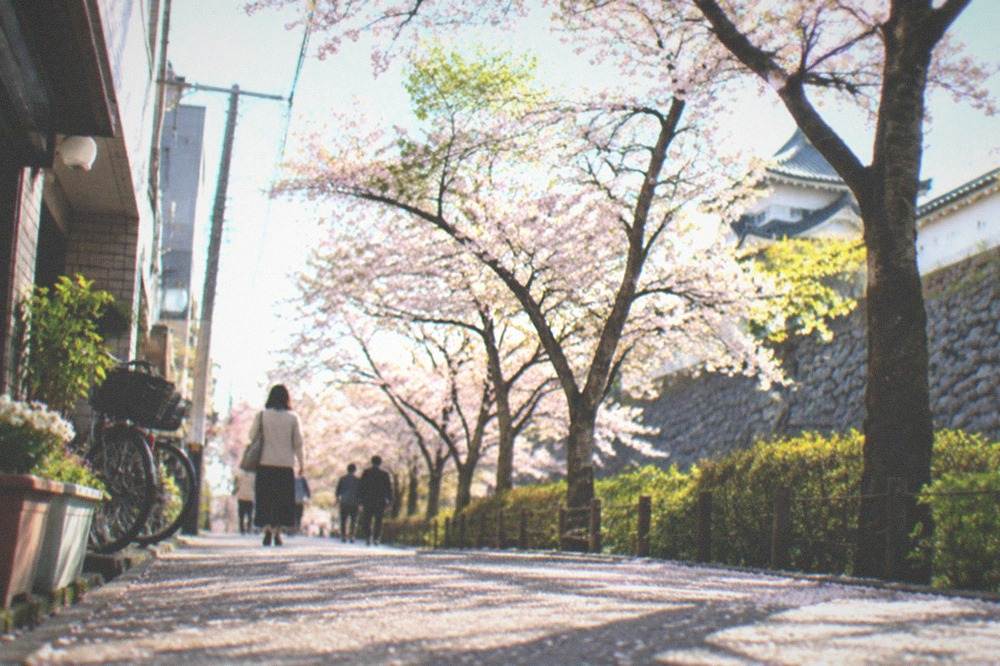
If spring is your season, the Fukuoka cherry blossom itinerary times the parks and the illuminations, and Maizuru Park's roughly 1,000 trees make it the city's main hanami ground. The castle ruins there have a live quirk worth knowing: the main keep base, the Tenshudai, is closed to entry from late May 2026 until the end of December 2026 for an archaeological dig, prompted by a document found in 2024 that describes a keep historians thought never existed. The park itself stays open, and the excavation fence is its own small attraction.
What Does a Kyushu Trip Cost?
Kyushu is inexpensive on the sightseeing side, because most of the headline sights cost nothing to enter: the castle ruins, Ohori Park, Kushida Shrine's grounds, Tochoji, Shofukuji, Dazaifu Tenmangu and Canal City Hakata are all free. The paid tier is modest, from ¥200 museum collections to ¥1,000 for Fukuoka Tower, and the big variables are onsen-ryokan nights and the long guided excursion days.
The city sightseeing itself is remarkably cheap, and this is where Fukuoka as a base pays off. The paid attractions cluster at the low end: Fukuoka Tower is ¥1,000 for adults, ¥500 for elementary and junior high students and ¥200 for ages four and over; the Ohori Park Japanese Garden is ¥250 for adults and ¥120 for children; both city art museums charge ¥200 for their collections, free for under-15s and free for resident over-65s. Uminonakamichi Seaside Park charges ¥450 for adults, and its gate takes cash only, a detail worth knowing before you queue.
| Cost item | Figure | Notes |
|---|---|---|
| Subway single fare | ¥210 to ¥380 | Distance-based, six zones |
| Subway day pass | ¥640 | All three lines, one day |
| Fukuoka Tourist City Pass | ¥2,500 / ¥2,800 | Passport required, overseas visitors only |
| Fukuoka Tower | ¥1,000 / ¥500 / ¥200 | Adult / school / age 4 and over |
| Ohori Park Japanese Garden | ¥250 / ¥120 | Adult / child; 65 and over free |
| City art museums | ¥200 / ¥150 | Collection entry; junior high and under free |
| Uminonakamichi Seaside Park | ¥450 | Adult; junior high and under free; cash only at the gate |
| Major shrine and temple grounds | Free | Kushida, Tochoji, Shofukuji, Dazaifu |
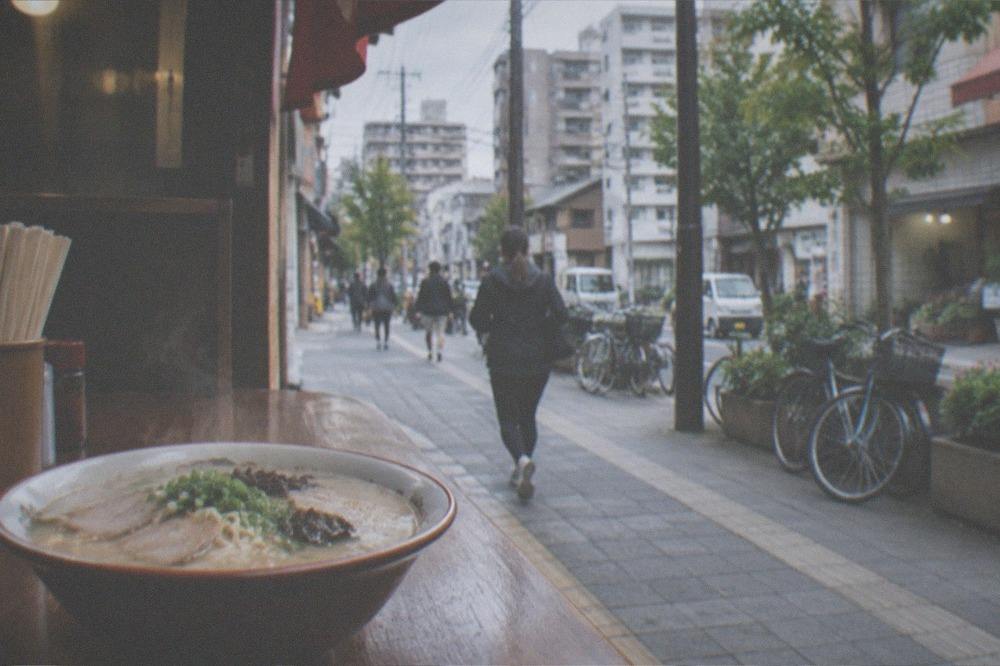
Food is where Fukuoka outperforms its price band. A yatai dinner, a bowl of tonkotsu ramen at a counter, a motsunabe hot pot shared between two: these are the city's signature dishes and none of them is a splurge. The city publishes no average yatai spend, and honest guides should not invent one, but the posted-price ordinance means you can see every dish's price before you commit. The Fukuoka trip cost guide and the Fukuoka budget itinerary break the planning numbers down by travel style.
The excursion days are where the budget flexes. A guided day tour to Takachiho or Aso costs more than the bus but removes the booking risk; the rail days to Yufuin and Beppu are cheaper if you book limited express seats early. If your dates are flexible, travelling in the November sweet spot gets you autumn colour, the sumo tournament and the driest excursion weather on the calendar for the same prices as any other month.
Common Questions About a Kyushu Itinerary
Where Is Kyushu In Japan, And Why Start There From Fukuoka?
Kyushu is Japan's large southwestern island, south of Honshu across the Kanmon Strait. Fukuoka is the natural starting point because it is the island's largest city, its busiest airport and its Shinkansen terminus at Hakata Station, with fast trains and buses to every major destination on the route.
How many days do you need for a Kyushu itinerary?
Seven to ten days for a comfortable loop: two or three in Fukuoka, then day trips and overnight stops at Dazaifu, Yufuin, Beppu, Takachiho, Mount Aso and Nagasaki. In five days or fewer, stay in Fukuoka and choose day trips rather than moving hotels.
Do you need a car to travel around Kyushu?
No. The subway, the Nishitetsu railway, JR Kyushu limited expresses and highway buses connect every destination in this itinerary. A car helps only for the deep interior around Takachiho and Kurokawa, and even there, guided day tours from Fukuoka cover the same ground.
What is the best month for a Kyushu itinerary from Fukuoka?
November: autumn colour peaks mid to late November, the weather is cool and relatively dry, and the Kyushu Basho sumo tournament is staged in Fukuoka. Late March to early April is the spring alternative, with cherry blossoms at their peak in the city parks.
Is Fukuoka a good base for day trips, or should you change hotels?
Fukuoka is one of Japan's best day-trip bases: Dazaifu, Yanagawa, Yufuin, Beppu, Nokonoshima and Itoshima all work as returns. Only Takachiho, Mount Aso and Nagasaki genuinely reward an overnight, and even those are done as long day trips by many visitors.
How much does a week in Kyushu cost?
Less than you might expect on the sightseeing side: most city sights are free, and the priciest single entry on the standard route is Fukuoka Tower at ¥1,000. The biggest variables are onsen-ryokan nights and the long guided excursion days. The Fukuoka Tourist City Pass at ¥2,500 covers a full day of city transport for eligible overseas visitors.
The route above is the shape that works for most first visits, but the honest summary is simpler: base yourself in Fukuoka, alternate hard days with easy ones, buy the city pass for your heavy transport day, and leave one day unbooked for the weather. This Fukuoka Japan Travel Guide carries the individual pages for every stop on the loop, from the Hakata station guide to each day trip, so you can swap destinations in and out without rebuilding the plan.