Fukuoka with Kids
Fukuoka is a compact, food-obsessed city on Hakata Bay that happens to be unusually easy with children: free shrine grounds, a subway that halves fares for kids, beaches and islands inside the city limits, and rainy-day backups that actually work.
Short answer
Fukuoka works well with kids because the city is compact and its core sights are either free or cheap: shrine and temple grounds cost nothing, the subway charges children half fare with a ¥640 adult day pass, Uminonakamichi Seaside Park is ¥450 for adults and free for junior high and under, and family day trips reach Itoshima beaches and Dazaifu inside an hour.
Fukuoka is one of Japan's most livable big cities, and that quality translates directly into travelling with children. It sits on Hakata Bay on the Genkai Sea side of northern Kyushu, which means beaches, islands and a working fishing port are all inside the city limits rather than a day away. The subway is short, the airport is unusually close to the centre, and the two anchors of local food culture, tonkotsu ramen and the yatai street stalls, are both friendly to small appetites and early evenings. One point of clarification before anything else, because it trips up a lot of first-time visitors: Hakata and Fukuoka are the same city. Hakata is the ward and the main station name, Fukuoka is the city, and there is no JR Fukuoka Station. Nobody travels "from Hakata to Fukuoka", because that is a walk across a neighbourhood.
This guide walks through the attractions that genuinely suit families, the indoor options that rescue a rainy or typhoon-affected day, how child fares and passes work on the subway, how the yatai and local dishes treat younger eaters, and the day trips that fit school-age children. It closes with the seasonal question, because Fukuoka's calendar has a quirk most guides miss: July, not June, is the city's wettest month, which matters when you are planning around small people and rain. If you want the whole picture, Fukuoka Japan Travel Guide covers the city end to end.
What Are the Best Things to Do in Fukuoka with Kids?
The strongest family mix in Fukuoka combines free grounds and cheap paid sights: the Ohori Park lake path and its ¥250 Japanese garden, Fukuoka Tower at ¥1,000 for adults and ¥200 for ages 4 and up, Uminonakamichi Seaside Park at ¥450 with free entry for junior high and under, and the Nakasu riverside where the yatai stalls cluster in the evening. Add teamLab Forest and Marine World as guaranteed child-pleasers and the day writes itself.
The honest starting point is that many of Fukuoka's headline sights cost nothing at all. Kushida Shrine's grounds, Tochoji with its large seated Buddha, the Ohori Park loop, Maizuru Park and the Fukuoka Castle ruins, and the whole of Canal City Hakata are all free to enter, and each of them has enough visual interest to hold a child for half an hour or more. The free list matters for families more than for most travellers, because a day built around paid attractions for four people adds up quickly, while a day built around free grounds and one or two paid highlights does not.
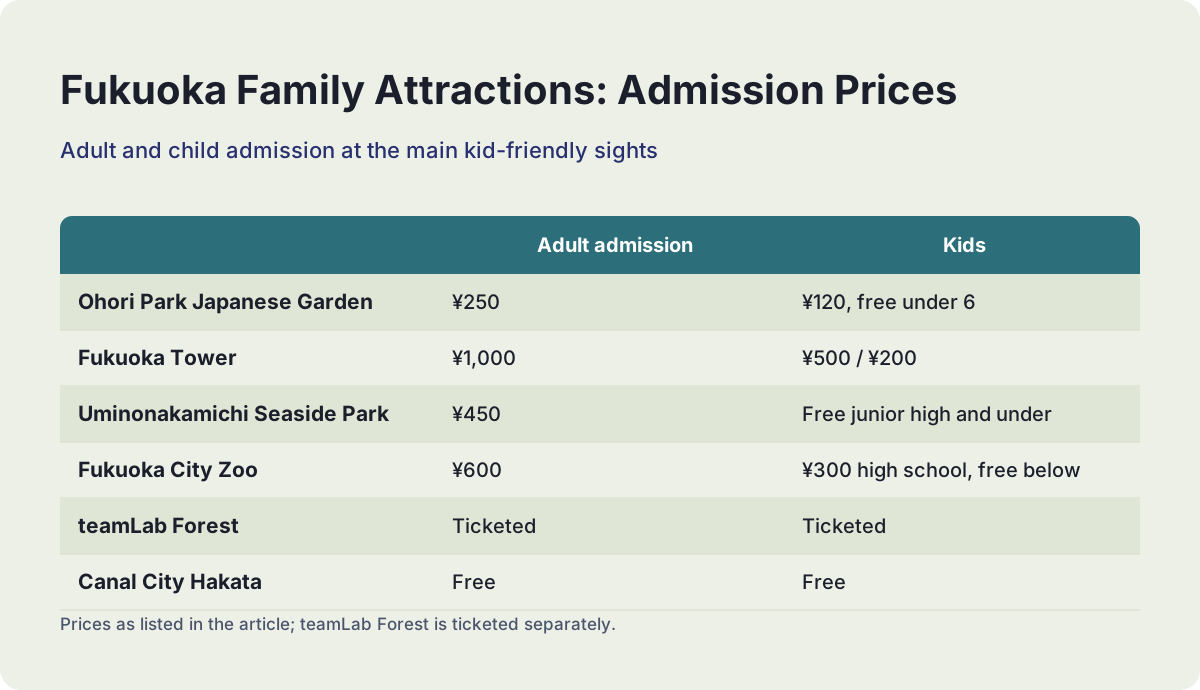
The paid anchors are also inexpensive by big-city standards. Fukuoka Tower charges ¥1,000 for adults, ¥500 for elementary and junior high ages, and ¥200 from age 4, with observation decks at 123 m, 120 m and 116 m in a 234 m tower. Both city art museums charge ¥200 for adults and ¥150 for high school and university students, with junior high and under free. Ohori Park's Japanese Garden is ¥250 for adults and ¥120 for children, free under 6. A family of four can therefore do a tower, a garden and a museum in one day for less than the price of a single theme-park ticket in Tokyo, and that ratio shapes what a realistic Fukuoka itinerary with kids looks like.
| Attraction | Type | Adult admission | Kids | Family note |
|---|---|---|---|---|
| Ohori Park Japanese Garden | Garden | ¥250 | ¥120, free under 6 | Free lake path just outside |
| Fukuoka Tower | Viewpoint | ¥1,000 | ¥500 / ¥200 | Decks at 123 m and below |
| Uminonakamichi Seaside Park | Park, animals | ¥450 | Free junior high and under | Gate is cash only |
| Fukuoka City Zoo | Zoo, garden | ¥600 | ¥300 high school, free below | Free days 3 and 4 October 2026 |
| teamLab Forest | Digital art | Ticketed | Ticketed | 1 to 2 hour visit |
| Canal City Hakata | Mall, fountains | Free | Free | Canal-side fountains and shops |
For a full sequenced plan, the Fukuoka with kids itinerary pages break this into walkable days, and the best-time-to-visit question is covered in depth later in this guide. If you are arriving by air, start with the Fukuoka Airport guide, because the transfer from the airport into the city is one of the simplest in Japan.
Which Parks and Outdoor Spaces Work Best for Children?
Ohori Park is the most reliable family space: a flat, stroller-friendly free lake loop with a ¥250 paid Japanese garden beside it. Maizuru Park and the castle ruins next door add lawns and walls, though the Tenshudai keep base is closed from 26 May 2026 until the end of December 2026 for an excavation. Uminonakamichi Seaside Park is the big-hitter: ¥450 for adults, free for junior high and under, and cash only at the gate.
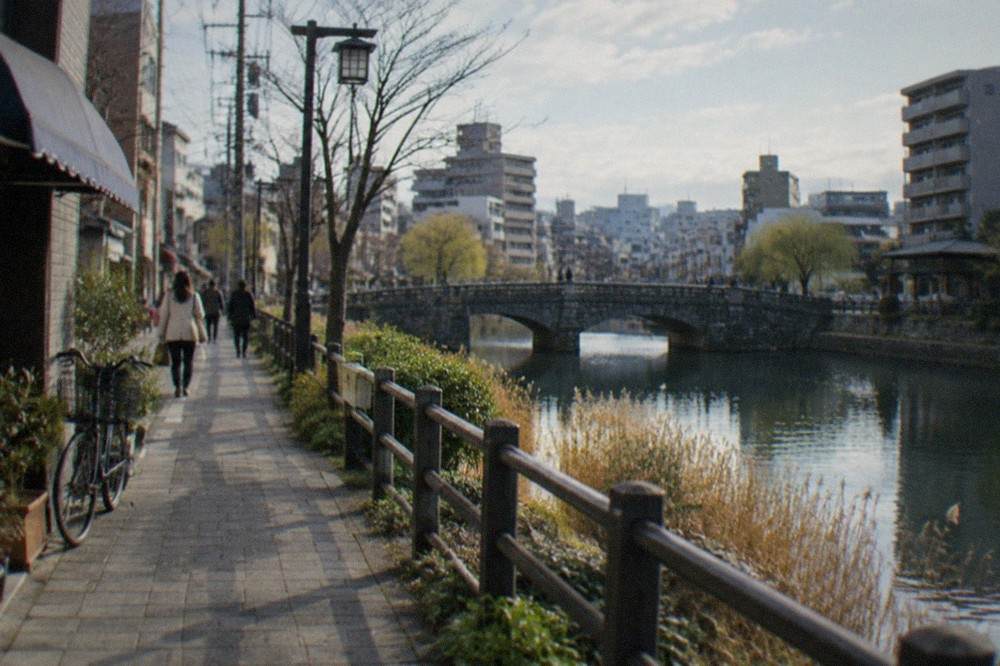
Ohori Park works because it asks nothing of you. The path around the lake is flat and continuous, the water surface keeps toddlers interested, and the two bridges give the loop a sense of progress for children who negotiate over distance. The Japanese Garden inside the park is one of the few paid elements, and it is a calm, contained space where a short visit holds attention well. It opens from 9:00 and last entry is 17:45 in the longer season, 16:45 in the shorter one, with adult admission at ¥250 and child at ¥120, free for under 6s and for visitors 65 and over.
Next door, Maizuru Park and the Fukuoka Castle ruins are free and open, and they carry one of the better stories in the city. The Tenshudai, the stone base where a castle keep would stand, is closed to entry from 26 May 2026 through the end of December 2026 because Fukuoka City is excavating it, after a document found in December 2024 described a keep that may never have been built. A "phantom keep" dig is exactly the kind of thing an older child can be told on the spot. The closure is temporary and ends with 2026, so check the castle's own site before a visit, and read the Fukuoka Castle ruins page for the full background.
Uminonakamichi Seaside Park is the largest family space within the city, out on the sandbar between Hakata Bay and the Genkai Sea. It is open 9:30 to 17:30 from March through October and 9:30 to 17:00 from November through February, with entry until an hour before closing. Adult admission is ¥450, the 65-and-over rate is ¥210, and junior high age and under are free, with a two-day ticket at ¥500 for adults. Two practical warnings: the gate takes cash only, and the park closes on selected Tuesdays that change by season, plus 31 December and 1 January, so never assume it is open daily. The details are on the Uminonakamichi Seaside Park page, and the park's own opening hours page carries the current calendar.
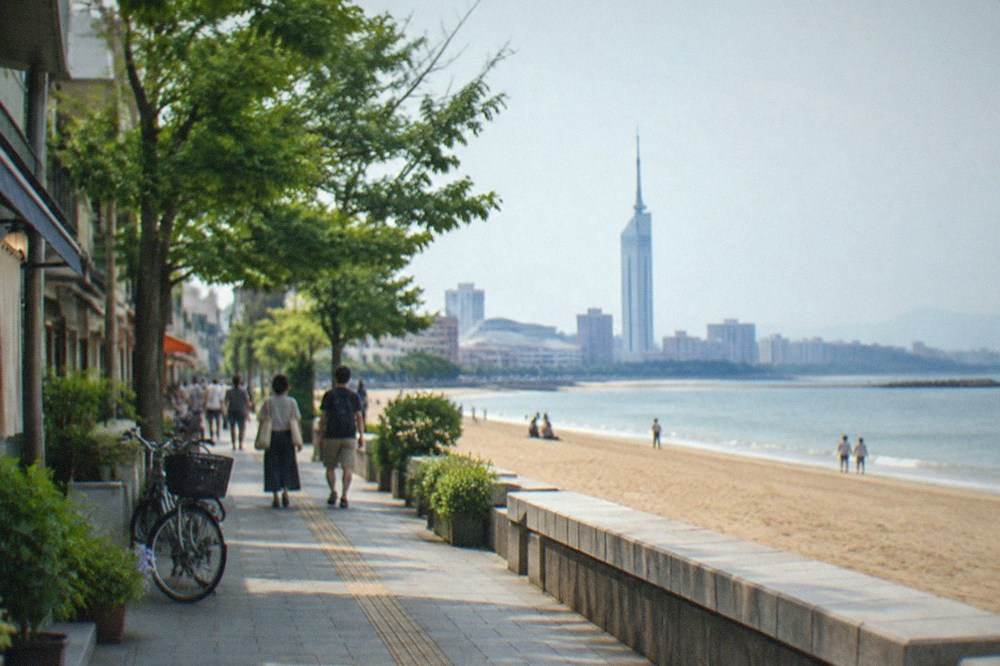
Fukuoka Tower sits at the Momochi end of the city, and it is the natural paid anchor for a seaside afternoon. The tower's own admission page lists the full rates, and the viewing decks at 123 m and below give children a read on the whole bay, the beach and the port in one sweep. Hours run 9:30 to 22:00 with last admission at 21:30, and the tower can close earlier when busy. Note one date well ahead: the tower closes on 28 and 29 June 2027 for its annual maintenance. The Momochi Seaside Park beach below is free to walk, which makes the tower a good combination of one paid viewpoint plus free sand. An admission ticket can be bought in advance through the tour listing at a small markup over the gate price, and it saves a queue on a clear evening.
The Fukuoka City Zoo and Botanical Garden rounds out the outdoor list. Adult admission is ¥600 and high school ¥300, with junior high and under free, and the zoo has announced free-admission days on 3 and 4 October 2026. Opening time and the weekly closed day shift, so check rather than assume. Nokonoshima Island Park, a short ferry ride across the bay, is a seasonal flower park on an island with beaches and camping, and it makes an easy half-day adventure with school-age children; treat it as pay-at-gate rather than free.
What Are the Best Family Day Trips from Fukuoka?
Dazaifu is the classic half-day family trip, a short Nishitetsu ride from Tenjin with a shrine that charges no entrance fee and a shopping street of snacks. Itoshima, the coastal peninsula west of the city, adds beaches and Shiraito Falls for full days. Yufuin and Beppu are full-day trips by train or tour bus, roughly ten hours door to door, so they suit older children more than toddlers.
Start with Dazaifu because it is the easiest. The approach street to Dazaifu Tenmangu is lined with shops selling umegae mochi, a warm sweet bean-filled cake that functions as a very effective child incentive, and the shrine itself states plainly that there is no entrance fee. There is no JR line to Dazaifu, so the trip runs on the Nishitetsu railway from Tenjin with a change at Futsukaichi. Note the status of the main hall: a long renovation programme ran through 2026, and sources conflict on the current state of the buildings, so the safe framing is that the grounds, the approach and the museums are the visit.
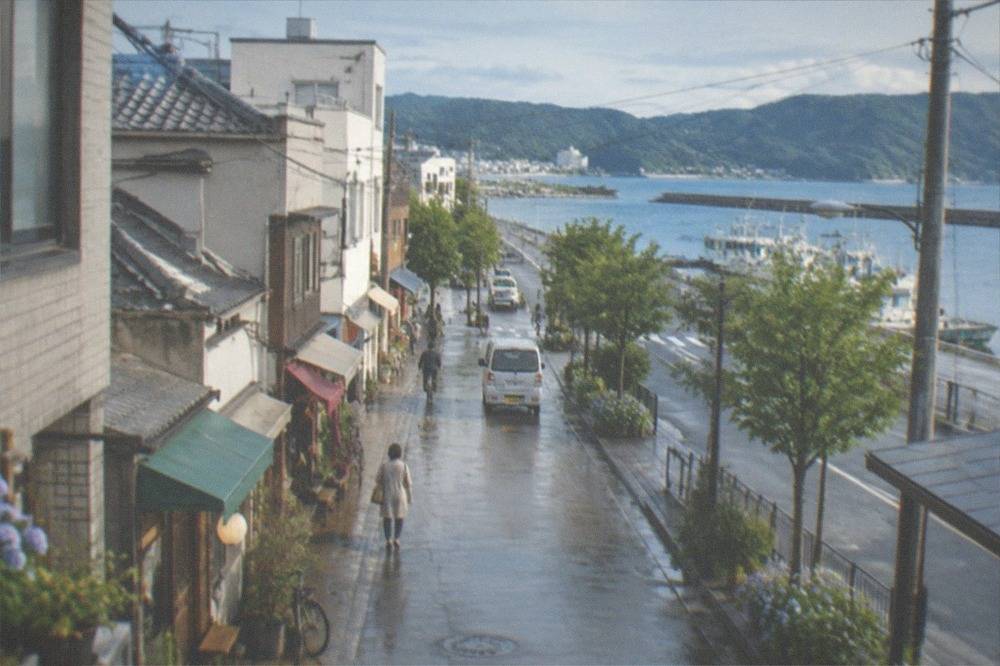
Itoshima is the family day trip this site recommends most often, because it bundles a fishing-harbour lunch, a famous paired-rock shrine on the water at Sakurai Futamigaura, and Shiraito Falls into one easy loop. The peninsula is rural, so a guided day tour that handles the driving is genuinely useful with children, and the Itoshima Hidden Gems Day Tour runs from Fukuoka at 8 hours 30 minutes with hotel pickup points in the centre, rated 4.6 from 31 reviews and from $69 per person. For independent families, the same sights are reachable with buses and a lot of patience, but the connections are slow and the falls are the first casualty of a tight timetable.
The other easy set reaches Yanagawa for canal boat rides, Nokonoshima, and Shikanoshima at the mouth of the bay. Further out, Yufuin, Beppu, Mount Aso, Takachiho, Kumamoto and Nagasaki are full-day destinations, and it is a mistake to sell them as half-days. The wider island is worth reading up on before you commit, and the Kyushu overview covers the geography if you are deciding how deep to go.
For a slower-paced day that combines a famous sightseeing train with a shrine town, the Yufuin no Mori and Dazaifu day tour pairs the green retro express that children tend to love with a Dazaifu stop, at 8 hours from Fukuoka, rated 4.7 from 54 reviews and from $70 per person. The Yufuin no Mori & Dazaifu Day Tour suits roughly ages six and up, because the day is long and the train is the payoff. Beppu day tours that include the "hells", the hot spring ponds, are an alternative with more visual drama but more walking.
| Day trip | Travel type | Realistic duration | Best ages | Family highlight |
|---|---|---|---|---|
| Dazaifu | Nishitetsu train | Half day | All | Mochi street, free shrine |
| Itoshima coast | Tour bus or car | 8 to 10 hours | 5 and up | Beaches, falls, harbour lunch |
| Yanagawa | Train and boat | Full day | 4 and up | Canal boat ride |
| Yufuin and Beppu | Train or tour | 10 hours | 6 and up | Sightseeing train, hot springs |
| Nokonoshima | Ferry | Half day | All | Island flower park, beach |
| Kitakyushu and Mojiko | Train | Full day | 6 and up | Retro port town, Kanmon walk |
What Indoor Options Save a Rainy or Typhoon Day with Kids?
Fukuoka's reliable indoor set is teamLab Forest for interactive digital art, Marine World Uminonakamichi for the aquarium, the two city art museums at ¥200 each, and Canal City's mall interior with its fountain shows. Marine World charges ¥2,500 for adults, ¥1,200 for elementary and junior high, and ¥700 from age 3, and its hours change by calendar date, so check the day's schedule rather than assuming one year-round figure.
Rain planning in Fukuoka is not optional. Typhoon season runs roughly July through October, and even outside it, the city averages significant monthly rainfall, with July the wettest month of all at 299.1 mm in the 1991 to 2020 normals. Neither of those facts makes the city unvisitable, but a family itinerary needs a same-day indoor swap ready, and the honest answer is that Fukuoka has enough of them to make a washout survivable.
teamLab Forest, inside the BOSS E・ZO Fukuoka building next to the baseball stadium, is the strongest swap for children, because the exhibits are touch-and-play by design rather than look-don't-touch. The experience runs 1 to 2 hours, and the teamLab Forest Fukuoka page covers what to expect; it holds a 3.8 rating from 14 reviews, a modest pool, so read it as an interesting signal rather than a settled verdict. The same building holds other paid attractions, which makes it a good multi-hour rain shelter with a single destination decision.
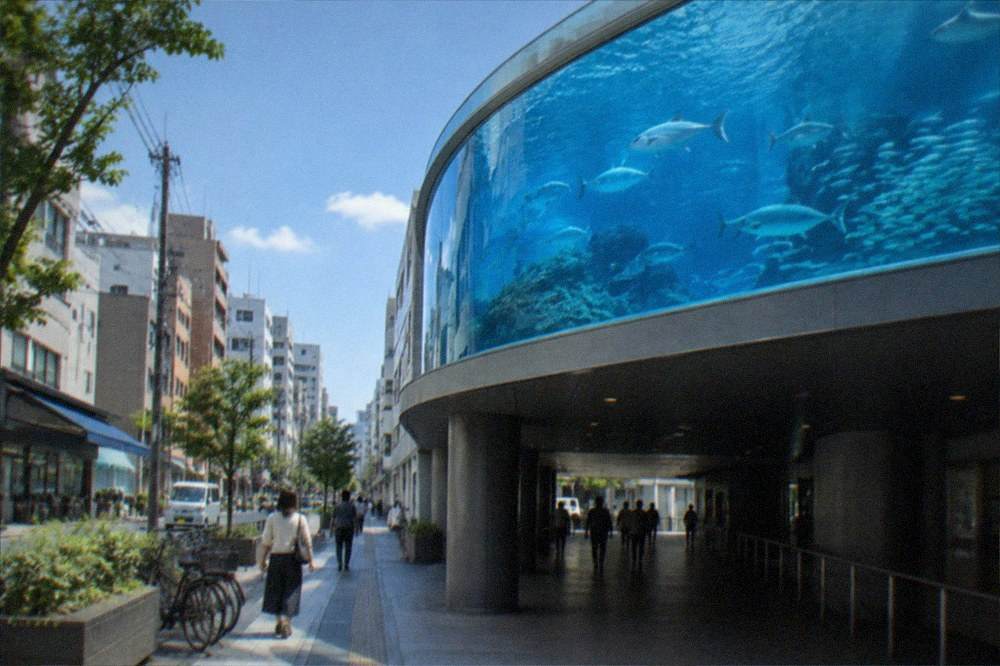
Marine World sits at the Uminonakamichi end of the city and is the aquarium fallback. Adult and high school admission is ¥2,500, junior high and elementary ¥1,200, from age 3 ¥700, and ¥2,200 for 65 and over, with half price for disability certificate holders and a carer. Its hours vary by calendar date, so the safe habit is checking the day's schedule before setting out. Both city art museums are cheap indoor hours with junior high and under free, and the Fukuoka Asian Art Museum charges only for its Asia Gallery: the building entry itself is free, with the gallery at ¥200 for adults and ¥150 for high school and university. Canal City needs no ticket at all, and its canal-side fountain shows run through the shopping day.
| Indoor option | Cost | Time needed | Rain reliability |
|---|---|---|---|
| teamLab Forest | Ticketed, from $27 | 1 to 2 hours | High, book ahead |
| Marine World | ¥2,500 / ¥1,200 / ¥700 | 2 to 3 hours | High, check hours |
| Fukuoka Art Museum | ¥200 adult | 1 to 2 hours | High, closed Mondays |
| Asian Art Museum | Free building, ¥200 gallery | 1 to 2 hours | High, closed Wednesdays |
| Canal City Hakata | Free | Flexible | High, open daily |
| Tenjin Underground Mall | Free | Flexible | High, pure shopping |
For deeper planning on the weather itself, the Fukuoka weather guide unpacks the monthly numbers, and there is a dedicated rainy day itinerary if you want the swaps pre-sequenced. If rain turns into a genuine typhoon day, treat it as a hotel day rather than a museum day, because transport starts shutting before the worst weather arrives.
Is Fukuoka Easy to Get Around with Children?
Yes, and the fare structure rewards families. The subway charges children half fare, from ¥110 in the shortest zone, an adult 1-day pass costs ¥640 with the child version at ¥320, and Fukuoka Airport connects to Hakata for ¥260 on a ride that is unusually short for an Asian city. The Fukuoka Tourist City Pass costs ¥2,500, or ¥2,800 with Dazaifu included, but it is restricted to overseas tourists on short-stay visas and a passport is checked at purchase.
The subway has three lines, Airport, Hakozaki and Nanakuma, and the network is small enough that a family can learn it in a day. Adult single fares run from ¥210 for up to 3 km to ¥380 beyond 19 km, with child fares at half, and the 1-day pass at ¥640 adult and ¥320 child covers all three lines from first to last train on the day of use. The pass pays for itself after roughly three medium rides, which a family sightseeing day easily clears. It is sold at station machines, customer centres and the tourist information desks at Tenjin, Hakata Station and the airport, and it carries same-day discounts at partner facilities.
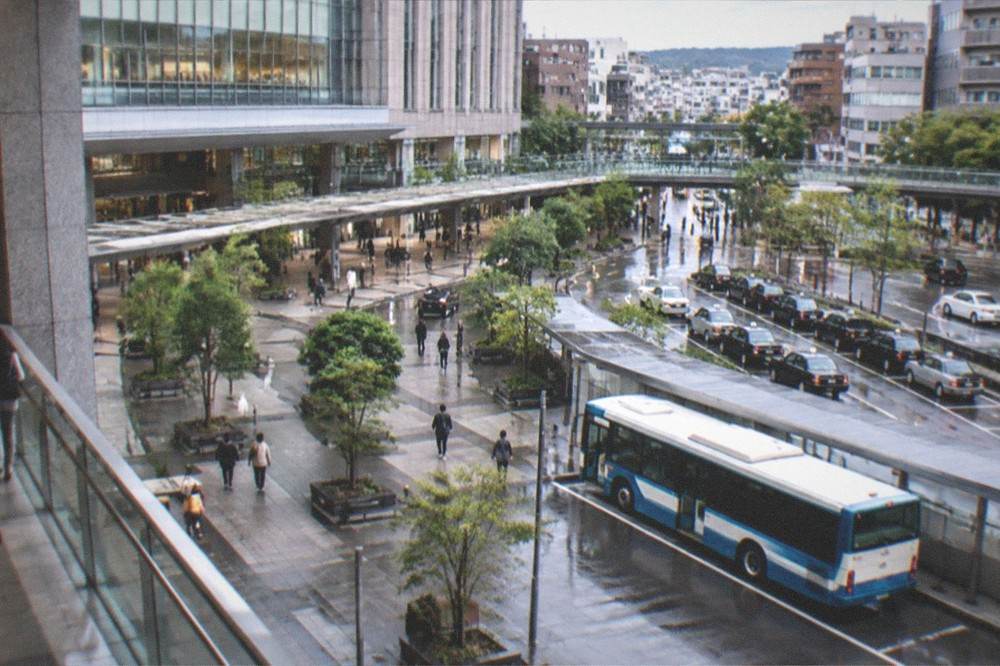
The airport deserves its own paragraph, because it is the single biggest convenience Fukuoka offers families. The subway's Kuko line runs directly from the airport into the centre, and the fare to Hakata is ¥260, sitting in the official 3 to 7 km fare band. The airport is genuinely close to the city centre, which is verified and unusual for a major hub. What you should not do is repeat the "five minutes to Hakata" claim that appears in almost every guide, because no official page confirms a journey time; the Fukuoka Airport to city page keeps to what is sourced. A free shuttle runs between the international and domestic terminals in about ten minutes, which matters because the subway station serves the domestic side.
For buses, the Nishitetsu 1-day pass costs ¥1,200 for adults and ¥600 for children and covers local buses across the city. The Tourist City Pass is the one that trips people up: it is ¥2,500 for the city version and ¥2,800 including Dazaifu, valid one day across subway, buses, trains and ferries, but it is sold only to overseas visitors on short-stay entry, and staff check a passport at the counter. Most competing guides still quote a much older and cheaper price pair, which no longer exists.
| Ticket | Adult | Child | Covers | Watch out for |
|---|---|---|---|---|
| Subway single, zone 1 | ¥210 | ¥110 | One ride | Distance banded |
| Subway single, top band | ¥380 | ¥190 | One ride | Over 19 km only |
| Subway 1-day pass | ¥640 | ¥320 | All 3 subway lines | Same-day only |
| Nishitetsu bus 1-day pass | ¥1,200 | ¥600 | Local buses | City area only |
| Tourist City Pass | ¥2,500 | ¥1,250 | Subway, bus, train, ferry | Passport required, short-stay visa only |
| Tourist City Pass + Dazaifu | ¥2,800 | ¥1,400 | Adds Dazaifu trains | Tabito liner bus excluded |
Strollers are manageable on the subway, with lifts at every station, and the city's flat centre between Tenjin and Hakata is walkable with a pushchair in a way that hillier Japanese cities are not. For where to base yourself with children, the where to stay in Fukuoka guide compares the neighbourhoods, and the getting around Fukuoka page pulls all the modes into one reference. Arriving by rail from the capital is covered in the Tokyo to Fukuoka guide, and the Hakata Station guide walks the arrival itself for families with luggage.
How Do Yatai and Local Food Work with Kids?
The yatai street stalls are family-friendly earlier in the evening, and about 100 of them operate across the city, concentrated in Nakasu, Tenjin and Nagahama. A city ordinance requires every stall to display prices clearly, with no "market price" wording, so a family can read a menu before sitting down. Tonkotsu ramen, mentaiko and motsunabe are the local pillars, with ramen the natural child pick, and stalls set up in the early evening and pack up in the small hours.
The yatai are the food experience most families want from Fukuoka, and the honest guidance is about timing. The stalls operate in the evening and into the night, so with children the window is the early part, roughly from when they open around 18:00 to 18:30 until the youngest member of the party runs out of patience. Seating at a yatai is communal and tight, usually a handful of stools at one counter, which is part of the appeal for children who like watching the cook work. There is no booking system for the stalls themselves: you turn up, and if a counter is full you walk to the next one. Rain and strong wind close many stalls, and each operator keeps their own schedule, so nothing about a given night is guaranteed.
The ordinance point is worth knowing, because it answers the worry parents actually have. Fukuoka City's yatai rules require prices to be shown where customers can easily read them, and any dish priced off the day's market must display that day's actual price rather than the word "market price". City inspectors check periodically. A family can therefore sit down, read the posted menu and know what the meal costs, which is a better safeguard than most street-food scenes anywhere offer. The Fukuoka yatai and yatai etiquette pages cover the customs, including the small count of seats and the expectation that you order rather than just occupy a stool.
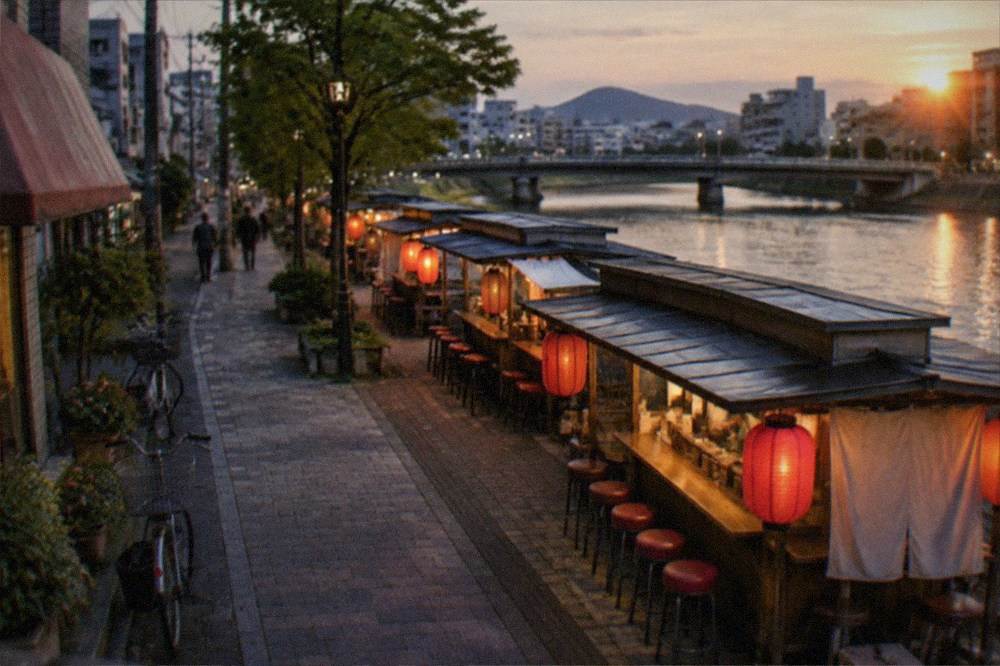
On the dishes themselves, tonkotsu ramen is the city's signature and the natural child order, a rich pork-bone broth with thin noodles; the Hakata custom of kaedama, ordering an extra portion of noodles into your remaining broth, is a game children enjoy. Motsunabe, the local offal hot pot, divides families by palate, but a shared hot pot is a social way to eat that children often take to. Mentaiko, spicy cod roe, appears on rice and in small side portions. The full Fukuoka food guide maps all of it, including breakfast options and sweets. If you want the stalls decoded on the first night, the Fukuoka food tours page lists guided options, including a private Nakasu stall walk with tastings.
One more family note: Nakasu after dark shifts from food district to nightlife district, and the illuminated riverbars and lounges of that later scene are described on the site's nightlife pages. With children, the riverside yatai row works best as an early dinner, followed by the walk back over the bridge to Hakata. The illuminated riverbanks from late autumn onward are a good after-dinner stroll for all ages.
When Is the Best Time to Visit Fukuoka with Kids?
Spring is the best family season: cherry blossoms typically open in late March and peak into early April across Maizuru Park and Nishi Park, with mild temperatures around 15.4°C in April. May brings Hakata Dontaku on 3 and 4 May. July is the wettest month, not June, at 299.1 mm against 249.6 mm, and typhoon season runs roughly July to October, so plan indoor swaps for those months and expect the November sumo tournament and mid-November autumn leaves later in the year.
The climate data that matters for families comes from the Japan Meteorological Agency's 1991 to 2020 normals for the Fukuoka station, and the headline is counter-intuitive: July, not the tsuyu rainy-season month of June, is the wettest month of the year, at 299.1 mm against June's 249.6 mm. July is also Yamakasa month, and the two facts collide in the city's calendar. Hakata Gion Yamakasa runs July 1 to 15 every year, centred on Kushida Shrine, with the decorated kazariyama floats on display from the start of the month, which children can see at street level in daylight. The Oiyama race finale on 15 July starts at 4:59 in the morning, which is a spectacle for families with teenagers and a hard pass for families with toddlers.
For a month-by-month view, the spring window from late March to April is the strongest family choice: the blossom in Maizuru Park around the castle ruins, with roughly a thousand trees, plus illuminations during the blossom festival, and Nishi Park, counted among Japan's top sakura spots. May is warm, with a mean of 19.9°C, and Hakata Dontaku fills Meiji-dori with parades on 3 and 4 May each year, with eve events on 2 May; the final So Odori dance is designed for public participation. Autumn is the second-best window: mid to late November brings the autumn leaves to the city parks and to the Dazaifu area, and the November Kyushu Basho makes Fukuoka the only city in Japan staging competitive sumo that month, with family-friendly tournament viewing tours and morning practice visits running at other times of year.
| Season | Mean temp | Rain reality | Family verdict |
|---|---|---|---|
| March to April | 10.8 to 15.4°C | Moderate | Blossom, top pick |
| May | 19.9°C | Moderate | Dontaku, second pick |
| June | 23.3°C | Tsuyu, 249.6 mm | Museum days |
| July | 27.4°C | Wettest month, 299.1 mm | Yamakasa plus indoor swaps |
| August | 28.4°C | 210.0 mm, hot | Beaches and coast |
| September | 24.7°C | Typhoon watch, 175.1 mm | Hojoya festival mid-month |
| November | 14.2°C | Lower | Leaves and sumo |
Winter is milder than most of Japan, with a January mean of 6.9°C, and the city's illuminations and Christmas Advent events run from early November through late December across multiple venues, with seasonal displays on the tower's exterior. Whatever month you choose, hold the indoor swaps loosely rather than rigidly, because the difference between a good family trip and a soggy one is usually the willingness to trade the park for the aquarium on the morning it rains.
Common Questions About Fukuoka with Kids
What Are The Best Things To Do In Fukuoka With Kids?
The best mix combines free grounds like Kushida Shrine, Tochoji and Ohori Park with paid anchors such as Fukuoka Tower at ¥1,000 for adults and ¥200 from age 4, Uminonakamichi Seaside Park at ¥450 with free entry for junior high and under, teamLab Forest and Marine World. Evenings belong to the yatai stalls, and Dazaifu or the Itoshima coast make easy days out.
Is Fukuoka A Good City For Families?
Yes. The city is compact and flat between Tenjin and Hakata, the subway charges children half fare with lifts at every station, the airport is unusually close to the centre for a ¥260 subway fare, and many headline sights, including shrine grounds, Ohori Park and Canal City, cost nothing to enter.
What Does A Family Day Trip To Dazaifu Involve?
A Nishitetsu train from Tenjin with a change at Futsukaichi, a walk up an approach street of mochi shops, and a shrine that charges no entrance fee. There is no JR service to Dazaifu. Count it as a half day, and pair it with Yanagawa's canal boats or the Kyushu National Museum if the family wants more.
Are The Yatai Stalls Suitable For Children?
Early in the evening, yes. About 100 stalls operate across the city, concentrated in Nakasu, Tenjin and Nagahama, and city rules require every stall to display its prices clearly, with no market-price wording. Seating is a small communal counter, there is no booking, and rain closes many stalls, so go around opening time, 18:00 to 18:30, and keep expectations loose.
Which Pass Should A Family Buy For Fukuoka Transport?
The subway 1-day pass, at ¥640 for adults and ¥320 for children, covers all three lines and pays off after about three rides. The Fukuoka Tourist City Pass at ¥2,500, or ¥2,800 with Dazaifu, is better value only for overseas tourists on short-stay visas, because a passport is checked at purchase and it adds buses, trains and ferries.
When Should Families Avoid Fukuoka?
Only with soft planning, never outright. July is the city's wettest month at 299.1 mm, and typhoon season runs roughly July through October, so those months need indoor backups like teamLab Forest and Marine World. The 4:59 a.m. Yamakasa finale on 15 July suits teenagers, not toddlers. Late March to April and May are the easiest windows.