Fukuoka vs Nagasaki
Fukuoka and Nagasaki sit on the same northern Kyushu coast, barely two hours apart by train, yet they offer completely different versions of a Japan trip. One is a fast-growing food capital with an airport on the subway line; the other is a layered port city of hills, history and foreign quarters. This guide compares the two honestly and tells you which base fits which traveller.
Short answer
Base yourself in Fukuoka if you want food, festivals, easy transport and day trips across Kyushu: the city's subway runs from the airport for ¥260, and about 100 yatai food stalls serve tonkotsu ramen nightly. Base yourself in Nagasaki if your priority is history, melancholy beauty and a compact, walkable port. Most travellers do both: Fukuoka as the hub, Nagasaki as a one or two night stay.
Fukuoka vs Nagasaki
Northern Kyushu gives you two candidate bases that could not feel more different. Fukuoka is Japan's fastest-growing major city, a food-obsessed port of 1.66 million people where the subway runs straight from the airport and the evening streets fill with lantern-lit food stalls. Nagasaki, two prefectures west along the Genkai Sea, is a city of steep hillsides, churches and trading-post history, where the pace drops and the map folds in on itself around a narrow harbour. Choosing between them is not about which city is better. It is about which one matches the trip you are actually taking.
This comparison comes from the site's own verified research: official fare tables, venue admission pages and city statistics, not recycled blog claims. Where a number appears, it was read from a primary source. Where something could not be verified, it says so rather than guessing. Before the detail, one framing point matters: Hakata and Fukuoka are the same city. Hakata is the ward and the station name; Fukuoka is the city. If a guide tells you to travel "from Hakata to Fukuoka", close the tab. The Hakata or Fukuoka naming question trips up so many first-time visitors that it has its own answer page here.
Should You Base Yourself in Fukuoka or Nagasaki?
Base in Fukuoka when your trip is about food, energy and range: the city gives you about 100 licensed yatai stalls, a subway that starts at the airport, and fast links to Dazaifu, Itoshima, Beppu and Nagasaki itself. Base in Nagasaki when your trip is about a specific history: the foreign settlements, the churches and the peace memorials, all walkable in a compact centre. A one or two night stay in Nagasaki, bracketed by nights in Fukuoka, is the pattern that serves most first-time visitors to Kyushu best.
The honest reason Fukuoka works as a hub is geometry. It sits in the middle of northern Kyushu's transport web: Nishitetsu trains south to Dazaifu and Yanagawa, JR lines east to Kitakyushu and out to the rest of Japan, highway buses west to Nagasaki and Saga. Nagasaki sits at the end of its peninsula, which makes it a superb destination and a modest base. Almost nobody day-trips out of Nagasaki in four directions; people arrive, stay, and leave.
Nagasaki rewards depth instead. Its attractions cluster tightly: the Dutch-era Dejima, the Chinese temples, Glover Garden on the hillside, the peace park and museum, and the churches of Urakami, all within a compact area that a walker can cover. Fukuoka spreads its rewards across a wider stage, from the Fukuoka food guide crawl of Nakasu to the beaches of Itoshima and Momochi. The two cities are not competitors; they are different shapes of trip.
How Do the Two Cities Compare at a Glance?
Fukuoka is the bigger, faster, better-connected city: roughly 1.66 million residents, a subway-linked airport handling about 28 million passengers a year, and a food scene anchored by tonkotsu ramen and yatai stalls. Nagasaki is roughly a quarter the size, with a slower, hillier, history-dense centre and a harbour that shaped five centuries of Japanese contact with the outside world. Fukuoka is the logistics winner; Nagasaki wins on concentrated atmosphere. The table below puts the verified figures side by side.
| Factor | Fukuoka | Nagasaki |
|---|---|---|
| Character | Modern food-and-festival port, Japan's fastest-growing designated city | Historic trading port, hills, churches, layered foreign history |
| Airport link | Fukuoka Airport sits on the subway's Kuko line, ¥260 to Hakata | Nagasaki Airport sits on a rail line out of the city centre |
| Signature foods | Tonkotsu ramen, motsunabe, mentaiko, yatai stalls | Champon, castella, shippoku cuisine, toruko rice |
| Nightlife | Large: Nakasu, Tenjin, Daimyo | Compact: a handful of central streets |
| Day-trip reach | Dazaifu, Itoshima, Yanagawa, Beppu, Yufuin, Kitakyushu, Nagasaki | Mostly within the prefecture; the city itself is the draw |
| Best for | First-timers, food travellers, families, hub-and-spoke trips | History-focused travellers, second or third visits to Japan |
Two caveats keep that table honest. Fukuoka's population figure comes from the 2025 census quick report, and its airport passenger count from the city's own aviation page; both are official but worth re-checking before you cite them elsewhere. Nagasaki's food and history claims are descriptive rather than statistical: this site's research pack verified Fukuoka numbers in depth, and where a Nagasaki figure was not verified from a primary source, it stays out of the table.
If you are already leaning Fukuoka but weighing other cities too, the same logic appears in our Fukuoka vs Osaka and Fukuoka vs Tokyo comparisons, and Nagasaki's pull is covered in detail on the Nagasaki day trip page.
Which City Is Easier to Reach and Get Around?
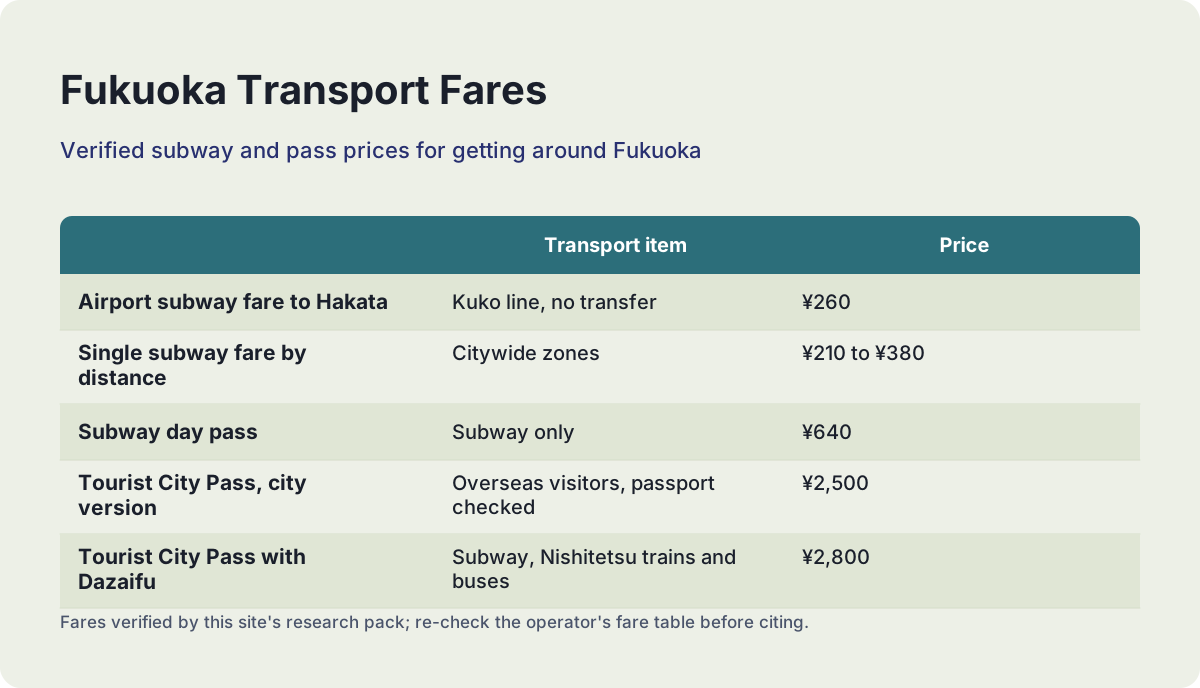
Fukuoka wins on access, and it is not close. Its airport sits on the subway network, with a verified fare of ¥260 into Hakata station, and single subway rides across the city run from ¥210 to ¥380 depending on distance. A one-day subway pass costs ¥640. Nagasaki's transport is slower and steeper: a single airport rail line, trams in the centre, and hills that punish careless route planning. If ease of arrival matters, Fukuoka is the base.
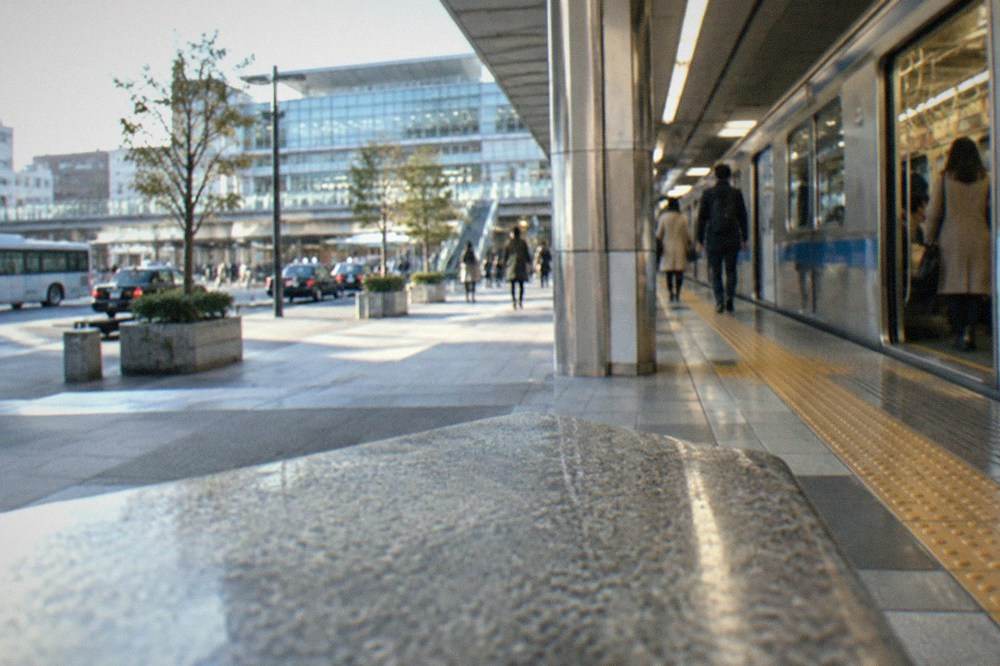
Start with the airport, because this is where Fukuoka quietly embarrasses most of Japan. Fukuoka Airport is unusually close to the city centre, and the subway's Kuko line serves it directly; the fare into Hakata is ¥260, a figure you can derive yourself from the operator's own distance-based fare table. What you should not believe is the "five minutes to Hakata" claim that appears in nearly every competing guide. No official page states a journey time, and this site will not print one until an official timetable does. The airport to city guide covers the full arrival picture.
Nagasaki Airport also connects by rail, but the geography is different: the airport sits across a bay from the city, and the journey in involves a transfer at a waystation. Inside Nagasaki, the historic tram network is charming and cheap, but the city is built on hills, and a ten-minute stroll on the map can become a staircase climb. Fukuoka's centre is flat, its three subway lines cross at sensible points, and its subway guide can be absorbed in an afternoon.
| Transport item | Fukuoka (verified) | Nagasaki |
|---|---|---|
| Airport to centre | Subway, ¥260 to Hakata | Rail line with transfer, fare on the operator's listing |
| Subway single fare | ¥210 to ¥380 by distance zone | No subway; trams and buses |
| One-day city pass | Subway day pass ¥640; Tourist City Pass ¥2,500 (passport required) | Tram day passes sold locally |
| Walkability of centre | Flat, grid-like, easy | Compact but steep in parts |
| Main station | Hakata, one of Kyushu's largest | Nagasaki, terminus of the JR branch |
One Fukuoka pass deserves special mention because most guides still price it wrong. The Fukuoka Tourist City Pass costs ¥2,500 for the city version and ¥2,800 with Dazaifu included, not the ¥820 or ¥1,340 that stale articles quote, and it is sold only to overseas tourists on a short-stay visa with a passport checked at the counter. It covers subway, Nishitetsu trains and buses, some JR lines and ferries for one day. For a Nagasaki-centred trip, no equivalent exists at that scale, which is itself part of the answer.
Where Should Food Lovers Base Themselves?
Fukuoka, decisively. It is the home of tonkotsu ramen, the birthplace of the yatai street stall culture that survives at a scale no other Japanese city matches, with about 100 licensed stalls, and the source of motsunabe and mentaiko dishes that have spread nationwide from here. Nagasaki answers with its own distinct tradition, champon noodles, castella cake and shippoku banquet cuisine, born from its trading history. Nagasaki's food is worth travelling for; Fukuoka's is worth basing a whole trip around.
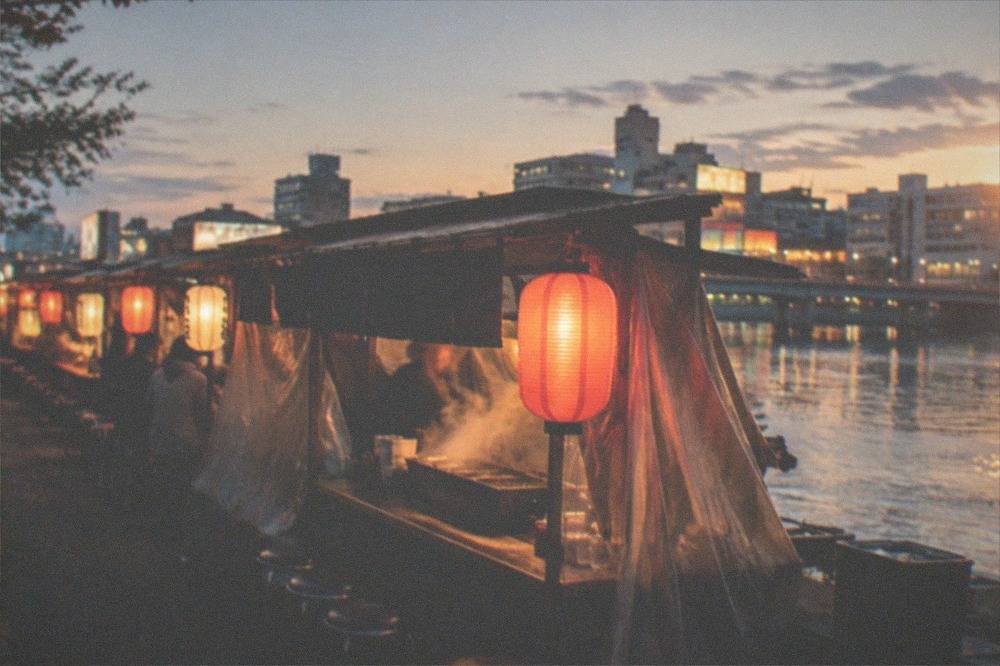
The yatai are Fukuoka's signature evening scene, and the numbers behind them are better documented than most food claims in Japan. The city itself says there are about 100 licensed stalls, concentrated in Nakasu, Tenjin and Nagahama, and a city ordinance, in force since 2013, requires every stall to display its prices where customers can easily see them, with no vague "market price" labelling allowed. Inspectors check periodically. That ordinance is the honest answer to the question every visitor quietly has, whether a yatai will overcharge them, and it is a better answer than any other guide gives. Etiquette, seating and what to order are covered in the site's yatai guide.
Nagasaki's food story is older and stranger. Champon, a noodle soup piled with seafood and vegetables, descends from Chinese cooking brought through the city's trading port; castella, the sponge cake Nagasaki is famous for, arrived with Portuguese merchants in the sixteenth century; shippoku is a banquet tradition blending Japanese, Chinese and Dutch elements. Eating in Nagasaki is a history lesson with chopsticks. The portions are generous and the setting is often a wooden building older than anything in Fukuoka, a city that has rebuilt itself repeatedly.
| Food factor | Fukuoka | Nagasaki |
|---|---|---|
| Signature dish | Tonkotsu ramen | Champon |
| Street food | About 100 licensed yatai, prices displayed by ordinance | Festival and market stalls, fewer in number |
| Famous export | Mentaiko and motsunabe, both born here | Castella cake |
| Dining districts | Nakasu, Tenjin, Daimyo, Imaizumi | Shinchi Chinatown and central streets |
| Best for | Nightly grazing, ramen pilgrimage | Trading-port food history, banquet meals |
For visitors who want the stalls explained rather than navigated solo, guided evening walks exist, and the food tour options are compared on the Fukuoka food tours page. A private guide can also fold the food districts into a wider first-day orientation, which is where a tour like Fukuoka Private Tour with a Local: Highlights & Hidden Gems, from $65 per person and rated 4.9 from 164 reviews for its 2 to 8 hour formats, earns its keep: it is the single most efficient way to learn the city's geography on day one.
Which City Has More to Fill a Full Week?
Fukuoka, but only because of what surrounds it. The city itself can absorb three or four days: shrines and temples in Hakata Old Town, Ohori Park and the castle ruins, the museums, the bay at Momochi, the shopping around Tenjin. Its real advantage is the day-trip web: Dazaifu, Yanagawa, Itoshima, Nokonoshima, Beppu, Yufuin, Kitakyushu and Nagasaki all sit within reach. Nagasaki alone can fill three days comfortably, and its surroundings are quieter, but a full week based there stretches thinner.
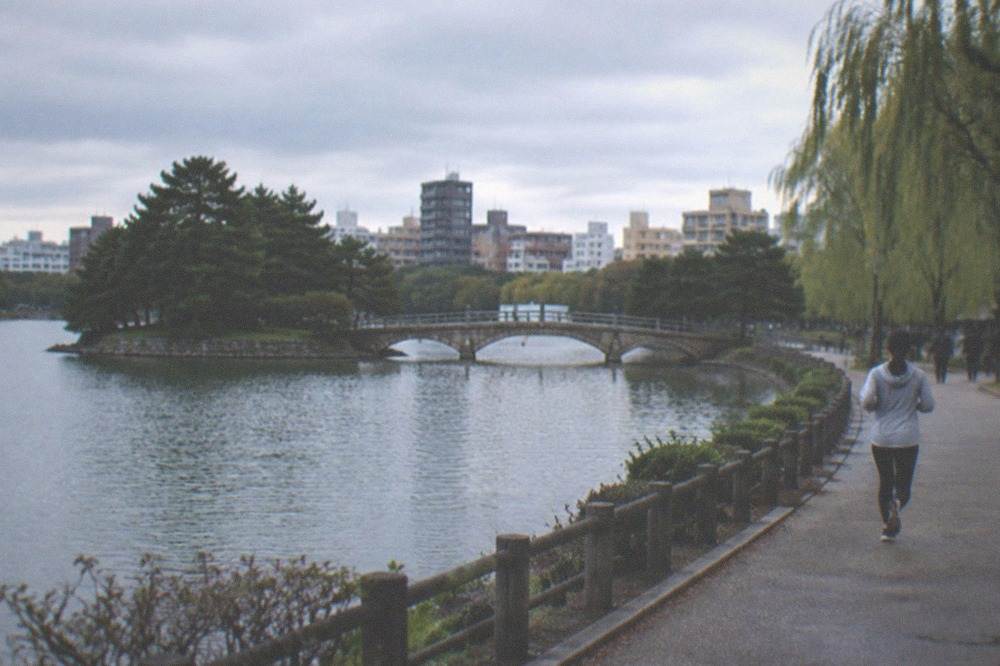
Inside Fukuoka, the anchor sights are free more often than visitors expect. Kushida Shrine, Tochoji with its Great Buddha, Shofukuji, the Ohori Park grounds, the castle ruins and Dazaifu Tenmangu, which states plainly on its own FAQ page that there is no entrance fee, all cost nothing to enter. The paid tier is modest: Fukuoka Tower at ¥1,000 for adults, the Ohori Park Japanese Garden at ¥250, and both city art museums at ¥200 general admission, with free entry for children under 15 and for residents over 65. A week of sightseeing in Fukuoka costs less in admission than a single day in some Japanese cities. The rest of the planning pages sit on Fukuoka Japan Travel Guide.
Nagasaki's sights are equally concentrated but carry more weight per hour. Dejima, the fan-shaped artificial island where Dutch traders were confined for two centuries, is now a reconstructed open-air museum in the middle of the modern city. Glover Garden sits above the harbour with period residences. The peace park and atomic bomb museum are the reason many visitors come, and they deserve half a day rather than a rushed hour. The churches of Urakami and the slopes around them reward the walker who accepts the stairs.
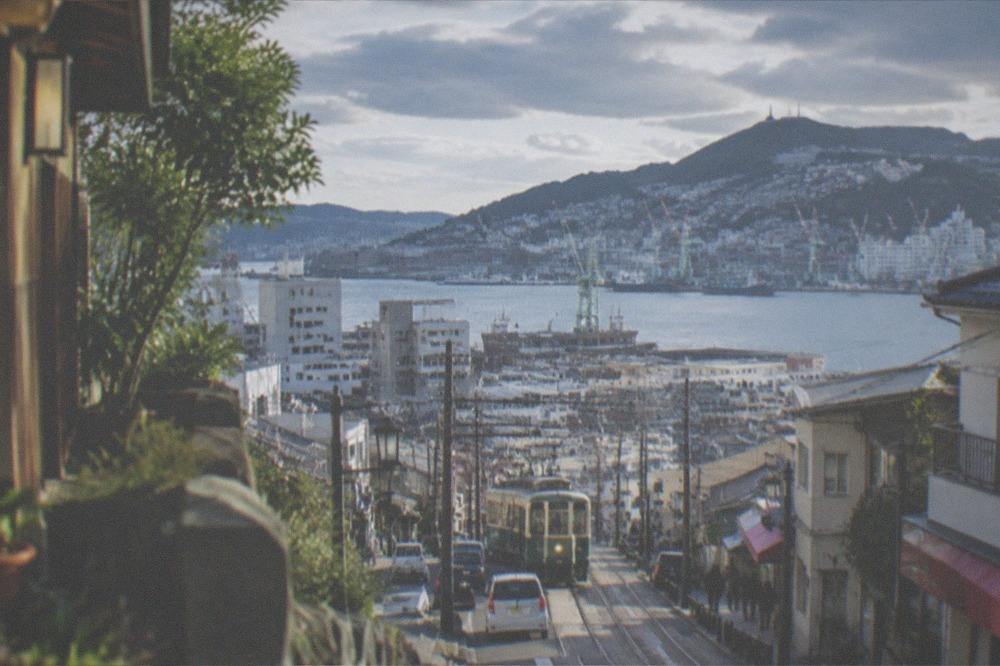
The day-trip comparison is where the decision firms up. From Fukuoka you can reach Dazaifu and Yanagawa in under an hour by Nishitetsu train, Itoshima's coast in a similar window, Beppu and Yufuin as full-day outings, and Nagasaki itself as a long day or an easy overnight. The Kyushu overview page maps the whole network. From Nagasaki, the standout excursions point inward within the prefecture; the city is the destination, not the hub. Families should also note the difference: Fukuoka's aquarium, seaside park and zoo, detailed in the with kids guide, give children's days structure, while Nagasaki suits older children with the stamina for museums and hills.
Can You Visit Nagasaki from Fukuoka in a Day?
Yes, and it is one of the best-value long days in Japan. The direct run between Hakata and Nagasaki takes roughly two hours by limited express train, so an early start gives you six to eight usable hours in the city. A private guided option, the Extensive full day private Tour from Fukuoka to Nagasaki, runs 12 to 13 hours door to door from $858 per person, rated 5 from 12 reviews. For most travellers, one long day or one overnight based in Fukuoka is the right shape.
The trade-off in a day trip is depth. You can cover the peace park, Dejima and the harbour viewpoints, but you will be choosing two of them rather than doing all three slowly. Travellers who care about Nagasaki's history tend to wish they had stayed the night; travellers who are ticking Kyushu's highlights tend to find the day trip perfect. The full analysis, including train options and what to cut, is on the Nagasaki day trip page.
| Way to see Nagasaki from Fukuoka | Shape of the day | Best for |
|---|---|---|
| Independent by train | Early limited express out, late one back, self-guided | Confident travellers who have researched the sights |
| Private guided full day | 12 to 13 hours, guide and transport included, from $858 per person, 5 from 12 reviews | First-time visitors who want the history explained |
| Overnight split | Train out, one night near the harbour, return next afternoon | History-focused travellers, photographers |
A different western-Kyushu day out deserves a mention for travellers torn between the two cities. The tour to Motonosumi Shrine and the Kanmon Bridge, from $50 per person and rated 4.7 from 37 reviews over 9 hours, heads toward the coast between the two, covering dramatic shrine gates on a cliff and the strait separating Kyushu from Honshu. It suits a Fukuoka-based itinerary that wants scenery rather than city history on one of its days.
What About Costs, Weather and Timing?
Fukuoka is slightly cheaper to run as a base, mostly through transport efficiency rather than cheaper prices: a ¥640 subway day pass, ¥210 to ¥380 single fares and the ¥2,500 Tourist City Pass stretch a budget further than Nagasaki's trams and taxis. On weather, the two ports share a Kyushu climate, and Fukuoka's verified record has a surprise: July, not June, is its wettest month at 299.1 mm, against 249.6 mm in June. Time either city for spring or autumn if you can.
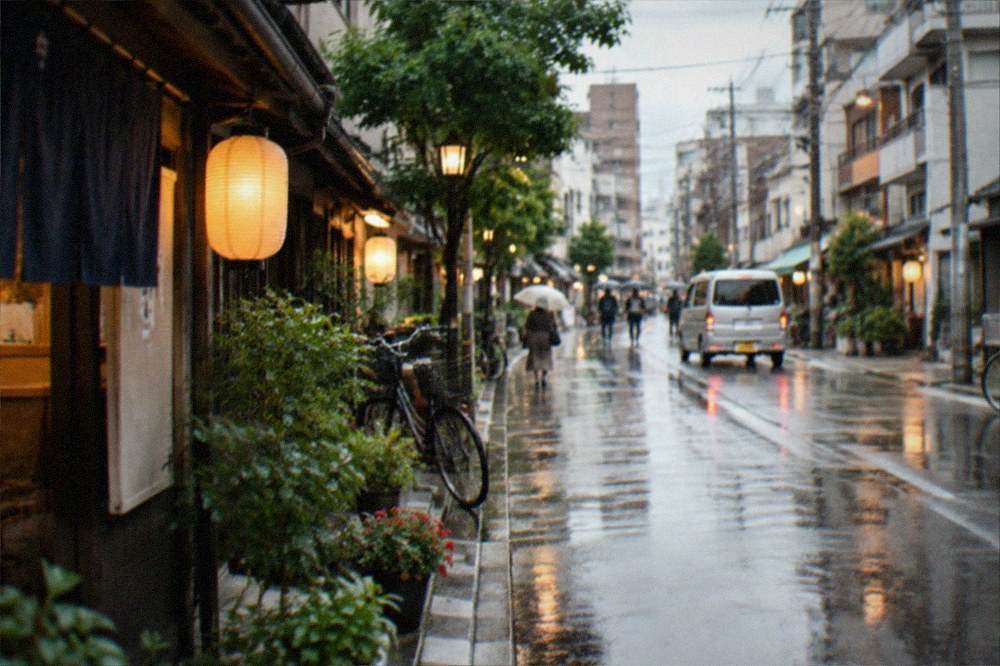
The rainfall fact is worth internalising because it contradicts what every guide repeats. Fukuoka's official 1991 to 2020 normals show July as the wettest month, 299.1 mm, even though June carries the tsuyu rainy-season label and July is when the city stages its biggest festival, Hakata Gion Yamakasa, from July 1 to 15. August, by contrast, is hotter and drier, with 210.0 mm of rain and 200.9 sunshine hours, the second sunniest month of the year. Typhoon season runs roughly July through October across the region and is a real planning factor, not a warning to stay away. The month-by-month detail is in the best time to visit guide.
Nagasaki's climate is broadly similar, maritime and humid, but this site has not verified a Nagasaki-specific normals table from the Japan Meteorological Agency, so no comparative rainfall figure is printed here. What can be said honestly is that both cities are summer-humid, both are mild in winter, and neither is tropical: they face the Genkai Sea, not the Pacific.
| Planning factor | Fukuoka (verified) | Nagasaki |
|---|---|---|
| Wettest month | July, 299.1 mm (JMA 1991 to 2020 normals) | Similar maritime pattern, no verified figure printed |
| Sunniest month | May, 204.1 sunshine hours | Comparable latitude and coast |
| Subway day pass | ¥640 adult | Trams instead, day passes sold locally |
| Tourist City Pass | ¥2,500, or ¥2,800 with Dazaifu, passport required | No equivalent |
| Typhoon window | Roughly July to October | Same region, same window |
Accommodation costs swing with demand rather than city identity: Fukuoka's hotel stock is larger and more competitive, especially around Hakata station, while Nagasaki's is smaller and fills around peak seasons. The where to stay in Fukuoka guide breaks the districts down, and the comparison logic in Fukuoka vs Hiroshima applies here too: the city with the bigger transport web rewards the hub strategy, and the city with the denser story rewards the deep stay.
The Verdict: Which Base for Which Traveller?
Choose Fukuoka if this is your first trip to Kyushu, if food is the point, if you want day trips in several directions, or if ease of arrival matters: the airport sits on the subway, the yatai stalls line the streets, and the trains fan out across the region. Choose Nagasaki if you have already seen Japan's big cities, if trading-port history is what drew you here, and if you prefer one deep, walkable city to a hub-and-spoke week. Splitting the trip satisfies almost everyone.
There is a version of this decision that is really a decision about yourself. If you plan trips by listing restaurants, Fukuoka is your city; the tonkotsu broth alone justifies the flight, and the food pages here exist because the city rewards that kind of planning. If you plan trips by listing museums and viewpoints, Nagasaki will hold you longer than you expect, and cutting it to a rushed day trip will sting.
For the majority, the practical itinerary is four or five nights in Fukuoka with one or two of them transferred to Nagasaki, or a single long guided day if the schedule is tight. That shape gives you the yatai, the ramen and the festival energy, and it still puts you in front of Dejima and the peace park with time to feel the place. Whichever you choose, book the region around the seasons rather than the crowds: late March for the blossom, mid to late November for the autumn colour, and avoid treating July's rain as a reason to skip Yamakasa, because the festival and the weather are the same fact about the same month.
Common Questions About Basing Yourself in Fukuoka or Nagasaki
Should You Base Yourself In Fukuoka Or Nagasaki?
Base in Fukuoka for food, transport and day-trip range; base in Nagasaki for trading-port history and a compact, walkable centre. Most first-time visitors to Kyushu do both, using Fukuoka as the hub and giving Nagasaki at least one full day, ideally an overnight.
Is Nagasaki close enough to visit from Fukuoka in a day?
Yes. The limited express run between Hakata and Nagasaki takes roughly two hours, so an early start gives you six to eight hours on the ground. A private guided version, the Extensive full day private Tour from Fukuoka to Nagasaki, runs 12 to 13 hours from $858 per person, rated 5 from 12 reviews.
Which city is better for food?
Fukuoka, for most travellers. It is the home of tonkotsu ramen and about 100 licensed yatai stalls, where a city ordinance requires prices to be displayed. Nagasaki's food is a distinct trading-port tradition, champon, castella and shippoku, worth a dedicated trip for food-history lovers.
Which city is easier to get around without a car?
Fukuoka. Its three subway lines cross the flat centre, single fares run ¥210 to ¥380, and a day pass costs ¥640. Nagasaki relies on trams and legs, and its hills make some short map distances into stair climbs.
Which city is cheaper?
They are broadly similar on food and admission; Fukuoka's advantage is transport efficiency, including the ¥2,500 Tourist City Pass, sold with a passport check to overseas visitors, which Nagasaki has no equivalent of at that scale.
When is the best time to visit either city?
Spring and autumn: late March to early April for cherry blossom, mid to late November for autumn colour. Note that July, not June, is Fukuoka's wettest month at 299.1 mm in the official normals, and typhoon season runs roughly July through October across the region.