Imaizumi
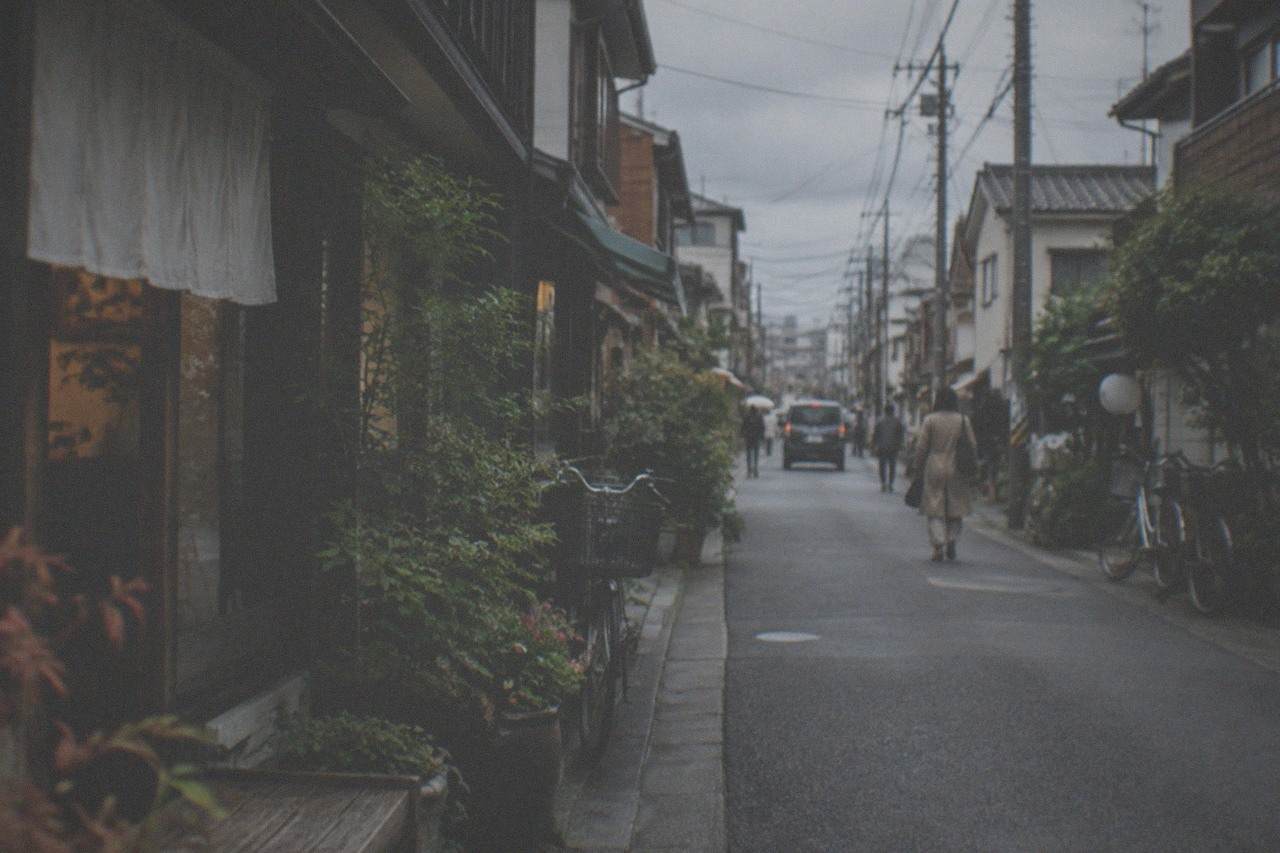
Imaizumi is the low-slung district southwest of Tenjin where Fukuoka's cafe culture, independent bakeries and small boutiques concentrate, within walking distance of both the city's main shopping core and Ohori Park.
Short answer
Imaizumi is known as Fukuoka's calm cafe and boutique quarter. It sits in Chuo-ku between Tenjin, Daimyo and Yakuin, a few minutes from the shopping core on foot, and it concentrates independent coffee shops, bakeries and small design-focused shops. Entry is free, the subway fare from the airport area runs ¥260, and it pairs naturally with Ohori Park.
Imaizumi rarely makes the shortlist of a first Fukuoka trip, and that is exactly why it rewards the traveller who has already seen the big sights. This is the district where the city's cafe culture quietly concentrates, a grid of low-rise streets southwest of Tenjin where independent coffee roasters, small bakeries and single-room boutiques sit between apartment blocks and neighbourhood shrines. Nothing here is ticketed and nothing needs booking. You arrive on foot, you wander, and you stop whenever a doorway looks interesting.
What Is Imaizumi Known For?
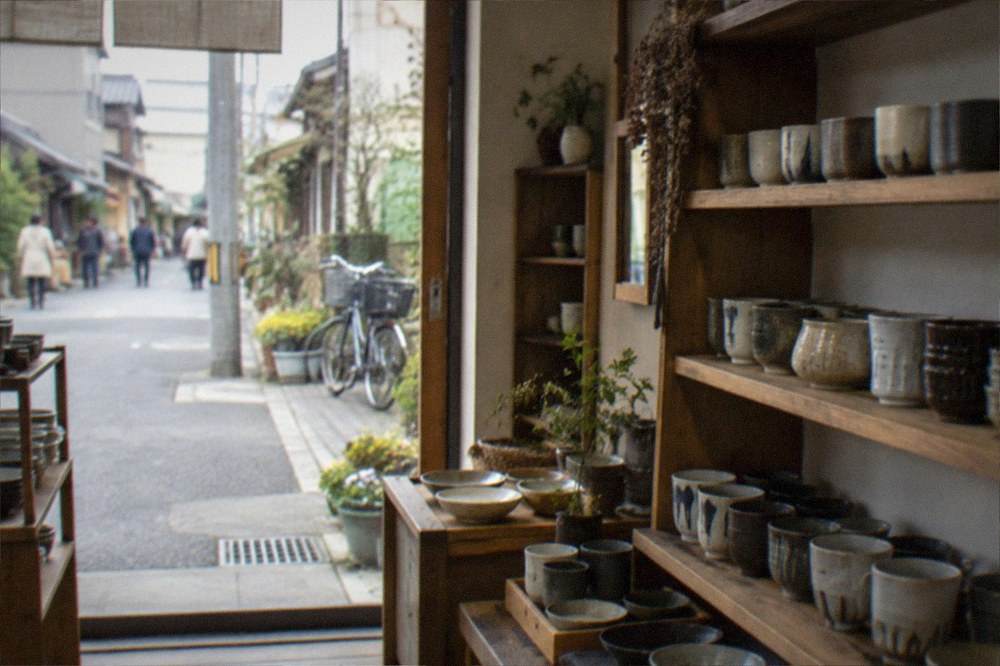
Imaizumi is known as Fukuoka's cafe and boutique quarter, the calmer counterweight to neon-lit Tenjin next door. It is a residential and small-business district in Chuo-ku, a short walk from the Tenjin shopping core and from Ohori Park, where independent coffee shops, bakeries, florists and design shops occupy small street-level spaces. There is no single landmark; the district itself, walked slowly, is the attraction, and it costs nothing to enter.
That last point matters more than it sounds. Fukuoka's headline sights, the tower, the shrines, the castle ruins, are all either free or cheap, and Imaizumi fits that pattern perfectly. The district's draw is texture: a coffee counter with six seats, a bakery that sells out by early afternoon, a clothing shop that doubles as a gallery. It is the neighbourhood version of what Daimyo does on a louder, more fashionable scale, and the two sit directly beside each other, so a visitor can walk one in the morning and the other after lunch without repeating the experience.
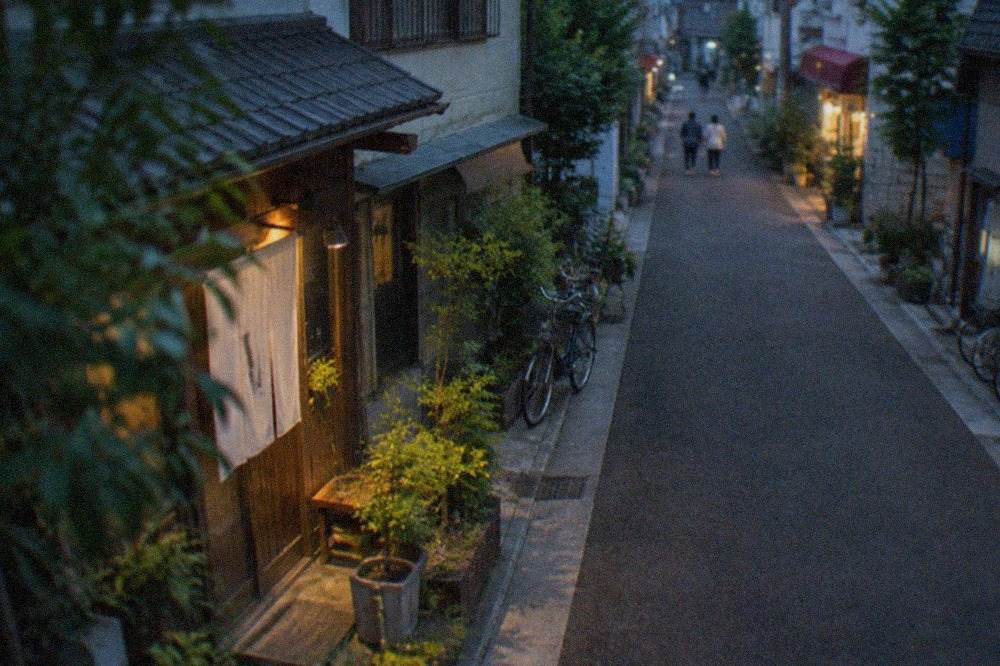
The comparison with its neighbours is the fastest way to place Imaizumi on the map. Tenjin, five to ten minutes' walk northeast, is the shopping and business core, department stores, underground malls and office towers. Daimyo, immediately north, is the trendy quarter of vintage shops and restaurants. Yakuin, to the south, is a medical-and-dining district growing a food reputation of its own. Imaizumi sits in the middle of all three, quieter than any of them, and that central-but-calm position is precisely what the city's cafe openers have been choosing for years.
It is also genuinely residential, which shapes the rhythm of a visit. Mornings are quiet, with dog walkers and school runs on the back streets. Late morning through mid-afternoon is the district's busy window, when the cafes fill and the bakeries turn over their stock. Evenings quieten again, and anyone wanting dinner and drinks will usually end up walking north into Daimyo or east into Tenjin rather than staying put. Plan around that rhythm and Imaizumi delivers; fight it and you will find shut doors.
Where Is Imaizumi and How Do You Get There?
Imaizumi lies in Chuo-ku, southwest of Tenjin, between Tenjin, Daimyo and Yakuin and close to Ohori Park's eastern edge. The nearest subway stations are Yakuin and Watanabe-dori on the Nanakuma line; a single adult fare runs from ¥210 up to ¥380 by distance. From Fukuoka Airport, the fare to the city centre is ¥260, and the airport is unusually close to the centre, though no official page confirms a journey time in minutes.
The subway is the practical answer for most visitors. Fukuoka City Subway's official fare table sets adult single fares by distance: ¥210 up to 3 km, ¥260 for 3 to 7 km, ¥300 for 7 to 11 km, ¥340 for 11 to 15 km, ¥360 for 15 to 19 km, and ¥380 beyond that, with children paying roughly half. The airport-to-Hakata leg falls in the ¥260 band, per the official fare table. A one-day pass costs ¥640 for adults and covers all three lines if you plan to hop between Imaizumi, Ohori Park and the Hakata sights in one day.
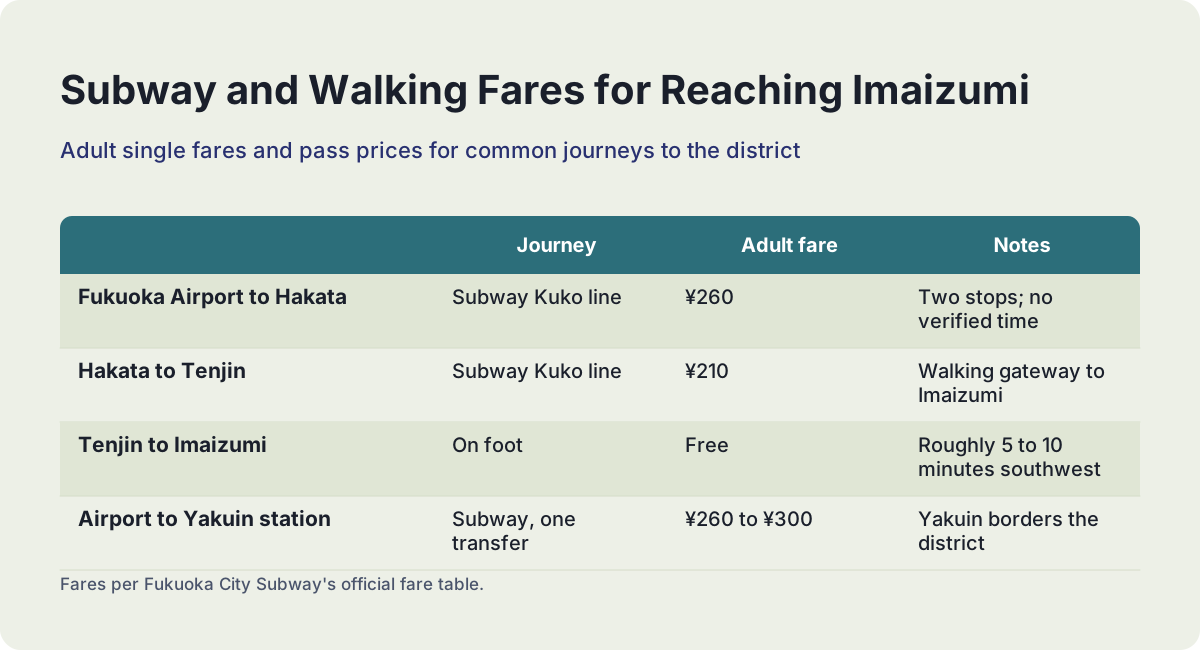
| Journey | Typical route | Adult fare | Notes |
|---|---|---|---|
| Fukuoka Airport to Hakata | Subway Kuko line | ¥260 | Two stops; no verified minute figure exists |
| Hakata to Tenjin | Subway Kuko line | ¥210 | Tenjin is the walking gateway to Imaizumi |
| Tenjin to Imaizumi | On foot | Free | Roughly 5 to 10 minutes southwest |
| Airport to Yakuin station | Subway, one transfer | ¥260 to ¥300 | Yakuin station borders the district |
| Any subway line, one day | 1-day pass | ¥640 | Valid all lines, day of purchase |
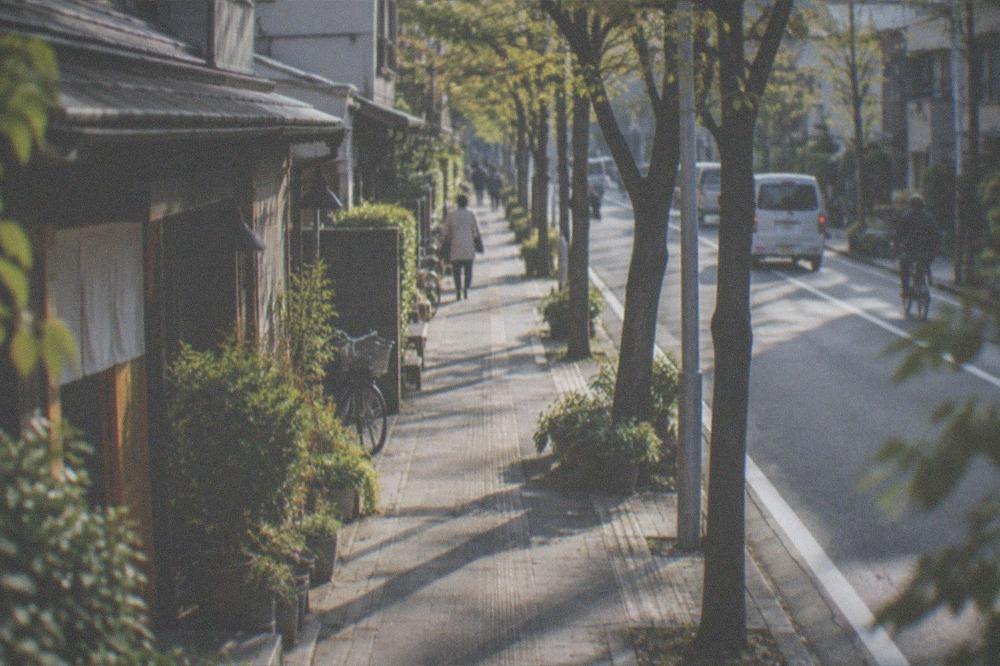
On foot is how the district is actually meant to be consumed. From Tenjin the walk is a few minutes down Imaizumi-dori and its side streets; from Ohori Park's southern end you can cut through in about the same time. Cyclists will find the terrain flat and the back streets calm, and Fukuoka is a city that takes small-wheel city cycling seriously. Anyone building a wider plan can slot the district into a three-day Fukuoka itinerary as the slow morning of day two, after the first day's Hakata sights and before an Ohori Park afternoon.
One naming trap to avoid before anything else: Hakata and Fukuoka are the same city. Hakata is the ward and the station name; Fukuoka is the city. There is no JR Fukuoka Station, the station is Hakata. Guides that treat them as two destinations send visitors on imaginary journeys, and Imaizumi is firmly inside the one city, in its Chuo-ku ward.
A guided walk is one way to anchor the district if you would rather not navigate the back streets cold. The private walking options in the cards above start from around the Tenjin core and can be steered toward Imaizumi's cafe lanes, and the doll-painting workshop makes a good rainy-hour pairing on the same day.
What Can You Do in Imaizumi on a Slow Afternoon?
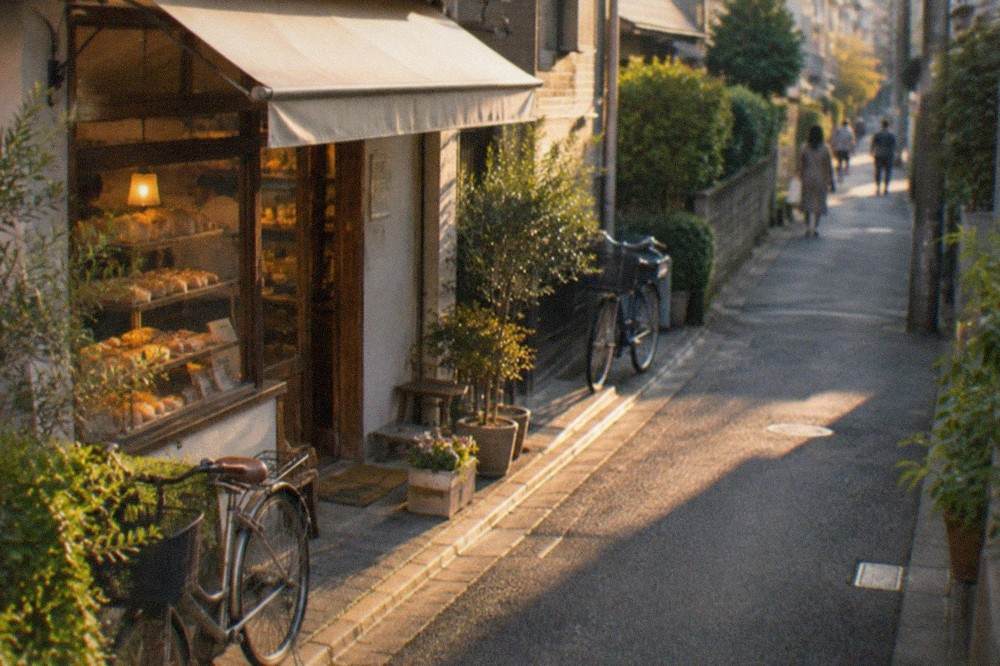
The main activity in Imaizumi is a slow, self-guided wander: coffee stops, bakery visits, small boutiques and the neighbourhood's shrines and parks, with no tickets and no queueing. Most visitors spend two to four hours. A practical loop starts at the Tenjin edge, drifts southwest through the cafe streets, and ends at Ohori Park, where the Japanese Garden charges ¥250 for adults and ¥120 for children, one of the city's best-value quiet hours.
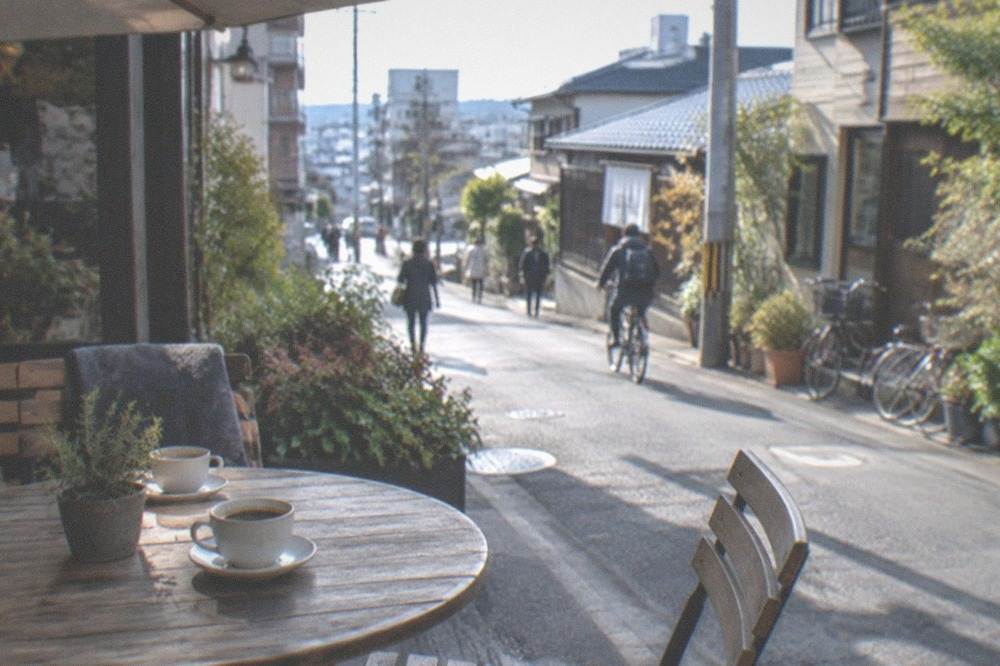
The coffee is the honest headline. Imaizumi's streets hold a dense cluster of independent cafes, several of them roasting their own beans, and the scene is the reason many Fukuoka residents will tell you the city's coffee rivals anywhere in Japan. Seating is often limited to a handful of stools, so arriving mid-morning rather than at lunch works better. The same applies to the bakeries: this is a district where popular items sell out, and an afternoon visitor sometimes finds the good shelves bare. Treat that as local information rather than a flaw.
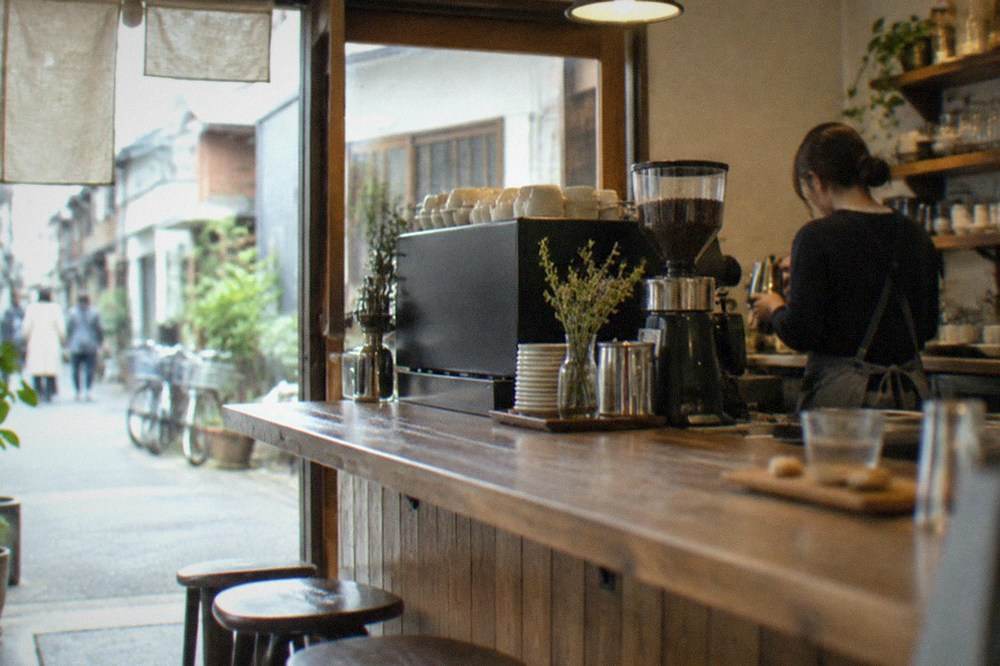
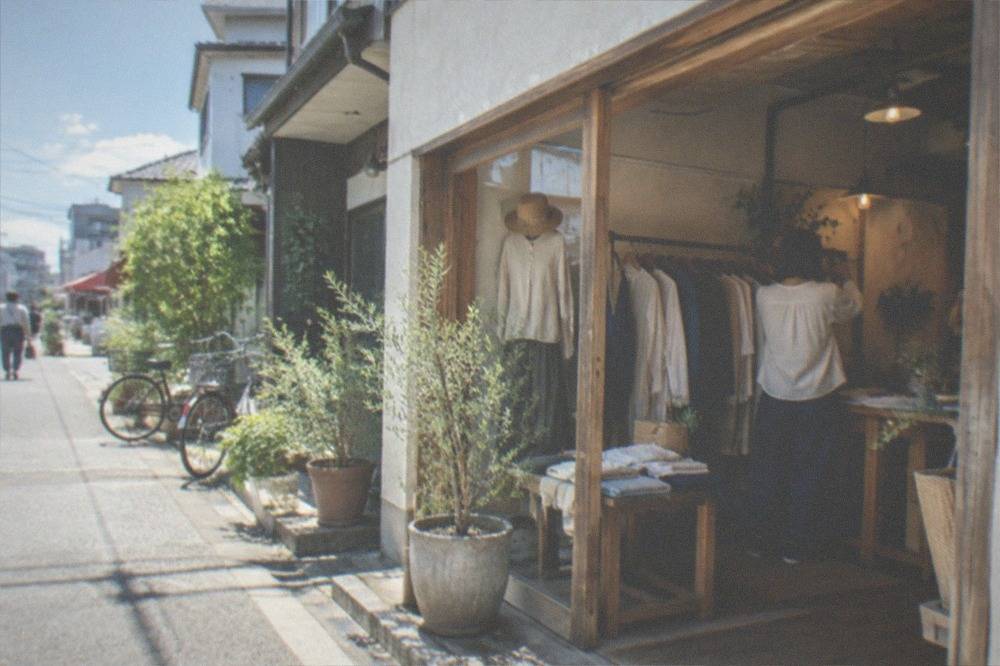
Shopping here is small-batch and unhurried. The boutiques lean toward clothing, homeware, paper goods and flowers, often in spaces barely larger than a living room, and often run by the person who chose the stock. It is the antithesis of the department-store experience in Tenjin, and a deliberate one; for the full retail spectrum, the Fukuoka shopping guide covers everything from the underground malls to the markets. Imaizumi is where you buy one considered object, not a bag of souvenirs.
The green bookends are real. To the west, Ohori Park is one of the city's most-loved open spaces, free to enter, with a paid Japanese Garden inside it: adult ¥250, child ¥120, with free entry for visitors aged 65 and over and for children under 6, per the garden's official site. To the east, the Tenjin core adds the underground mall and department stores. A walk that starts in Imaizumi and ends in either direction fills an afternoon without a single ticket, except the garden's small one.
A two-hour private walk with a local, from $64 per person and rated 4.7 from 46 reviews, is the natural fit for this district: short, flexible, and built around the guide's own neighbourhood knowledge rather than a fixed monument list. It pairs well with a self-guided afternoon, since a local's route through Imaizumi's side streets tends to surface cafes and shops a visitor would otherwise walk past.
Where to Eat and Drink Around Imaizumi?
Imaizumi's food identity is daytime and cafe-led: coffee, baked goods, light lunches and a scattering of small dinner spots, with the heavier evening action spilling north into Daimyo and east into Tenjin. Budget a casual lunch in the district and save the motsunabe, yatai and izakaya experiences for the neighbouring quarters or a guided evening tour. Nothing in Imaizumi needs a reservation for lunch; dinner spots vary, so check before you go.
The daytime range deserves a table, because it is the district's real restaurant scene:
| Meal or stop | What to expect | When to go | Booking |
|---|---|---|---|
| Independent cafe | Espresso and pour-over, often house-roasted, few seats | Mid-morning | None |
| Bakery | Bread and pastry, popular items sell out | Morning to early afternoon | None |
| Light lunch | Sandwiches, soups, small plate sets around the cafes | 11:30 to 14:00 | Rarely needed |
| Neighbourhood izakaya | Small counters, evening trade, quieter than Daimyo | Evening | Worth checking |
| Guided food evening | Yatai, izakaya and karaoke circuit beyond the district | Evening | Via the listing |
For the evening, the honest advice is to walk. Daimyo, immediately north, holds one of the city's densest concentrations of restaurants and bars, and Tenjin's underground mall and surrounds keep their kitchens late. The classic Fukuoka evening, though, is the yatai: the city licenses about 100 food stalls under its own ordinance, and the rules require every stall to display its prices clearly, with no vague "market price" wording permitted. The stalls take walk-ins, and no booking exists or is needed for the stalls themselves.
If you would rather have the neighbourhood interpreted than discover it solo, the private walking tour above is the one to check first: it runs about two hours, and its guides work from the same Tenjin-and-Chuo-ku streets this page describes.
How Does Imaizumi Compare with Daimyo and Yakuin?
Imaizumi is the quiet, cafe-led member of the three districts south and west of Tenjin: Daimyo is louder, trendier and restaurant-heavy; Yakuin is a growing dining quarter with a more local, grown-up feel; Imaizumi is calmer, smaller and best in the morning. Choose Daimyo for dinner and nightlife, Yakuin for an evening of eating, and Imaizumi for coffee, browsing and a slow start. All three are walkable from one another in minutes.
| District | Character | Best time | Best for |
|---|---|---|---|
| Imaizumi | Calm, residential, cafe and boutique led | Morning to mid-afternoon | Coffee, bakeries, small shops |
| Daimyo | Trendy, dense, fashion and restaurants | Afternoon and evening | Dinner, bars, vintage shopping |
| Yakuin | Local, grown-up, expanding food scene | Evening | Restaurants, relaxed drinks |
| Tenjin | Commercial core, malls and offices | All day | Department stores, transit hub |
| Nishijin | Student-priced, north of the castle ruins | Daytime | Cheap eats near Ohori Park |
The useful trick is that these districts blur at their edges, and the blur is where the good walks are. A loop from Tenjin through Daimyo's vintage streets, into Imaizumi's cafe lanes, and out along Ohori Park's water takes an unhurried couple of hours and samples three different Fukuokus in one go. Add Nishijin to the north if you want student-priced food on the castle side, or Ohori Akasaka to the west for the museum-and-park stretch.
For travellers who like a guide's structure over self-navigation, a half-day city walk covers the essentials: the Fukuoka Essentials tour runs 3 to 6 hours from $74 per person, rated 4.9 from 48 reviews, and its route can be steered through this part of Chuo-ku on request.
When Is the Best Time to Visit Imaizumi?
Any season works, because the district's pleasures are indoors and street-level, but the numbers favour spring and autumn. The Japan Meteorological Agency's 1991 to 2020 normals put April at a 15.4 °C mean with 118.2 mm of rain and 188.1 sunshine hours, and November at 14.2 °C with 91.4 mm; July is the wettest month at 299.1 mm, wetter than June's tsuyu-season 249.6 mm, and August is the hottest at a 28.4 °C mean.
The surprise in that data is worth dwelling on, because nearly every guide repeats it wrongly: July, not June, is Fukuoka's wettest month. The rainy-season month of June brings 249.6 mm, but July brings 299.1 mm, and July is also the month the city stages Hakata Gion Yamakasa, its biggest festival, from July 1 to 15. August is hotter than July yet drier, with 200.9 sunshine hours, the second sunniest month of the year after May.
| Month | Mean °C | Rain mm | Sunshine hours | Imaizumi verdict |
|---|---|---|---|---|
| March | 10.8 | 103.7 | 161.2 | Blossom season nearby, cool walks |
| April | 15.4 | 118.2 | 188.1 | Excellent: warm, bright, outdoor seating |
| May | 19.9 | 133.7 | 204.1 | Best sunshine of the year |
| July | 27.4 | 299.1 | 172.2 | Wettest month; festival city, humid |
| August | 28.4 | 210.0 | 200.9 | Hot but drier and bright |
| November | 14.2 | 91.4 | 137.3 | Cool, dry, autumn colour at Ohori Park |
Practical season notes follow from the table. Summer visits are perfectly doable: shift the walk to early morning or evening, and use the cafes as air-conditioned refuges between short street stretches. Typhoon season runs roughly July through October, and a storm day closes the yatai and empties the sidewalks, so keep one indoor fallback, a museum or a mall, in your back pocket. Winter is mild by Japanese standards, a 6.9 °C January mean, and the district's cafes do their best trade precisely when the streets are cold.
What Should You Buy in Imaizumi?
Buy small and considered: house-roasted coffee beans, bakery goods eaten the same day, and one-off items from the independent boutiques, clothing, ceramics, paper goods and flowers. Imaizumi is not a souvenir district; for mentaiko, Hakata dolls and the classic edible gifts, walk or ride to Tenjin's stores or the Hakata station area. Budget for one or two considered purchases rather than a haul.
The distinction matters because Fukuoka's famous souvenirs are mostly edible and mostly sold elsewhere. The mentaiko and spice shops cluster around the station and the department stores; the traditional crafts, including the Hakata doll painting that gives this page one of its tours, are workshop experiences rather than shelf items. What Imaizumi sells is the contemporary layer: a roaster's beans bagged the same week, a ceramicist's cup in a one-room shop, a printed tote from a studio that also runs the register.
| What | Where in the district | Best for | Price sense |
|---|---|---|---|
| House-roasted coffee beans | Independent cafes | Gifts, home brewing | Moderate, varies by roaster |
| Bakery goods | Street-front bakeries | Eating now | Cheap to moderate |
| Clothing and accessories | Small boutiques | One considered purchase | Varies widely |
| Ceramics and homeware | Design-led shops | Durable souvenirs | Moderate |
| Classic Hakata souvenirs | Not here; Tenjin or Hakata | Mentaiko, traditional crafts | Set by the big stores |
If a hands-on craft suits your group better than another shopping hour, the Hakata doll painting experience runs 90 minutes from $28 per person, rated 4.9 from 45 reviews, and finishes with something you carry home yourself.
Where Does Imaizumi Fit in a Fukuoka Trip?
Imaizumi fits as a half-day morning block on day two or three of a first visit, after the Hakata sights and before or after Ohori Park. Pair it with Daimyo for shopping, with Ohori Park and the art museum for a culture afternoon, or with a Yatai evening for a full Chuo-ku day. It is not a destination in itself and does not need to be; it is the district that makes the rest of the itinerary feel lived-in.
A sample day built around the district: coffee and a bakery stop in Imaizumi from opening, a slow browse through the boutiques, then west into Ohori Park and the Japanese Garden before lunch, the Fukuoka Art Museum's collection exhibition in the afternoon (general admission ¥200, with free entry for junior high age and under), and dinner north in Daimyo or a yatai stall by the river. It is a gentle day, and it is the day many repeat visitors describe as the moment Fukuoka stopped feeling like a checklist.
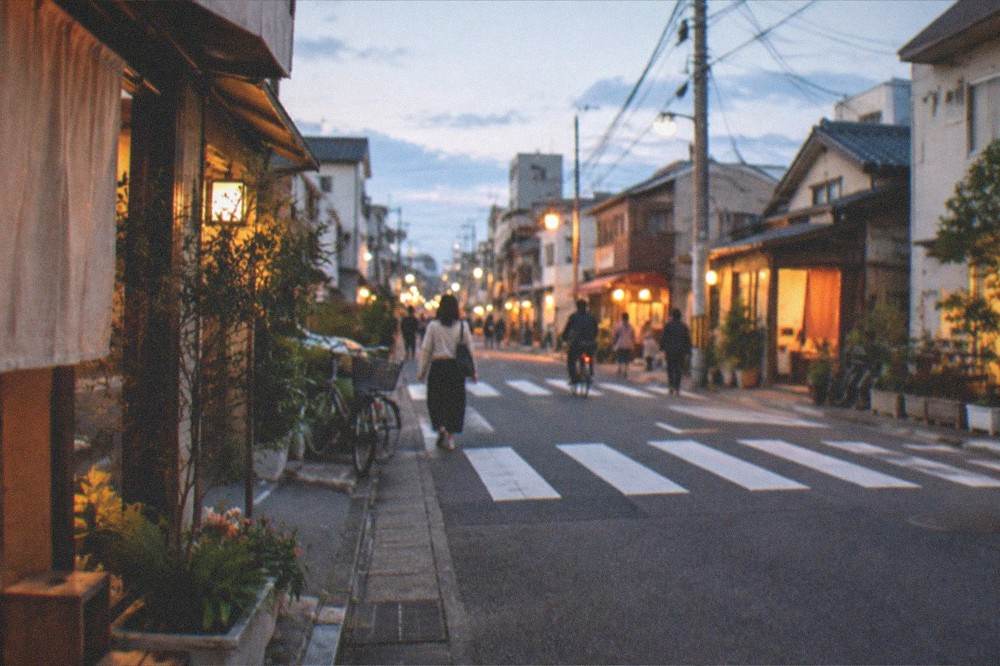
The district also earns its place for specific traveller types. Solo travellers get a low-pressure district where a laptop and a coffee buy an hour without friction. Couples get the walk-and-stop rhythm that cafe quarters do best. Families with older children will find it easy but should not oversell it to kids expecting attractions; the Ohori Park stretch nearby is the better family payoff. Anyone on a repeat visit, and there are more of those every year, will find Imaizumi is where the second trip quietly starts.
For the wider region, the district is a base camp rather than a day-trip hub: the long-distance buses and trains leave from Hakata and Tenjin, not from here, so treat Imaizumi as the calm bookend to days that run out to Dazaifu, Itoshima or the Kyushu interior. This site, Fukuoka Japan Travel Guide, carries full day-trip pages for all of them, plus the area guides for every district named above.
Common Questions About Imaizumi
What Is Imaizumi Known For?
Imaizumi is known as Fukuoka's calm cafe and boutique district, a residential quarter of Chuo-ku southwest of Tenjin where independent coffee roasters, bakeries and small design shops concentrate. There is no ticketed attraction; the district itself, walked slowly between Tenjin and Ohori Park, is the draw.
Is Imaizumi walkable from Tenjin?
Yes. The district sits a few minutes' walk southwest of the Tenjin shopping core, and the walk from Tenjin through Daimyo into Imaizumi takes under fifteen minutes at a browsing pace. Ohori Park's eastern edge is similarly close, which makes a Tenjin-Imaizumi-Ohori loop an easy half day entirely on foot.
How do I get to Imaizumi by subway?
The nearest stations are Yakuin and Watanabe-dori on the Nanakuma line. Adult single fares on the Fukuoka City Subway run from ¥210 for journeys up to 3 km to ¥380 for the longest band, and a one-day pass costs ¥640 if you plan to ride several times in a day.
Is Imaizumi good for dinner and nightlife?
Only lightly. The district is at its best from morning to mid-afternoon, and its evening trade is small. For dinner and drinks, walk north into Daimyo or east into Tenjin, or head to the yatai stalls, which take walk-ins and require no booking.
How much time should I spend in Imaizumi?
Two to four hours is the honest range for most visitors: a coffee stop, a bakery, a browse through the boutiques and a stroll toward Ohori Park. travellers combining it with Daimyo and the park can fill a relaxed half day without repeating themselves.
Is Imaizumi worth visiting on a first trip to Fukuoka?
On a first trip of two or three days, it is a good second-morning choice once the headline sights, the shrines, the tower and the castle ruins, are done. It is the district that shows the city's everyday side, and it costs nothing but time and coffee.