What to Buy in Fukuoka
Fukuoka's souvenir scene runs on food: mentaiko, tonkotsu ramen kits, sake from local breweries and sweets that travel well. This guide covers what to buy, where to buy it, and what will actually survive the trip home.
Short answer
The must-eat souvenirs to take home from Fukuoka are mentaiko (spicy pollack roe), tonkotsu ramen kits, motsunabe soup mixes, local sake and shochu, and boxed sweets such as umegae mochi from Dazaifu. Buy them at Hakata Station, Canal City Hakata, Yanagibashi market or the airport. Most food gifts come in graded pack sizes to fit any budget.
Fukuoka sends more food home in suitcases than almost any other city in Japan, and the reason is simple: the local specialties are things that pack well. Mentaiko, the spicy salted pollack roe that Hakata made famous, keeps refrigerated for days and frozen for months. Tonkotsu ramen kits reproduce the city's signature bowl in a hotel room or a kitchen on another continent. Sake from Kyushu breweries, tea from Yame just to the south, and sweets built for gift-giving round out a souvenir scene that rewards a little planning.
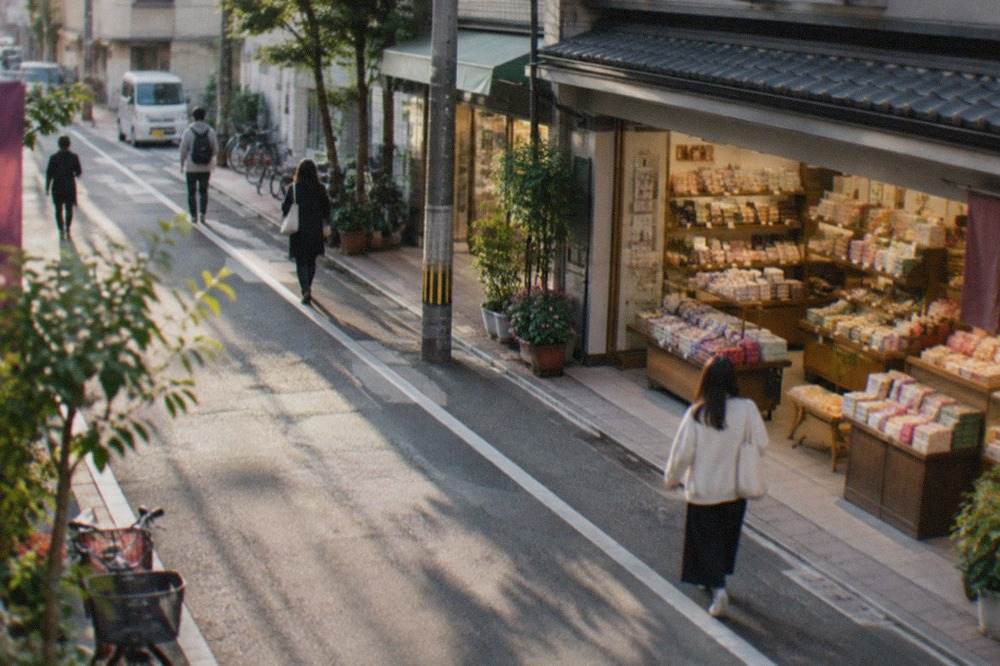
This guide walks through the edible souvenirs worth their weight in luggage, the traditional crafts that make more durable gifts, the practical questions of customs and shelf life, and where to make a last-minute purchase before boarding. One note on geography before anything else: Hakata is the ward and the station, Fukuoka is the city, and they are the same place. A guide that tells you to shop "in Hakata and then head to Fukuoka" has never been here.
What Food Is Fukuoka Famous for Taking Home?
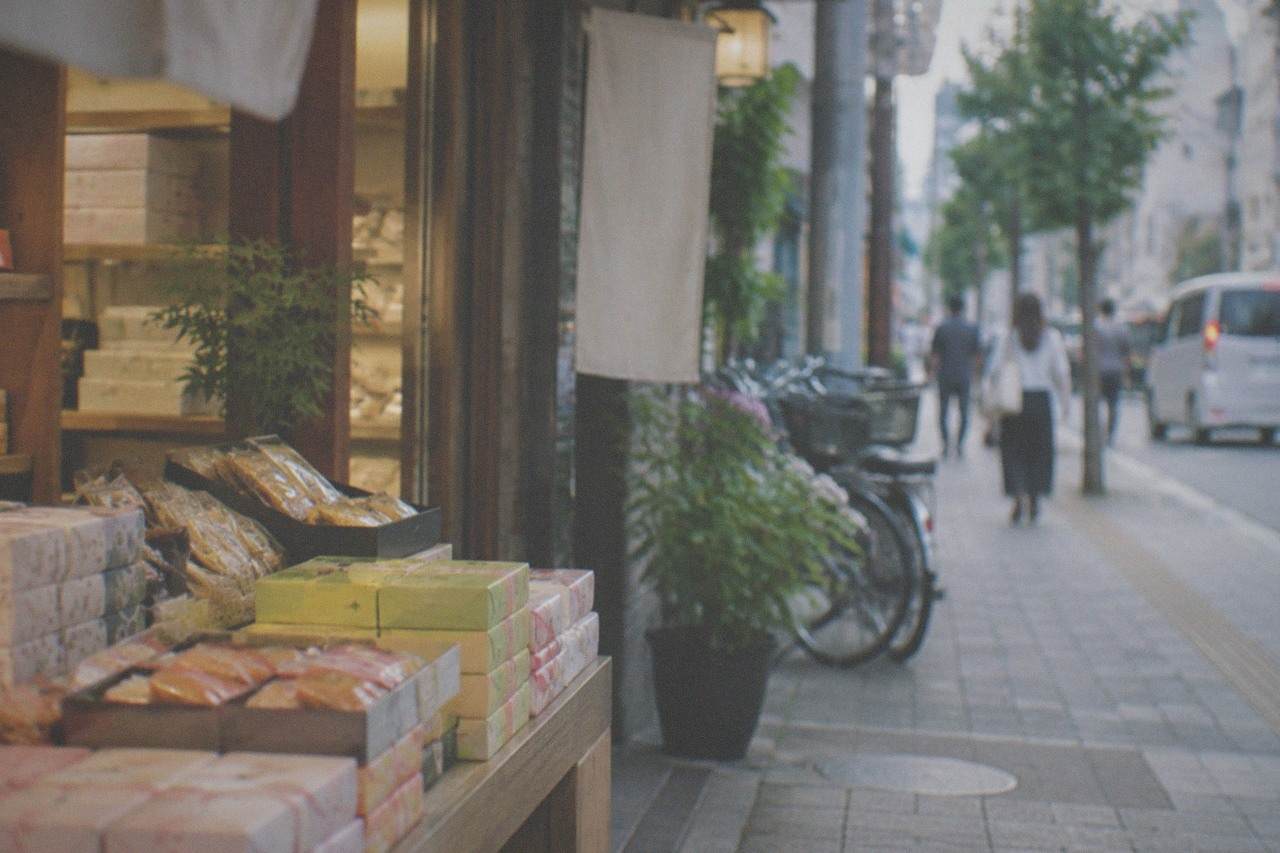
The edible souvenirs Fukuoka is famous for are mentaiko, the spicy pollack roe the city consumes more of than anywhere else in Japan; tonkotsu ramen kits that recreate Hakata's signature pork-bone broth; motsunabe soup bases; nori and other seaweed products; and gift-boxed wagashi sweets. Sake and shochu from Kyushu breweries are the bottle gifts, and Yame tea from just south of the city covers the non-alcoholic option. Almost all of it is sold vacuum-packed or shelf-stable for travel.
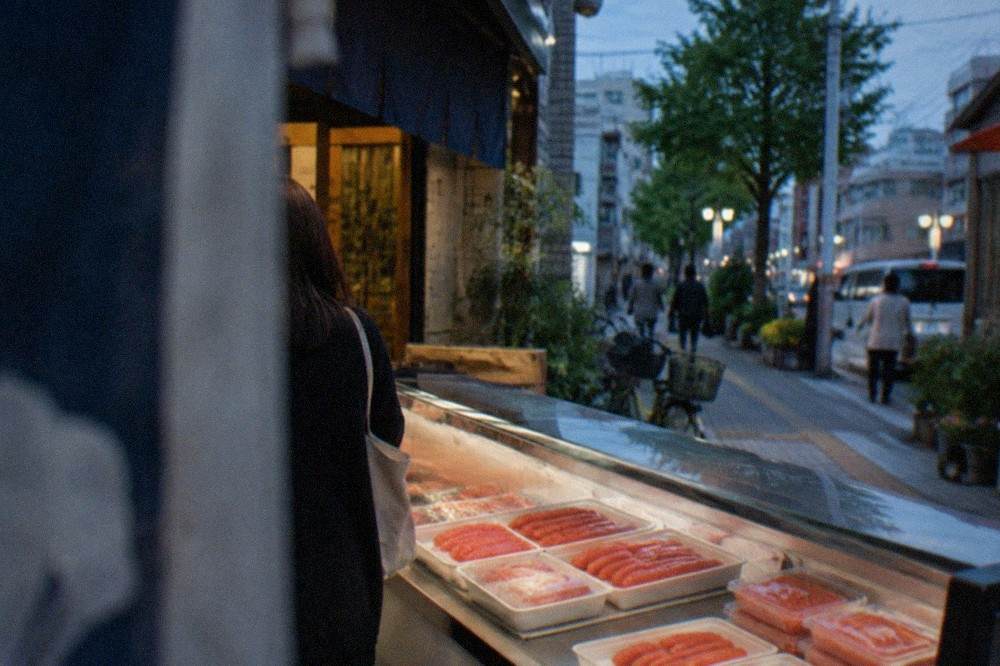
Mentaiko is the one to start with, because it is the souvenir most strongly tied to Fukuoka's identity. The roe is salted and seasoned with chilli, and in the city it appears on rice, in onigiri, folded into pasta and spread on toast. For travel, shops sell it frozen or in sealed packs designed for export, and the staff at dedicated mentaiko counters in Hakata Station and Canal City Hakata will tell you plainly how many days each version keeps. Frozen packs are built for the flight home; refrigerated ones are built for eating within the week.
Tonkotsu ramen kits are the other heavyweight. Hakata ramen is defined by its rich, milky pork-bone broth and thin noodles, and the take-home versions split the difference between convenience and authenticity. The better kits contain dried or fresh noodles plus a concentrated liquid broth, not a powder, and the fresh-noodle versions sold at ramen shops and station counters taste noticeably closer to the real bowl. If you want the full picture of the dish before buying a kit to recreate it, the Hakata ramen guide covers the style, the kaedama noodle-refill custom and where the best bowls are.
Beyond the two famous ones, the shelf widens. Motsunabe, the beef-offal hot pot that is Fukuoka's other signature winter dish, is sold as a soup base with the miso or soy seasoning premixed, so a souvenir buyer only needs to add meat and vegetables at home. Yame tea, grown in the hills south of the city, is one of Japan's most decorated tea regions and appears in gift tins everywhere in Fukuoka; a tea and sake tasting run by the YokaBus operator covers both the tea fields and the breweries in one long day out, from $82 per person and rated 4.9 from 43 reviews. Nori from the Ariake Sea, mentaiko-flavoured snacks, and karashi-mentaiko seasoning pastes fill the gaps for lower-budget gifts.
For the edible souvenirs, a rough comparison of the categories:
| Souvenir category | Typical form | Travels well? | Best bought at |
|---|---|---|---|
| Mentaiko | Sealed or frozen packs | Yes, frozen best | Hakata Station, mentaiko shops |
| Tonkotsu ramen kit | Noodles plus liquid broth | Yes, shelf-stable | Ramen shops, station kiosks |
| Motsunabe base | Packed soup concentrate | Yes | Department store basements |
| Yame tea | Tinned loose leaf or bags | Yes, indefinitely | Tea shops, Canal City Hakata |
| Kyushu sake or shochu | Bottles | Yes, but heavy | Breweries, liquor stores, tastings |
| Wagashi sweets | Gift boxes | Varies, check dates | Sweets shops, Dazaifu approach |
Where Are the Best Places to Buy Souvenirs in Fukuoka?
The best places to buy souvenirs in Fukuoka are Hakata Station, which concentrates mentaiko shops, ramen kits and sweets under one roof; Canal City Hakata, which is open every day of the year with shops from 10:00 to 21:00; the department store food basements of Tenjin; Yanagibashi market for local, unscaled produce; and Dazaifu's approach road for umegae mochi. Hakata Station is the practical winner for food gifts because everything is packed for travel.
Hakata Station deserves its reputation. The station building stacks souvenir floors where the city's mentaiko producers, ramen brands and confectioners all run counters, and the staff are used to the two questions every traveller asks: how long does it keep, and can it go in checked luggage. The Hakata Station guide covers the layout, the floors worth your time and the connections, and it is worth reading before a souvenir run rather than after, because the station is large enough to waste twenty minutes in the wrong section.
Canal City Hakata is the second stop for a different reason: variety. The complex is free to enter and open every day of the year, with shops running 10:00 to 21:00 and restaurants from 11:00 to 23:00, per its own service page. Alongside the fashion and the canal-side fountains there are confectioners, a tea specialist and enough variety to cover gifts for people with different tastes in one visit. Individual tenants set their own hours, so a specific shop can vary.
Tenjin's department store basements are where the city shops for itself, which makes them the honest place to see what food gifts actually cost without a tourist markup. Yanagibashi market, the wholesale market locals call Hakata's kitchen, is the rougher, cheaper alternative, and it is worth a visit even if you buy nothing, though note that it is a working market rather than a gift-shopping experience.
Dazaifu, thirty minutes south by Nishitetsu train from Tenjin, adds the sweets category. The approach road to Dazaifu Tenmangu is lined with shops selling umegae mochi, a grilled rice cake with sweet bean filling made fresh in front of you, and the shrine's own FAQ states plainly that there is no entrance fee, so the trip costs only the train fare. The Nishitetsu Tabi Kippu sightseeing ticket bundles the round trip with an umegae mochi voucher, at ¥1,000 for adults, which is one of the few souvenir-adjacent prices that is officially published. The shrine's grounds and main sanctuary are free to enter.
Are Hakata Dolls and Traditional Crafts Worth Buying?
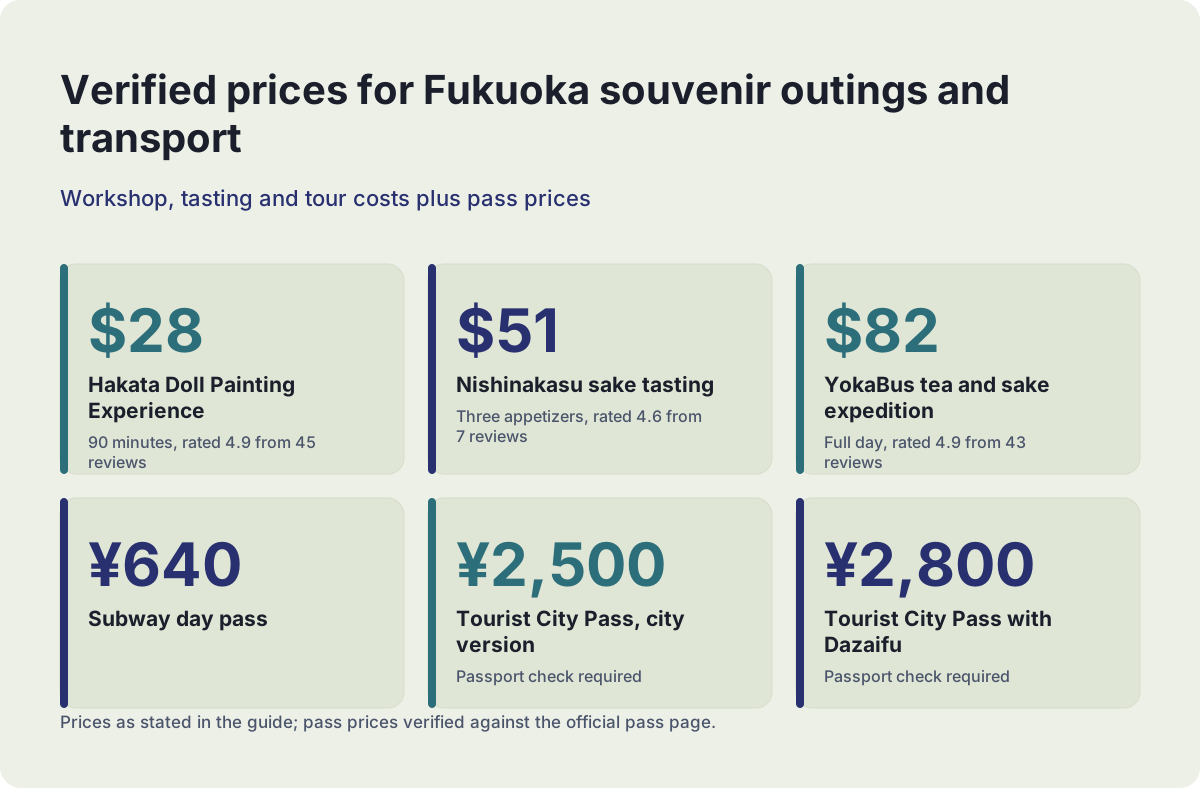
Hakata dolls are worth buying because they are a genuine Fukuoka craft with centuries of history, hand-painted in matte finishes, and sold at prices ranging from small affordable figures to museum-grade pieces. Other durable crafts include Hakata-ori silk textiles, woven in distinctive patterns used for ties and obi, and lightweight mentaiko-themed kitchen goods as joke gifts. Crafts survive the flight better than any food souvenir.
Hakata dolls are the traditional answer to "what represents Fukuoka", and unlike many regional crafts they are still made in the city. The figures are unglazed clay, painted in soft matte colours, and the classic subjects are beautiful women, samurai, kabuki actors and children. The range is enormous: a small figure is an affordable gift, while the larger artisan pieces are collector items that shops will pack professionally for shipping.
Hakata-ori silk weaving is the other craft with a claim on your luggage. The textile is dense and tightly woven, traditionally used for obi and men's ties, and the pattern reveals itself in the weave rather than the print. It packs flat, weighs almost nothing and does not expire, which makes it the exact opposite of a mentaiko pack, and a good gift for someone who will never cook a ramen kit.
If buying a doll feels passive, there is a way to make the souvenir itself the experience. The Hakata Doll Painting Experience runs 90 minutes from $28 per person, rated 4.9 from 45 reviews, and you paint your own figure under instruction rather than buying a finished one off a shelf. The result is a gift that carries its own story, and the piece is yours in a way a purchased doll never is.
A comparison of the durable options:
| Craft | What it is | Weight and packing | Gift suitability |
|---|---|---|---|
| Hakata doll | Hand-painted unglazed clay figure | Fragile, boxed | Decorative gifts, collectors |
| Hakata-ori textile | Tightly woven silk ties and accessories | Light, flat | Anyone, any age |
| Painted doll (workshop) | Your own painted Hakata figure | Fragile, boxed | Personal keepsake gifts |
| Yame tea tin | Loose leaf tea from southern Fukuoka Prefecture | Light, sturdy | Tea drinkers, offices |
Can You Take Fukuoka Food Souvenirs Through Customs and Onto the Plane?
Most Fukuoka food souvenirs clear both Japanese export rules and typical destination-country import rules without trouble: sealed mentaiko, ramen kits, tea, nori and packaged sweets are all fine in checked luggage. The exceptions are meat products, which many countries including the United States and Australia restrict or ban, and fresh items with short shelf lives. Sake and shochu go in checked luggage only, within your airline's liquid and alcohol limits. Always check your home country's rules before buying meat-based items.
The general principle is that processed, sealed and shelf-stable foods travel; fresh, meat-containing and unlabeled foods often do not. Mentaiko in its sealed export packs is processed roe and is broadly accepted, but the honest advice is to ask the shop staff, who field the customs question daily and will tell you which of their packs are made for export. Ramen kits, tea, nori, seasonings and boxed sweets raise no issues at all for almost any destination. Everything else covered here is indexed on Fukuoka Japan Travel Guide.
The meat question deserves its own sentence. Motsunabe soup bases sometimes contain meat extracts, and some ramen toppings and gift packs contain processed pork or beef, which are restricted by a number of countries regardless of how they are sealed. If your destination has strict biosecurity rules, buy the soup base at home instead, or choose a version the manufacturer labels as vegetable-based.
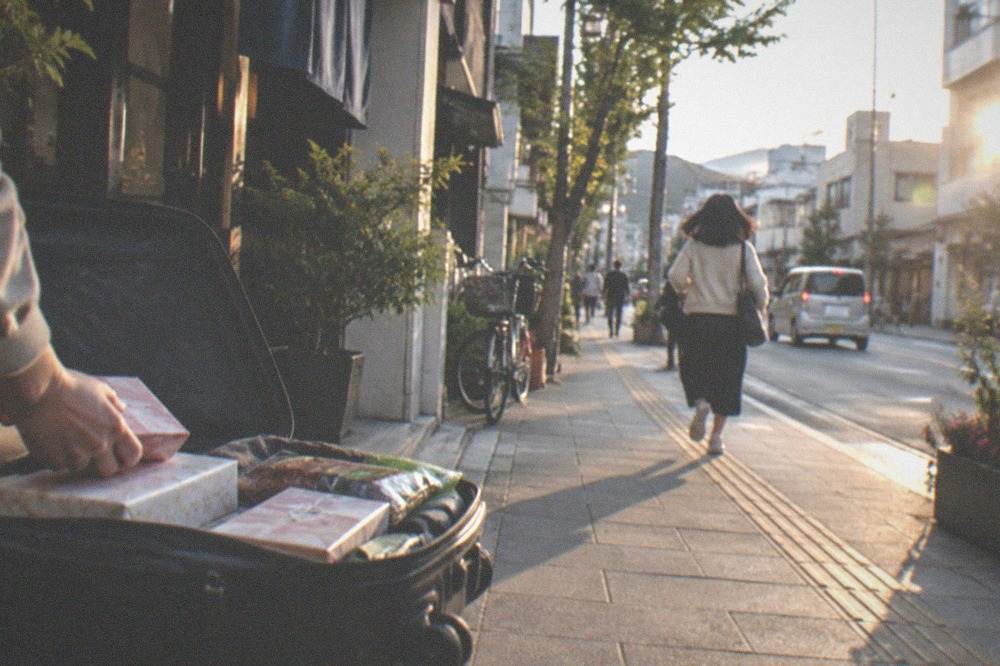
Alcohol is simpler than people fear. Sake and shochu bottles cannot go in hand luggage for an international flight, so they belong in checked luggage, wrapped well, within the duty-free allowance of your destination country. Bottles are heavy, which is the real constraint: a two-bottle gift can add meaningful weight to a bag on an airline with strict limits. The money and cash guide covers budgeting for the trip overall, and it is worth remembering that Japan still runs partly on cash, so keep yen for the market stalls and small shops where cards are not always an option.
What Is a Must Eat in Fukuoka to Take Home?
The single must-eat to take home from Fukuoka is mentaiko, because no other souvenir is this closely identified with one city: the spicy pollack roe is Hakata's signature food, sold in travel-ready sealed and frozen packs at every major souvenir counter. The strong second choices are a tonkotsu ramen kit, which recreates the city's famous bowl at home, and a bottle of Kyushu sake or shochu chosen at a tasting rather than guessed at a shelf.
Mentaiko earns the top spot on identity alone. The dish was industrialised and popularised in Hakata, the city eats it at breakfast on rice, and the souvenir counters at Hakata Station are largely mentaiko counters as a result. It is also a genuinely useful gift, because it turns plain rice into a meal, and the frozen export packs are designed for exactly the journey a souvenir has to survive.
The ramen kit is the choice for anyone who fell for the bowl itself. Hakata ramen's defining features, the thin noodles and the rich tonkotsu broth, both survive packaging better than most regional ramen styles, and the kaedama culture of ordering extra noodles translates neatly into a kit built around broth plus separate noodle portions. For travellers who want to understand the dish at street level before buying the kit, the yatai guide covers the food stalls where the city eats at night, about 100 of them across the city, and the yatai tours guide lists the guided crawls, since the stalls themselves take walk-ins and cannot be booked.
Sake and shochu are the bottles, and Kyushu is a serious producer of both, with rice shochu and barley shochu particular strengths of the region. The mistake to avoid is buying blind. A tasting costs less than a wrong bottle, and the Nishinakasu sake tasting with three appetizers, from $51 per person and rated 4.6 from 7 reviews, is built around exactly this: sampling local sake alongside small dishes in the district where the city drinks.
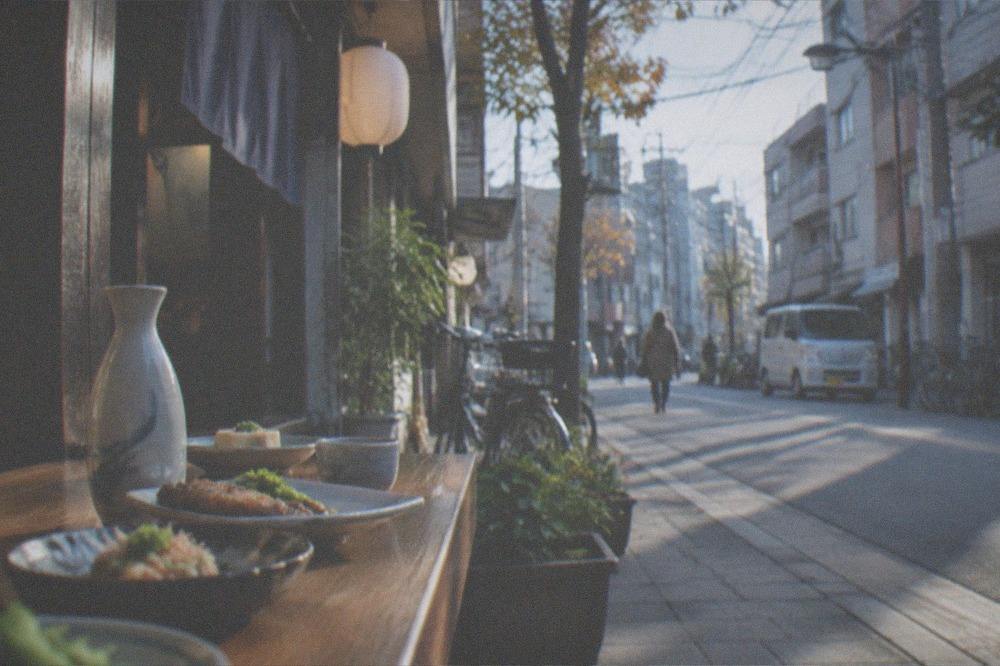
For the tea drinkers and the non-drinkers, Yame tea is the bottle's equal. The region south of Fukuoka produces some of the most awarded tea in Japan, and the gift tins are sold across the city. The YokaBus tea and sake expedition, from $82 per person and rated 4.9 from 43 reviews, visits the tea fields of Yame and pairs the tea side with the brewery side, which makes it a full-day research trip for the souvenir run.
How Much Should You Budget for Souvenirs in Fukuoka?
Budget for Fukuoka souvenirs the way the city's shops are built: in grades. A small food gift such as a tea tin or a snack box sits at the low end, a mentaiko pack or a good ramen kit in the middle, and artisan crafts such as a larger Hakata doll higher still. Verified transport figures help the arithmetic: the subway day pass is ¥640, and the Tourist City Pass is ¥2,500 with a passport check, ¥2,800 with Dazaifu included.
The honest framing is that Fukuoka's souvenir prices are set by gift-giving culture, which means most food gifts come in grades: a small box for a colleague, a mid-grade pack for a friend, a presentation box for a host. The mentaiko counters make this easy, because every producer sells the same roe in three or four pack sizes, and the shop staff will assemble a gift wrap around whatever grade you point at.
Transport is the other line in the budget. The Fukuoka Tourist City Pass, restricted to overseas tourists on a short-stay visa with a passport checked at the counter, costs ¥2,500 for the city version and ¥2,800 with Dazaifu included, and most competing guides still quote the old prices, so it is worth checking the official pass page. The subway single fare runs ¥210 to ¥380 by distance, and the 1-day pass is ¥640, per the Fukuoka subway guide.
| Budget tier | What it buys | Suggested recipients |
|---|---|---|
| Small food gift | Snack packs, tea bags, nori sets | Colleagues, classmates |
| Mid-grade food gift | Mentaiko pack, ramen kit, tea tin | Friends, neighbours |
| Presentation gift | Presentation mentaiko box, silk accessory | Close friends, hosts |
| Craft or collector piece | Larger Hakata doll, collector craft, sake set | Family, special gifts |
Where Can You Buy Last-Minute Souvenirs at the Station and the Airport?
Last-minute souvenirs are best bought at Hakata Station, which has the widest selection of mentaiko, ramen kits and sweets in the city, and secondarily at Fukuoka Airport, where the international terminal carries a compact range of the same food gifts. Buy at the station rather than the airport when you can: the selection is far larger and the prices are the same or lower. The airport's real advantage is that it is unusually close to the city centre, with the subway fare to Hakata a verified ¥260.
Hakata Station is the last stop that behaves like a full souvenir district. The mentaiko producers, the ramen brands and the confectioners all run counters there, and everything is packed for travel by staff who answer the keeps-and-customs questions all day. If your shopping window is the morning of departure, the station is the answer, and it is also where the airport buses and the subway converge.
The airport is the fallback, and a good one. Fukuoka Airport sits on the subway's Kuko line, and the fare into Hakata is ¥260, which the official fare table places in the 3 to 7 km band; the airport is genuinely close to the centre in a way few major-city airports are. There is no JR Fukuoka Station, the rail hub is Hakata, and the airport is the point where that proximity matters most. The airport guide and the airport-to-city guide cover the terminals and the transfer options in detail.
Two practical notes for the airport run. First, the free inter-terminal shuttle bus between the international and domestic terminals takes about ten minutes per the airport's own access page, so a purchase in the domestic terminal is still reachable before an international flight. Second, if you are arriving rather than departing and want the souvenir run to start smoothly, a private arrival transfer from the airport, from $149 per person and rated 5 from 2 reviews, removes the luggage-on-the-subway question on day one.
One thing not to do: leave a yatai meal as the last souvenir stop. The stalls take walk-ins, cannot be booked, and close at the operator's discretion, so treat Nakasu or Nagahama as an evening out, not a shopping errand. The city's yatai Q&A page confirms the ordinance requires prices to be displayed where customers can easily see them, with no vague "market price" tags, so at least the bill holds no surprises.
Common Questions About Fukuoka Souvenirs
What Is A Must Eat In Fukuoka To Take Home?
Mentaiko, the spicy salted pollack roe that Hakata made famous. It is sold in sealed and frozen travel packs at every major souvenir counter, keeps refrigerated for days and frozen for months, and is the souvenir most strongly identified with the city. A tonkotsu ramen kit is the strong runner-up.
Where is the best place to buy mentaiko in Fukuoka?
Hakata Station concentrates the city's mentaiko producers under one roof, and the staff at the dedicated counters can tell you which packs are made for export and how long each version keeps. Canal City Hakata and Tenjin department store basements are the alternatives.
Can you bring mentaiko into the United States or Australia?
Processed, sealed roe is broadly accepted, but import rules change and meat-containing products are restricted in many countries. Ask the shop staff which packs are made for export, and check your destination country's biosecurity rules before buying anything containing meat extracts, such as some motsunabe bases.
Are Hakata dolls a good souvenir?
Yes. They are a genuine local craft, hand-painted unglazed clay figures made in the city, sold from small affordable pieces up to collector-grade work. The 90-minute Hakata Doll Painting Experience from $28 per person lets you paint your own instead.
Is it cheaper to buy souvenirs at Fukuoka Airport?
Generally no. The airport carries a compact range of the same food gifts at comparable or slightly higher prices, while Hakata Station offers a far wider selection. Use the airport only for genuine last-minute purchases.
How much should I budget for souvenirs in Fukuoka?
Shop in grades: a small food gift for colleagues, a mid-grade mentaiko pack or ramen kit for friends, a presentation box or craft piece for hosts and family. Verified transport costs help the arithmetic, with the subway day pass at ¥640 and the Tourist City Pass at ¥2,500.