Shopping in Fukuoka
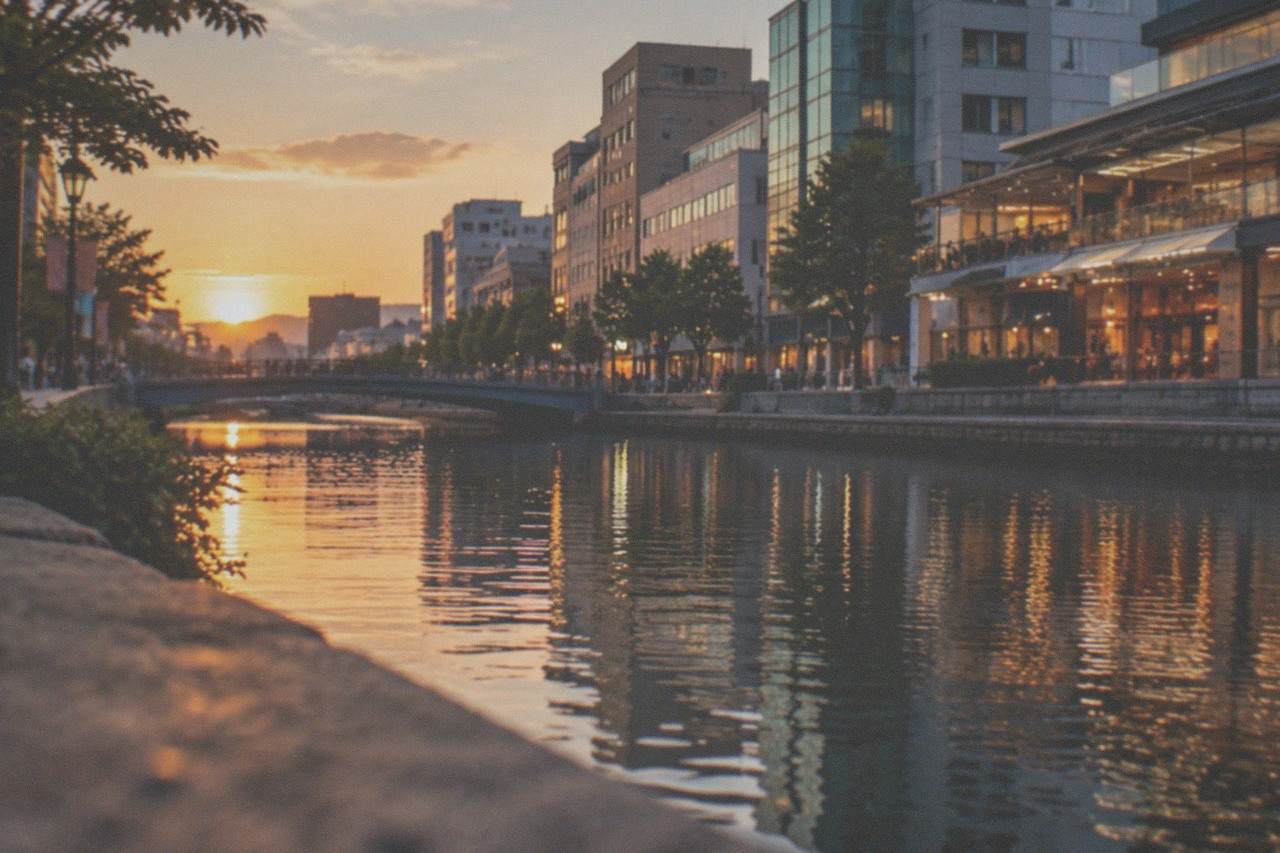
Canal City Hakata opens 365 days a year, and it anchors a compact city centre where Tenjin's department stores, Daimyo's independents and Nakasu's riverfront stalls all sit within a few subway stops of one another. This guide walks the whole shopping map, area by area, and explains the passes that stitch it together.
Short answer
Fukuoka's shopping centres on Tenjin, home to the city's department stores, the Tenjin Underground Mall and the boutiques of Daimyo and Imaizumi nearby. A subway day pass costs 640 yen and covers all three lines; single fares run 210 to 380 yen. Canal City Hakata, open every day of the year, links the retail core to Hakata Station.
Canal City Hakata opens its doors every single day of the year, an unusual commitment for a Japanese shopping complex, and it anchors a compact retail city where the department stores of Tenjin, the independents of Daimyo and the riverfront stalls of Nakasu all sit within a short ride of one another. Fukuoka is not a city that funnels every shopper into one mega-mall. It spreads its commerce across a handful of walkable districts, each with a distinct character, and the subway that connects them is short, cheap and easy to use. This guide walks the full shopping map, district by district, and explains which pass, if any, is worth buying for a day of retail wandering.
What Is Tenjin, Fukuoka Known for When It Comes to Shopping?
Tenjin is Fukuoka's department-store district, the largest concentration of retail in the city, and the place where most shopping trips in Fukuoka either begin or end. It pairs several full-scale department stores with an extensive underground mall that spreads beneath the main intersections, all within a five minute walk of the boutiques and cafes of Daimyo and Imaizumi. It is the commercial core of the largest city on Kyushu, and everything else in this guide sits within reach of it.
Tenjin's strength is density. Department stores in Japan are not just shops; they are food halls, basement groceries, rooftop gardens and tax-free counters stacked on top of one another, and Tenjin has several of them clustered around a single crossing. The underground mall, covered in its own section below, extends that density below street level, so rain never stops a shopping day here the way it can in a city built around street-front retail.
The district also works as a transport hub. Three subway lines converge nearby, and the Fukuoka Tourist City Pass, sold with a passport check at the Tenjin customer centre, exists precisely because so many visitors base themselves in this part of town. If you are deciding where to sleep as well as where to shop, the where to stay in Fukuoka guide breaks down the trade-offs, and the question of whether Hakata or Tenjin suits you better is largely a question of whether you want station convenience or shopping on your doorstep.
One framing worth carrying through the rest of this guide: Hakata and Fukuoka are not two places. Hakata is the ward and the station name; Fukuoka is the city. Tenjin is Fukuoka's downtown, a few subway stops from Hakata Station, not a separate destination you travel to. Guides that treat them as two cities misread the whole map, and the geometry of a shopping day depends on getting this right.
Where Are the Main Shopping Areas in Fukuoka?
Fukuoka's shopping splits into five main areas: Tenjin for department stores and the underground mall, Daimyo and Imaizumi for independent boutiques and cafes, Canal City Hakata for canal-side mall shopping near the station, Nakasu for riverfront stalls and night retail, and Hakata Station itself for a vertically stacked shopping complex. All five sit inside a ring the subway crosses in minutes, with single fares from 210 to 380 yen.
The table below gives the layout at a glance. Character descriptions are what each area is known for; the access notes describe how the districts connect, which matters more for a shopping day than any single store.
| Area | Character | Best for | Getting there |
|---|---|---|---|
| Tenjin | Department stores, flagship retail, underground mall | Fashion, cosmetics, food halls, tax-free counters | Heart of the subway network, Airport and Nanakuma lines |
| Daimyo | Low-rise streets, independent boutiques, vintage and homeware | One-off pieces, cafe breaks, browsing without a plan | A short walk west of Tenjin's main crossing |
| Imaizumi | Quieter, design-led boutiques and bakeries | Small labels, gifts, a slower pace than Daimyo | Between Tenjin and Yakuin, walkable from both |
| Canal City Hakata | Canal-side mall with a fountain show and cinema | One-stop shopping, families, rainy-day retail | Between Tenjin and Hakata Station, walkable or one stop |
| Hakata Station area | Station complex with department stores and a ramen floor | Last-minute souvenirs, travel-day shopping | Terminus for Shinkansen, subway and Nishitetsu services |
Nakasu deserves a special mention because it behaves differently from the rest. By day it is a modest retail and office district; after dark the riverside comes alive, and the Nakasu area guide covers the nightlife side of it. The famous yatai food stalls, about a hundred of them across the city by the municipal count, line the Naka River here, and the city's own ordinance requires every stall to post its prices visibly rather than charge a vague market rate. That is worth knowing, because visitors often arrive worried about stall pricing and the rule exists precisely to answer that worry. The yatai guide explains the etiquette in full.
Each of these districts has its own dedicated page on this site, and the fastest way to shop Fukuoka well is to pick two or three that match your list rather than trying to cover all five in one day. Tenjin plus Daimyo makes a natural pairing; Canal City plus Hakata Station makes another; Imaizumi rewards anyone with an extra half day and an interest in design.
What Can You Buy at Canal City Hakata?
Canal City Hakata is a canal-side shopping complex between Tenjin and Hakata Station, free to enter and open every day of the year, with shops running 10:00 to 21:00 and restaurants 11:00 to 23:00, individual tenants varying. It concentrates fashion, electronics, dining and entertainment around a waterway that runs through the middle of the building, and it is the single best rainy-day shopping option in the city centre.
The complex's own service page confirms the hours and the year-round opening, which is rarer than it sounds: many Japanese malls close at least one day a month for maintenance. The operator's official service information lists the full tenant schedule, and it is the page to check before a visit, because individual stores do vary around those standard windows.
What Canal City does well is combine everything a visitor needs under one roof. Fashion floors sit above a cinema, a fountain plaza hosts performances through the day, and the restaurant terraces step down to the canal itself. For a shopping day with mixed priorities, a family in tow, or weather that has closed the outdoor districts, it solves several problems at once. It is also genuinely walkable from both Tenjin and Hakata Station, so it slots easily into an itinerary built around either end of the centre.
Shoppers hunting local food gifts will find mentaiko, the pollock roe that is Fukuoka's signature ingredient, sold in several forms here, alongside sweets and packaged specialities that travel well. The souvenir section of this guide covers what is worth buying in more detail, but Canal City is a reliable place to tick off most of that list in one stop, and its position between the two biggest districts means it rarely adds travel time to a day's plan.
What Should You Know About Shopping in Daimyo and Imaizumi?
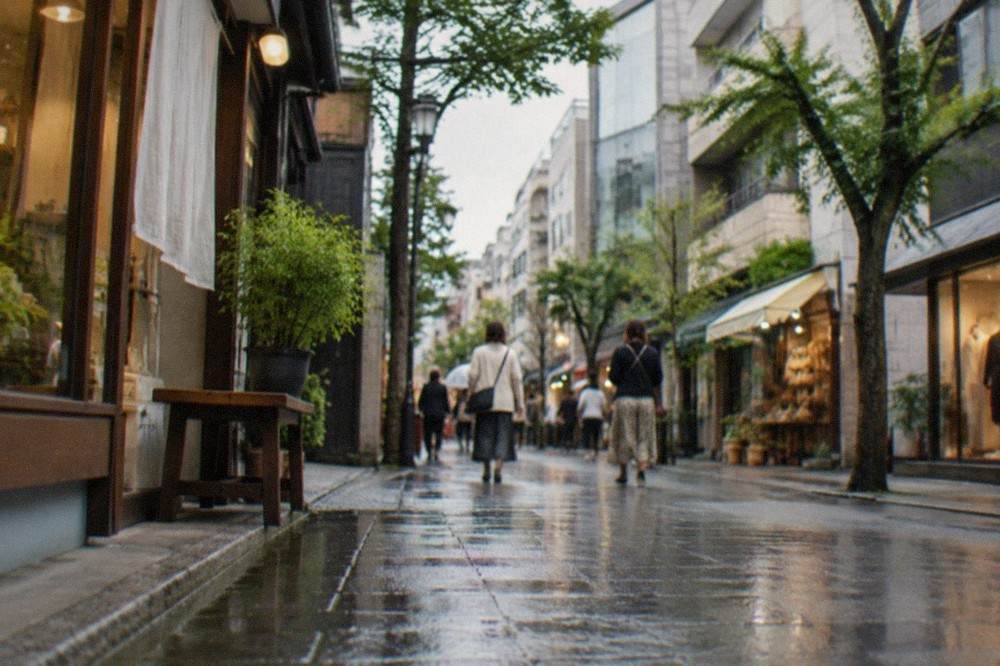
Daimyo and Imaizumi are Tenjin's independent retail quarter, a grid of low-rise streets west of the main crossing where boutiques, vintage shops, homeware stores and cafes have replaced the office blocks that surround them. Daimyo is the livelier and denser of the two; Imaizumi is quieter and more design-led. Both reward wandering with no list at all, and both are flat, compact and walkable in an hour or two.
This is the part of Fukuoka where shopping stops being about department stores and starts being about individual shops. A morning in Daimyo turns up vintage denim, small Japanese labels, kitchenware and record stores within a few blocks of each other, and the cafe culture that grew up around them makes the district work as a slow half day rather than a targeted errand. The Daimyo area guide maps the streets in detail.
Imaizumi, immediately south, skews quieter: fewer crowds, more minimal shopfronts, bakeries and small lifestyle brands. It suits shoppers who found Daimyo too busy, and it connects naturally south toward Yakuin, which carries a similar character further out. Together with Imaizumi, these districts hold most of the independent retail in the city centre, and they are the reason a Fukuoka shopping trip does not have to mean malls.
For visitors who want to come home with something they cannot buy anywhere else, a hand-painted Hakata doll is one of the strongest candidates. Hakata doll painting is a genuine local craft, the city's traditional silk-painted figures dating back centuries, and a workshop session lets you decorate your own rather than buy a finished one. A session runs about ninety minutes and suits families as well as adults.
Is the Tenjin Underground Mall Worth Visiting?
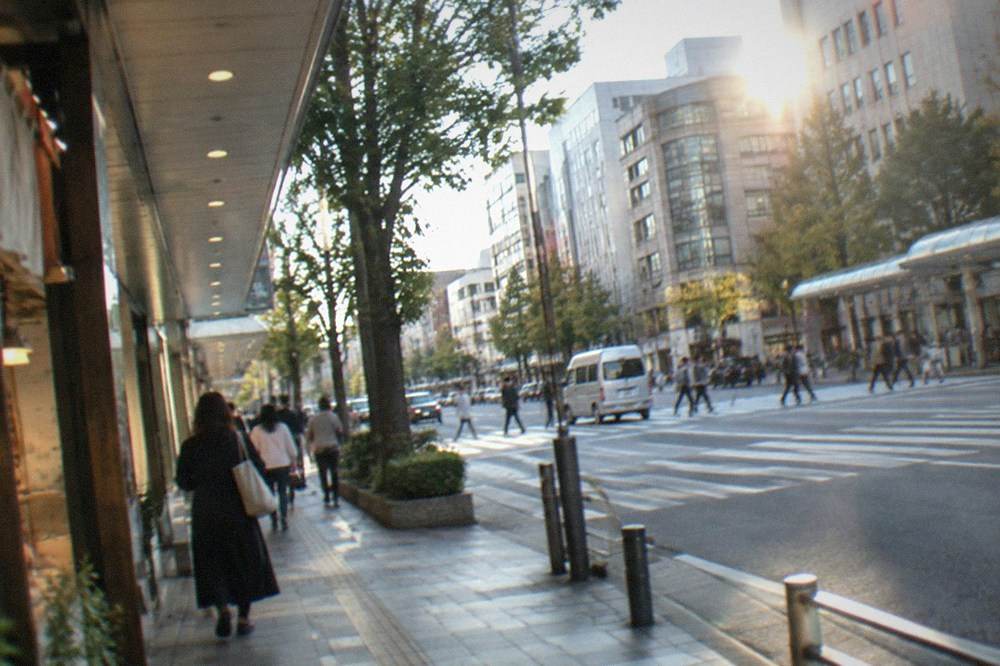
The Tenjin Underground Mall is a long network of pedestrian shopping streets beneath the Tenjin intersection, and it is worth visiting both as retail and as infrastructure. It links the district's department stores, subway entrances and bus terminals to one another without ever surfacing, which makes it the practical spine of a Tenjin shopping day and a full wet-weather substitute for the streets above. Budget an hour to walk it end to end with browsing stops.
The mall's role as connective tissue is what most first-time visitors underestimate. Arriving by subway at Tenjin, you can emerge directly into the network, walk to a department store food hall, cross to another store, and reach the bus terminal, all underground. On a July afternoon, when the city's summer heat is at its height, or during a rainy stretch in tsuyu season, that matters more than any individual shop.
Retail-wise, the mall mixes fashion, accessories, cosmetics and quick-service food, weighted toward everyday Japanese brands rather than luxury. It is a good place for practical purchases, gifts at moderate price points, and people-watching, and it stays busy with office workers at lunch and after five. The Tenjin Underground Mall guide on this site covers the layout, entrances and connections in detail.
What Souvenirs and Local Specialities Should You Buy?
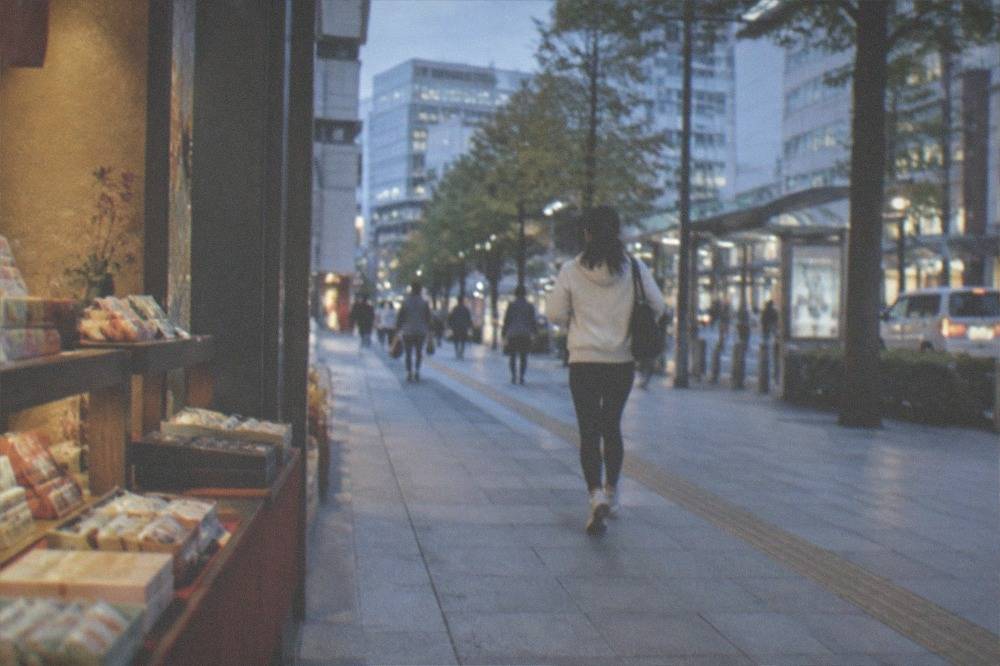
The souvenirs worth buying in Fukuoka are food first and crafts second: mentaiko, the seasoned pollock roe the city is famous for, Hakata ramen kits, sweets and tea, then hand-painted Hakata dolls and knife and textile crafts. Department store food halls in Tenjin and Canal City carry almost all of it in one stop, and Dazaifu adds its own speciality, umegae mochi, if you combine souvenir shopping with a day trip.
The table below is a planning list rather than a price list. Food halls change their stock seasonally and crafts vary by maker, so treat it as what to look for and where, and check prices in the room when you shop.
| Souvenir | What it is | Where to look |
|---|---|---|
| Mentaiko | Seasoned pollock roe, Fukuoka's signature food, sold chilled or gift-packed | Department store food halls in Tenjin, Canal City |
| Hakata doll | Traditional silk-painted clay figure, a craft registered in the city's heritage | Craft shops and galleries around Hakata and Tenjin |
| Hakata ramen kit | Dried noodles and tonkotsu soup base for making the local ramen at home | Food halls and specialty shops |
| Hakata ori textile | Woven silk fabric and small goods from a centuries-old local weaving tradition | Craft retailers in the city centre |
| Umegae mochi | Grilled mochi with sweet red bean, the speciality of Dazaifu | Dazaifu approach, on the Nishitetsu line to the shrine |
| Tea and regional sake | Yame tea and Kyushu sake, the island's strongest categories | Food halls, department store drink floors |
A note on the food gifts: anything chilled, mentaiko included, needs either same-day consumption, a freezer pack sold by the shop, or a hotel fridge. Food hall staff are used to visitors flying with purchases and will pack accordingly if asked. The packaged, shelf-stable versions of most local foods exist precisely for this reason and taste close enough to make good gifts.
If you want to build a whole day around the craft side of the souvenir list, the tea-growing region of Yame in southern Fukuoka Prefecture is the source of much of what appears in city food halls, and a guided day trip reaches the fields and a river town in one loop. It is a long day at nine and a half hours, but it turns tea from a purchase into a place you have actually seen.
How Do You Get Between Fukuoka's Shopping Areas?
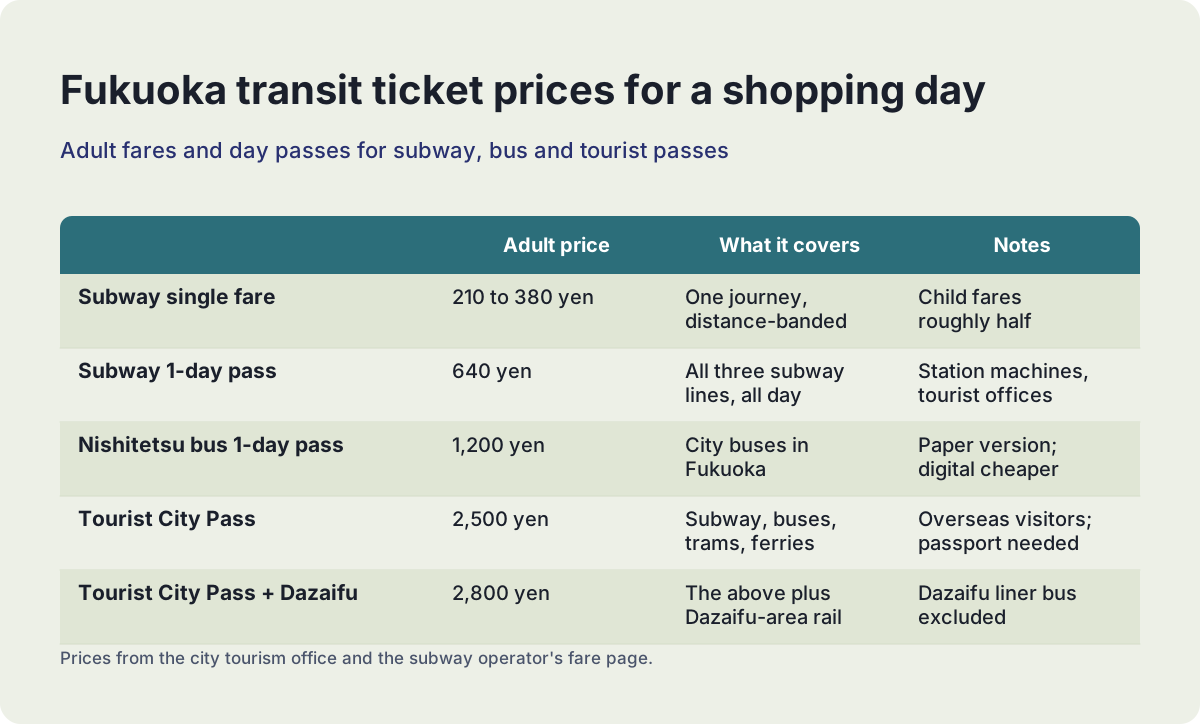
The subway is the practical answer: all three lines converge on the city centre, single adult fares run from 210 yen for up to 3 km to 380 yen at the top distance band, and a one-day pass covering every line costs 640 yen, half price for children. The Fukuoka Tourist City Pass at 2,500 yen, or 2,800 yen with Dazaifu added, covers subway, buses, trams and some ferries for a day, but only for overseas visitors on a short-stay visa, checked against a passport.
The fare structure is distance-banded, and the trips that matter on a shopping day are all short. Tenjin to the airport, which is unusually close to the centre, sits in the 3 to 7 km band at 260 yen. The subway operator's official fare page carries the full table, and the one-day pass pays for itself after roughly three rides, so it is the obvious buy on a day that hops between Tenjin, Hakata Station and Ohori Park rather than a day spent walking one district.
The Tourist City Pass is the item worth knowing about because most competing guides still quote old prices for it. The current figures, from the city's own tourism office, are 2,500 yen for the city version and 2,800 yen for the version extended to Dazaifu, and both require a passport check at the counter, which surprises visitors who assumed any traveller could buy one. If your shopping day includes the Nishitetsu train to Dazaifu for umegae mochi and the shrine approach, the extended version is the one that covers it.
| Ticket | Adult price | What it covers | Notes |
|---|---|---|---|
| Subway single fare | 210 to 380 yen | One journey, distance-banded | Child fares roughly half |
| Subway 1-day pass | 640 yen | All three subway lines, all day | Sold at station machines and tourist offices |
| Nishitetsu bus 1-day pass | 1,200 yen | City buses in Fukuoka | Paper version; digital options cheaper |
| Tourist City Pass | 2,500 yen | Subway, buses, trams, some ferries, discounts | Overseas short-stay visitors, passport checked |
| Tourist City Pass + Dazaifu | 2,800 yen | The above plus Dazaifu-area rail | Dazaifu liner bus excluded |
For anyone who would rather see the districts first and shop second, a guided bike tour covers Hakata and the central city streets in about three and a half hours. It is a surprisingly good orientation device: the geometry of Tenjin, Daimyo, the riverside and the station makes far more sense once you have ridden around its edge, and the shopping map stops being abstract.
When Is the Best Time of Year to Shop in Fukuoka?
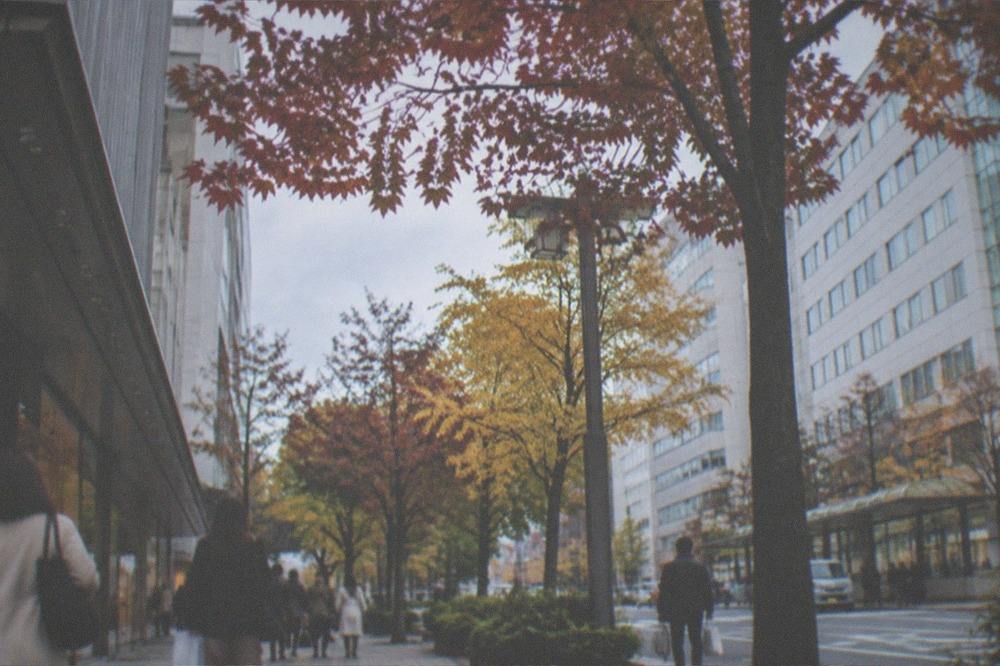
The best shopping weather runs from October into early December, when the city is cool, dry and holding its autumn colour, and the Christmas illuminations begin in November. The festivals that shape retail crowds are Hakata Dontaku on May 3 and 4 and the Hakata Gion Yamakasa events across the first half of July, when the centre is busiest and hotel rates climb. July is also, contrary to expectation, the city's wettest month.
That last point is the one worth internalising. The received wisdom is that the rainy season, tsuyu, roughly June, is the wettest stretch, but the Japan Meteorological Agency's 1991 to 2020 normals for the Fukuoka station show July at 299.1 mm against June's 249.6 mm. The trade-off is that July is also Yamakasa month, the city's defining festival, and many visitors plan around it deliberately. The Fukuoka weather guide carries the full monthly table, and the best time to visit guide weighs the seasons against everything else there is to do.
For a shopping trip specifically, the shoulders win. October and November give comfortable walking temperatures across Daimyo and Imaizumi, the illuminations that begin in November extend the effective shopping evening, and the sales windows that follow, New Year in January and the summer clearances in July and August, reward visitors who time a trip to them rather than to the weather. Anyone building a full trip around the city rather than a day of it should start with the two day itinerary and slot the shopping districts into it.
| Period | Conditions for shopping | What shapes the season |
|---|---|---|
| March to April | Cool, then blossom crowds in the parks | Late March to early April full bloom window |
| May | Mild, busy during Golden Week | Hakata Dontaku on May 3 and 4 draws huge crowds |
| June to July | Humid; July wetter than June despite expectations | Yamakasa festival July 1 to 15, summer sales begin |
| August | Hot and humid, shopping shifts indoors | Department store and mall clearances |
| October to December | The strongest stretch: cool, dry, illuminated | Illuminations from November, New Year prep |
| January | Quiet sales period after New Year | New Year sales, fresh-start gift shopping |
Should You Combine Shopping in Fukuoka with a Day Trip?
Yes, and Dazaifu is the trip that pairs most naturally with a shopping list. It is a short Nishitetsu ride from Tenjin, the shrine has no entrance fee, and the approach to the shrine is itself a shopping street, lined with shops selling umegae mochi and local crafts. The combined round trip and a mochi voucher is sold as the Dazaifu Tabi Kippu, a ticket built specifically for visitors combining sightseeing with souvenir buying.
Yanagawa, a canal town further down the same rail line, adds river boats and a different, slower kind of shopping: old-town shops, tea and pickles rather than fashion. The tea fields of Yame sit deeper into the prefecture and need a full guided day to reach. All of these are covered in the site's day trip pages, and the pattern is consistent: Fukuoka works well as a shopping base precisely because the interesting places around it also produce things worth buying.
The decision is mostly about time. If Fukuoka is a two or three day stop, the shopping districts themselves, Tenjin, Daimyo, Canal City and Hakata Station, will fill the time without help. With four or five days, one of them free for Dazaifu and Yanagawa turns a retail trip into something broader, and the food gifts you bring home will have a story attached that a department store food hall cannot supply.
How Does Fukuoka Shopping Compare with Japan's Bigger Cities?
Fukuoka is a compact, mid-scale alternative to Tokyo or Osaka rather than a rival to them: one strong department-store district, a good underground mall, an unusually complete station complex and a genuinely good independent quarter, all reachable on foot or a couple of subway stops. Prices are not dramatically cheaper, but the distances are short, the crowds thinner, and a full day of varied shopping needs no planning at all.
The honest comparison is about efficiency. In Tokyo, a shopping day means choosing between districts an hour apart. In Fukuoka, the equivalent choice is a ten minute ride or a walk, which is why a visitor can do department stores in the morning, Daimyo at lunch, Canal City in the afternoon and the station complex before dinner, and still be sitting at a yatai stall by eight. The Fukuoka food guide and the nightlife guide pick up the day from exactly that point.
What Fukuoka lacks is depth in any single category. Luxury flagship stores, the biggest vintage scenes and the deepest selection of international brands all sit in the larger cities, and anyone shopping for a specific hard-to-find item may be disappointed. What it does better than almost anywhere is the combination of a complete, walkable retail city with a local culture that is easy to reach and easy to enjoy between purchases. This site, Fukuoka Japan Travel Guide, exists largely because that combination keeps surprising first-time visitors who expected a provincial city and found one of Japan's most liveable downtowns.
If a guided element would help anchor the trip, these three options cover the city itself, a hands-on local craft, and a full-day excursion into the prefecture behind the shops.
Common Questions About Shopping in Fukuoka
What Is Tenjin, Fukuoka Known For When It Comes To Shopping?
Tenjin is Fukuoka's department-store district and the commercial centre of the city. It combines several full-scale department stores with an extensive underground mall, and the independent boutiques of Daimyo and Imaizumi sit immediately to its west and south. It is the natural base for a shopping day, and the subway connects it to Canal City, Nakasu and Hakata Station in a few minutes at fares from 210 to 380 yen.
Can you do all your souvenir shopping in one place in Fukuoka?
Largely, yes. The food halls of Tenjin's department stores and Canal City Hakata carry mentaiko, ramen kits, sweets, tea and sake, which covers most food gift lists in a single stop. Hakata dolls and textiles need a craft shop or gallery, and Dazaifu's umegae mochi needs the trip to Dazaifu itself, since it is a fresh grilled speciality rather than a packaged gift.
Is shopping in Fukuoka cheaper than in Tokyo?
Not dramatically. Prices for the same goods are broadly similar across Japan, and this site's cost comparisons do not support a claim of a significant price gap for retail. What Fukuoka offers instead is efficiency: the districts are close together, so a varied shopping day costs far less in time and transport, with a 640 yen subway day pass covering every line.
What is the best transport pass for a shopping day in Fukuoka?
For shopping only within the city centre, the subway one-day pass at 640 yen adult is usually enough and pays off after about three rides. The Fukuoka Tourist City Pass at 2,500 yen covers subway, buses, trams and some ferries, plus attraction discounts, and the 2,800 yen version adds Dazaifu, but both are restricted to overseas visitors on a short-stay visa and require a passport at purchase.
Are shops in Fukuoka open on Sundays and holidays?
Mostly, yes. Canal City Hakata is open every day of the year with shops from 10:00 to 21:00 and restaurants from 11:00 to 23:00, and department stores generally trade through weekends. Individual boutiques in Daimyo and Imaizumi set their own schedules and some close one weekday, so a shopping day built on independents should stay flexible.
Where should you stay to be close to the shopping?
Tenjin puts the department stores and underground mall on your doorstep; Hakata Station puts a complete station complex and Canal City within easy reach. The trade-off between the two is covered in this site's guide to where to stay, and both work, since the subway fare between them is only 210 to 260 yen.