Tenjin Underground Mall
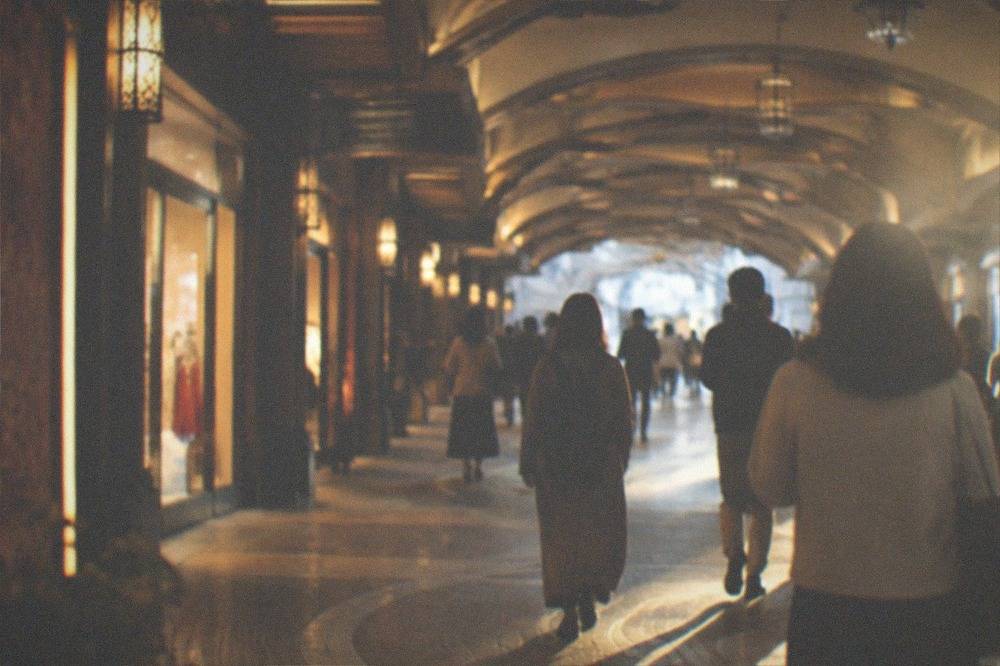
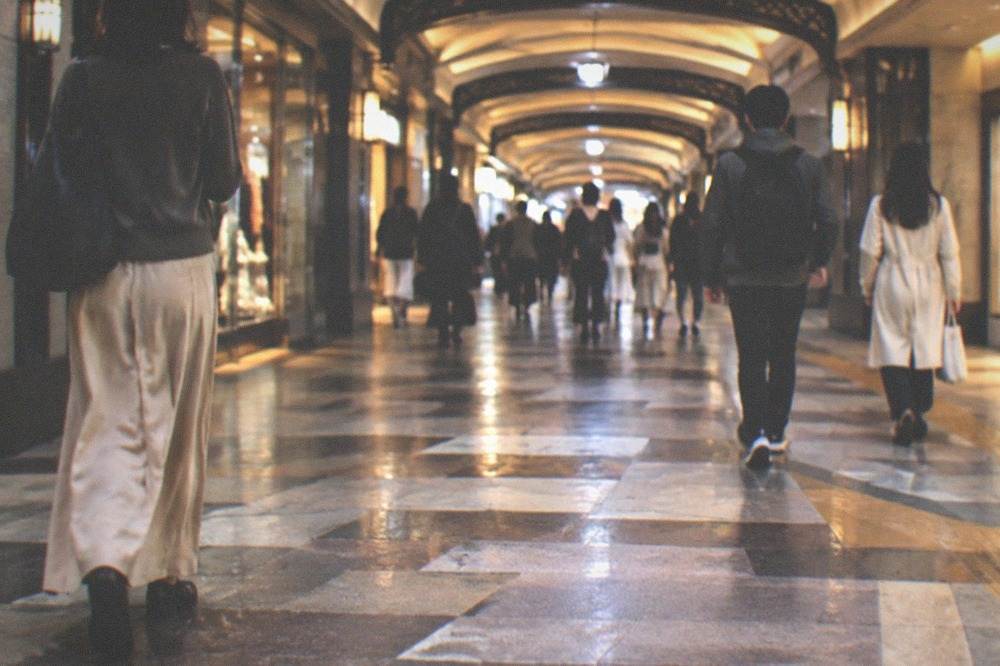
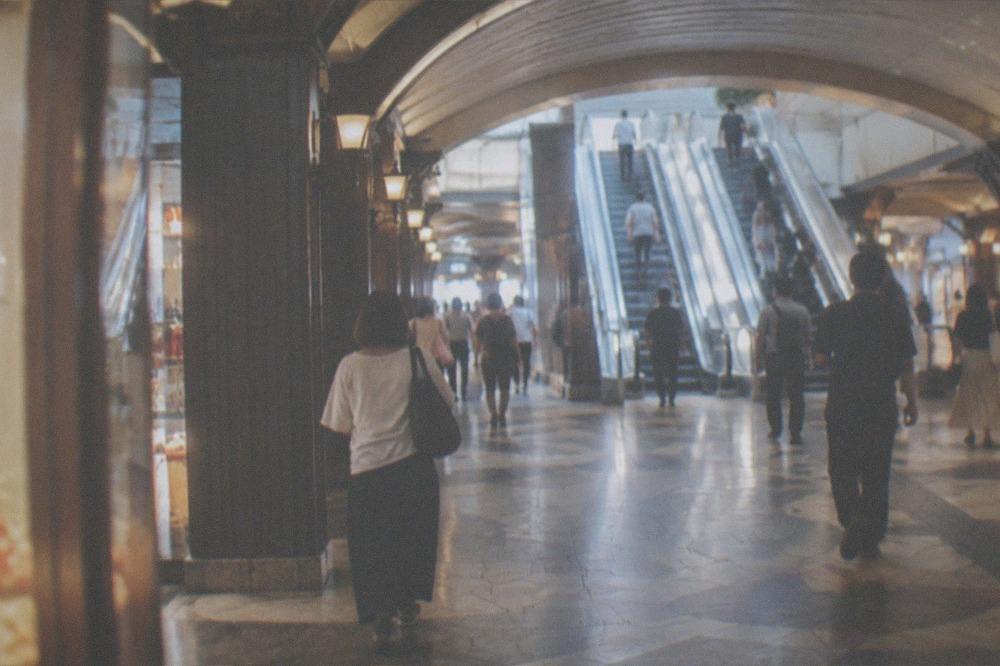
The covered concourse beneath Tenjin links Fukuoka's busiest rail, subway, and shopping streets in one weatherproof network.
Short answer
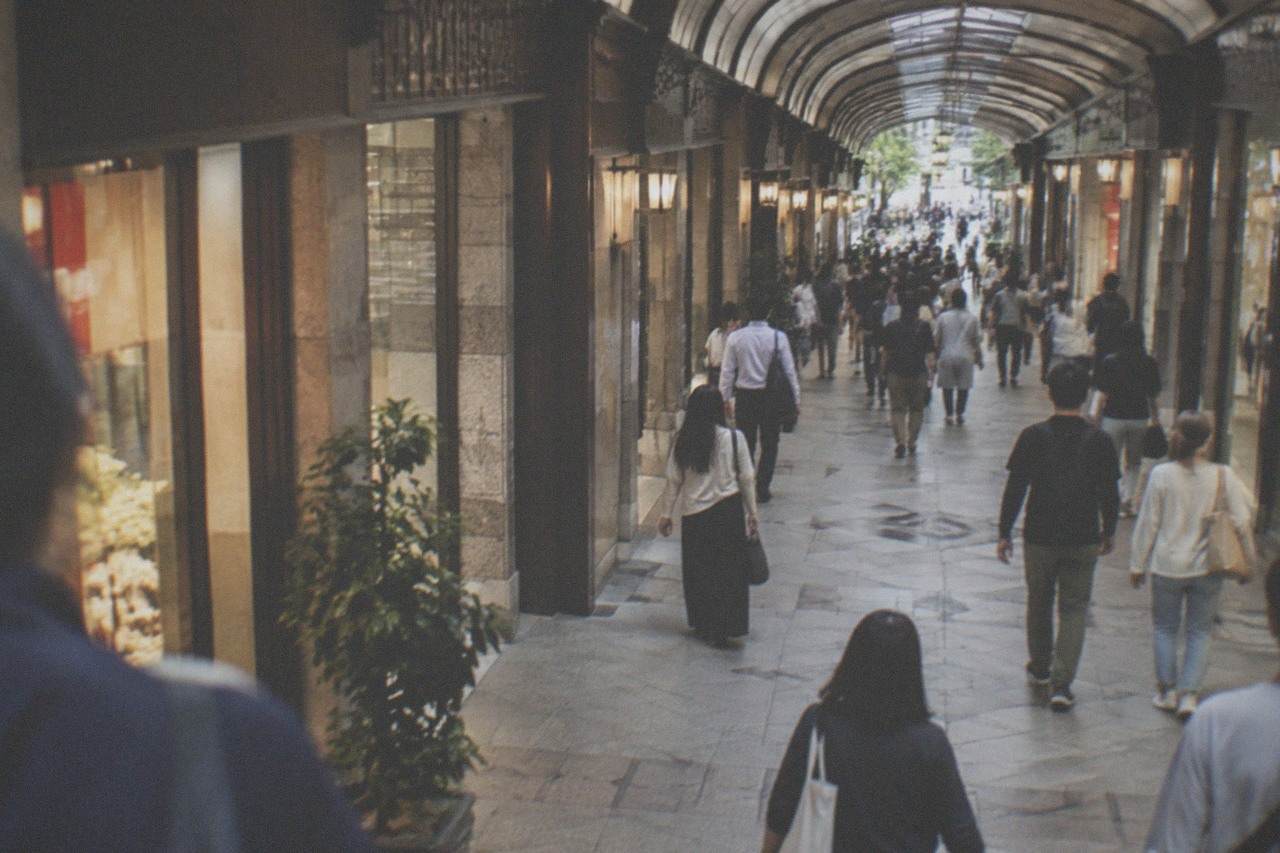
Tenjin Underground Mall is the covered retail and transit concourse beneath central Tenjin, linking Nishitetsu Fukuoka Station, the city subway, and surrounding department stores and arcades. It is known for weatherproof shopping, food halls, and direct access to Tenjin's wider commercial district. A subway one-day pass costs ¥640.
Tenjin is Fukuoka's central business and entertainment district, and the underground mall below it works as the connective tissue between the busiest rail, subway, and shopping corridors in the city. Rather than a single self-contained shopping centre, the underground network links Nishitetsu Fukuoka Station, the city subway, and the surrounding department stores, food halls, and arcades. It is also one of the easiest places in Fukuoka to stay dry when summer rain or winter wind arrives.
Where Is Tenjin Underground Mall?
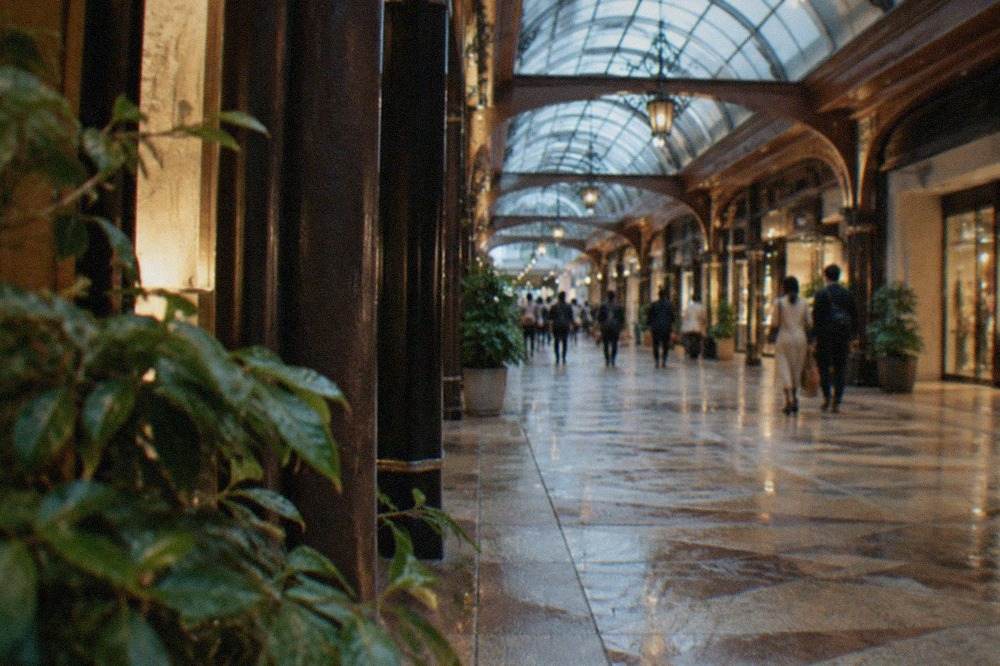
Tenjin Underground Mall sits beneath the central Tenjin district, stretching around the Nishitetsu Fukuoka Station and Tenjin subway station complex. It is not a standalone building but a series of underground passages and retail concourses that connect the rail, subway, and bus hubs with the department stores and shopping streets above. This is central Fukuoka, on the western side of the city centre, and it is part of the same continuous metropolitan area as Hakata.
Tenjin is the commercial heart of Fukuoka, and the Tenjin district above the underground mall mirrors that role at pedestrian level. The area above ground is already dense with department stores, office towers, and entertainment, so the concourse doubles as a pedestrian route that bypasses traffic and weather. For visitors staying or shopping in the district, the mall is less a destination than a covered spine running between the main buildings.
For anyone using this Fukuoka Japan Travel Guide to plan a first visit, the simplest way to picture the area is that Hakata and Fukuoka are the same city. Hakata is the ward and the station; Tenjin is the city's main commercial precinct a short distance away. The two are connected by subway and by a single continuous urban core, so choosing between them is a question of hotel location, not of moving between separate destinations.
Because the mall is embedded in the station complex, it can feel less like a single named attraction and more like a continuous lower floor of the whole district. That is exactly why it appears in almost every Fukuoka itinerary: it removes the distinction between transit and shopping. You can arrive at Nishitetsu Fukuoka Station, buy coffee, cross underground to a department store, and leave without ever seeing the street. That convenience is the core of what makes the area tick, and it also means first-time visitors often only realise they have been in the mall when they check a station exit sign.
How Do You Get to Tenjin Underground Mall?
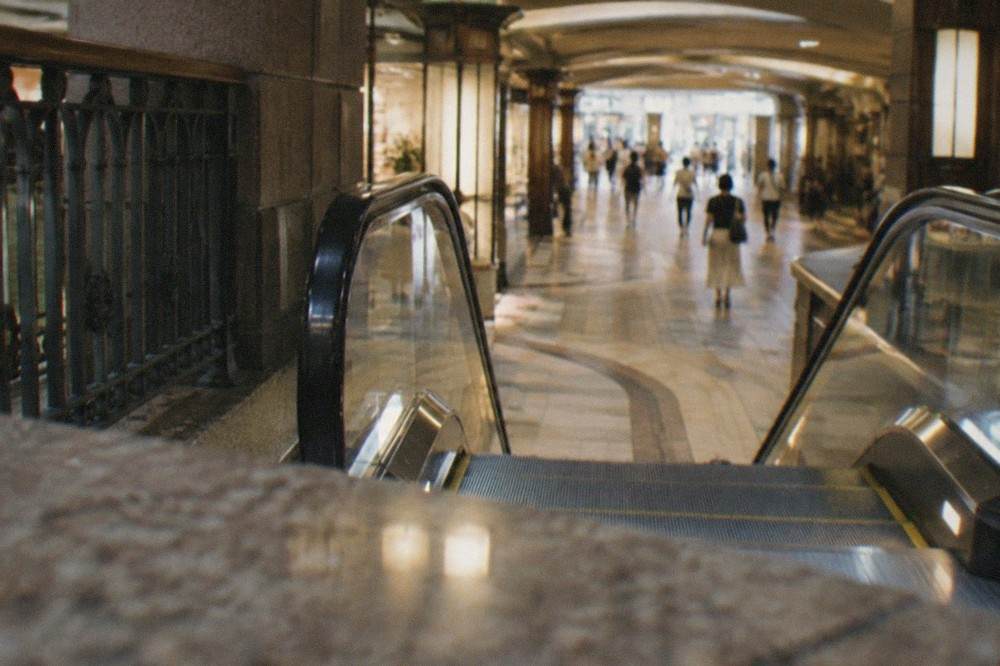
The easiest access is by subway or private railway. Fukuoka City Subway's Kuko Line stops at Tenjin, and the fare from Fukuoka Airport to Tenjin is ¥260. Nishitetsu Fukuoka Station also feeds directly into the underground concourse, making this the main junction for city and regional travel. A subway one-day pass costs ¥640, and the Fukuoka Tourist City Pass costs ¥2,500 for the city version or ¥2,800 with Dazaifu.
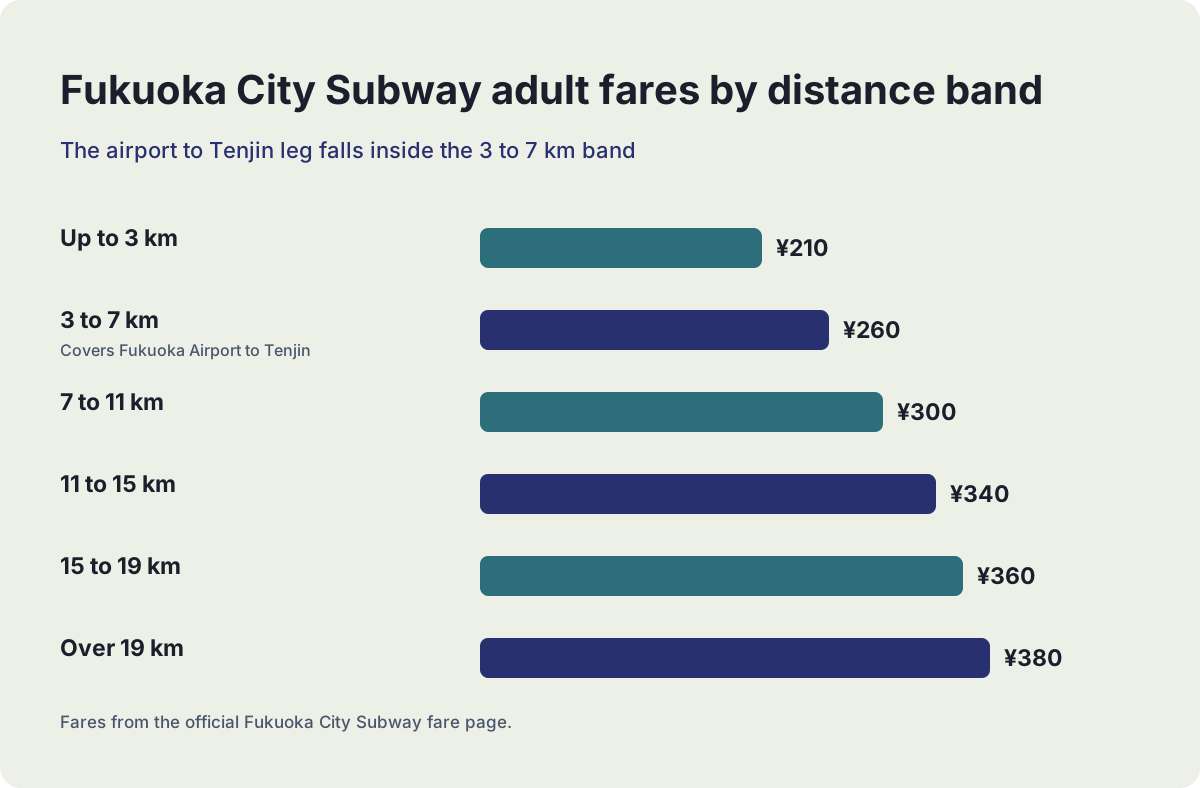
Fukuoka City Subway runs three lines, and Tenjin sits on the Airport Line between Meinohama and Fukuoka Airport. The city publishes its fare table on the official subway fare page, with adult fares starting at ¥210 and rising through distance bands. The airport to Tenjin leg falls inside the 3 to 7 km band, which is why the ¥260 fare appears consistently across the network.
| Subway distance band | Adult fare |
|---|---|
| Up to 3 km | ¥210 |
| 3 to 7 km | ¥260 |
| 7 to 11 km | ¥300 |
| 11 to 15 km | ¥340 |
| 15 to 19 km | ¥360 |
| Over 19 km | ¥380 |
A subway one-day pass costs ¥640 for adults and ¥320 for children, and it is sold at station ticket machines and the customer service centres at Tenjin, Hakata, and Fukuoka Airport. The pass covers all three subway lines for the full operating day. For overseas visitors who want a broader ticket, the city-run Fukuoka Tourist City Pass page shows a city version at ¥2,500 and a city plus Dazaifu version at ¥2,800, both restricted to short-stay overseas tourists with a passport check at the counter.
| Pass | Adult price | What it covers | Who can buy |
|---|---|---|---|
| Subway one-day pass | ¥640 | All three Fukuoka City Subway lines for one day | Anyone at station machines and offices |
| Fukuoka Tourist City Pass | ¥2,500 | Subway, buses, trains and ferries in Fukuoka city | Short-stay overseas tourists with passport |
| Fukuoka Tourist City Pass with Dazaifu | ¥2,800 | City coverage plus Nishitetsu travel to Dazaifu | Short-stay overseas tourists with passport |
Nishitetsu Fukuoka Station is the other anchor of the underground mall, and it is the main terminal for the Nishitetsu Tenjin Omuta Line. The station complex also includes bus access, so the underground concourse works as a covered interchange rather than a dead-end shopping centre. For details on using the private railway, see Nishitetsu in Fukuoka.
From Fukuoka Airport, the Airport Line runs through Tenjin toward Meinohama, and the ¥260 fare is the same whether you continue from the airport to Tenjin or get off at Hakata on the same line. The airport is unusually close to the city centre, which is one reason Tenjin feels immediately connected to the rest of the region. Travellers should not expect a JR Fukuoka Station; the main JR interchange is Hakata Station, while Tenjin is the private railway and subway anchor.
Nishitetsu lines from the underground complex open up Dazaifu and Yanagawa to the south, and the city pass with Dazaifu extension is the simplest single-ticket way to use that connection. Regional JR travel, including the Kyushu rail network, departs from Hakata Station, not Tenjin, so travellers mixing a shopping day with a Shinkansen day will still use both hubs. The two are one subway ride apart, and the choice between staying in Hakata or Tenjin is more about hotel style than about travel time.
What Is Tenjin Underground Mall Known For?
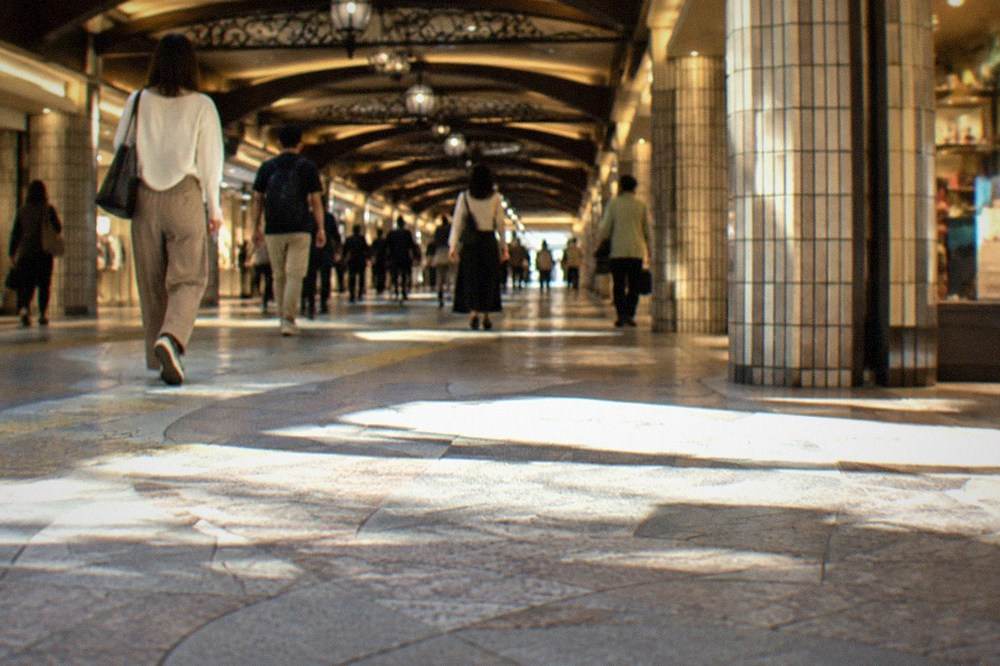
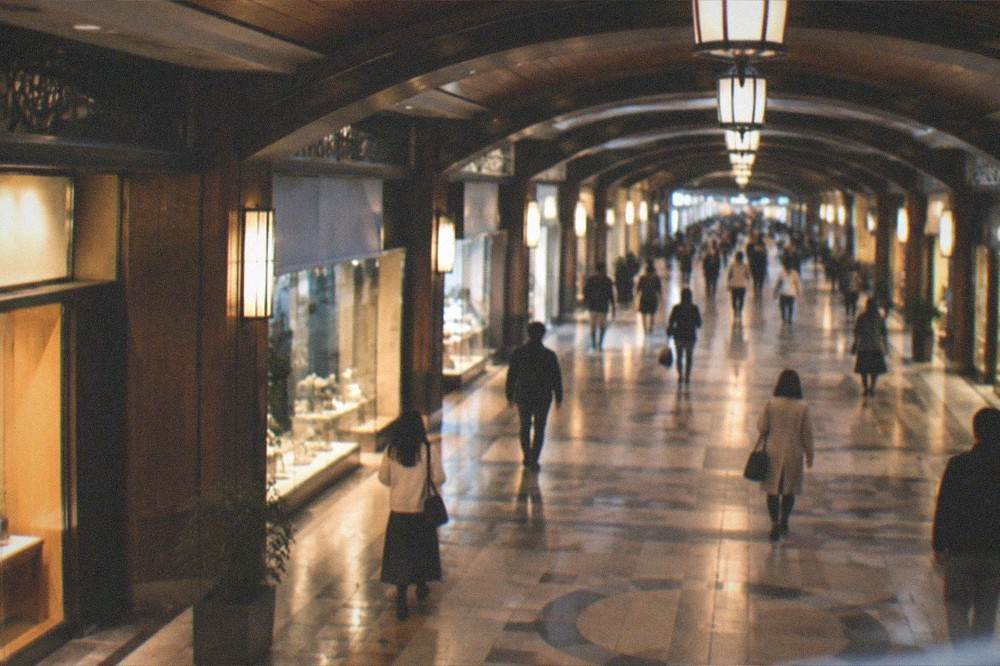
The mall is best known for being a covered, weatherproof shopping concourse that connects Nishitetsu Tenjin Station and the city subway to Fukuoka's densest retail district. Visitors use it as a navigation shortcut, a food stop, and a way to cross busy streets without waiting at lights. It is also the natural starting point for exploring Tenjin's department stores, arcades, and nightlife.
The mall matters most when the weather turns. Fukuoka's climate records from the Japan Meteorological Agency show July is the city's wettest month, with 299.1 mm of rain, ahead of June's 249.6 mm. That makes an underground route through Tenjin more useful than it might look on a dry day, especially during the summer festival season and the July to October typhoon window.
June is Fukuoka's rainy season month in popular memory, but the JMA normals show July actually receives more rain. That counterintuitive fact matters when planning a mall visit, because the Yamakasa festival crowds in July coincide with the city's heaviest downpours. The underground concourse is not just a shopping arcade; it is a dry alternate route through the festival crowds and sudden showers. In the July to October typhoon window, when rain bands can arrive without much notice, the mall and the connected station become the easiest way to keep a plan intact.
Above the concourse, Fukuoka's shopping district spreads through department stores, arcades, and side streets. The underground level is not a replacement for that; it is the connective layer. One practical way to make sense of Tenjin and Hakata after leaving the mall is a guided bike ride, which covers the central districts and the bay side at a manageable pace.
What Can You Do Around Tenjin Underground Mall?
Around the underground mall, Tenjin's surrounding streets hold most of the district's department stores, food halls, arcades, and small shops. The neighbourhoods of Daimyo, Imaizumi, and Kego sit within walking distance, each with a different retail and dining character. Nakasu, across the river, adds the yatai stalls and nightlife for which central Fukuoka is famous.
The Daimyo area, just southwest of Tenjin, is the district's independent shopping pocket, with smaller fashion and design shops that feel calmer than the department stores. Imaizumi and Kego add restaurants, cafés, and quieter side streets, while Nakasu runs along the Naka River with yatai stalls that are best visited on foot at night. The underground mall is the convenient central point between all of them.
A Hakata guided bike ride is one of the easiest ways to cover both the Tenjin and Hakata sides of the centre without losing time to crosstown transit. The route links the commercial and bay districts, which helps visitors understand why locals treat Tenjin and Hakata as one continuous city rather than two stops. For independent cyclists, the same route logic applies, though the guided option removes the need to store a bike or plan parking.
For a slower cultural pause after shopping, a tea ceremony with maiko offers a compact introduction to Fukuoka's traditional side. The ceremony usually runs about an hour and fits easily into a day that starts in the underground mall and then moves into the surrounding streets. Cultural activities like this are bookable through the operator's live listing, and they give the day a shape beyond retail and transit.
The underground mall itself is free to walk and acts as the district's covered front door. Individual shops and food halls set their own hours, and the department stores above the concourse often open later than the surrounding cafés. One practical note from the city's yatai rules applies once you leave the mall: licensed yatai are required to display their prices openly, so a riverfront meal near Nakasu does not come with a surprise bill. The stalls are walk-in operations, not reservations, so there is no need to book a counter seat.
Which Stations and Lines Connect to Tenjin Underground Mall?
Tenjin Underground Mall is the common lobby for several separate transport operators that meet under the same few blocks. The Fukuoka City Subway Airport Line and Nanakuma Line stop at Tenjin, while Nishitetsu runs its Tenjin Omuta Line from the adjoining station. Above it, the Nishitetsu bus terminal and street-level bus lanes serve local routes and the Dazaifu Liner Bus.
The subway's Airport Line is the main east to west connection through the city, linking Meinohama, Tenjin, Hakata, and Fukuoka Airport. The Nanakuma Line, which runs from Hashimoto to Hakata, crosses at Tenjin Minami Station, another access point to the same underground network. Visitors should not confuse the two Tenjin stations; they are a short underground walk apart and both feed the same concourse.
| Facility | Main line or service | Connection |
|---|---|---|
| Tenjin Station | Fukuoka City Subway Airport Line | Meinohama to Fukuoka Airport |
| Tenjin Minami Station | Fukuoka City Subway Nanakuma Line | Hashimoto to Hakata |
| Nishitetsu Fukuoka Station | Nishitetsu Tenjin Omuta Line | Tenjin to Omuta, Dazaifu, Yanagawa |
| Nishitetsu Tenjin Bus Terminal | Local and regional buses | Dazaifu Liner Bus and city routes |
Nishitetsu Fukuoka Station is the main private railway terminal in Tenjin, and it is the gateway to Dazaifu by train. The Dazaifu day trip uses the Nishitetsu line south to Dazaifu, and the city pass with Dazaifu extension makes that journey simple without buying multiple tickets. The Dazaifu Liner Bus also departs from near the underground complex, although the Fukuoka Tourist City Pass excludes it, so travellers using the pass should stay with the Nishitetsu train.
For visitors arriving from [Fukuoka Tower](/attractions/fukuoka-tower/) or Ohori Park, the subway brings them into Tenjin without changing lines. That makes the underground mall a natural end point after a morning in the park or a late afternoon at the tower. The same logic works in reverse: start in Tenjin, then ride the subway to Ohori, Momochi, or Hakata without returning to street level.
The compact nature of central Fukuoka means few visitors need a bus beyond the airport or Dazaifu routes, but the bus terminal sits directly above the underground mall. Passenger loads vary by time of day, and the city's official transit pages list current routes. For route planning on the private railway, see the Nishitetsu guide.
What Is the Difference Between Tenjin and Hakata?
Tenjin and Hakata are not two cities and not rival districts in the way travellers sometimes compare two major tourism hubs. Hakata is a ward of Fukuoka and the name of the city's main JR station, while Tenjin is the downtown commercial precinct. Choosing between them is usually a hotel decision, not a choice between separate destinations or day trips.
The distinction matters because many first-time visitors search for travel from Fukuoka to Hakata, or from Hakata to Tenjin, as though they were moving between two places. They are parts of the same city, joined by a short subway hop. That is the single most common correction in a good Fukuoka guide, and it changes how a traveller plans the day.
| Consideration | Tenjin | Hakata |
|---|---|---|
| Character | Commercial, shopping, entertainment | Station area, transport hub, older shrine district |
| Main station | Nishitetsu Fukuoka and subway lines | JR Hakata, Shinkansen, subway interchange |
| Walkable nightlife | Daimyo, Imaizumi, Kego, Nakasu near the river | Canal City, Hakata Station restaurants, Nakasu edge |
| Hotel style | Boutique and downtown stays | Business hotels and easy rail access |
For most visitors, the better question is whether to stay in Hakata or Tenjin. The underground mall tips the practical scale slightly toward Tenjin for shoppers, because it adds a weatherproof layer to the daily routine. Hakata Station has its own covered routes and shops, but the district around it feels more oriented to rail connections and station commerce. Neither side is wrong; they simply serve different rhythms.
A two day itinerary can use both without backtracking, with one day around Hakata's shrines and station area and another around Tenjin and the underground mall. That is how locals and returning visitors treat the city: one area, two anchors.
When Is the Best Time to Use Tenjin Underground Mall?
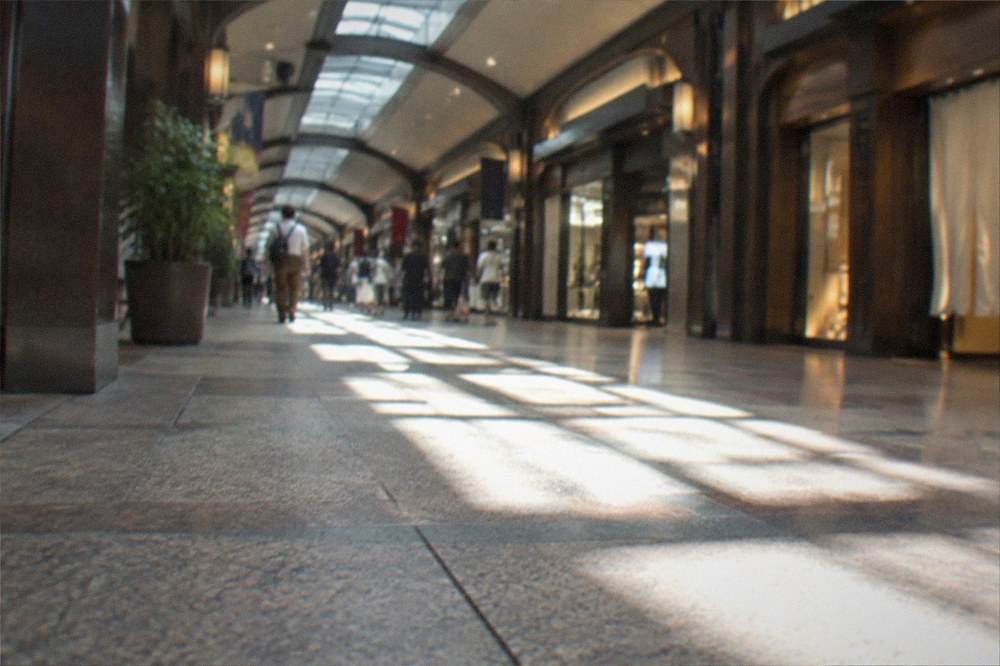
The best time to use the underground mall is whenever heavy rain or summer heat makes street-level walking unpleasant. July is Fukuoka's wettest month with 299.1 mm of rain, ahead of June's 249.6 mm, so the covered concourse earns its keep during the Yamakasa festival and the July to October typhoon window. Early autumn and late spring are the easiest seasons for combining the mall with outdoor walking.
Climate data from the Japan Meteorological Agency normals for Fukuoka show the wet and hot pattern clearly. The July and August figures matter most for mall planning, because those are the months when a covered route changes the shape of a day. A June visitor deals with tsuyu rain, but July often arrives with heavier totals and bigger crowds in the same week.
| Month | Daily maximum °C | Rain mm |
|---|---|---|
| June | 27.2 | 249.6 |
| July | 31.2 | 299.1 |
| August | 32.5 | 210.0 |
October and May are the easiest months to use the mall as a starting point rather than a refuge. The weather supports longer street walks, and the underground concourse becomes a quick through route instead of the day's main shelter. Winter is mild enough for walking, but January and February mornings can feel cold after sunset, so the underground route remains useful for evening crossings.
For a full day away from the city after a morning in the mall, the Yame tea fields and Yanagawa river boat trip leaves from central Fukuoka. The route spends more time outside the city than a typical Tenjin shopping itinerary, and it pairs well with a first day spent learning the underground network. Tea fields and a river boat add a quieter, older Kyushu rhythm to a trip centred on a modern shopping concourse.
The same logic applies to any Dazaifu tour: use Tenjin's underground mall as the covered launch point, then spend the day on the Nishitetsu line south. For context on the wider island, what Kyushu is best known for helps position Fukuoka's shopping districts inside a larger regional picture. After returning to Tenjin, the mall is still there as the fastest route from platform to dinner.
Common Questions About Tenjin Underground Mall
What Is Tenjin Underground Mall Known For?
It is known as the covered transit and shopping concourse beneath central Tenjin, linking Nishitetsu Fukuoka Station and the city subway to Fukuoka's biggest commercial district. Visitors use it for weatherproof shopping, food halls, and fast pedestrian access between department stores and yatai areas.
How do I get from Tenjin to Hakata?
Take the Fukuoka City Subway Airport Line. Tenjin and Hakata are a short ride apart on the same urban line, and the fare falls in the city's 3 to 7 km zone at ¥260. The two are parts of the same city, not separate destinations.
Is Tenjin Underground Mall free to enter?
The underground passages are part of the station and shopping concourse, so there is no gate or admission fee to walk them. Individual shops, food halls and department stores charge for their goods, and store hours vary by tenant.
Is it better to stay in Tenjin or Hakata?
Tenjin suits shoppers and nightlife, with Daimyo, Imaizumi, Kego and Nakasu nearby. Hakata suits rail connections, with JR Hakata Station and the Shinkansen immediately at hand. Both work well; the choice depends on whether the trip leans shopping or long-distance travel.
Which station is closer to Fukuoka Airport?
Both Tenjin and Hakata are on the Airport Line. The fare from Fukuoka Airport to Tenjin is ¥260, and the airport sits unusually close to the city centre. From Hakata, the same ¥260 fare applies on the same line.
Does Tenjin Underground Mall close during heavy rain?
The covered concourse is designed as an all-weather route and remains useful during rain. Individual shops keep their own hours, but the mall's function as a dry pedestrian connection does not depend on a single opening time.