Yakuin
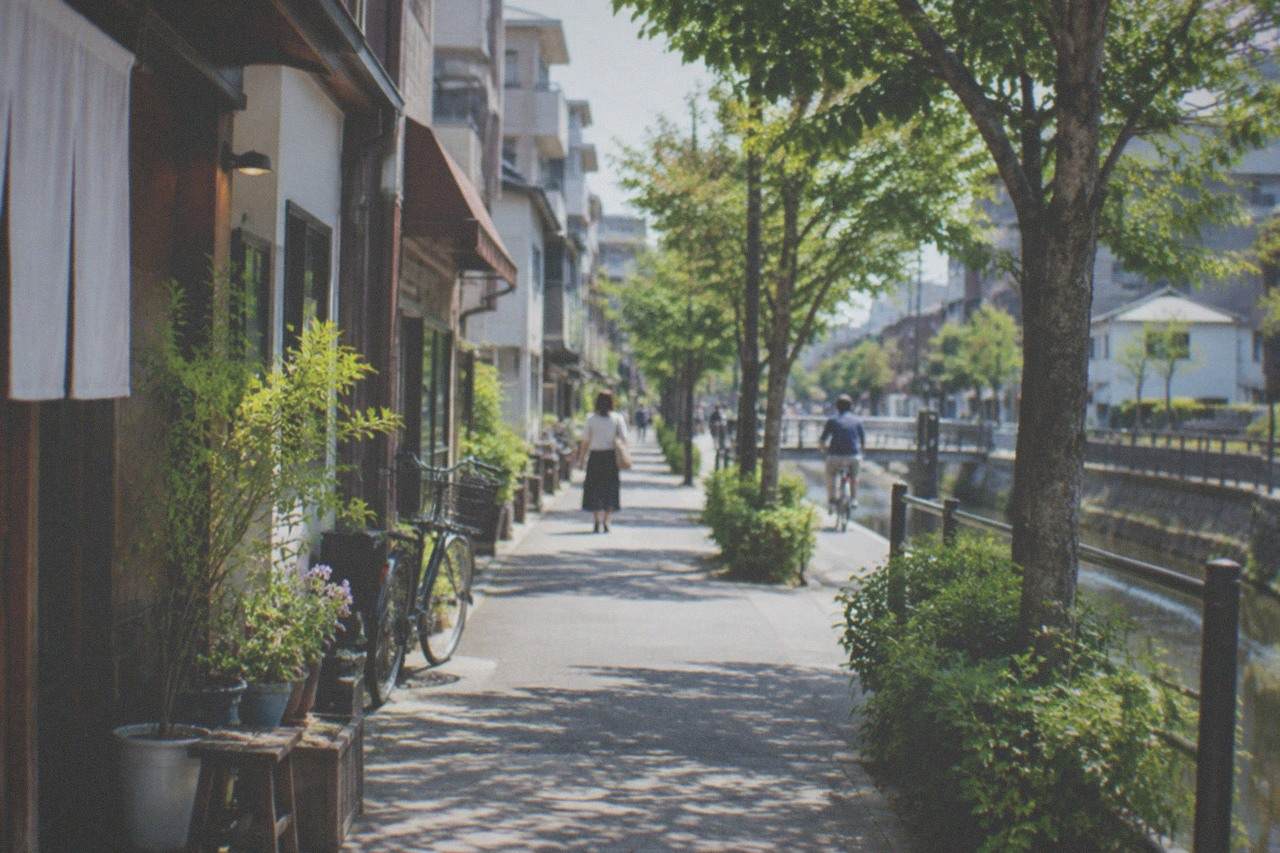
Yakuin is the low-rise district that begins where Tenjin's department stores run out, a place of clinics, independent cafes and small restaurants that most visitors walk through without ever naming. Naming it is worth the effort, because it is one of the most liveable corners of central Fukuoka and an easy add-on to any city itinerary.
Short answer
Yakuin is known as Fukuoka's clinic district, a name earned by the dense concentration of medical and dental practices along its main streets. Around that core it has grown into one of the city's best areas for independent cafes, small restaurants and relaxed evening drinking spots, all within a short walk or one train stop of Tenjin.
Yakuin sits directly south of Tenjin, and the walk between the two takes under fifteen minutes along Watanabe-dori, the broad avenue that runs the length of the district. Most first-time visitors never learn its name, because nothing about it announces itself: there is no famous temple, no headline attraction, no festival of its own. What there is, in unusual density, is the everyday machinery of a city district done well, which in Fukuoka means good coffee, small kitchens, and a street life that keeps going after the department stores close. This guide covers what Yakuin is actually known for, how the district is laid out, and how to fold it into a visit that also takes in Tenjin and Daimyo.
What Is Yakuin Known For?
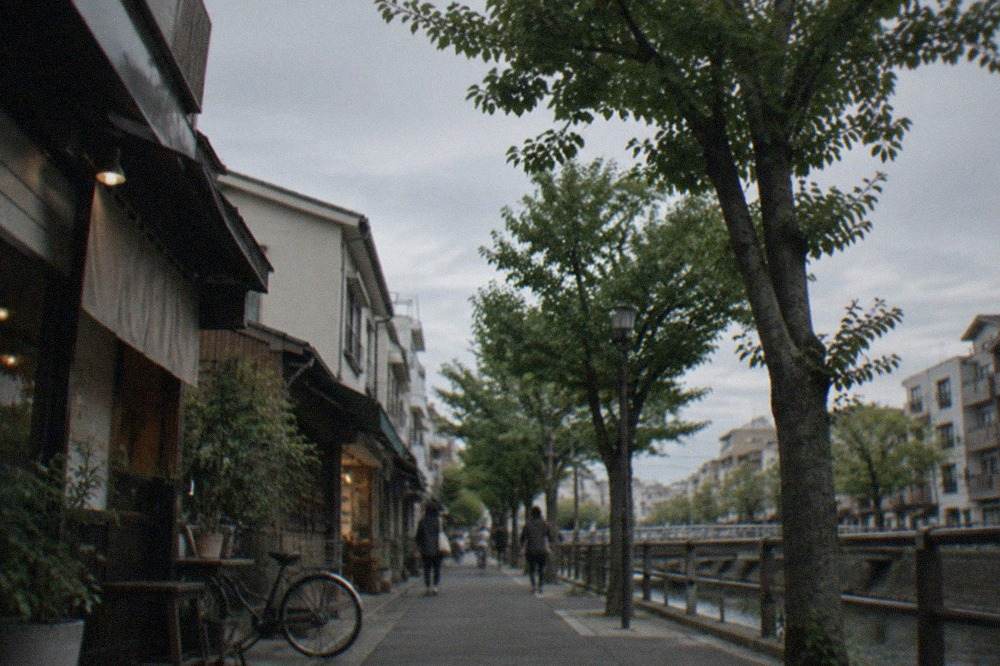
Yakuin is best known as Fukuoka's clinic district, a strip south of Tenjin where medical and dental practices cluster so densely that the area's name has become shorthand for check-ups and specialist appointments across the city. The second thing it is known for, and the reason travellers end up here, is food and drink: the streets around Yakuin station hold some of central Fukuoka's densest collections of independent cafes, small dinner spots and standing bars, all priced for locals rather than visitors.
The clinic concentration is not a coincidence or a marketing story. When Fukuoka's postwar growth pushed the city southward from the Hakata side toward Tenjin and beyond, doctors and dentists settled along the wide, well-connected streets where patients from the surrounding wards could reach them easily, and the district consolidated around that trade over decades. The result is a part of the city where the daytime population is genuinely local: people arriving for appointments, running errands, eating lunch where they always eat lunch. That is precisely why the restaurants survive at neighbourhood prices, and why a visitor eating here is eating where the city eats on an ordinary Tuesday.
The second identity grew up around the first. Watanabe-dori and the side streets running off it filled with the kind of places that serve a lunchtime crowd of office workers and clinic staff: compact kitchens, counter-only ramen shops, kissaten-style coffee houses, and in recent years a wave of speciality coffee roasters that has made the district a destination in its own right. Fukuoka's coffee culture runs deep, and Yakuin is one of its strongest neighbourhoods, a point covered in more depth in the Fukuoka coffee and cafes guide.
A useful framing for planning: Tenjin is where Fukuoka shops, Daimyo is where it lingers, and Yakuin is where it lives. The three run into each other with no obvious boundary, and a walk that starts at Tenjin station and ends somewhere south of Yakuin station is one of the better two-hour introductions to the city that costs nothing at all.
Where Is Yakuin, and How Do You Get There?
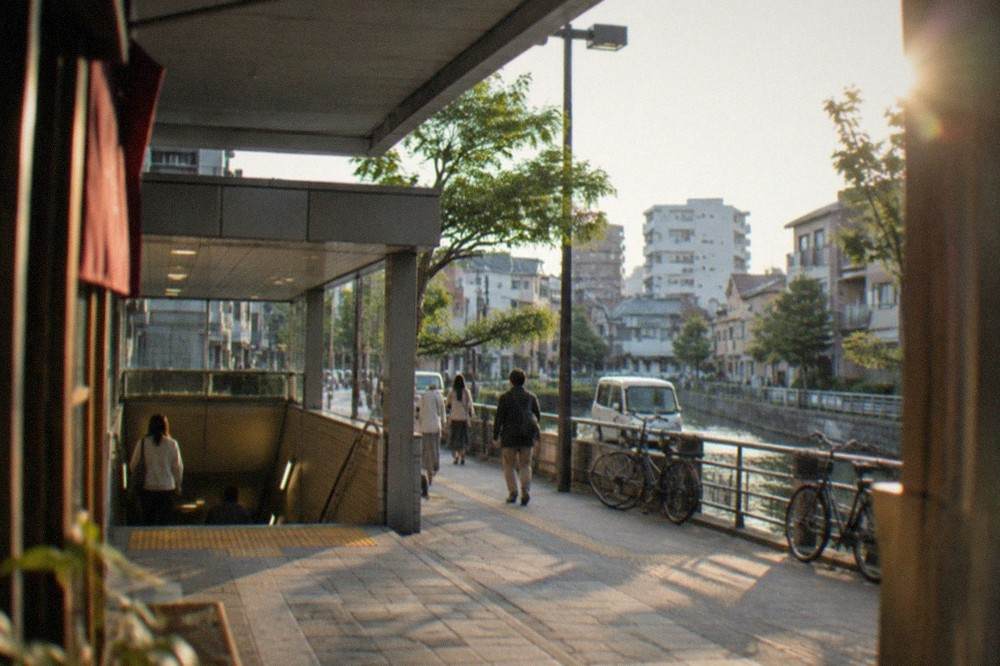
Yakuin sits immediately south of Tenjin in central Fukuoka, strung along Watanabe-dori between the Tenjin commercial core and the residential streets that climb toward Aburayama to the south. Two separate railway stations serve it: Yakuin on the Nishitetsu Tenjin Omuta Line, one stop from Nishitetsu Fukuoka (Tenjin), and Yakuin on the city subway's Nanakuma Line, which runs from Hashimoto to Hakata. On foot it is a straightforward walk of well under half an hour from the middle of Tenjin.
The dual-station setup is the single most useful thing to understand before arriving, because the two Yakuin stations are not the same station and are not even particularly close to each other. The Nishitetsu one, the older and busier of the pair, sits on the eastern side of the district and is the stop you want for the clinic strip and the densest restaurant blocks. The subway's Nanakuma Line station of the same name sits further west, and the Nanakuma Line's route through the area is what connects Yakuin to Hakata station without a transfer, a genuinely handy link for anyone staying on the Hakata side.
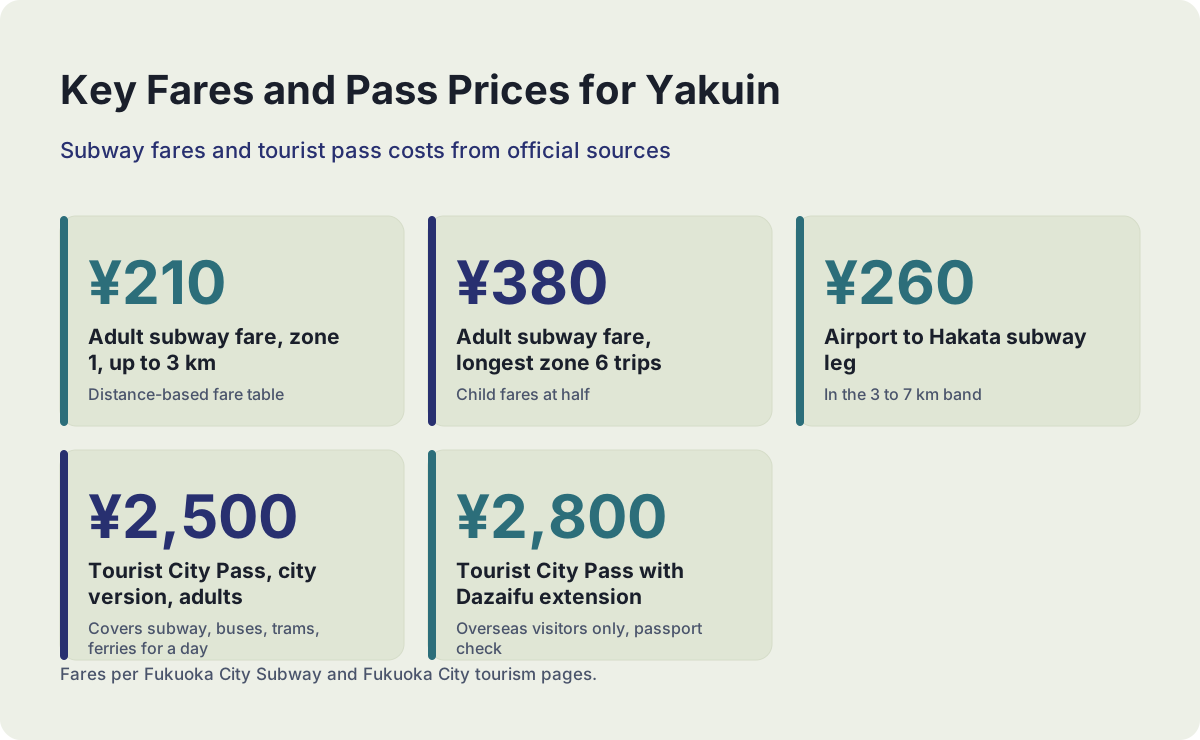
For fares, the city subway's distance-based table applies anywhere on its network, including the Nanakuma Line: an adult single fare runs from ¥210 for a zone 1 journey of up to 3 km up to ¥380 for the longest zone 6 trips, with child fares at half, per the official fare table published by the Fukuoka City Subway. A subway one-day pass, valid on all three lines from first train to last, costs ¥640 for adults and ¥320 for children, and it is sold at station ticket machines and at the tourist information counters in Tenjin, Hakata station and the airport. If your day involves Yakuin plus a trip out to, say, the attractions along the Hakozaki Line or up to Ohori Park, the pass usually pays for itself by the third ride.
| Route | Line or method | Notes |
|---|---|---|
| Tenjin to Yakuin | On foot via Watanabe-dori | Under half an hour, flat, shops the whole way |
| Nishitetsu Fukuoka to Yakuin | Nishitetsu Tenjin Omuta Line | One stop, serves the eastern district |
| Hakata station to Yakuin | Subway Nanakuma Line | Direct, no transfer, via the western station |
| Fukuoka Airport to Yakuin | Subway to Hakata, then Nanakuma Line | Airport leg is ¥260, in the 3 to 7 km band |
| Ohori Park area to Yakuin | Subway or a long walk | Roughly 3 km east of the park's southern edge |
The airport row deserves a note, because the airport's proximity to the centre is one of Fukuoka's genuine advantages: the subway fare from the airport to Hakata is ¥260, and the airport is unusually close to the city centre, an official, verifiable fact. What almost every competing guide also prints is a journey time in minutes for that leg, and no official page verifies it, so this guide will not repeat it. Check the timetable on the subway's own site when planning.
One more orientation point that trips people up: Hakata and Fukuoka are the same city. Hakata is the ward and the station name, Fukuoka is the city, and there is no such thing as a JR Fukuoka station. Anyone searching for "trains from Fukuoka station" is really looking for Hakata station, which is where the shinkansen and most JR lines arrive.
What to Do in Yakuin During a Visit?
The honest answer is that Yakuin's activity is eating, drinking and walking, not sightseeing: plan a meal here, a coffee here, or a stroll through on the way between Tenjin and somewhere else, and do not block out hours for it. The district rewards a slow pass along Watanabe-dori and the lanes either side of it, where the clinic architecture sits beside converted houses turned into cafes, and the texture of ordinary Fukuoka is the whole point.
Start from the Tenjin end and walk south. The first blocks still feel like the commercial core, with mid-rise offices and the tail end of the shopping district, and the transition happens gradually: signage gets smaller, the street-level shops get more specialised, and by the time you reach the cluster around Nishitetsu Yakuin station the district has fully changed character. The clinic buildings themselves are part of the scenery. Some of the older medical buildings, with their tiled facades and hand-painted signs, are a minor genre of mid-century Japanese streetscape that is disappearing fast in the bigger commercial districts, and Yakuin preserves a good stretch of it.
The side streets west of Watanabe-dori are where the cafe wave concentrated. Converted machiya-style houses and small commercial buildings now hold roasters and espresso bars, several of them with the small, seat-few, quality-first layout that Fukuoka's coffee scene favours. On a weekend morning this is one of the better coffee walks in the city, and it connects naturally westward toward the Imaizumi and Ohori Akasaka neighbourhoods, which have their own dense cafe clusters. A loop that takes in all three makes a genuinely good half-day for anyone who cares about coffee more than shrines.
Evening changes the district rather than closing it. The counter restaurants and small bars around the station light up, the after-work crowd from the surrounding offices arrives, and the atmosphere shifts from errand-running to drinking. This is not Nakasu, with its riverside yatai and neon, and it is not the bar-dense lanes of Daimyo. It is lower-key and cheaper, and for a traveler who has already done the headline nightlife areas, a Yakuin evening is the version of Fukuoka that locals actually inhabit.
A private guide is one way to shortcut all of this, and the district is well suited to it: the private and personalized walking tour with a local runs about two hours from $64 per person, rated 4.7 from 46 reviews, and a customised route can fold Yakuin into a walk that starts in Tenjin or Daimyo. For a first day in the city it is an efficient way to get the district's geography explained by someone who uses it.
Where to Eat in Yakuin?
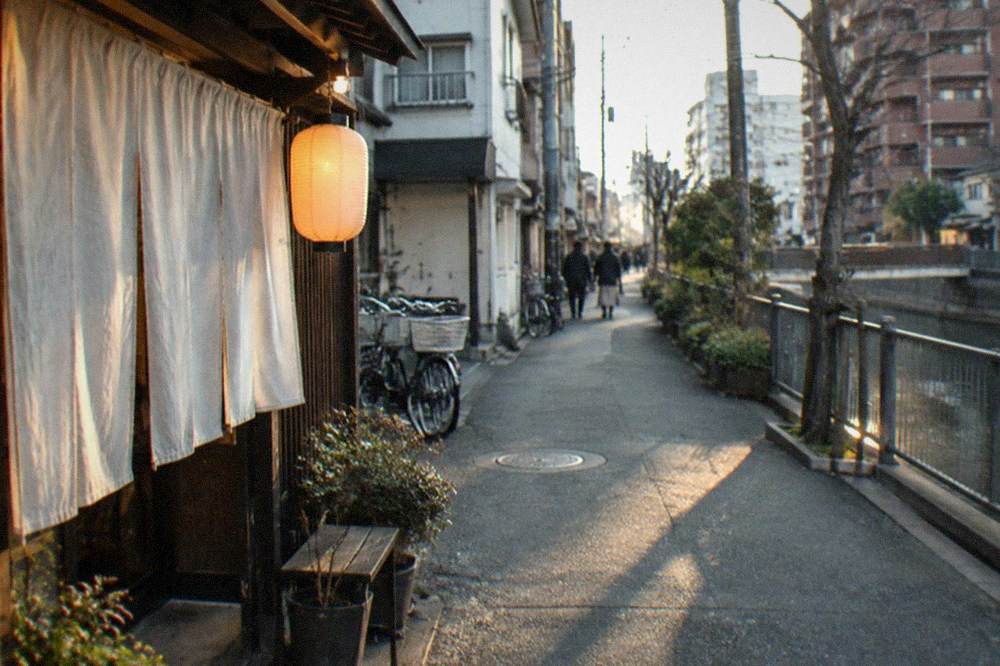
Yakuin's food scene runs on small kitchens and counter seats rather than destination restaurants: expect compact ramen shops, izakaya with a handful of dishes done well, and lunch spots that exist to feed the district's clinic and office crowd at weekday prices. The density is the attraction. Within a few blocks of Nishitetsu Yakuin station there are enough dinner options to fill a week of evenings without repeating a place, and the price level sits noticeably below Tenjin's core.
The lunch trade here is a local's market, which is the best possible signal. A district that has to attract the same customers five days a week cannot survive on mediocre food, and the lunch blocks around Watanabe-dori are where that discipline is most visible. Set meals, noodle lunches and kissaten sandwiches are the backbone, and the turnover is fast enough that solo diners will feel comfortable at any counter. Fukuoka's signature dishes all appear here in some form: tonkotsu ramen, the pork-bone broth the city is famous for, is never far away, and motsunabe, the offal hotpot that is a Fukuoka winter staple, shows up in the evening izakaya.
Dinner is the district's stronger session. The streets around the station hold the kind of places that are hard to find on a first pass and easy to love once found: a counter specialising in one fish, a standing bar with a strong shochu list, a yakitori grill that opens when the clinics close. None of this needs a reservation in the way a Tenjin kaiseki room does, and the walk-in character of the district is part of its appeal. For a structured version of the same experience elsewhere in the city, the Nakasu food stall scene and its guided options are covered in the Nakasu area guide.
| Time of day | What Yakuin does best | Who it suits |
|---|---|---|
| Morning | Kissaten and speciality coffee | Slow starters, cafe hunters |
| Lunch | Counter set meals, noodles | Anyone on a walking route south of Tenjin |
| Late afternoon | Roastery visits, dessert spots | Coffee-first travellers |
| Evening | Izakaya, counter bars, yakitori | Drinkers avoiding the tourist strips |
One practical note that matters more here than in Tenjin: smaller kitchens close earlier and less predictably. A place that runs out at nine will not reopen, and some counter spots take a single seating per night. If a specific restaurant is the reason for the trip, check its posted hours before setting out, and treat the district as a place where wandering with a backup in mind beats a rigid plan.
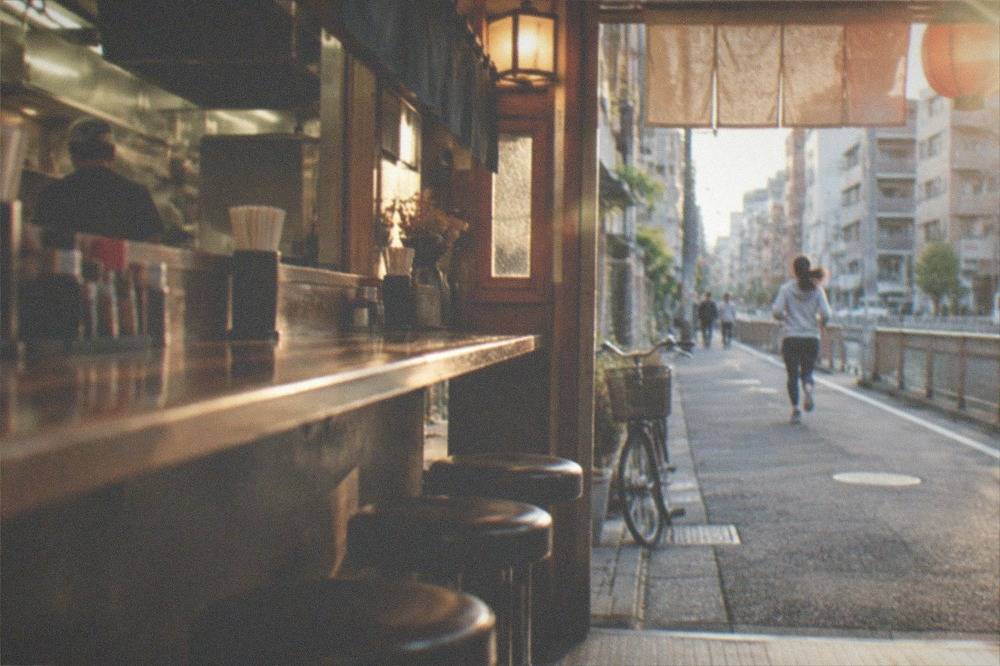
Is Yakuin a Good Area for Coffee?
Yes, and it is arguably one of the best coffee walks in central Fukuoka. The district holds a dense cluster of independent roasters and espresso bars alongside the older kissaten tradition of hand-dripped siphon coffee, and the two coexist rather than compete. Between Yakuin, Imaizumi and the streets toward Ohori Akasaka, a visitor can build a half-day coffee route that never repeats a style, and Yakuin is the natural starting point on that route.
The kissaten layer is the older one. These are the classic Japanese coffee houses, dim, quiet, furnished for sitting rather than scrolling, where a single operator drips or siphons each cup to order and the menu has not changed in decades. Fukuoka kept more of these than most Japanese cities of its size, and the Yakuin area's stock of them is tied to the clinic trade: a kissaten that has been serving the same doctors and their patients for forty years is a common district story, and the longevity is visible in the interiors. Other pages covering the same trip are gathered on Fukuoka Japan Travel Guide.
The new layer is the roaster wave. Small-batch roasters set up in the district over the past decade and more, drawn by the same cheap, characterful street-level spaces the cafes wanted, and the result is a neighbourhood where a five-minute walk can pass a light-roast espresso bar, a siphon house, and a shop roasting its own beans for retail bags. The scene is not a secret, and on weekends the better-known spots fill by mid-morning. The full picture, with the city's coffee history and the best-known names, is in the coffee and cafes guide.
| Coffee style | What it is | Where it clusters |
|---|---|---|
| Kissaten | Siphon or hand-drip, long sits, retro rooms | Watanabe-dori and side lanes |
| Speciality espresso | Light roasts, counter service, fast turnover | Around Nishitetsu Yakuin station |
| Roaster-retailer | Beans roasted on site, bags to take home | Side streets west of the avenue |
The practical advice is simple: come in the morning on a weekday if you want seats and conversation, come on a weekend if you want the full scene at its busiest, and walk the route south to north, starting deep in Yakuin and finishing in Tenjin where the rest of the day's options begin.
How Does Yakuin Fit Into a First Visit to Fukuoka?
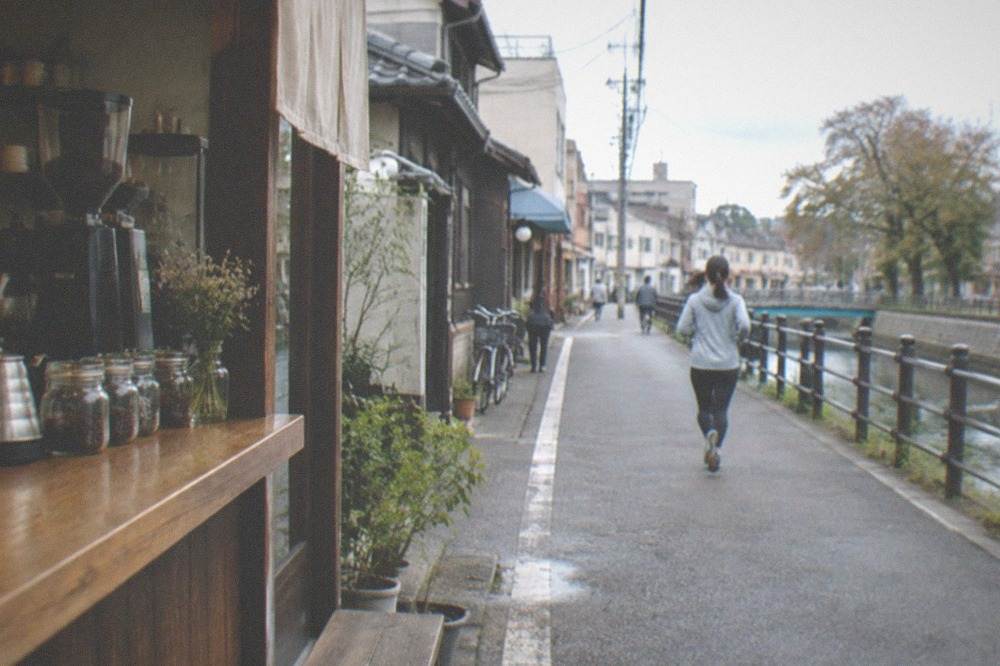
For most first-time visitors, Yakuin is an add-on rather than a destination: fold it into a Tenjin afternoon, eat one meal here, or route a coffee walk through it, and do not sacrifice time at the city's headline sights for it. The district's real value to a short trip is efficiency. It sits directly on the walking line between Tenjin and the residential south, it adds a genuinely local eating option minutes from the commercial core, and it costs nothing to see.
The classic first-day shape works like this: morning at the sights around Hakata and the riverside, whether that is the temples and shrines of Hakata old town or the Kushida Shrine approach, then a subway ride to Tenjin for the department stores and the underground mall, then, when the shopping energy runs out, the walk south into Yakuin for coffee and an early dinner before the evening's plans. That single day covers the commercial city, the historic city and the everyday city, and the last of those three is the one most itineraries miss entirely.
For anyone with a second or third day, Yakuin becomes a launch point rather than a stop. The Nishitetsu line from Yakuin station runs south toward the places that make Fukuoka a good base: the Dazaifu shrine area on one branch of the network, and the towns and countryside of southern Fukuoka Prefecture beyond. The subway connection at the district's western station puts the whole Nanakuma Line, ending at Hakata station, within one transfer of the airport line. A visitor staying near Yakuin is genuinely well placed, a point worth weighing against the more usual Hakata-versus-Tenjin lodging question.
A guided option can compress the orientation work. The Fukuoka Essentials history and culture tour runs three to six hours from $74 per person, rated 4.9 from 48 reviews, and its half-day format suits a first-day city survey. For something built entirely around your own interests, the fully customisable private tour with a local guide starts from $59 per person with a 4.9 rating from 106 reviews.
Can You Day-Trip Anywhere from Yakuin Easily?
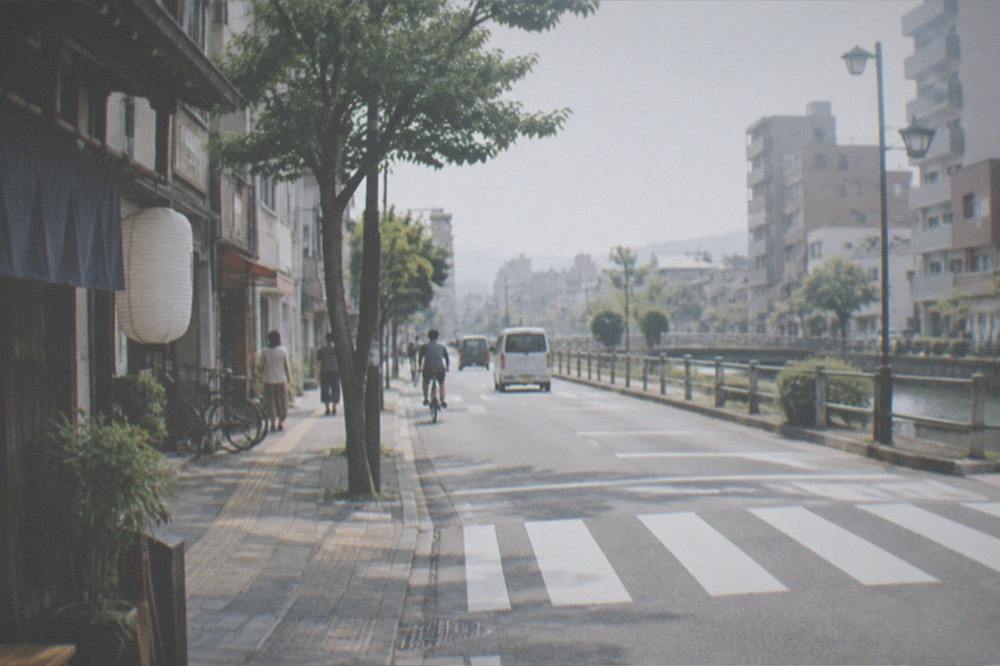
Yes, and better than from most central districts, because Yakuin sits on two useful lines: the Nishitetsu Tenjin Omuta Line, which runs south toward Dazaifu and the wider prefecture, and the subway Nanakuma Line, which links directly to Hakata station for JR connections and shinkansen services. For the big Kyushu day trips, the pattern is simple: use the Nanakuma Line to reach Hakata, then change to whatever express or tour departure the day requires.
The Dazaifu run is the one that starts closest to hand. The Nishitetsu network is the way to reach the shrine town from central Fukuoka, with a transfer at Futsukaichi, and the journey is a short one; the shrine itself charges no entrance fee, per its own FAQ page, and the approach lined with umegae mochi shops is the town's main event. The details of that trip, including the shrine's seasonal opening hours, are in the Dazaifu Tenmangu guide. A combined option that handles the logistics for you is the Yufuin no Mori and Dazaifu day tour, from $70 per person, rated 4.7 from 54 reviews, which pairs the famous sightseeing train with the shrine town in one eight-hour outing.
The bigger Kyushu trips all funnel through Hakata station, and the Nanakuma Line makes that a single-seat ride from Yakuin's western station. The Mt. Aso and Takachiho Gorge tour with optional boat ride, from $48 per person and rated 4.7 from 674 reviews, is one of the most-booked full-day options from the city, and the Takachiho Gorge and Amaterasu Railway trip from the same family runs about eleven hours from $48. These are long days: plan a light Yakuin evening the night before, and treat the district's counter restaurants as the easy dinner that does not need booking.
For pass holders, one figure worth getting right: the Fukuoka Tourist City Pass, which covers subway, buses, trams and ferries for a day, costs ¥2,500 for adults in its city version and ¥2,800 with the Dazaifu extension, and it is sold only to overseas visitors on short-stay visas with a passport check at the counter, per the official Fukuoka City tourism pass page. Most competing guides still quote the old, much lower prices, which no longer apply.
| Day trip direction | Line or departure point | Best for |
|---|---|---|
| Dazaifu | Nishitetsu from Yakuin or Tenjin | Shrines, mochi, a half-day out |
| Yufuin and Beppu | Tour bus or JR from Hakata | Onsen towns, full day |
| Mt. Aso and Takachiho | Guided tours from Fukuoka | Volcano, gorge, full day |
| Itoshima coast | Bus or tour from Tenjin area | Beaches, seafood, half to full day |
When Is the Best Time to Visit Yakuin?
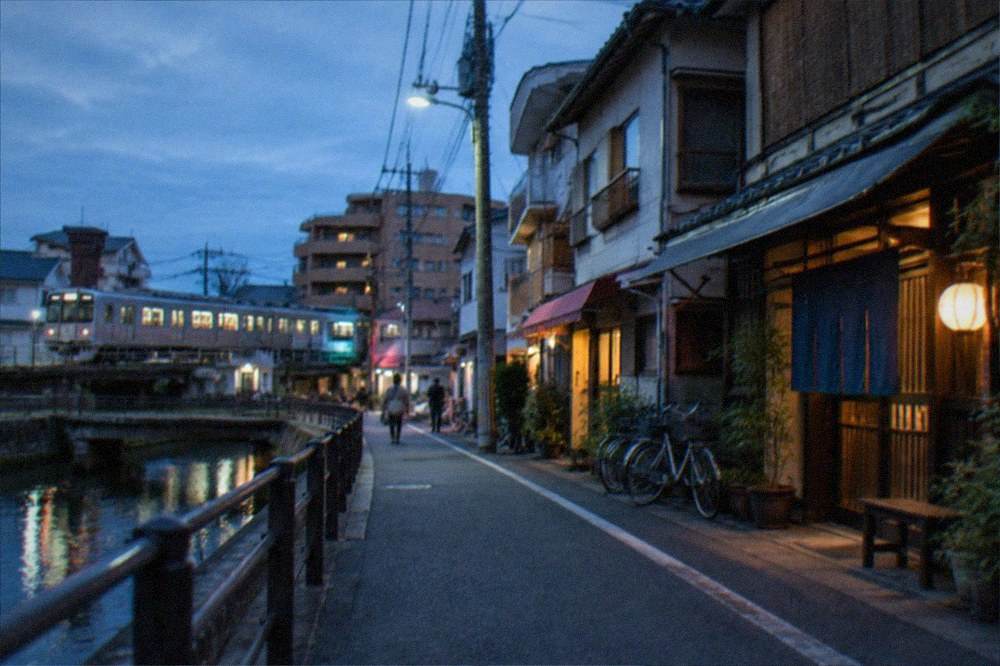
Any season works, because the district's attractions are indoors and street-level, but the practical answer follows Fukuoka's climate: spring and late autumn are the comfortable walking months, summer evenings are hot but lively, and winter is mild enough that the counter spots and hotpot restaurants are arguably at their best. July is the month to plan around carefully, since it is statistically Fukuoka's wettest, and the district's appeal is partly its walkability.
The climate record for Fukuoka, from the Japan Meteorological Agency's 1991 to 2020 normals, holds a fact that surprises most visitors: July, not June, is the city's wettest month, with 299.1 mm of rain against June's 249.6 mm, even though June is the tsuyu rainy season. August is hotter and drier, averaging a 28.4°C mean against July's 27.4°C, and it banks 200.9 sunshine hours, the second sunniest month of the year after May. What this means for Yakuin specifically: a July visit will compete with heavy rain on some days, and the district's uncovered streetscapes are best enjoyed in the drier shoulder months.
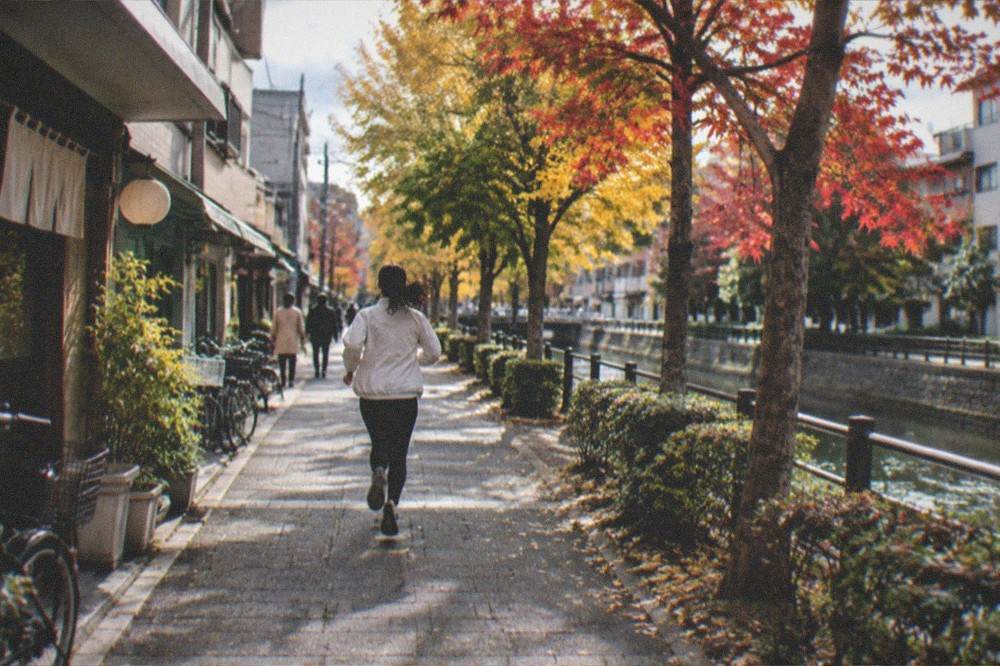
Spring is the strongest season overall. The city's cherry blossoms typically open in late March and reach full bloom at the end of the month into early April, and while Yakuin is not a famous hanami district, the residential streets carry enough blossom to matter, and the major parks are a short ride away. Autumn, mid to late November into early December, is the other sweet spot, when the cafe terraces are comfortable and the evening drinking streets are at full strength. Winter temperatures are mild, with a January mean of 6.9°C, cold enough for motsunabe weather but rarely harsh by northern-hemisphere standards.
| Season | Conditions in Fukuoka | Yakuin at that time |
|---|---|---|
| Spring (Mar to May) | Mild, blossom late March, May is sunniest | Best walking and cafe weather |
| Summer (Jun to Aug) | Hot and humid, July wettest month | Evening-focused visits, indoor dining |
| Autumn (Sep to Nov) | Cooling, colour from mid-November | Strong season, comfortable evenings |
| Winter (Dec to Feb) | Mild, January mean 6.9°C | Hotpot and counter dining season |
Typhoon season runs roughly July through October and is a real planning factor for Kyushu, though it rarely makes the city unvisitable for long. The honest framing is flexibility: keep one indoor-heavy day in reserve, and let the district's density of cafes and kitchens absorb a wet afternoon better than any open-air sight could.
Should You Stay in Yakuin?
Yes, if you want a quieter, more residential patch of the centre within walking distance of Tenjin and care more about restaurants and cafes than hotel-scale amenities. No, if this is a first visit and you want to step out of the station into the middle of things, since Yakuin cannot match Hakata for transport or Tenjin for shopping. For a second or third visit, though, it is one of the more pleasant corners of the city to sleep in.
The trade-offs are straightforward. Against Hakata station area, Yakuin loses on shinkansen access and airport-line convenience, and wins on price, quiet and evening atmosphere. Against Tenjin, it loses on department stores and the underground mall, and wins on the same three things. The subway Nanakuma Line's direct link from Yakuin to Hakata station narrows the transport gap considerably, and the walk to Tenjin is short enough that the shopping district functions as an extension of the neighbourhood rather than a trip. The full comparison, including the areas that suit different travel styles, is in the where to stay in Fukuoka discussion and the district-by-district breakdown.
For a longer stay, the district's daily-life infrastructure is the attraction. Clinics, pharmacies, supermarkets, a post office and a dense restaurant scene within a few blocks make Yakuin the kind of place where a week-long visitor settles into a routine quickly, and the residential streets south of Watanabe-dori are quiet by 10 p.m. in a way Nakasu and Daimyo never are. Solo travellers in particular tend to do well here: the counter-dining culture makes every restaurant comfortable for one, a point developed in the city's solo travel coverage, and the district's compactness means everything worth reaching is a walk.
A reasonable rule for planning: first visit, stay near Hakata or Tenjin and visit Yakuin; second visit, or a stay of a week or more, consider sleeping here and treating the rest of the centre as your neighbourhood. The district rewards familiarity more than novelty, which is both its limitation and its charm.
Common Questions About Yakuin
What Is Yakuin Known For?
Yakuin is known as Fukuoka's clinic district, a name earned by decades of dense medical and dental practice clustering along its main streets, and secondarily for its concentration of independent cafes, counter restaurants and small bars just south of Tenjin.
How far is Yakuin from Tenjin?
The walk from central Tenjin along Watanabe-dori takes well under half an hour and is flat the whole way. Nishitetsu also runs the two stations as a one-stop train ride on the Tenjin Omuta Line.
Which station serves Yakuin?
Two do, and they are separate: Nishitetsu Yakuin on the Tenjin Omuta Line, near the clinic strip, and the subway's Yakuin station on the Nanakuma Line further west, which runs directly to Hakata station without a transfer.
Is Yakuin worth visiting if you have limited time?
As a sightseeing stop, no, because it has no headline attraction. As a meal, a coffee stop or a walking route between Tenjin and the residential south, yes, and it costs no itinerary time to fold in on the way somewhere else.
Is Yakuin good for eating alone?
Very. The district's restaurants lean heavily on counter seating and small kitchens, which makes solo dining the default rather than the exception, and the price level sits below the tourist cores.
When should I avoid visiting Yakuin?
Heavy rain is the main dampener, since the district's appeal is its walkable streets, and July is statistically Fukuoka's wettest month with 299.1 mm of rain. Typhoon season runs roughly July through October, so keep an indoor backup in reserve.