Ohori and Akasaka
Ohori and Akasaka sit on Fukuoka's west side, wrapped around the lake at Ohori Park and within walking distance of the castle ruins, art museums and quiet streets that most visitors never cross the river to see.
Short answer
Ohori and Akasaka are known for Ohori Park and its lake, the Ohori Park Japanese Garden at ¥250 for adults, two of the city's main art museums, the Fukuoka Castle ruins in neighbouring Maizuru Park, and a relaxed restaurant and cafe scene along Akasaka's streets. It is the green, museum-going side of the city, a ten-minute subway ride from Tenjin.
Ohori and Akasaka
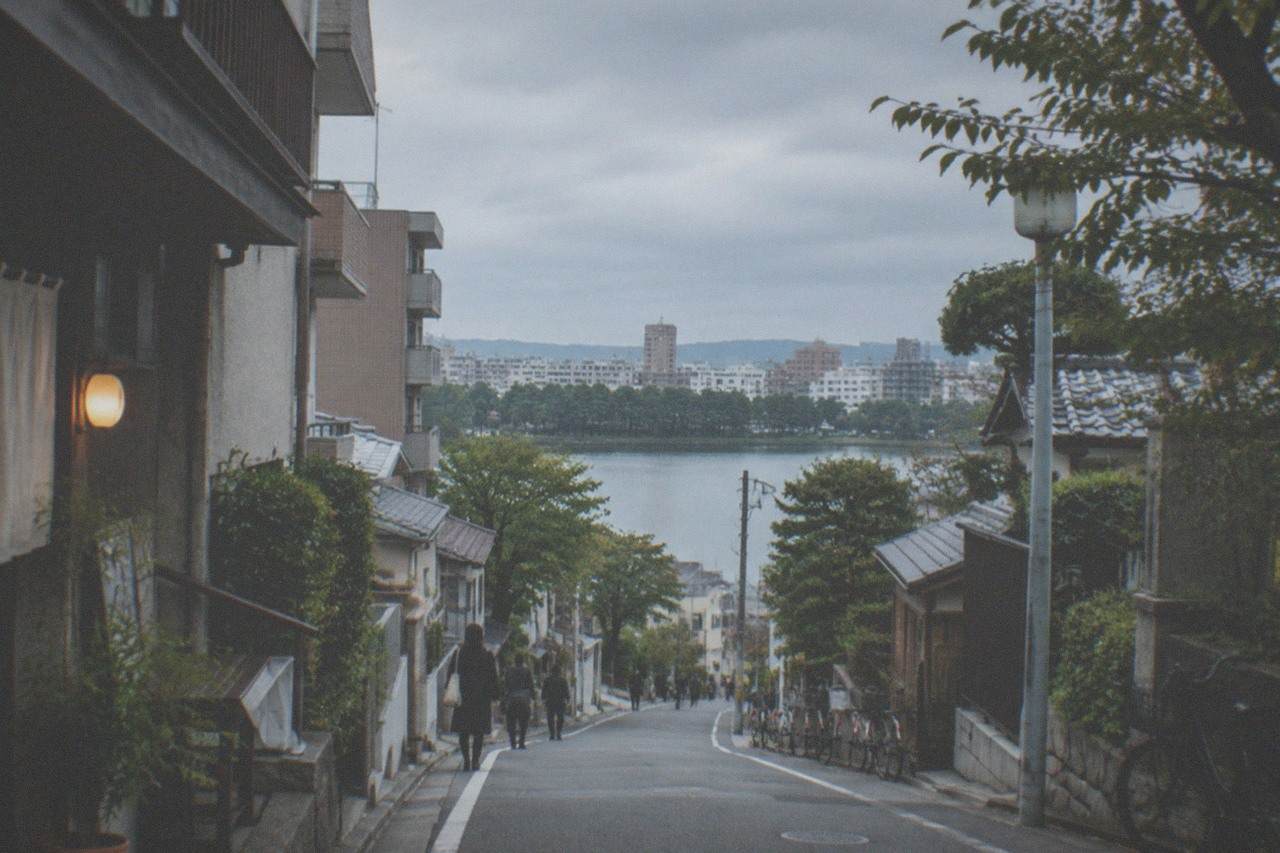
Ohori Park is a 2 kilometre loop of water in the middle of Fukuoka, and Akasaka is the low-rise district of restaurants, offices and apartment blocks that runs along its eastern edge. The park occupies what was once the outer moat of Fukuoka Castle, which is why the castle ruins sit directly next door in Maizuru Park, separated by nothing more than a road. Together they form the west side's quiet centre: joggers on the lakeside path at dawn, museum crowds in the afternoon, izakaya lights along Akasaka-dori after dark. This Fukuoka Japan Travel Guide page covers what the area is known for, how to move around it, and where the neighbourhood fits in a wider 3 day Fukuoka itinerary.
What Is Ohori and Akasaka Known For?
Ohori and Akasaka are known for the lake and gardens of Ohori Park, the Ohori Park Japanese Garden which charges ¥250 for adults and ¥120 for children, the Fukuoka Art Museum on the park's western shore, the Fukuoka Asian Art Museum a few stops away in Hakata Riverain, and the Fukuoka Castle ruins in the adjoining Maizuru Park. The area is Fukuoka's culture-and-green-space quarter, and it reaches all of this on foot.
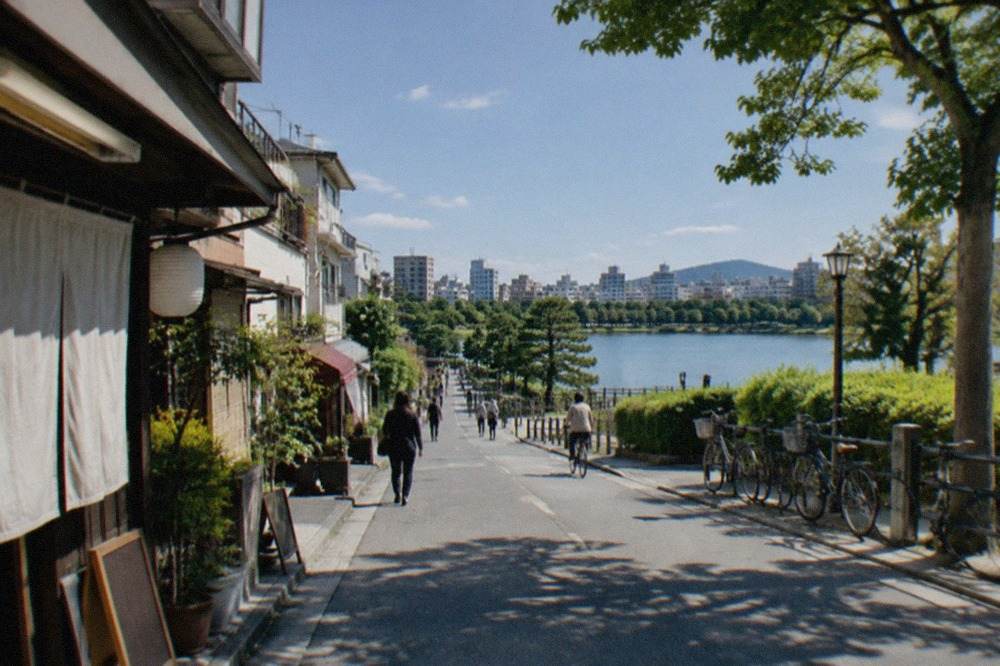
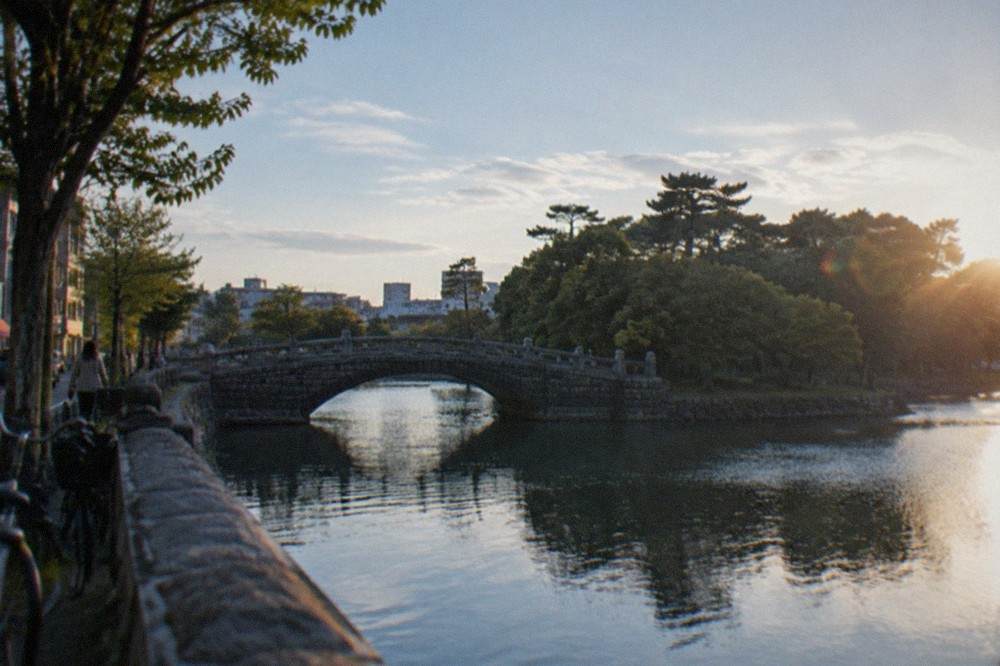
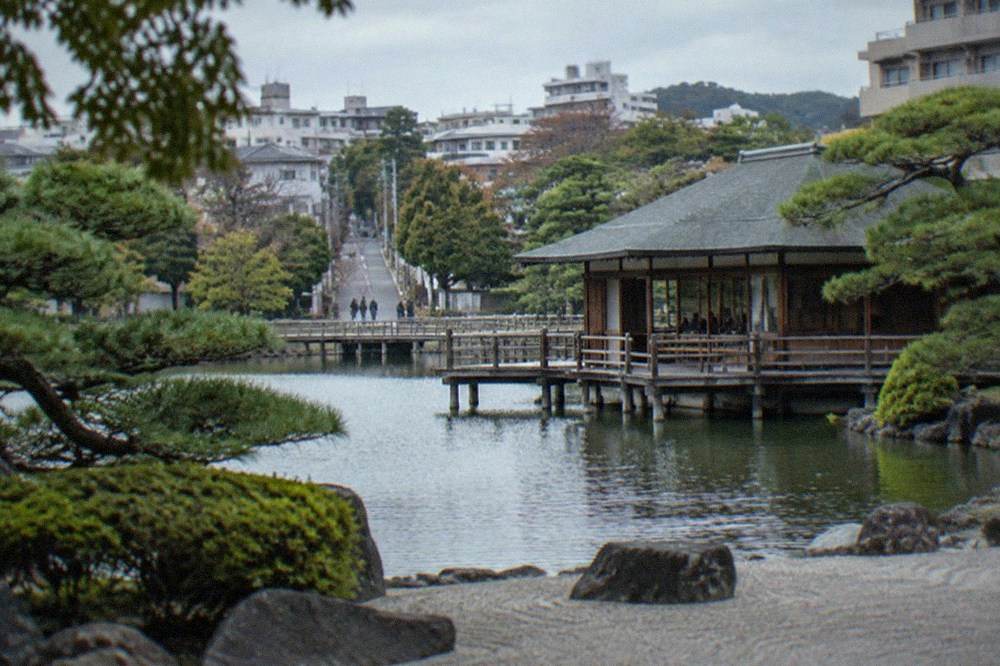
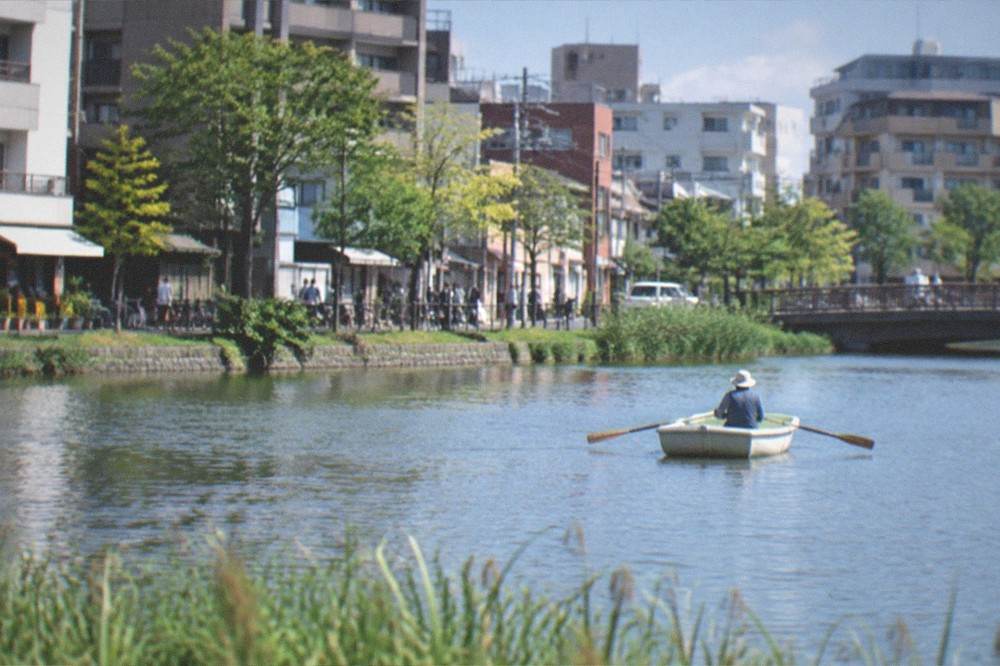
The name Ohori means "large moat", and that is the honest description of the park's lake: it is the surviving outer moat of Fukuoka Castle, reshaped into a stroll garden in the early twentieth century. Three islands break the water, connected by arched stone bridges, and the full circuit around the shore takes most walkers about half an hour at a browsing pace. Early morning belongs to runners and dog walkers; by midday the benches facing the water fill with people doing very little, which is precisely the point of the place.
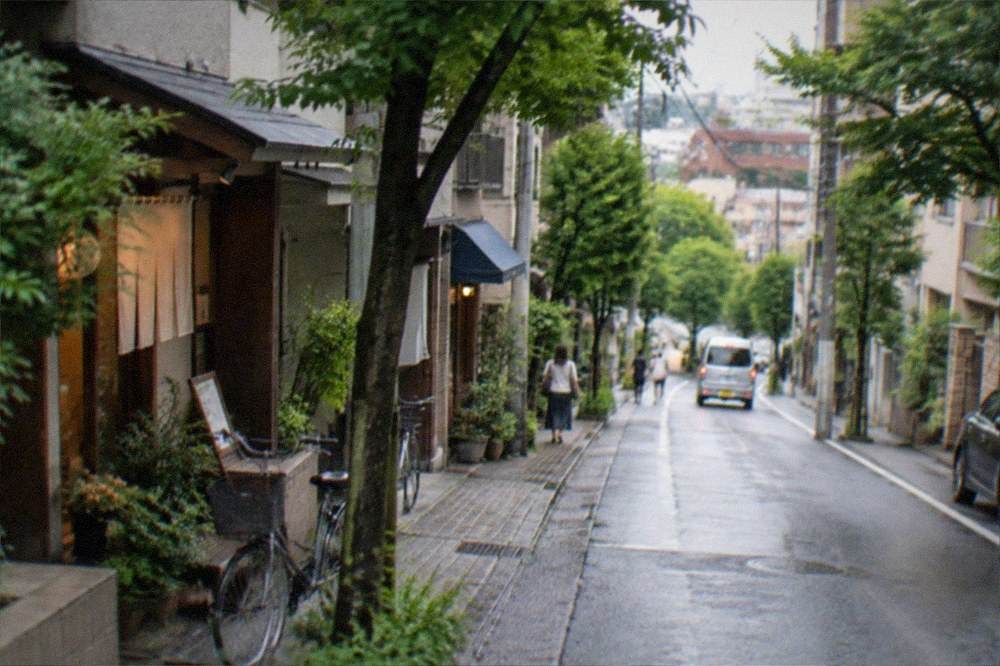
Akasaka is the district on the park's doorstep rather than an attraction in itself. It runs between Ohori Park and the Naka River, and it concentrates the area's eating and drinking: everything from counter ramen shops to mid-priced French restaurants on the side streets off Akasaka-dori. If Tenjin is the shopping engine and Nakasu is the nightlife, Akasaka is where Fukuoka goes when it wants to eat well without shouting.
The area's standing among locals is easy to explain. Property listings treat proximity to Ohori Park as a selling point, weekend families rent rowboats on the lake, and the park's cherry blossoms each spring pull crowds second only to the castle grounds themselves. Visitors who only stay east of the river usually never see any of it.
How Do You Get to Ohori and Akasaka?
The subway reaches Ohori Park directly: Ohorikoen Station on the Airport Line sits at the park's south-eastern corner, and Akasaka Station is one stop away. Both are inside the ¥210 to ¥260 fare bands from Hakata or Tenjin, the 3 to 7 km zone on the city subway's official fare table. A one-day subway pass costs ¥640 if you plan to ride more than twice.
The Airport Line runs east to west through the district, with Ohorikoen and Akasaka stations roughly ten minutes from Tenjin and a little more from Hakata. That makes the area one of the easiest day-outs in the city for anyone staying in the main hotel districts. From Ohorikoen Station the lake path begins almost at the exit; from Akasaka you emerge into the restaurant streets and walk five minutes north to the park edge.
For travellers using IC cards, the local ecosystem matters less than you might fear: Suica, PASMO and ICOCA are reported as interoperable on Fukuoka's subway, alongside the local Hayakaken card. Visitors planning a packed day can check the published subway fare table on the operator's own site, but the short version is that a single hop from Tenjin to Ohorikoen lands in the cheapest bands and no pass arithmetic is needed for a simple park-and-museum afternoon.
Cycling is the other natural way in. The park sits on flat ground and the surrounding streets are calm, which makes the lake loop one of the most pleasant rides in the city centre. If you arrive at Hakata Station instead, the metro from the Hakata station area is a single direct ride with no transfers.
| From | Route | Line | Approximate fare |
|---|---|---|---|
| Hakata Station | Direct, no transfer | Airport Line to Ohorikoen | ¥260 |
| Tenjin | Direct, no transfer | Airport Line to Ohorikoen or Akasaka | ¥210 to ¥260 |
| Fukuoka Airport | Direct, no transfer | Airport Line, about a dozen stops west | ¥300 to ¥340 |
| Kokura (Kitakyushu) | Limited express then subway | JR to Hakata, transfer at Hakata | JR fare plus ¥260 |
One note worth making while you are planning: the airport is unusually close to the city centre, one of the reasons Fukuoka feels compact to new arrivals, but this page will not print a journey time in minutes because no official timetable page verifies the widely quoted figure. The fare is solid: ¥260 sits inside the officially published 3 to 7 km band. There is also no such thing as a JR Fukuoka Station; the Shinkansen and JR hub is Hakata, and Fukuoka is the city that contains it.
What Are the Best Things to Do Around Ohori Park?
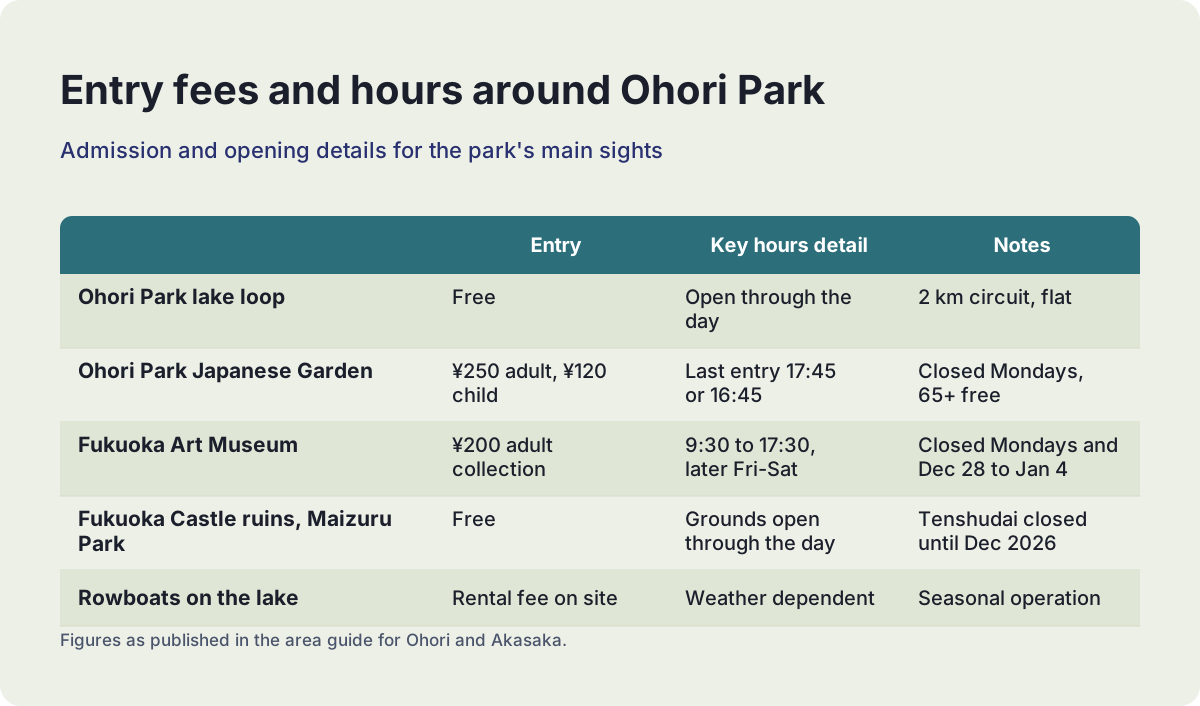
The core list is the lakeside loop, the Ohori Park Japanese Garden, the Fukuoka Art Museum, the Fukuoka Castle ruins next door in Maizuru Park, and the tea and coffee stops scattered around the shore. The Japanese garden charges ¥250 for adults and ¥120 for children, and both city art museums charge ¥200 for their collections, with free entry for junior high age and under.
Start with the lake itself. The 2 kilometre circuit is flat, stroller-friendly and punctuated by bridges to the islands, and the western shore opens toward the Fukuoka Art Museum building. The Japanese Garden on the north-west side is a separate, fenced space of ponds, pines and a waterfall, and it is the one part of the park where an admission fee applies. Children under 6 enter free, visitors 65 and over enter free, and one carer accompanying a disability certificate holder enters free. The garden closes on Mondays and over the year-end holidays, with last entry 45 minutes before closing in each season, per the official garden site.
The Fukuoka Art Museum anchors the park's west side after a full renovation completed in recent years. Its collection exhibition costs ¥200 for adults and ¥150 for high school and university students, junior high and younger free, and the museum stays open until 20:00 on Friday and Saturday evenings between July and October. Over-65 residents of Fukuoka, Kitakyushu, Kumamoto or Kagoshima enter free with proof of address and date of birth, a detail almost no guide mentions and one that matters to a large share of the site's readers. The museum's own site carries the current exhibition schedule.
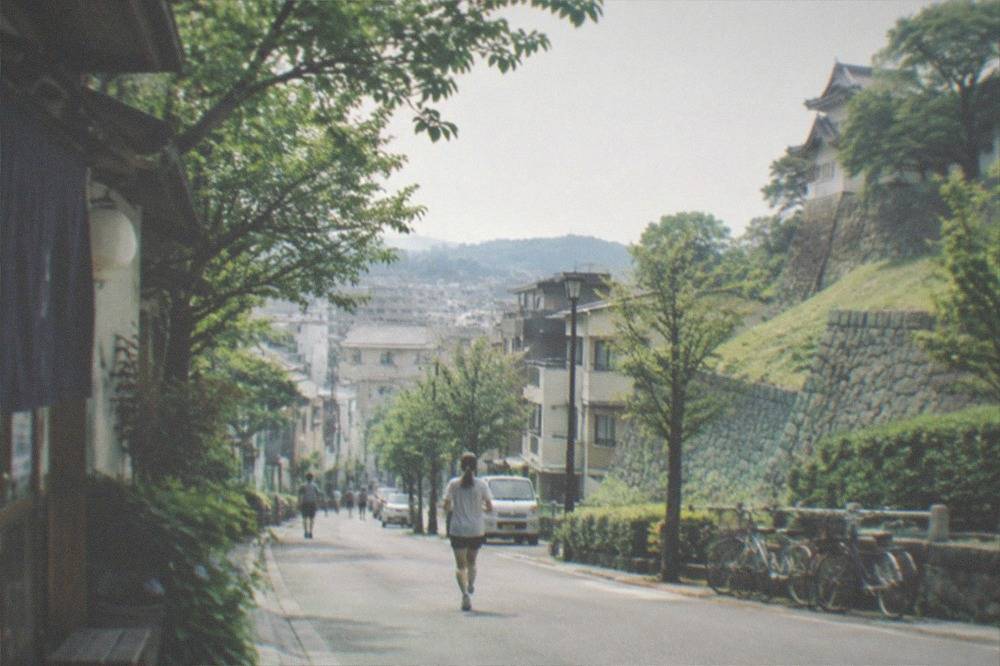
The castle ruins deserve their own block, and they have a genuinely good story attached. The Tenshudai, the stone base of the keep, is closed to entry from 2026-05-26 until the end of December 2026 for an archaeological excavation prompted by a document found in December 2024 that describes a keep historians were not sure ever existed. The city dug in 2025, tripled the excavation area in 2026, and whether the phantom keep was real remains open. The rest of the castle ruins grounds stay free and open through the dig, and the walls viewed from Ohori Park's shore are unaffected.
Beyond the big three, the area rewards low ambition. Rowboat rentals operate on the lake in fine weather. The Nishi Park hill to the north, a short walk away, is counted among Japan's noted cherry blossom spots. And the walk from Ohori Park across to the Nishijin district to the north-west passes streets of independent shops and cafes in Nishijin.
| Attraction | Entry | Key hours detail | Notes |
|---|---|---|---|
| Ohori Park lake loop | Free | Open through the day | 2 km circuit, flat |
| Ohori Park Japanese Garden | ¥250 adult, ¥120 child | Last entry 17:45 or 16:45 by season | Closed Mondays, under 6 and 65+ free |
| Fukuoka Art Museum | ¥200 adult collection | 9:30 to 17:30, later Fri-Sat Jul-Oct | Closed Mondays and Dec 28 to Jan 4 |
| Fukuoka Castle ruins, Maizuru Park | Free | Grounds open through the day | Tenshudai closed until end of December 2026 |
| Rowboats on the lake | Rental fee on site | Weather dependent | Seasonal operation |
Families get particular value here. The whole park-and-museum combination is walkable, free or cheap, and there is enough variety to fill a full day with children in tow. For visitors who want a hand with the city's layout on a first day, a guided walk is worth considering before exploring solo.
Where Do You Eat and Drink in Akasaka and Ohori?
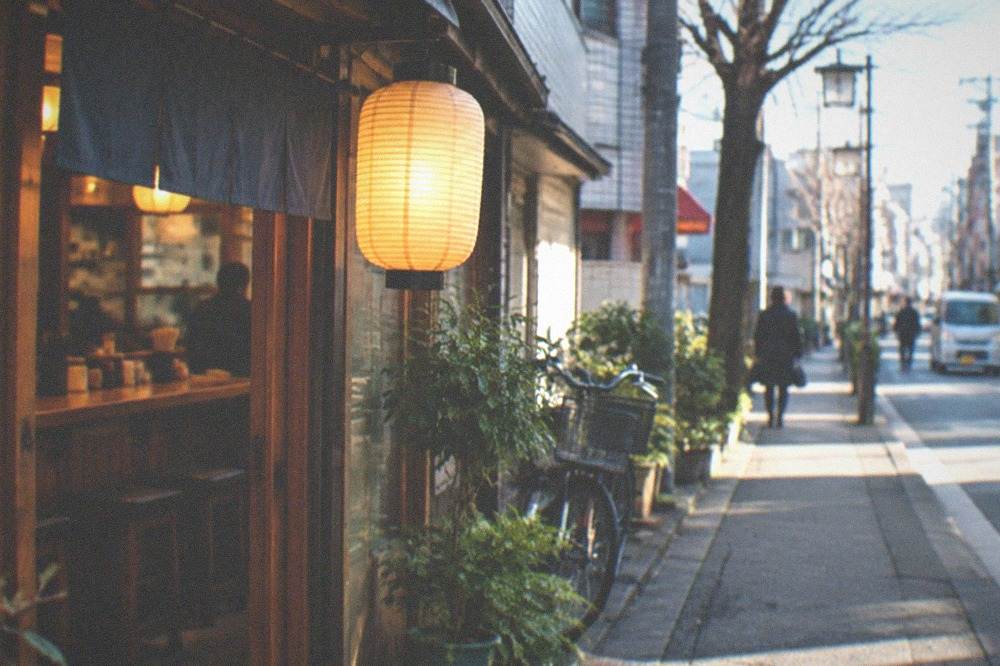
Akasaka concentrates mid-range restaurants along Akasaka-dori and the side streets nearest the park: counter ramen, motsunabe restaurants, izakaya and a layer of cafes on the roads around Ohorikoen Station. Expect dinner mains to run from a few hundred to a couple of thousand yen at casual places, with posted prices, and the district's kitchens to fill with after-work locals rather than tourists.
The eating geography is simple. Akasaka-dori, the main road paralleling the park's eastern side, carries the densest run of restaurants. The blocks immediately south of Ohorikoen Station add yakitori spots and small izakaya. And the streets on the park's northern edge have the cafe layer: the area's coffee culture is strong, with several standout independents within a short walk of the lake.
For a first evening, the practical move is to walk Akasaka-dori around 18:00 and read the posted menus. Fukuoka's citywide food culture is famous for tonkotsu ramen and motsunabe, and Akasaka serves both without the queues you will meet in Hakata or the postcard yatai stalls of Nakasu. A bowl of tonkotsu here follows the same craft tradition as anywhere in the city; the broth is boiled from pork bones for hours, and the kaedama noodle refill is a local habit worth adopting.
The drink options split by mood. For a quiet glass of sake near the park, the city's best-stocked bars include at least one within walking distance of the lake. For a full evening that escalates, most visitors ride the subway three stops east to the Daimyo bar district, which stays loud long after Akasaka's kitchens close. The two districts pair well: eat in Akasaka, drink in Daimyo, sleep anywhere between.
Where Should You Stay in Ohori and Akasaka?
Ohori and Akasaka are a strong base for a relaxed trip: hotels near Ohorikoen Station sit within a ten-minute subway ride of Tenjin and a direct ride from Hakata, and the district trades nightlife noise for park-side calm. It suits travellers who prioritise morning walks, museums and easy trains over doorstep bars.
The honest trade-off is atmosphere versus energy. Akasaka quiets down late; the restaurant rows thin out by 22:00 and there is little nightlife of the kind that keeps Nakasu loud until dawn. In exchange you get the lake on your doorstep, air that feels cleaner, and a neighbourhood that is pleasant to walk at night. Visitors weighing the classic first-timer choice should note that Hakata near the station suits arrival-and-departure convenience, Tenjin suits shopping, and this district suits living well for a few days.
Within the district, position matters more than brand. A stay near Ohorikoen Station puts the park exit at the front door. A stay nearer Akasaka Station puts the restaurants closer and the subway line still direct. Anything along the Airport Line between the two works for the standard visitor pattern of park mornings, Tenjin afternoons and Hakata arrivals. One caution: this page does not quote nightly rates, and hotel pricing in the district moves with the convention calendar at the Mizuho PayPay Dome a few stops west, so check the operator's live listing for the nights you actually need.
| Traveller type | Fit for Ohori and Akasaka | Why |
|---|---|---|
| First-time visitor, 2 to 3 days | Good | Direct subway to Hakata and Tenjin, park mornings |
| Food-focused traveller | Good, with Daimyo nearby | Akasaka kitchens plus a short ride to the bar districts |
| Nightlife traveller | Weak fit | District quiets by late evening |
| Families | Very good | Flat park, cheap museums, rowboats |
| Museum and garden visitor | Excellent | Garden, two museums, castle ruins in one walk |
When Is the Best Time to Visit the Area?
Spring and autumn are the strongest seasons: cherry blossoms peak around the park and castle grounds in late March into early April, and autumn colour holds through mid to late November into early December. Summer is workable but hot, with a July mean of 27.4 degrees Celsius, and July is also Fukuoka's wettest month at 299.1 mm of rain, wetter than the June tsuyu season.
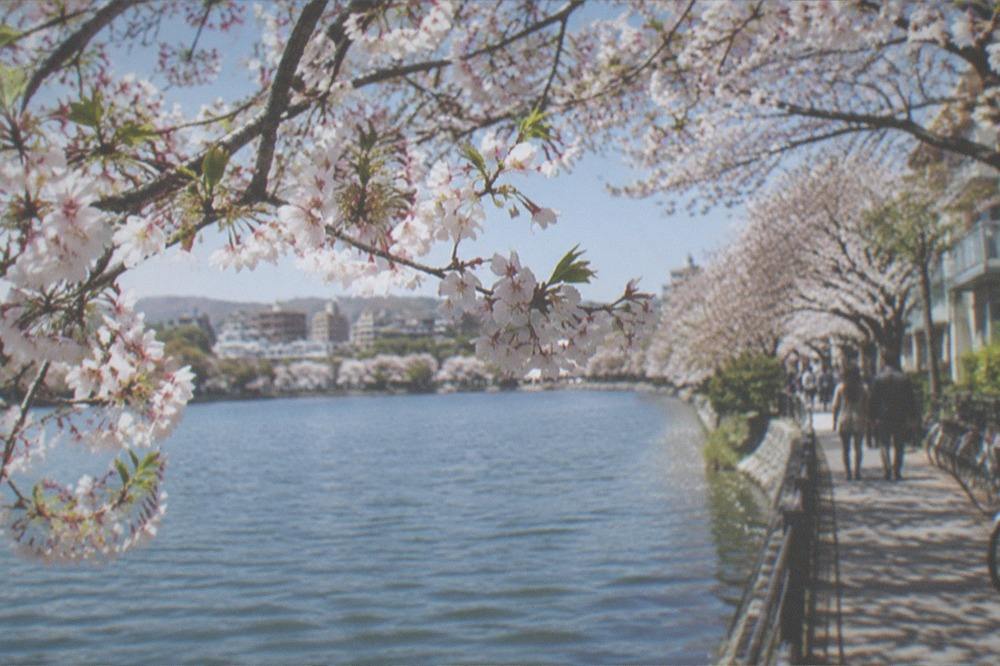
The blossom season is the area's peak moment. Maizuru Park's castle grounds hold roughly a thousand cherry trees and stage illuminations during the festival period, and the lakeside trees of Ohori Park add their own reflection show on the water. Typical timing, based on recent years, is first bloom late March with full bloom around the end of the month into the first days of April. The castle grounds and the lakeside loop are the two most reliable viewing spots on this side of the city.
The counterintuitive fact worth carrying into your planning is the July rainfall figure. Every general guide frames June as Japan's rain month, and in most of the country that is true. In Fukuoka, the Japan Meteorological Agency's 1991 to 2020 normals put July at 299.1 mm against June's 249.6 mm, because the rainy season's tail end plus typhoon-season convection stack the odds against mid-summer. August, by contrast, is hotter but drier, with 210.0 mm of rain and 200.9 sunshine hours, the second sunniest month of the year after May. Typhoon season runs roughly July through October and is a real planning factor, though it rarely makes the city unvisitable.
Autumn is the quiet insider season. The Japanese Garden's maples turn through November, the museum's autumn schedule is strong, and the castle ruins' trees hold colour into early December. Weekend crowds thin, hotel rates soften, and the lake path at 15 degrees, the November mean, is close to ideal walking weather.
How Does Ohori and Akasaka Compare to Other Fukuoka Areas?
Against Tenjin, Ohori and Akasaka trade shopping scale for park space and lower prices. Against Momochi, they trade the seaside for walkable culture, though the Momochi seaside and Fukuoka Tower are a short ride west. Against Yakuin and Imaizumi, the difference is mood: those districts are trend-led and cafe-dense, while Ohori and Akasaka are institutional, anchored by the park, the museums and the castle grounds.
A useful frame for choosing: west side districts, Ohori, Nishijin, Momochi, are calm and spread out, while east side districts, Hakata, Tenjin, Nakasu, are dense and loud. Ohori and Akasaka sit at the hinge. The subway makes the east side reachable in ten minutes, so the district functions as a calm base with loud options on tap, and visitors splitting a stay between areas often spend days two and three here after a first night near the station.
The museum pairing deserves a special note because it is unusual in Japan. The Fukuoka Asian Art Museum, in the Riverain Center building near the Kushida Shrine end of the river, is one of the only museums in the world dedicated systematically to modern Asian art, holding about 5,000 works from 23 countries and regions. Entry to the building is free; only the Asia Gallery charges, ¥200 for adults, ¥150 for high school and university, junior high and under free, and over-65 residents free with ID, per the museum's own visitor guide. It closes Wednesdays. Pairing it with the Ohori Park art museum on consecutive days is one of the better cheap cultural runs in the country.
For visitors who want a view rather than a garden, Fukuoka Tower stands a few stops west on the same subway line, ¥1,000 for adults and open until 22:00. And for the broader picture of the region beyond the city, the day-trip options from this district are unusually wide, running from Dazaifu's shrine town to the Itoshima coast.
A Perfect Day in Ohori and Akasaka
A day that captures the district runs: a morning lap of the lake, the Japanese Garden at opening, the Fukuoka Art Museum before the lunch crowd, an afternoon walk through the castle ruins grounds, a rowboat if the weather holds, and dinner along Akasaka-dori followed by a nightcap in Daimyo. It fits in one direct subway ride from wherever you are staying.
Timing the day matters more than ordering it. The Japanese Garden is at its best in the first hour, before the tour groups from the east side arrive, and the museum's last entry is at 17:00, so the art visit belongs before late afternoon. The castle grounds are free and open through the day, but the light on the stone walls is best late, and the excavation site of the Tenshudai is viewable from surrounding paths even while the base itself is closed until the end of December 2026. A rainy-day version of the same day swaps the outdoor blocks for the museum's permanent collection and the covered shopping arcades of Tenjin.
Visitors with a spare half day beyond the district have two strong options. East, the old Hakata temples, Tochoji and Shofukuji, plus the riverside yatai stalls of Nakasu, make a full evening. West, the coast at Uminonakamichi Seaside Park makes a full day of it, with a caution worth repeating: that park's gate takes cash only, and it closes on selected Tuesdays that differ by season, so check its calendar before committing.
For travellers who want to reach further out from this comfortable base, the region opens up. A guided Takachiho gorge day trip runs long but delivers one of Kyushu's most dramatic landscapes.
However you build the day, the district's value is that it needs no schedule to work. The lake loop alone, walked slowly with a coffee, is one of the better free hours in any Japanese city, and everything else described on this page hangs off it.
Common Questions About Ohori and Akasaka
What Is Ohori And Akasaka Known For?
The area is known for Ohori Park and its 2 kilometre lake loop, the Ohori Park Japanese Garden, the Fukuoka Art Museum, the neighbouring Fukuoka Castle ruins in Maizuru Park, and the restaurant rows of Akasaka-dori. It is Fukuoka's calm, green, museum-going west side.
How much does the Ohori Park Japanese Garden cost?
Adults pay ¥250 and children ¥120, with under-6s, visitors 65 and over, and a carer accompanying a disability certificate holder entering free. The garden closes on Mondays and over the year-end holidays.
Can you see Fukuoka Castle from Ohori Park?
Yes, sections of the castle's stone walls are visible across the adjoining Maizuru Park, and the grounds themselves are free to walk. The Tenshudai keep base is closed to entry until the end of December 2026 for an archaeological excavation, but the surrounding park remains open.
Is Ohori Park good for kids?
Very. The circuit is flat and stroller-friendly, rowboats run on the lake in fine weather, and both city art museums admit junior-high age and younger free.
What is the best time of year to visit Ohori and Akasaka?
Late March into early April for cherry blossoms around the park and castle grounds, and mid to late November into early December for autumn colour in the Japanese Garden. Note that July is Fukuoka's wettest month at 299.1 mm, wetter than June.
How do you get to Ohori Park from Hakata Station?
Take the Airport Line subway directly to Ohorikoen Station, about a dozen stops with no transfer, at a fare of ¥260 inside the officially published 3 to 7 km band. Akasaka Station, one stop earlier, serves the restaurant district.