Winter Illuminations in Fukuoka
Fukuoka's winter illumination season runs from early November into early January, anchored by the Fukuoka Tower display and the Nakasu Hikari no Advent lightups along the Naka River.
Short answer
Fukuoka's main winter illuminations cluster around Fukuoka Tower in Momochi, the Nakasu Hikari no Advent displays along the Naka River, and city-wide Advent venues across Tenjin and Hakata. The season typically runs from early November to early January. Fukuoka Tower admission is ¥1,000 for adults, and most outdoor displays are free to view.
Fukuoka does not stage one central winter illumination the way some Japanese cities do. Instead, the season spreads across a handful of venues: the tower, the river, the shopping malls and the station plazas, each switching on independently from around early November and most running into early January. The result is a city you walk through rather than a single site you queue for, and on a clear December evening, with temperatures averaging 9.1°C, it is one of the most pleasant times of year to be outside in Fukuoka.
This guide covers every major display, what each one costs, how to move between them, and how the city's winter weather shapes the planning. The short version: budget one evening for the tower and the bay, another for Nakasu and Tenjin, and treat everything in between as a bonus.
Where Are the Winter Illuminations in Fukuoka?
The winter illuminations in Fukuoka are spread across five main areas: Fukuoka Tower and the Momochi waterfront, the Nakasu riverbank along the Naka River, the Tenjin shopping district, Hakata Station's plaza displays, and Canal City Hakata's atrium and canal-side shows. Most switch on in early November and run into early January, and only the tower charges admission. That spread is the defining feature of the season here. Cities with one marquee event concentrate the crowds in a single square; Fukuoka disperses them along a walkable corridor from Momochi in the west to Hakata in the east, roughly the full width of the city centre. If you are staying in either Hakata or Tenjin, you are already within a short subway ride of almost everything.
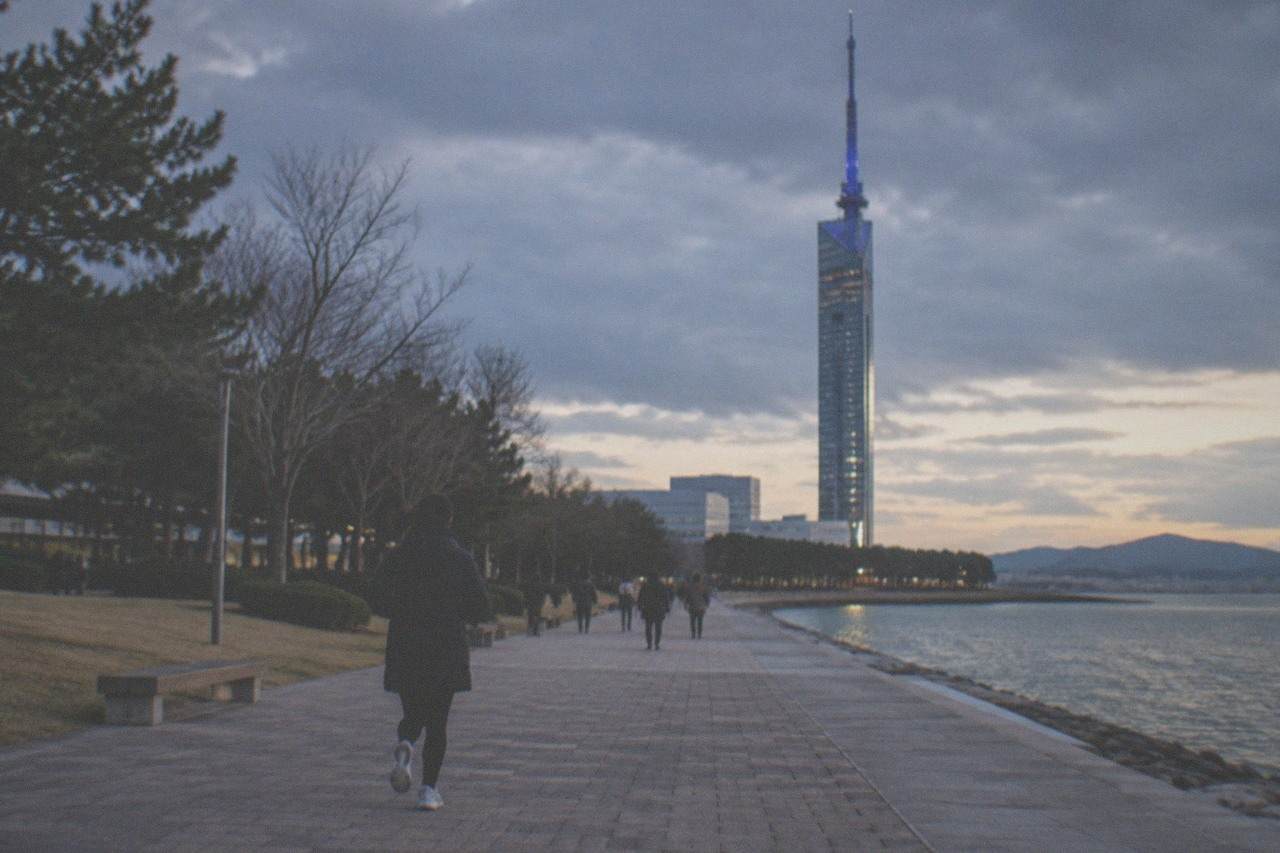
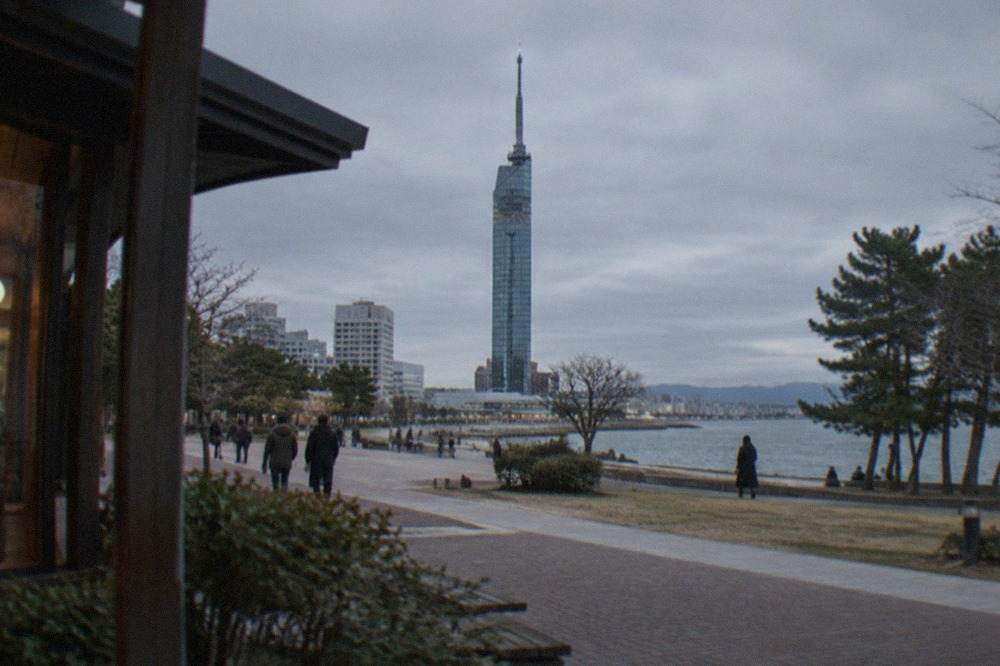
The anchor display is at Fukuoka Tower. The 234-metre tower wraps its exterior in seasonal light motifs each winter, and in recent years the programme has included an autumn moon-viewing theme in late September followed by a Christmas tree motif from early November into December. Because the tower is the tallest structure on the waterfront, the display is visible from far across Hakata Bay, and the Momochi Seaside Park lawn in front of it becomes a free viewing area in its own right.
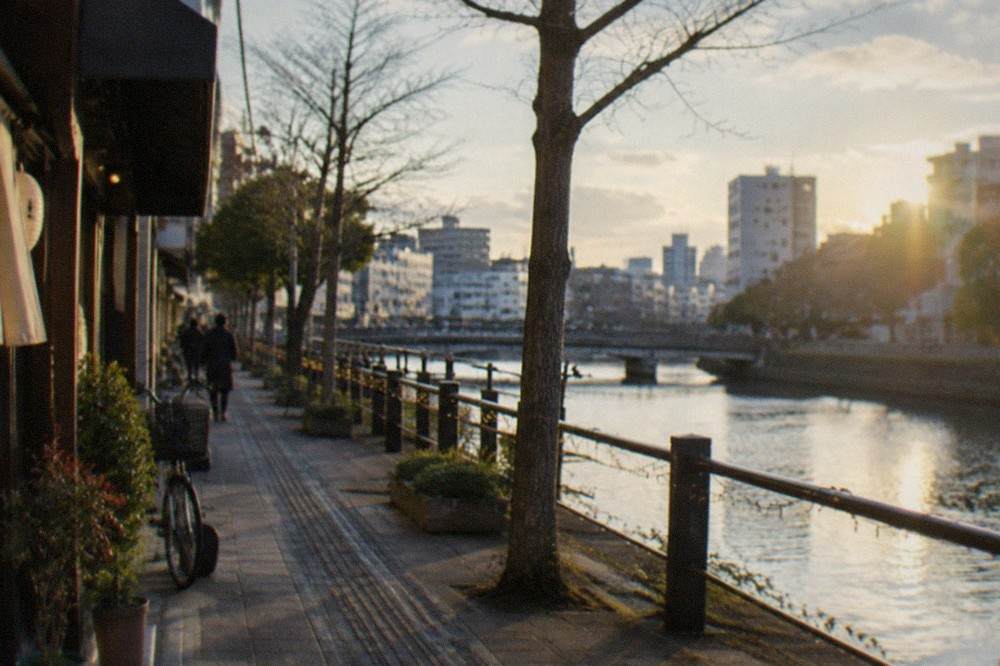
The second anchor is Nakasu. The Hikari no Advent lightups dress the Naka River's bridges and riverbank in the entertainment district, typically from early November into early January, and they pair naturally with the yatai food stalls that line the same stretch of water. You can read more about the stalls themselves in the Fukuoka yatai guide; for illumination purposes, what matters is that the lit riverbank and the food stalls share the same few hundred metres.
Around those two anchors sit the supporting displays: Tenjin's commercial illuminations around the shopping district, Hakata Station's plaza and rooftop shows, and Canal City's canal-side light and fountain programme. None of these charge anything to look at. The table below gives the overview.
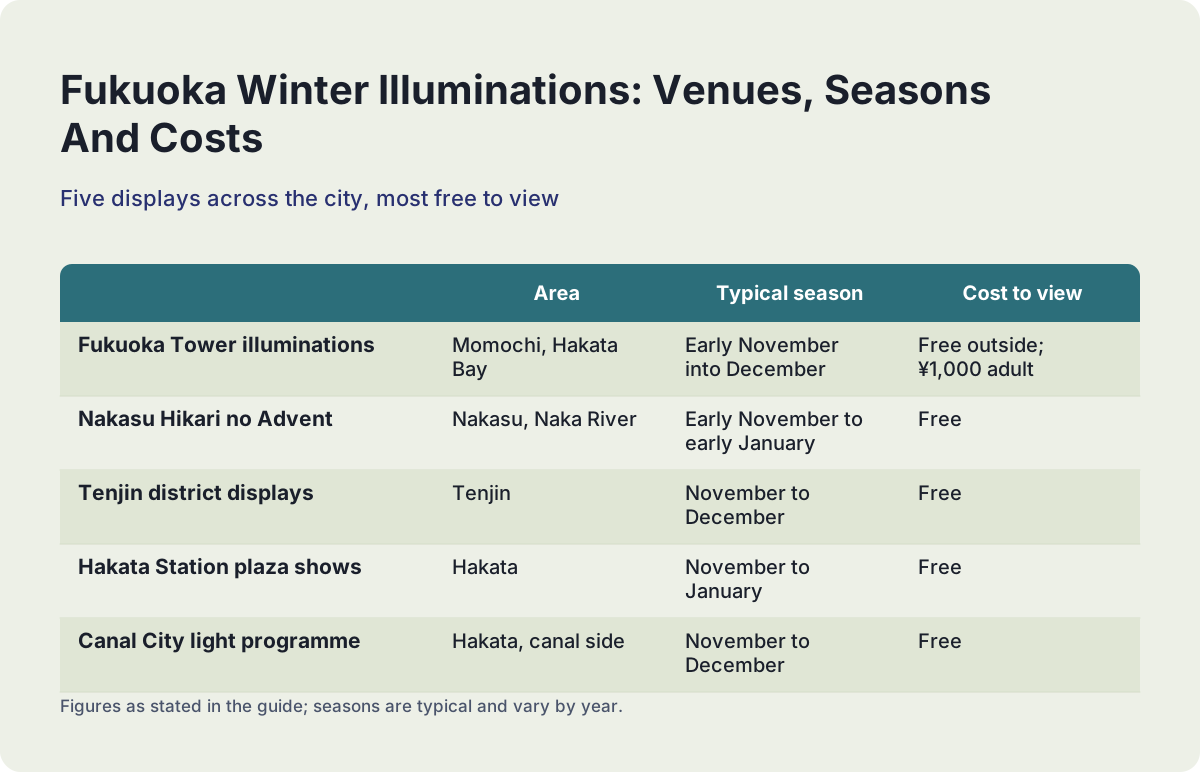
| Display | Area | Typical season | Cost to view |
|---|---|---|---|
| Fukuoka Tower illuminations | Momochi, Hakata Bay | Early November into December | Free from outside; tower admission ¥1,000 adult |
| Nakasu Hikari no Advent | Nakasu, Naka River | Early November to early January | Free |
| Tenjin district displays | Tenjin | November to December | Free |
| Hakata Station plaza shows | Hakata | November to January | Free |
| Canal City light programme | Hakata, canal side | November to December | Free |
For travellers weighing a winter trip against other seasons, the light season is a genuine point in December's favour, alongside the year's lowest rainfall: the JMA 1991-2020 normals record just 67.5 mm for December against 299.1 mm in July. The broader case for a cold-season visit is made in is it worth going to Fukuoka in winter.
Fukuoka Tower Illuminations: Dates, Themes and Tickets
Fukuoka Tower's winter illuminations run from early November into December in a typical year, with the Christmas tree motif as the centrepiece, and the tower is open 9:30 to 22:00 with last admission at 21:30. Admission is ¥1,000 for adults, ¥500 for elementary and junior high students, and ¥200 for children aged four and over. The tower publishes its seasonal themes on its own site, and the pattern in recent years has been consistent: a moon-viewing display with moon and rabbit motifs in late September, then the Christmas programme from early November. Because the illumination is mounted on the tower's exterior, you get two experiences for one display. Seen from the observation deck you look out over the bay and the city lights; seen from Momochi Seaside Park below, the tower itself is the show.
The practical detail most guides skip is the closure calendar. The tower closes annually on the last Monday and Tuesday of June, which falls on 28 and 29 June in 2027, and it may close earlier than 21:30 on crowded evenings. In November and December those closures do not apply, but the early-close caveat does: on busy illumination evenings the last admission can move earlier than the posted 21:30, so arriving before 20:00 is the safer plan. The full price list is on the official Fukuoka Tower charge page.
| Category | Admission |
|---|---|
| Adult, high school and above | ¥1,000 |
| Elementary and junior high | ¥500 |
| Age 4 and over | ¥200 |
| Fukuoka residents 65 and over, with ID | ¥900 |
| Disability rate (holder / carer) | ¥500 / ¥250 / ¥100 tiers |
Payment is flexible at the tower itself: cash, the major card networks and the big Japanese QR wallets are all accepted. If you would rather sort the ticket before you go, a pre-purchased tower admission is available from $7 per person, rated 5 from a single review, a small pool so treat the rating lightly. Check availability on the operator's live listing.
Getting to the tower is straightforward. Take the Kuko subway line to Tojinmachi station and walk about 15 minutes through the Momochi district, or catch a bus along the waterfront. The tower sits at the western edge of the bayside area described in the Fukuoka viewpoints guide, which covers the other high places worth seeing after dark.
Nakasu Hikari No Advent and the Naka River Lightups
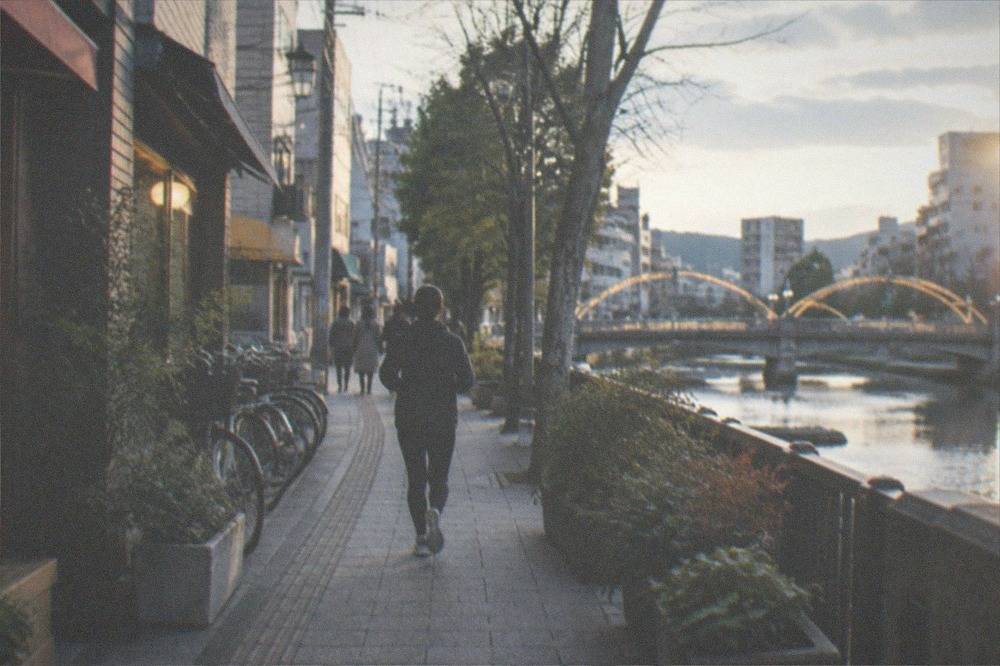
Nakasu's Hikari no Advent illuminations light the Naka River bridges and riverbank, typically from early November into early January, and they are free to view with no ticketing at all. The display sits in the middle of Fukuoka's entertainment and food district, so most visitors pair it with dinner at a yatai stall or an izakaya on the same walk. This is the illumination that defines a Fukuoka winter evening for most visitors, because it is embedded in the part of the city people are in anyway. Tenjin's business crowd drifts east after work, the yatai along the river light their lanterns from around 18:00, and the two light sources, formal and improvised, share the same water.
The geometry matters. Nakasu is the strip of land between the Naka River's two channels, and the illumination wraps the bridges at either end as well as the riverbank promenade. You do not need to find the display; walking from Nakasu-Kawabata station toward any river crossing puts you inside it. The stalls are covered separately in the yatai guide linked above, but note the honest framing for timing: stalls typically open around 18:00 to 18:30 and close in the small hours, weather permitting, and rain or strong wind closes many of them. The city's ordinance requires every stall to post its prices visibly, so the bill holds no surprises.
After the riverbank, the night extends naturally. Nakasu is the centre of the city's late-night economy, and the Fukuoka nightlife guide maps the bars and lounges beyond the stalls. A quieter option that keeps you on the water is a night cruise: a three-hour evening cruise with dinner runs from $96 per person, rated 5 from four reviews, a very small pool so judge it on the itinerary rather than the score.
If you prefer to stay on dry land, the same district hosts a well-reviewed evening format that strings together yatai stalls, izakaya and karaoke, from $99 per person and rated 5 from 29 reviews.
Tenjin, Hakata Station and the City-Wide Advent Displays
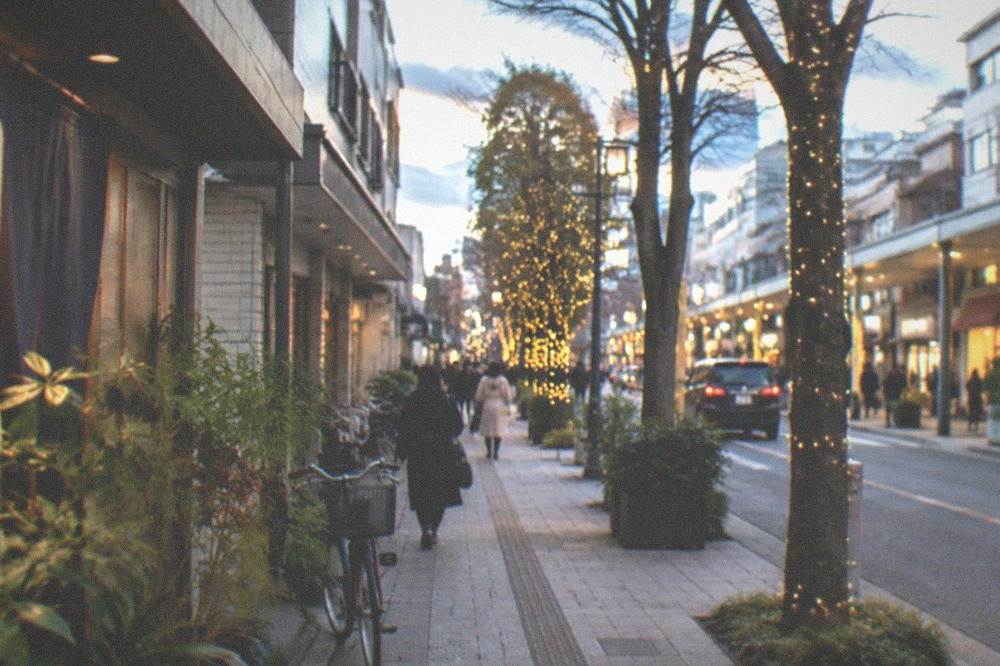
Tenjin and Hakata Station host the commercial winter illuminations: the shopping district's street-tree and plaza lightups in Tenjin, and the station plaza and rooftop displays around Hakata Station, all typically running November into January and all free. These are the displays you pass through rather than travel to, and they are what makes the season feel city-wide instead of confined to two venues. The city's Christmas Advent programme ties the venues together, with markets and light installations spread across multiple sites from mid-November toward 25 December, and an ice rink setting near Fukuoka Tower in some years.
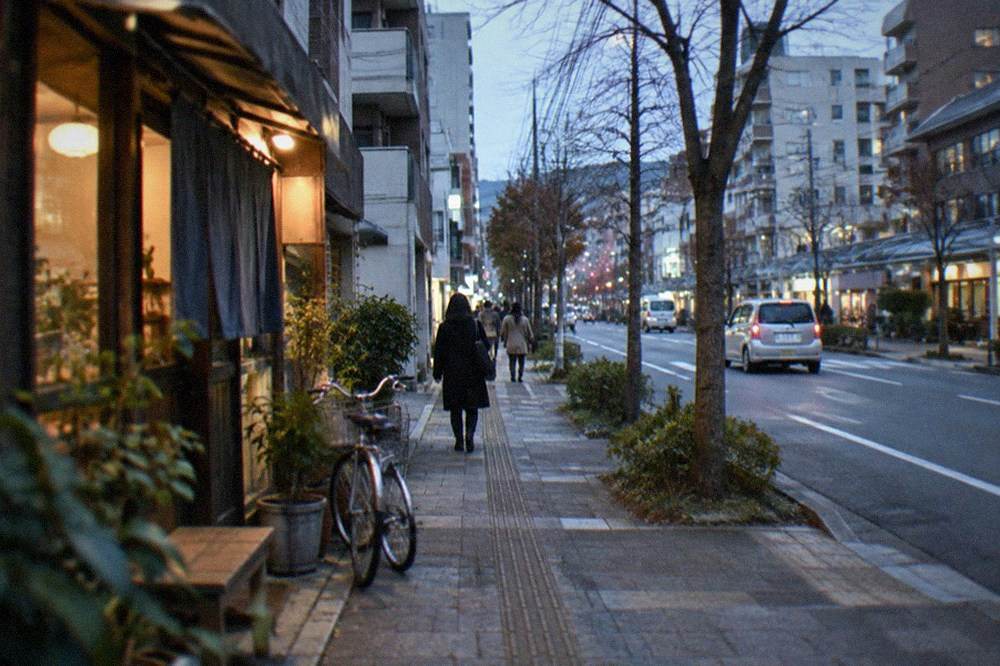
Tenjin's version is the most diffuse. The district is Fukuoka's main shopping area, and its illuminations follow the retail calendar: switch-on events in mid-November, peak density through December, and a wind-down after Christmas. Because Tenjin is also where the underground mall and the department stores sit, covered in the getting around Fukuoka guide, you can do an entire illumination walk without ever being more than a minute from somewhere warm, which in December, when the daily minimum averages 5.8°C, is worth planning around.
Hakata Station's displays concentrate in the plaza facing Chikushi exit and on the station building itself. The station is the city's main rail hub, and its winter programme is designed for the through-traffic: travellers changing trains between the subway and the Shinkansen walk directly under it. If you are arriving in the city by rail, the Hakata station guide covers the layout, and the plaza illumination is the first thing most visitors see of Fukuoka after dark.
Canal City Hakata runs its own programme along the artificial canal that runs through the complex, with light shows timed against the fountains. The complex is free to enter and open every day of the year, with shops generally 10:00 to 21:00 and restaurants 11:00 to 23:00, so it doubles as the reliable bad-weather option: if an evening turns wet, the canal-side shows continue indoors. Everything else covered here is indexed on Fukuoka Japan Travel Guide.
| District | What to expect | Best time to arrive |
|---|---|---|
| Tenjin | Street-tree lightups, plaza displays near the malls | 17:30 to 19:00, before shops close |
| Hakata Station | Plaza and building-face displays at Chikushi exit | Any evening; brightest after 17:00 |
| Canal City | Canal-side light and fountain shows | 18:00 onward, timed shows |
| Momochi | Tower display seen from the waterfront lawn | After sunset, before 20:00 |
| Nakasu | Riverbank and bridge illuminations plus yatai lanterns | 18:00 to 21:00 |
The Best Free Illumination Walks and Photo Spots
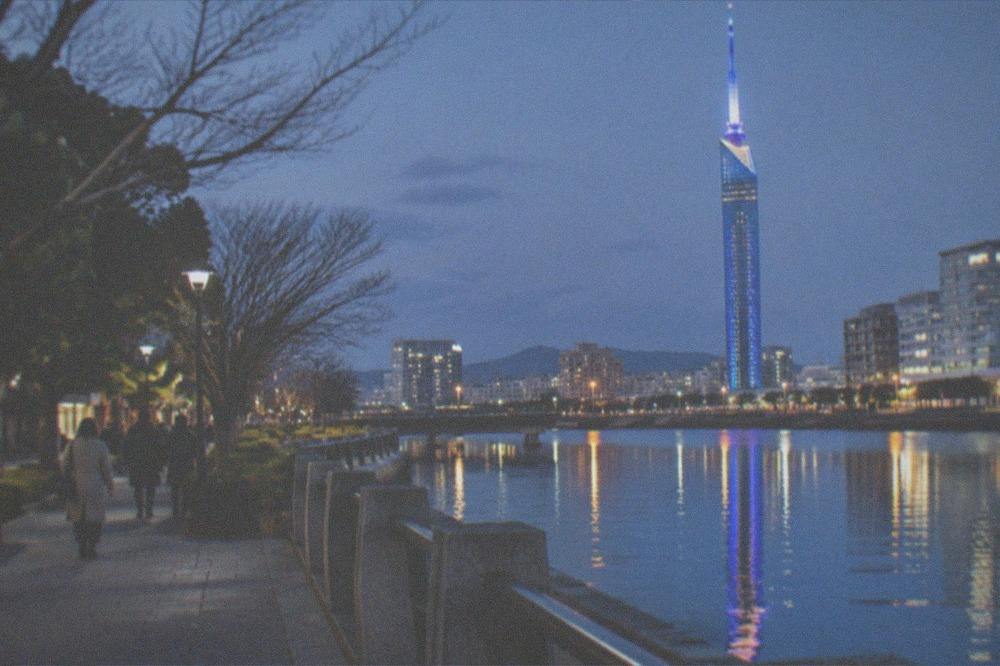
The best free illumination walks in Fukuoka are the Momochi waterfront lawn facing Fukuoka Tower, the Naka River bridges between Nakasu and Tenjin, and the Tenjin central park area, all free and all reachable on foot or by a single subway ride. None requires a ticket, and the tower display itself is fully visible from outside, so a complete evening of illuminations can cost nothing beyond transport. For photographers, the two compositions that work are the tower framed across the water at Momochi and the bridge arches reflected in the Naka River, both best shot in the blue hour just after sunset.
The Momochi walk is the more scenic of the two. From the seaside park lawn, the tower's full height carries the illumination, and the bay behind it gives you dark water for contrast. The waterfront is also where the city's beach and promenade sit, and in December the area is quiet enough that you will not be shooting over shoulders.
The river walk is the more social one. Starting at Tenjin and walking east along the Naka River toward Nakasu, you pass under the illuminated bridges and arrive at the yatai row at its most photogenic, lanterns lit and steam rising from the stalls. The route is flat, about a kilometre, and it ends in the middle of the food district, which is the correct place for an illumination walk to end.
Two honest notes on conditions. First, December is not the coldest the city gets: January averages 6.9°C against December's 9.1°C, so late-season evenings bite more than the switch-on events do. Second, the JMA normals, which you can check on the agency's own station page, show December giving 112.2 sunshine hours, which means plenty of clear evenings; the rain that closes the yatai is much scarcer in December than in July. The Fukuoka weather guide unpacks the full seasonal picture.
How to Plan an Illumination Evening: Transport, Timing and Cost
Plan illumination evenings around the subway: a one-day pass costs ¥640 for adults and covers all three lines, single fares run ¥210 to ¥380 by distance, and the Kuko and Hakozaki lines put you within a short walk of every major display. Start at the tower around sunset, finish in Nakasu after 18:00 when the yatai lanterns are lit, and expect a full evening to cost very little beyond food. The subway is the spine of the plan because the displays sit on opposite sides of the city centre. Momochi is on the Kuko line via Tojinmachi, Nakasu is on the Hakozaki line via Nakasu-Kawabata, and Tenjin and Hakata sit on all three lines' shared corridor. The fare table and pass details are in the Fukuoka subway guide.
| Journey | Line | Typical adult fare |
|---|---|---|
| Hakata to Tojinmachi (for the tower) | Kuko line | ¥260 to ¥300 |
| Tojinmachi to Nakasu-Kawabata | Kuko to Hakozaki, one transfer | Around ¥300 |
| Tenjin to Nakasu-Kawabata | Hakozaki line | ¥210 |
| Fukuoka Airport to Hakata | Kuko line | ¥260 |
| Any line, unlimited, one day | 1-day pass | ¥640 |
Timing is the difference between a good evening and a rushed one. Sunset in December falls early enough that the blue hour, the best window for photographs, arrives around 17:30. That gives a natural sequence: the tower and Momochi first, while the sky still holds colour, then the subway east, and the river and stalls from 18:00 onward when the yatai are opening. Anyone flying in the same day should note that the airport is unusually close to the city centre, and the subway fare from the airport to Hakata is ¥260; the airport to city guide covers the options, and there is no JR Fukuoka station, the rail hub is Hakata.
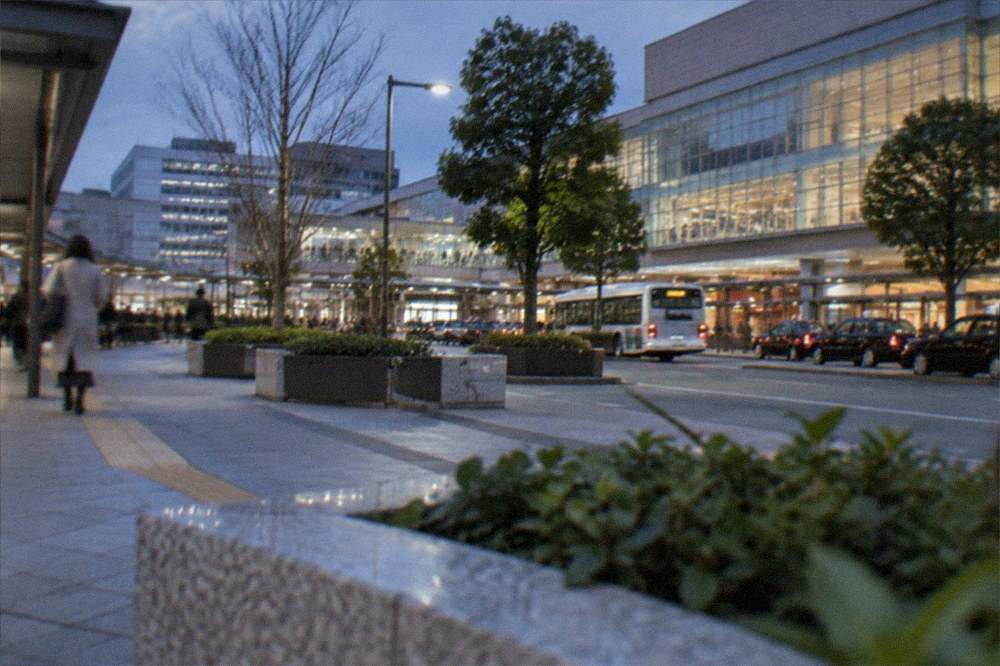
Budget-wise, the illumination season is one of the cheapest ways to spend an evening in the city. Every display except the tower's observation deck is free, and the tower itself is a ¥1,000 adult ticket if you choose to go up. A realistic evening budget is transport, dinner at the stalls and a drink: the city publishes no average yatai price, and honest guides should not invent one, but the posted-price ordinance means you will see every dish's price before you commit.
What Else to Do on a Winter Evening in Fukuoka
Beyond the illuminations, a Fukuoka winter evening offers yatai dining along the Naka River, izakaya and bar districts in Nakasu and Daimyo, a night cruise on Hakata Bay, and indoor options including teamLab Forest and the city's museums, with most food and drink venues running late and the stalls typically open from around 18:00 into the small hours. The light season and the food season are the same season, which is the city's quiet advantage over places where illuminations stand alone in a park at the edge of town.
The classic pairing is illumination walk followed by yatai dinner. The stalls cluster in Nakasu, Tenjin and Nagahama, about 100 of them city-wide, and the Fukuoka food guide covers what to order once you are seated: tonkotsu ramen, motsunabe, mentaiko and the kaedama noodle refill. If you would rather have someone steer you through the stalls and the ordering, a private Nakasu stall tour with tastings runs from $94 per person, rated 4.7 from 70 reviews.
For a slower evening, the cultural options slot neatly into the illumination schedule. A one-hour tea ceremony with a maiko costs from $18 per person, rated 4.9 from 11 reviews, and fits an afternoon before the lights come on. A sake tasting with three appetizers in Nishinakasu runs from $51 per person, rated 4.6 from 7 reviews, and sits in the same district as the river illuminations, so the walk between the two is a few minutes.
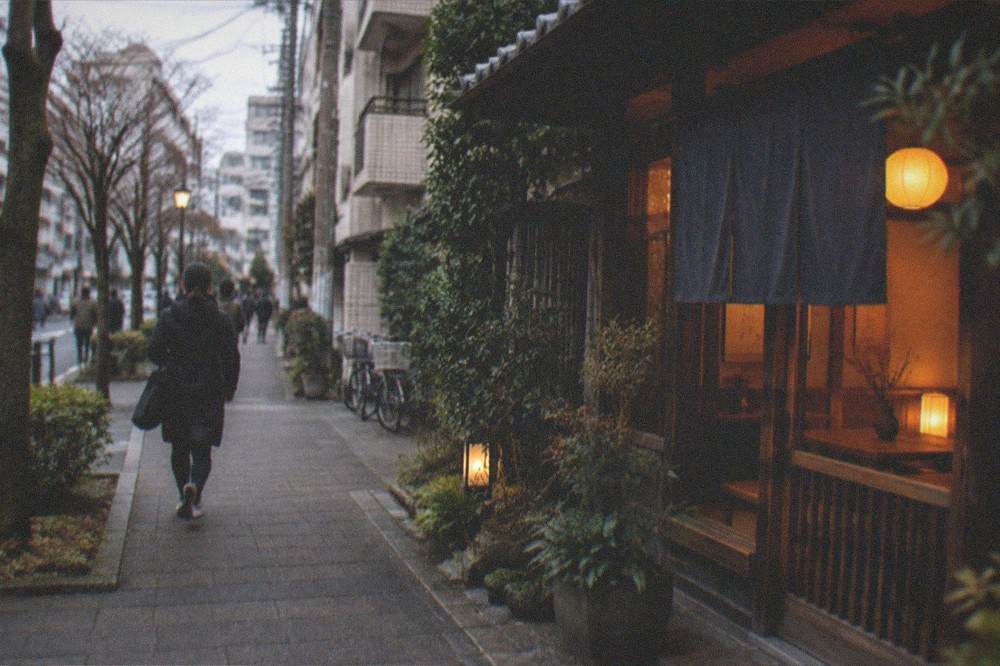
Families get a good deal from the season too. The displays are free, the walks are short, and the Fukuoka with kids guide lists the indoor backups, including teamLab Forest, whose immersive art ticket starts at $27 per person, rated 3.8 from 14 reviews. If you are building the illumination evenings into a longer stay, the seasonal advice in the best time to visit Fukuoka puts December in context against the spring blossom season.
Common Questions About Winter Illuminations in Fukuoka
Where Are The Winter Illuminations In Fukuoka?
The main displays are at Fukuoka Tower in Momochi, along the Naka River in Nakasu as part of the Hikari no Advent programme, and across Tenjin, Hakata Station and Canal City. Most run from early November into early January, and only the tower charges admission.
When do Fukuoka's illuminations start and finish?
Most displays switch on in early November and run into early January. The Fukuoka Tower Christmas motif typically runs from early November into December, while the Nakasu riverbank lights continue into the new year.
How much does it cost to see the illuminations?
Every outdoor display is free to view. The only admission is Fukuoka Tower itself if you want to go up: ¥1,000 for adults, ¥500 for elementary and junior high students, and ¥200 for children aged four and over.
Is December a good time to visit Fukuoka for the lights?
Yes. December averages 9.1°C with only 67.5 mm of rain, the driest of the winter months, so clear evenings are common. The illumination season also overlaps with the yatai food stalls at their most atmospheric.
Can you combine the illuminations with the yatai stalls?
Easily, and most visitors do. The Nakasu riverbank illuminations and the yatai stalls share the same stretch of the Naka River, and the stalls typically open around 18:00 to 18:30, right as the lights are at their best.