Vegetarian and Vegan Food in Fukuoka
Fukuoka built its food reputation on tonkotsu pork broth and mentaiko, which makes the honest question for plant-based eaters a fair one. The answer is more encouraging than the city's ramen fame suggests.
Short answer
Yes, with effort. Fukuoka is a genuinely food-obsessed city, and vegetarians and vegans can eat well here: about 100 licensed yatai stalls, a growing number of plant-based ramen and cafe spots, Buddhist temple cuisine, and dishes like hitokuchi gyoza and udon that adapt easily. The hard part is pork-based tonkotsu broth, so learn the phrase "no meat, no fish" and check broths before ordering.
Fukuoka's reputation runs on pork. Tonkotsu ramen, the city's signature bowl, is built on hours of boiling pork bone, and mentaiko, the spicy pollock roe the region is famous for, turns up in everything from onigiri to pasta. That is the honest starting point for any plant-based eater planning a trip here, and it would be lazy to pretend otherwise. But the city of about 1.66 million people that grew faster than any other designated city in Japan has also grown a food scene far wider than its most famous dishes, and vegetarians and vegans who arrive prepared eat remarkably well. This Fukuoka Japan Travel Guide page covers what to order, what to avoid, which neighbourhoods to work, and the exact phrases that make the difference between a great meal and an accidental bowl of fish stock.
Is Fukuoka a Foodie City for Vegetarians and Vegans?
Yes, with preparation. Fukuoka is unambiguously a food city: it holds more licensed yatai street stalls than anywhere else in Japan, about 100 under a city ordinance that even bans vague market-price menus. Vegetarians and vegans will not stumble into plant-based meals by accident here, because pork and fish stock are everywhere, but the city's Buddhist temple cuisine, udon culture, and a fast-growing cafe scene mean a prepared visitor eats very well indeed.
The distinction that matters is between a city that loves food and a city that caters to a specific diet. Fukuoka is firmly the first and only recently the second. Dashi, the foundational Japanese stock, is usually made with katsuobushi, dried bonito flakes, and it hides in miso soup, simmered vegetables, sauces and even seemingly plain rice dishes. Fish-based dashi is the single most common reason a vegetarian meal in Japan quietly stops being vegetarian.
That said, the city has real structural advantages for plant-based eating. Kyushu grows serious produce, and Fukuoka's markets, especially Yanagabashi, carry vegetables and tofu that most visitors never see at home. Buddhist cuisine, shojin ryori, has been vegan by design for centuries, and temples and specialist restaurants around the city still serve it. And the international student population, one of the largest in Japan, has pulled a wave of cafes, Middle Eastern kitchens and Asian restaurants into Tenjin and Daimyo that treat plant-based cooking as normal rather than as a favour.
If you are planning the eating side of your trip in detail, the broader Fukuoka food guide covers the full culinary landscape, and the question of what food Fukuoka is famous for explains why the city's fame is so concentrated on pork and roe in the first place.
What Dishes Can Vegetarians and Vegans Actually Order?
The safe list is longer than most visitors expect: udon in a kelp-based broth, hitokuchi gyoza filled with vegetables, tofu dishes, tempura made from seasonal vegetables, rice balls without fillings, and the Buddhist temple cuisine called shojin ryori, which is fully plant-based by religious rule. The danger list is shorter but stricter: tonkotsu ramen, motsunabe, mentaiko, and almost any miso soup or simmered dish unless you confirm the stock.
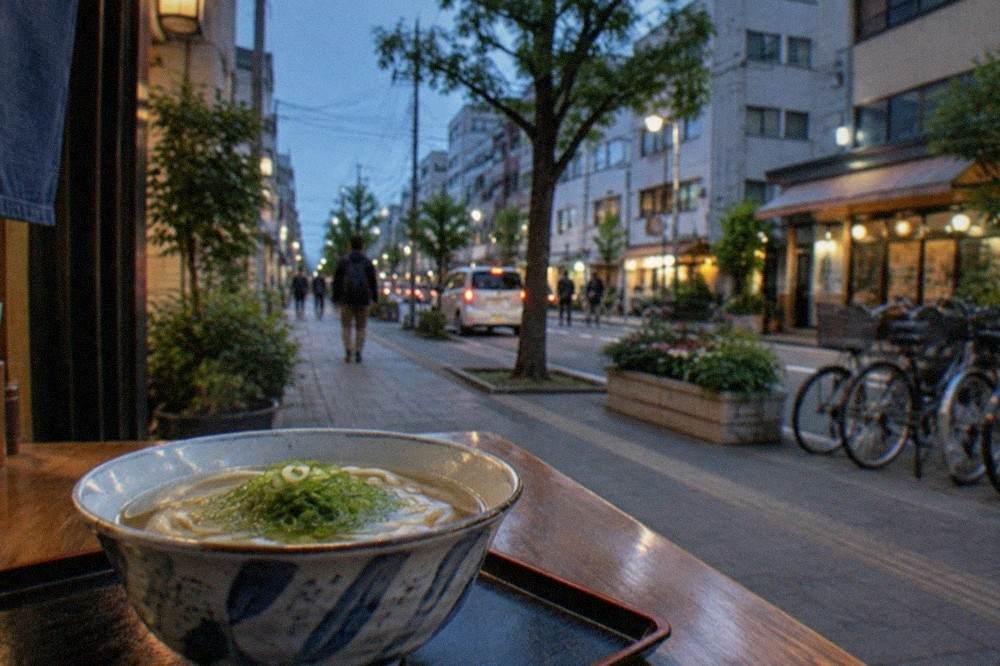
Udon deserves its place at the top of the list. Fukuoka is one of Japan's great udon regions, the noodles are wheat and the broth can be made from kelp rather than fish, but you must ask, because many shops use a mixed dashi. The phrase that works is "dashi wa konbu desu ka", meaning "is the stock kelp?", and a shop that makes its own broth will answer straight. A close relative of the local hitokuchi gyoza, the one-bite dumpling Hakata is known for, is often filled with vegetables, though plenty of versions mix in pork, so the same question applies.
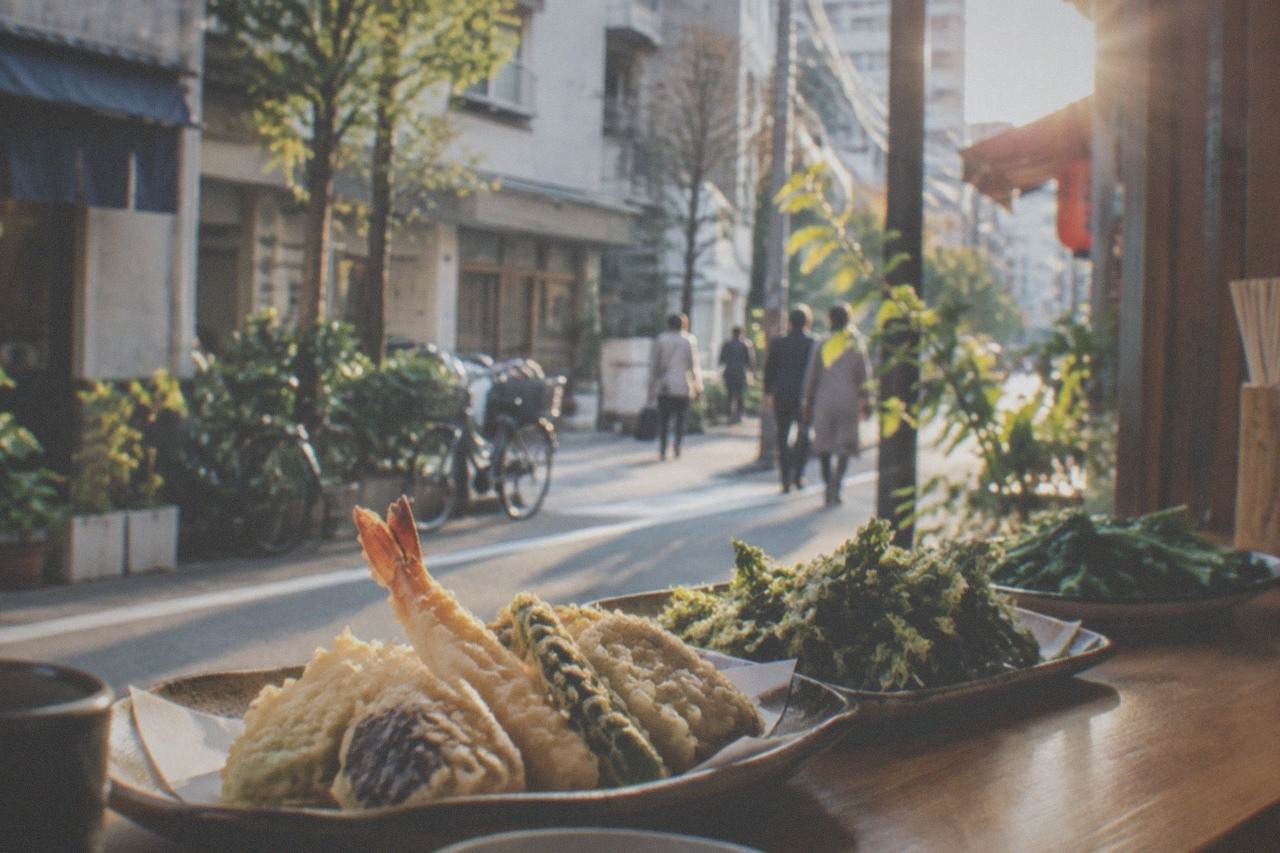
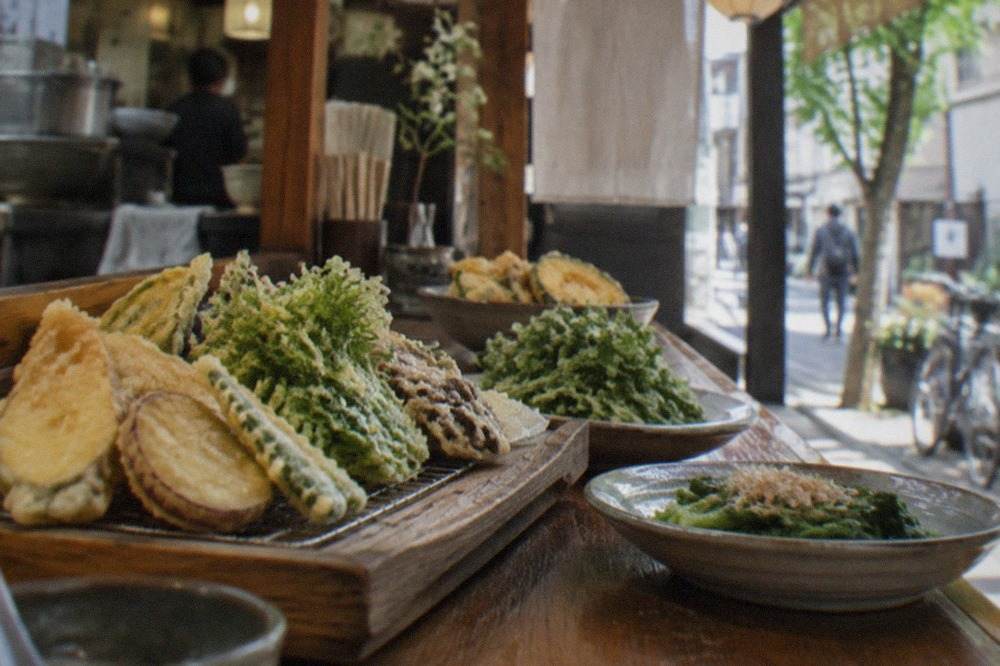
Tempura is the easiest sell for a vegetarian who eats dairy-free fried food: seasonal vegetables, sweet potato, lotus root and shiso leaf, fried in front of you. The batter is traditionally flour and water, and the tsuyu dipping sauce is the one thing to check, since standard tsuyu contains katsuobushi. Ask for salt instead, which many shops offer anyway.
The dish to be genuinely careful with is ramen. Tonkotsu broth is pork bone by definition, so a vegetarian tonkotsu bowl does not exist in a traditional shop, and a vegan one certainly does not. What has changed in recent years is the arrival of plant-based ramen shops in the city, several of them in the Tenjin and Daimyo area, which build their broth from soy, kelp or sesame and label themselves clearly in English. These are real restaurants, not novelty items, and they are the single biggest improvement in Fukuoka for visiting vegans. The full background on the city's ramen culture, including what makes the local bowl distinct, is in the Hakata ramen guide.
| Dish | Plant-based by default? | The one thing to check |
|---|---|---|
| Udon | Often, if the broth is kelp | Ask whether the dashi is kelp or fish |
| Hitokuchi gyoza | Sometimes | Whether the filling mixes in pork |
| Vegetable tempura | Usually | The tsuyu dipping sauce, ask for salt |
| Miso soup | Almost never | Katsuobushi in the stock |
| Tonkotsu ramen | Never | The broth is pork bone by definition |
| Mentaiko | Never | It is pollock roe |
| Shojin ryori | Always | Nothing, it is vegan by religious rule |
The yatai stalls are a special case, and the city's own rules help more than visitors realise. Fukuoka's yatai ordinance requires every stall to display its prices where customers can easily see them, and it bans the vague "market price" labelling that leaves room for surprises, according to the city's official yatai Q&A page. About 100 stalls operate across the city, concentrated in Nakasu, Tenjin and Nagahama, and while many are ramen-focused, several serve yakitori-style vegetable skewers, oden and tempura where a polite conversation about what is in the pot gets you a long way. The etiquette and mechanics of eating at a stall, including what to expect at the counter, are covered in the Fukuoka yatai guide.
Which Neighbourhoods Make Plant-Based Eating Easiest?
Tenjin and Daimyo are the practical answer: the area around the city's business core has the densest concentration of cafes, international kitchens and clearly labelled plant-based ramen shops, and staff are the most used to dietary questions. Nakasu and the riverside yatai rows are atmospheric but harder work, Hakata Station is convenient for chains, and the areas around the universities pull in cheap vegetarian Asian food.
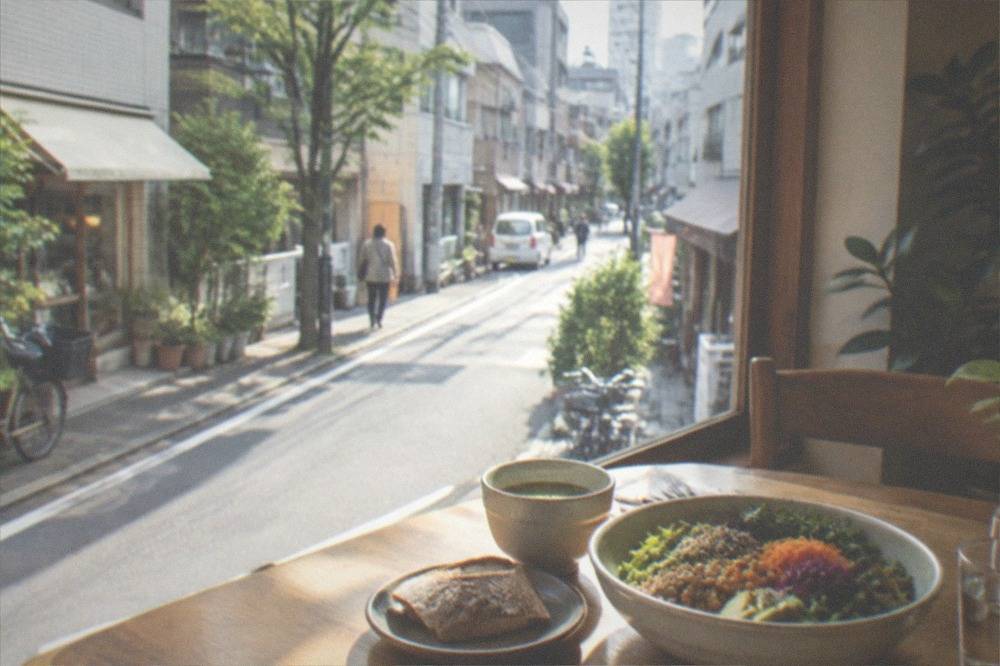
Daimyo, the low-rise district just west of Tenjin, is where Fukuoka's cafe culture lives, and cafe culture is where plant-based cooking is most fluent. Independent coffee shops here routinely offer vegan sweets, soy lattes and grain bowls without being asked, and the neighbourhood's density means that if one kitchen cannot help, another is thirty metres away. Tenjin proper adds department-store basement food halls, which are more useful than they sound: a food hall lets you read labels and point at exactly what you want, which beats improvising at a counter.
The university belt to the south and east of the centre is the budget option. Fukuoka has one of Japan's largest student populations, and the cheap Asian kitchens that follow students, Indian, Thai, Taiwanese and Nepali, are the most reliable source of vegan meals in the city, partly because these cuisines already understand cooking without meat as a default rather than as an exception. The halal food scene overlaps here too, and while halal is not the same as vegetarian, the two diets share a reliance on kitchens that take ingredient questions seriously, which the halal food guide explores in detail.
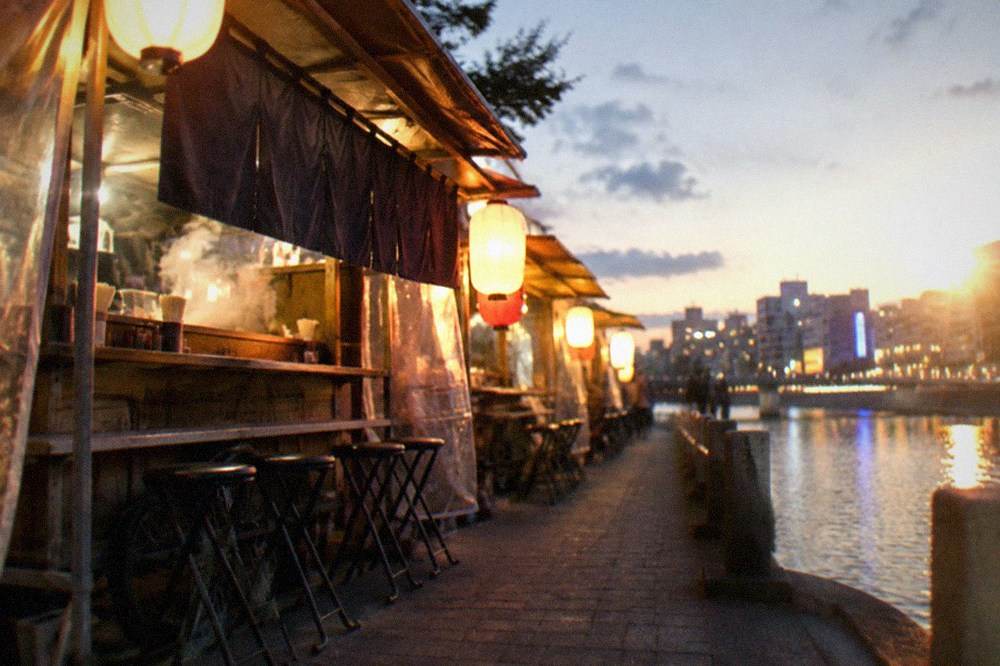
Nakasu, the entertainment district on the Naka River, is the one to plan rather than drift into. Its famous yatai row is the most photogenic in the city, and a visit is worth making for the atmosphere alone, but the stalls are small, the menus are short and the default is pork and fish. Going with a guide solves the conversation problem, and a private tour with tastings is the version designed for exactly that: someone who speaks the language of the stall and can steer you to the vegetable oden and the meat-free skewers rather than leaving you to guess. The Nakasu food stall private guided tour with tastings, from $94 per person and rated 4.7 from 70 reviews over two hours, does this in the district where it matters most, and details are on the tour's own page.
A guided evening is not the only way to eat plant-based in Nakasu, but it is the one that removes the guesswork, and the difference between a good stall visit and a frustrating one is usually a single question about stock that a guide asks without hesitation. For travellers who prefer to work the stalls independently, the phrase card in the next section does most of the same work at the cost of a little courage.
For visitors who want the same reassurance across the whole city rather than one district, a private local guide who plans the route around your diet is the other format worth knowing about. The Fukuoka Essentials history, culture and charms tour, from $74 per person, rated 4.9 from 48 reviews, runs three to six hours with a local guide who can build the food stops into a wider walk, and there is more on the guided walking tours overview.
What Should You Say When Ordering?
Learn three phrases and use them everywhere: "niku nashi" means no meat, "sakana nashi" means no fish, and "dashi wa konbu desu ka" asks whether the stock is kelp. The critical one is fish, because Japanese kitchens often treat meat-free as satisfied while still using fish stock, and dashi hides in soups, sauces and simmered dishes more often than any visitor expects.
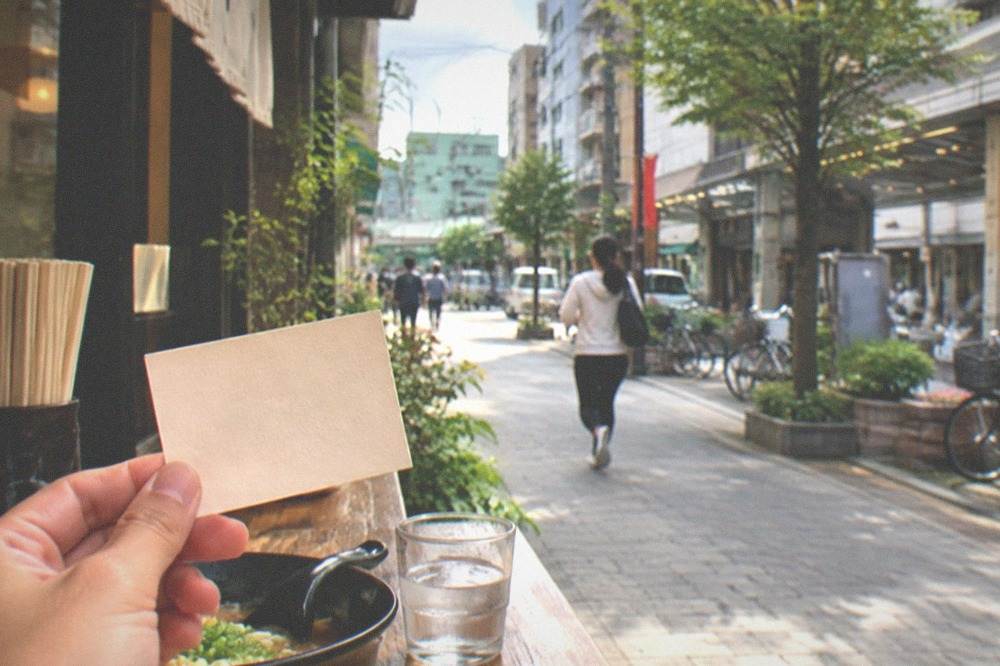
The single most common failure mode for vegetarians in Japan is not a kitchen that ignores the request, it is a request that was never fully made. "Vegetarian" as an English word is increasingly understood in Fukuoka's centre, but it is often interpreted as "no chunks of meat", which still permits chicken stock, pork broth and bonito flakes. Saying both "no meat" and "no fish" closes that gap. Vegans should add "tamago nashi, chizu nashi", no egg, no cheese, and be prepared for honey and mayonnaise, both of which appear in dishes that look plant-based.
A written card works better than a spoken phrase in a loud yatai or a busy lunch shop. A short card in Japanese that states your diet and asks the kitchen to tell you if anything in the dish contains meat, fish or fish stock turns a gamble into a conversation, and staff in Fukuoka respond to it well, because the city's food culture is proud and direct. If you are travelling with kids and managing two diets at once, the Fukuoka with kids guide has the family-restaurant side of the picture.
English support in the city is decent at the centre and thin at the edges, which is the honest summary. The Fukuoka English guide maps where language help exists, from tourist offices to app coverage, and it is worth reading before a food-focused trip, because the districts with the most interesting small kitchens are often the districts with the least English.
| Phrase | Meaning | When to use it |
|---|---|---|
| Niku nashi | No meat | Every order, everywhere |
| Sakana nashi | No fish | Every order, everywhere |
| Dashi wa konbu desu ka? | Is the stock kelp? | Udon shops, simmered dishes, sauces |
| Tamago nashi | No egg | Vegan orders |
| Chizu nashi | No cheese | Vegan orders, Western-style cafes |
| Katsuobushi nashi | No bonito flakes | Miso soup, cold tofu, dressed salads |
Where Does Temple Cuisine Fit In?
Buddhist temple cuisine, shojin ryori, is the oldest fully plant-based tradition in Japan and the strictest vegan meal you can eat in Fukuoka without a single question: it excludes meat, fish and dairy by religious rule, and its stock is built on kelp and dried shiitake. It is also the most expensive way to eat plant-based here, served as a formal multi-course meal rather than a quick lunch.
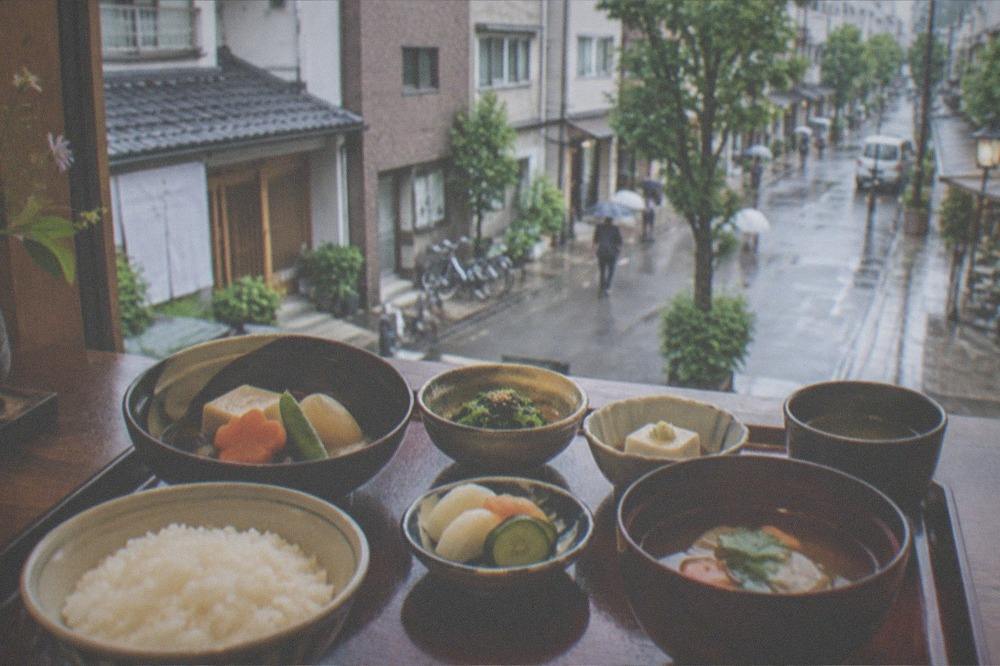
Shojin ryori is worth understanding before you order it, because it is not a menu option, it is a cuisine. Developed in Zen Buddhist monasteries, it treats seasonal vegetables, tofu, seaweed and grains with techniques that extract maximum flavour without animal products, and its flavour base, kelp and dried shiitake stock, is exactly the stock a vegan visitor wants to see on any menu anywhere in Japan. The meals are served in courses, they take time, and they are priced accordingly, so they suit a planned dinner or a rest day rather than a refuelling stop.
The tradition connects to the city's temple geography. Fukuoka's temples, from Shofukuji, the first Zen temple in Japan, to Tochoji with its Great Buddha, sit inside the modern city rather than outside it, and the wider temples and shrines guide covers which ones reward a visit. A temple visit paired with a plant-based meal is also the most reliable rainy-day plan in the city, and the rainy day itinerary builds exactly that kind of day.
A gentler bridge into traditional food culture is the tea ceremony. The Fukuoka Special Japanese Tea Ceremony with Maiko, from $18 per person and rated 4.9 from 11 reviews, runs about an hour and centres on matcha and traditional sweets, which are typically plant-based, and it gives a visitor the formal side of Japanese hospitality without a menu negotiation. The sweet served alongside the tea is the kind of dish that is vegan by tradition rather than by request.
What Does a Vegetarian Food Day in Fukuoka Look Like?
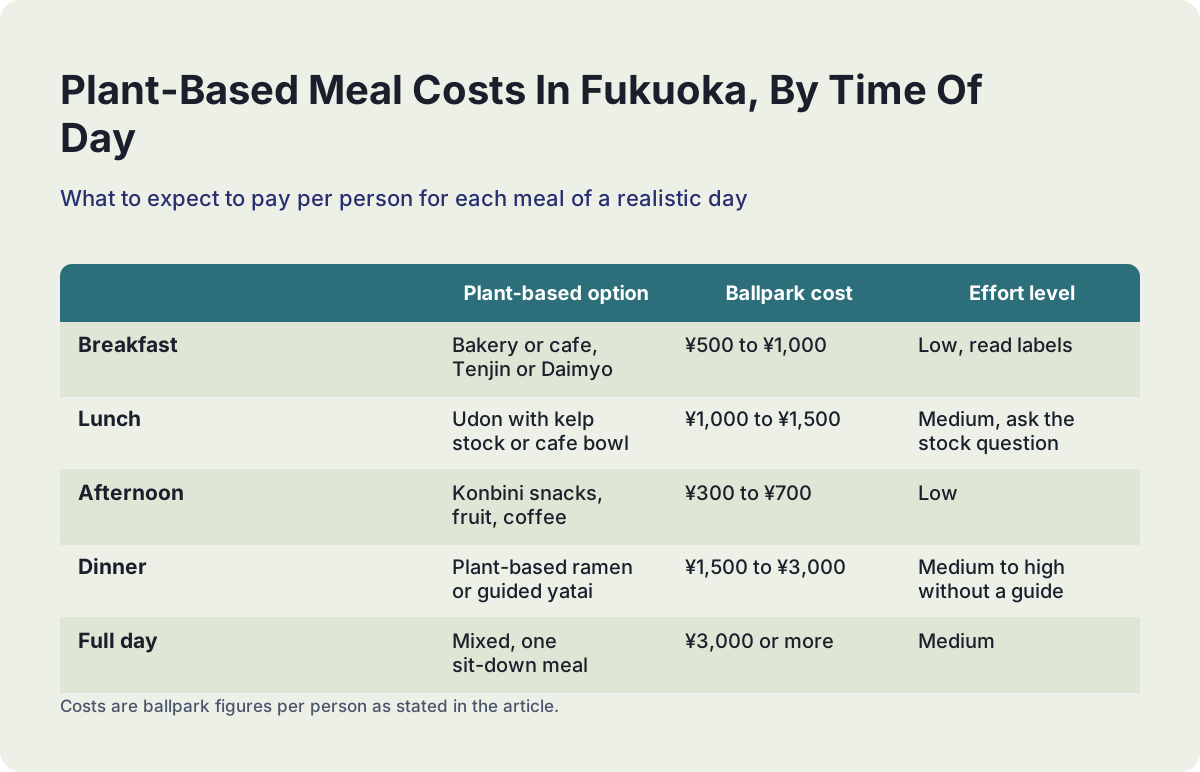
A realistic day starts with a bakery or konbini breakfast read carefully, moves through a Daimyo cafe or udon lunch with the kelp-stock question asked, spends the afternoon at Ohori Park or a museum, and ends at a plant-based ramen shop or a guided yatai visit in Nakasu. Budget roughly ¥1,000 to ¥1,500 for a casual plant-based lunch and more for dinner, and expect the yatai experience to need either a phrase card or a guide.
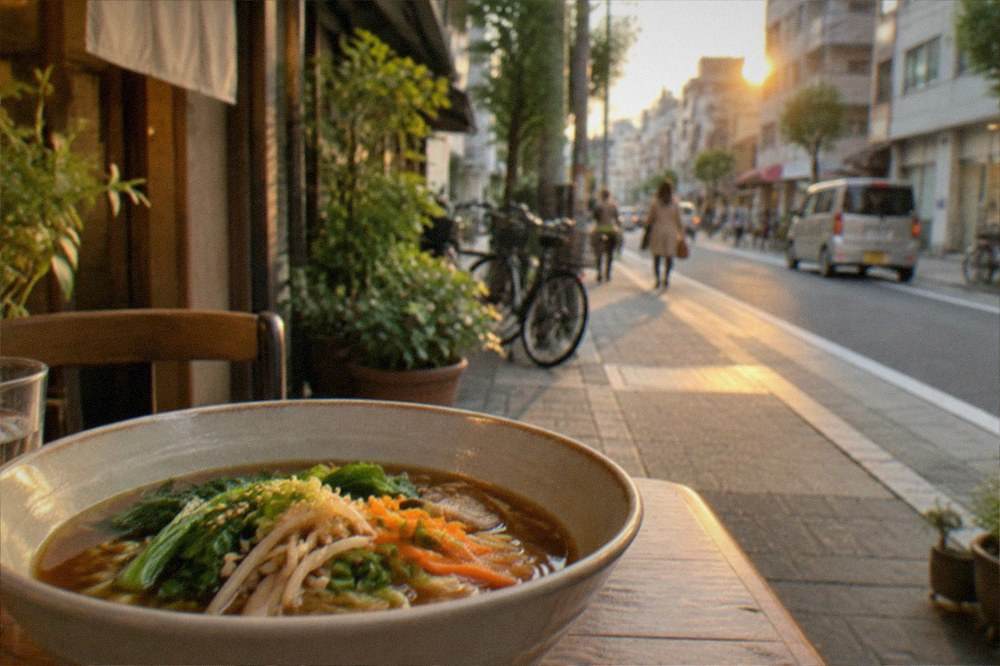
The shape of the day matters because Fukuoka's food culture is strongest in the evening. Mornings are easy: the city's bakery scene, its coffee shops and its konbini all offer items that read as plant-based once you check the label. Lunch is the meal where a little planning pays, because the business-core lunch rush fills popular shops by noon, and a Daimyo cafe that serves a grain bowl or a vegan curry at 11:30 is the same shop with a forty-minute queue at 12:30.
The afternoon belongs to the city's non-food attractions, and most of them are free. Ohori Park's grounds cost nothing, the park's Japanese Garden charges ¥250 for adults and ¥120 for children and is closed Mondays, according to the garden's official site, and both city art museums charge only ¥200 for their collections, with free entry for under-15s. A full plan for a first visit, food and everything else, is laid out in the one day itinerary, and the food crawl itinerary is the version that reorganises the whole day around eating.
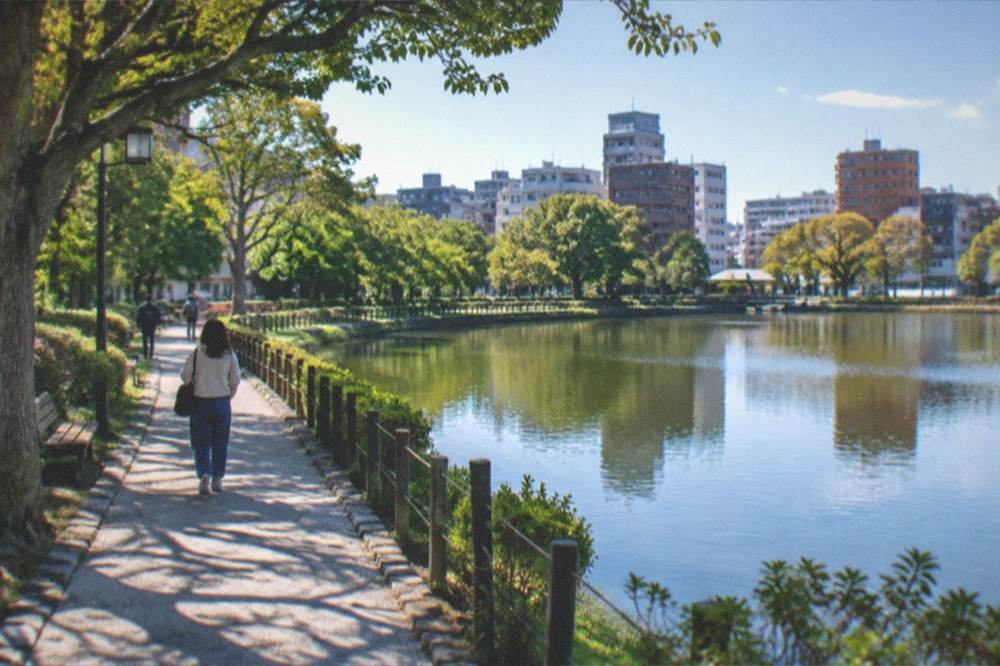
Dinner is where the city earns its food reputation, and where a plant-based visitor chooses between two good options. The first is the modern one: a plant-based ramen or vegan kitchen in Tenjin or Daimyo, booked or queued for like any popular local restaurant. The second is the traditional one with a guide: the yatai rows, where a private tour handles the language and the stall selection. Both work, and mixing them across a multi-day visit is the best answer of all.
| Meal | Realistic plant-based option | Ballpark cost per person | Effort level |
|---|---|---|---|
| Breakfast | Bakery or cafe in Tenjin or Daimyo | ¥500 to ¥1,000 | Low, read labels |
| Lunch | Udon with kelp stock, or Daimyo cafe bowl | ¥1,000 to ¥1,500 | Medium, ask the stock question |
| Afternoon | Konbini snacks, fruit, coffee | ¥300 to ¥700 | Low |
| Dinner | Plant-based ramen shop or guided yatai visit | ¥1,500 to ¥3,000 | Medium to high without a guide |
| Full day | Mixed, with one planned sit-down meal | ¥3,000 or more | Medium |
Costs are planning ranges drawn from typical city-centre pricing, not operator promises, and they move with the neighbourhood and the season.
Do You Need a Tour to Eat Well Here?
No, but a guide removes the two hardest frictions: language at small counters and stock identification in dishes that look plant-based but are not. A visitor with a phrase card and a list of three or four target restaurants eats well alone in Tenjin and Daimyo. A visitor who wants the yatai experience, the back streets or a full day of eating without translation stress gets real value from a guided food tour.
The honest framing is that Fukuoka rewards preparation more than most Japanese food cities, because its signature dishes exclude plant-based eaters by definition rather than by accident. A tonkotsu bowl cannot be made vegetarian, so the vegetarian version of a Fukuoka food trip is a different trip, built on udon, temple cuisine, cafes and the vegetable ends of yatai menus, and a guide who already knows that map saves the trial and error. The Fukuoka food tours overview compares the formats side by side, and the street food guide covers the stalls you can work on your own.
For travellers arriving at Fukuoka Airport, the eating starts sooner than most guides admit. The airport sits unusually close to the city centre on the subway's Kuko line, the fare to Hakata is ¥260, and there is no JR Fukuoka Station to confuse the routing, the station is Hakata and Hakata is a ward of Fukuoka, not a separate city. The airport to city guide has the full transfer picture, including where to pick up an IC card before the first meal.
Common Questions About Vegetarian and Vegan Food in Fukuoka
Is Fukuoka A Foodie City For Vegetarians And Vegans?
Yes, with preparation. Fukuoka is a serious food city with about 100 licensed yatai stalls, a strong udon tradition, Buddhist temple cuisine that is plant-based by rule, and a growing set of plant-based ramen and cafe kitchens in Tenjin and Daimyo. The city's signature dishes, tonkotsu ramen and mentaiko, exclude vegetarians by definition, so the trip works best when you plan around the dishes that do not.
Can vegans eat at Fukuoka's yatai stalls?
Sometimes, with a conversation. Many stalls are ramen-focused with pork-bone broth, but some serve vegetable skewers, oden and tempura where the stock question decides the meal. The city ordinance requires visible prices, which helps, but there is no substitute for asking about dashi. A guided yatai visit with a Japanese-speaking guide is the reliable version of the experience.
What Japanese phrases do vegetarians need in Fukuoka?
Three: "niku nashi" for no meat, "sakana nashi" for no fish, and "dashi wa konbu desu ka" for asking whether the stock is kelp. The fish phrase matters most, because kitchens often treat a meat-free request as satisfied while still using fish stock in soups and sauces. A written card in Japanese works better than a spoken phrase in loud or busy shops.
Is tonkotsu ramen ever vegetarian?
Not in a traditional shop. Tonkotsu broth is made by boiling pork bone, so the name itself rules it out. The plant-based alternative is the growing number of vegan ramen shops in the Tenjin and Daimyo area, which build broths from soy, kelp or sesame and label themselves clearly. These are the best ramen option for plant-based visitors in the city.
Where are the best areas for plant-based food in Fukuoka?
Tenjin and Daimyo, for cafes, food halls and clearly labelled plant-based kitchens. The university belt to the south and east for cheap Indian, Thai and Nepali food that treats meat-free cooking as normal. Nakasu for the yatai atmosphere with a guide. Hakata Station for convenient chain options when you need something fast.
Is shojin ryori a good option for vegans?
It is the strictest and most traditional vegan meal available in the city. Buddhist temple cuisine excludes meat, fish and dairy by religious rule and builds its flavour on kelp and dried shiitake stock. It is served as a formal, multi-course meal, takes time and costs more than casual dining, so it suits a planned dinner or a slow day rather than a quick lunch stop.