Getting by in English in Fukuoka
Fukuoka is one of the easiest Japanese cities for a visitor who speaks no Japanese, but the ease is uneven: transport and ticketing are largely solved, food stalls and small restaurants are hit and miss, and the biggest mistake in most guides is a stale price for the city's tourist pass.
Short answer
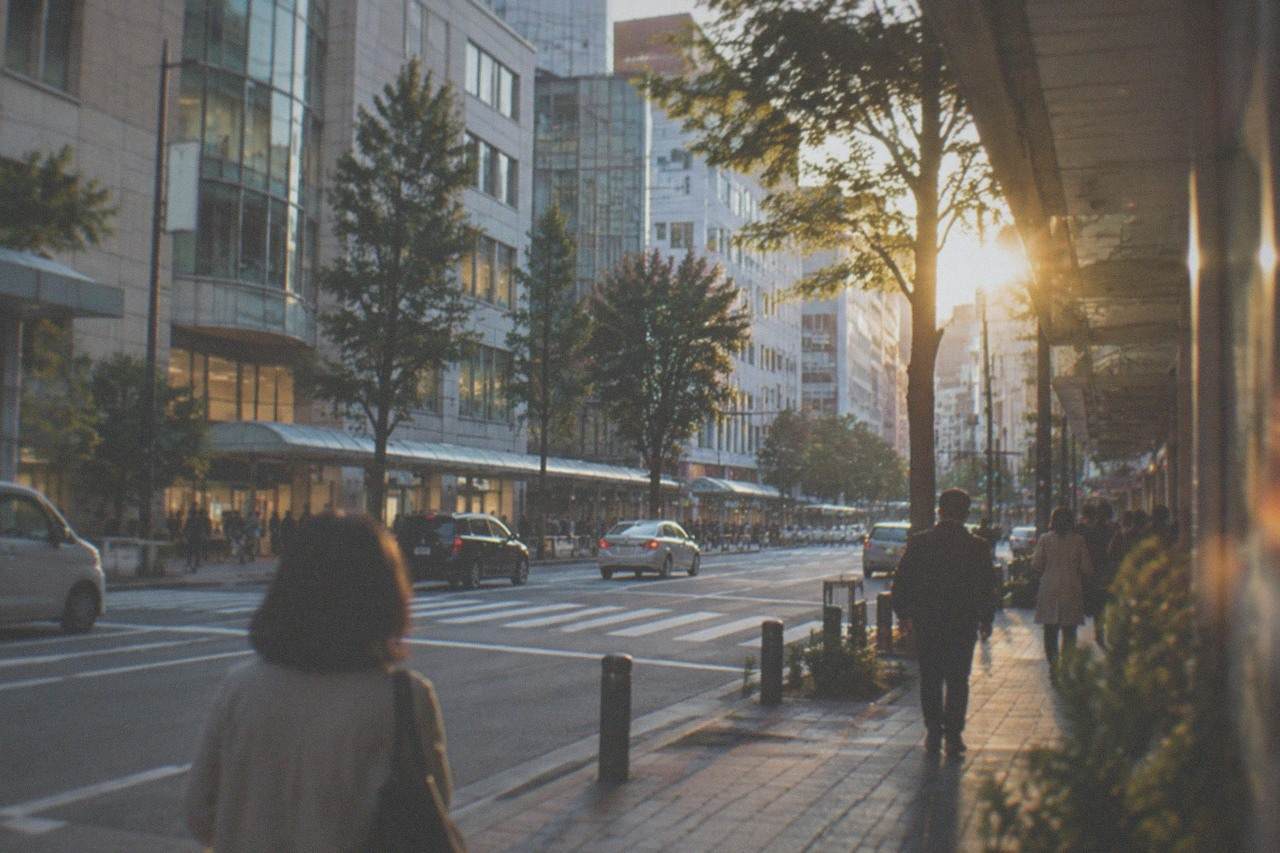
Fukuoka is manageable in English. Signs, subway ticketing and hotel front desks mostly work, the Fukuoka Tourist City Pass costs ¥2,500 city-wide or ¥2,800 with Dazaifu, passport required, and guided tours run in English from about $46. The weak spots are small restaurants and the roughly 100 licensed yatai stalls, where a translation app and the city's posted-price rule do the heavy lifting.
Fukuoka sits on Hakata Bay on the Genkai Sea side of northern Kyushu, and it has quietly become one of Japan's most visitor-ready cities. The subway's signage, the airport's layout and the tourist information counters are built for people arriving from Seoul, Shanghai and Taipei as much as from Tokyo, and the city's own tourism machinery publishes in English. That does not mean every interaction is smooth. A ramen counter in Nagahama and a hotel desk in Tenjin are two different language environments, and knowing which is which is the difference between a relaxed trip and a frustrating one. This page lays out where English genuinely works in Fukuoka, where it thins out, and the practical workarounds, including the one thing most competing guides get wrong: the price of the Fukuoka Tourist City Pass.
How Easy Is Getting by in English in Fukuoka?
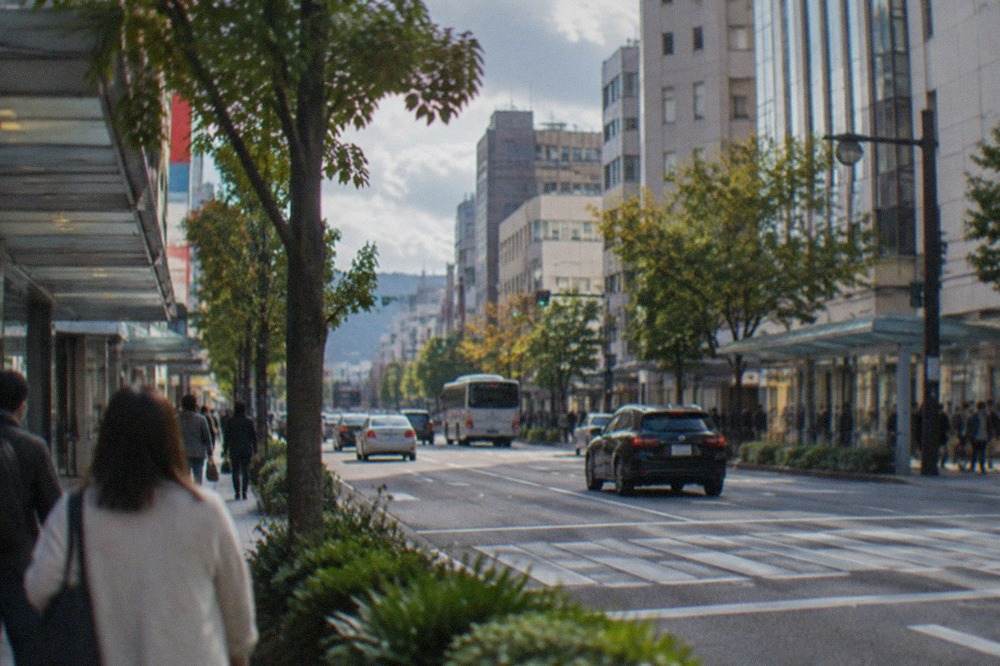
English support in Fukuoka is strong in exactly the places a first-time visitor needs it most and thin in the places a second-day visitor wanders into. Subway and Nishitetsu ticketing, airport arrivals, hotel desks in Hakata and Tenjin, department stores and the main tourist information counters all function in English. Small independent restaurants, neighbourhood izakaya and the yatai food stalls mostly do not, and no amount of city investment changes that. A translation app plus a little preparation covers almost every gap.
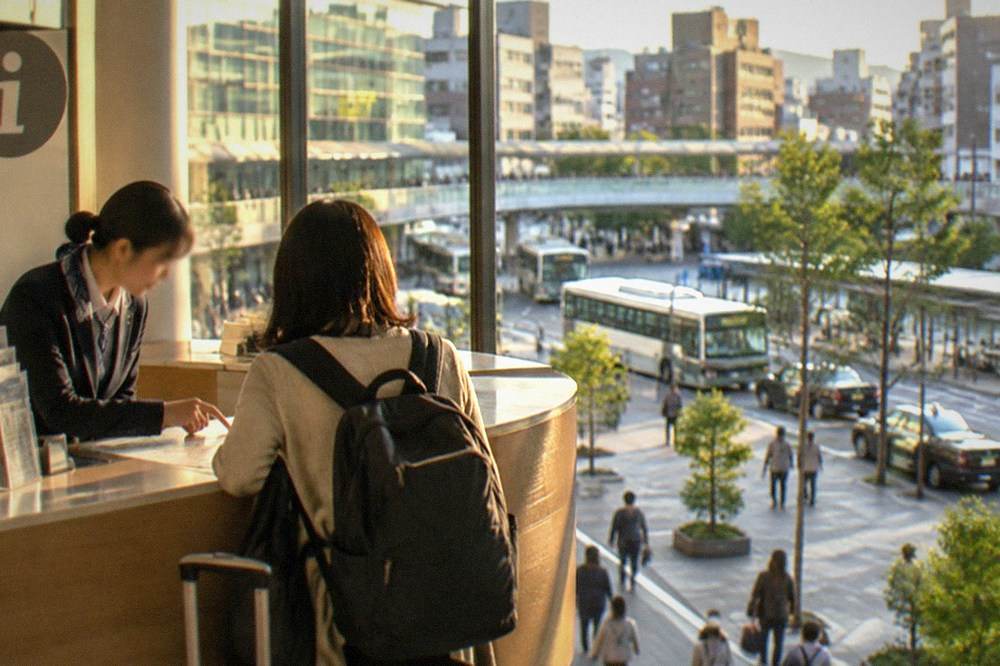
The honest overall picture is that Fukuoka is easier in English than most cities its size in Japan, partly because of the volume of short-stay visitors passing through Fukuoka Airport and Hakata Port. The city counted roughly 4.33 million foreign entrants through those two gateways in 2025, a two-year record high, and the infrastructure has followed the traffic. Multilingual signage on the subway covers fares, transfers and exits. The international tourist information offices at Tenjin, Hakata Station and the airport sell passes and answer questions in English, and they are the right first stop for anything this page does not answer.
Where the experience degrades is the small-restaurant layer, which is precisely the layer most visitors come to Fukuoka for. Tonkotsu ramen counters, mentaiko specialists and the yatai stalls along the Naka River are one-person or two-person operations, and the person running them is not necessarily going to speak English. This is not rudeness and it is not a Fukuoka problem specifically; it is the shape of the industry. The saving grace is that Fukuoka's food culture is unusually counter-based and menu-simple, and the city's yatai ordinance requires prices to be posted where customers can see them, which removes the scariest part of pointing at something you cannot read.
One framing note that matters for everything below: Hakata and Fukuoka are the same city. Hakata is the ward and the name of the main station; Fukuoka is the city. Guides that treat them as two destinations, or tell you to travel "from Hakata to Fukuoka", have misread the map. There is no JR Fukuoka Station. The station is Hakata, and the airport is Fukuoka Airport (FUK) on the subway's Kuko line.
| Situation | English support | What to do |
|---|---|---|
| Subway and train ticketing | Full signage, fare charts, IC gates | Buy a day pass or tap a contactless card |
| Hotel front desks, Hakata and Tenjin | Near-universal | Ask for a paper map and stamp locations |
| Department stores, Canal City Hakata | Good, plus tax-free counters | Bring your passport for tax-free purchase |
| Tourist information counters | Excellent, pass sales included | Start here on day one |
| Yatai stalls and small ramen counters | Minimal to none | Use a translation app; prices must be posted |
| Neighbourhood izakaya off the main streets | Patchy | Point, order small, share dishes |
For etiquette beyond language, bowing conventions, queuing and onsen manners, the Fukuoka etiquette guide covers the social side in detail, and it pairs well with this page before a first visit.
Where English Helps Most in the City?
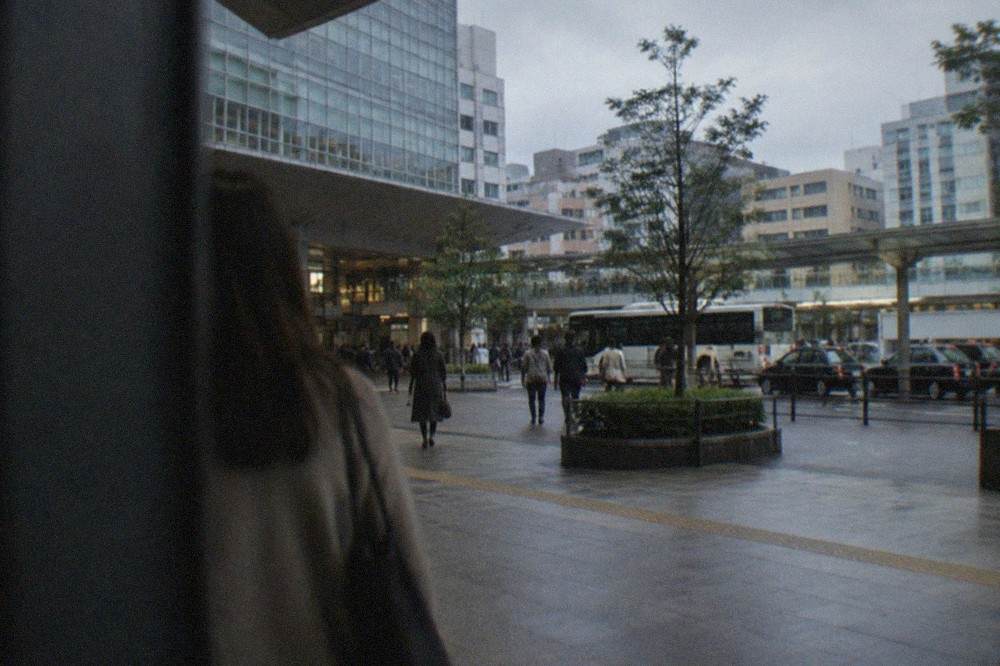
The places English helps most are the airport arrival path, the subway, the two big station complexes, department-store food halls and the museum layer. Fukuoka Airport is unusually close to the city centre, the subway fare from the airport to Hakata is a verified ¥260, and both city art museums charge just ¥200 for adults with free entry for under-15s. Museums, malls and transport are the friction-free zone; food and nightlife need more effort.
Start with arrival, because it sets the tone. Fukuoka Airport is one of the very few major Japanese airports sitting effectively inside the city it serves, and the Kuko line subway connects the domestic terminal area directly to Hakata and Tenjin. The fare from the airport to Hakata is ¥260, which falls in the official 3 to 7 km fare band. Many guides print a journey time in minutes for this leg; this site does not, because no official page states one. What is verifiable is that the airport is unusually close to the centre, and the free inter-terminal shuttle between the international and domestic terminals takes about ten minutes per the airport's own access page. The full arrival walkthrough, including bus and taxi options, is in the Fukuoka Airport to city guide.
The station layer is next. Hakata Station is the city's main rail hub and one of its two commercial hearts, and it is fully signed in English, Korean and Chinese, with a tourist information office that sells passes. Tenjin, the business and shopping district a few subway stops away, works the same way. Between them you can buy anything, eat at any price point and get any question answered, and the getting around Fukuoka guide maps the whole network, including the Nishitetsu lines that reach Dazaifu.
The museum layer is a quiet strength. The Fukuoka Art Museum in Ohori Park charges ¥200 for the collection exhibition, ¥150 for university and high school students, and nothing for junior high and under, with free entry for residents over 65 from a list of designated cities. The Fukuoka Asian Art Museum, on the upper floors of the Riverain Center in Hakata, is free to enter, and only the Asia Gallery charges, again ¥200 for general admission. Both have English labels on highlights and English-language overview sheets at the desk. For a rainy-day plan built around these, the Fukuoka rainy day itinerary is the companion page.
For visitors who want the city decoded by a professional in the first hours, the Fukuoka Essentials tour is the natural fit: a half-day walk covering history, culture and the local character of Hakata and Tenjin, rated 4.9 from 48 reviews, from $74 per person.
A guided first half-day also quietly solves the language question for the rest of the trip, because a good local guide tells you which streets to point at and which to avoid. The broader Fukuoka private tours guide compares the customisable options if a set route does not fit.
What Should Overseas Visitors Know About the Fukuoka Tourist City Pass?
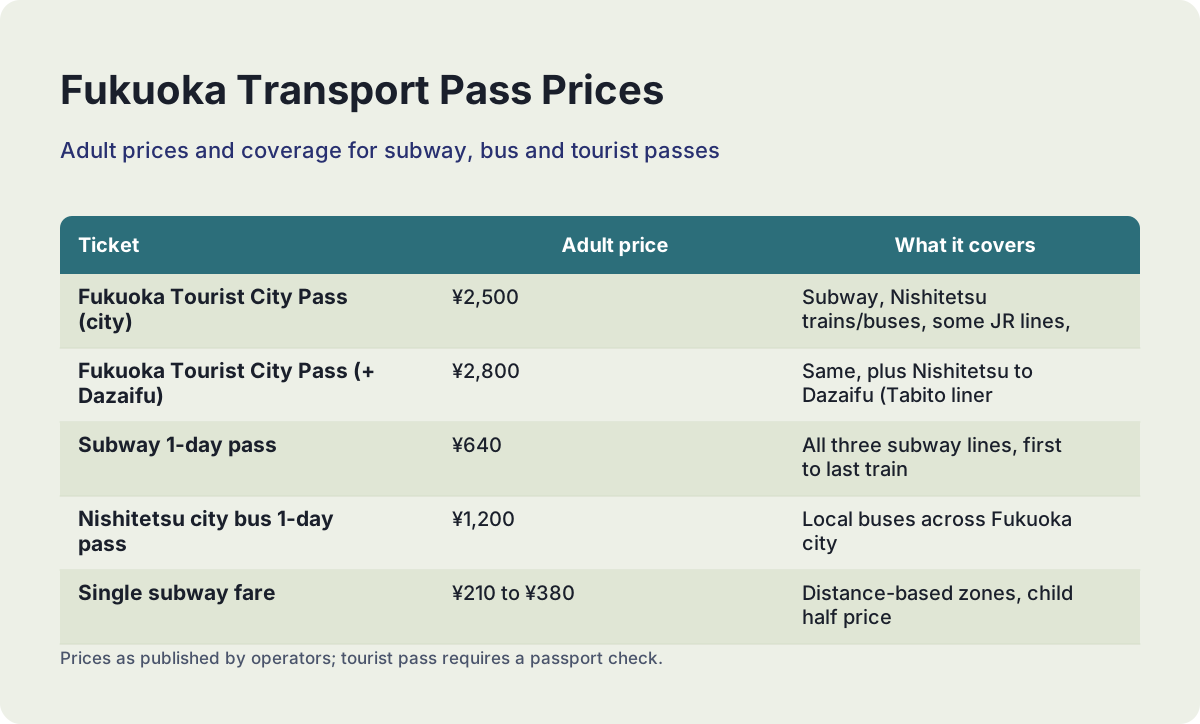
The Fukuoka Tourist City Pass costs ¥2,500 for the city version and ¥2,800 for the city plus Dazaifu version, with children at half price, and it is sold only to overseas tourists on a short-stay visa, with a passport checked at the counter. It covers unlimited subway, Nishitetsu trains and buses in designated areas, some JR lines and ferries for one day. Most competing guides still quote a stale ¥820 or ¥1,340 price, which is years out of date.
The pass is run by the city's own tourism operation, and the current prices are published on the official pass page at gofukuoka.jp/citypass.html. The passport restriction is the part that trips people up: the counter staff check that you are a short-stay overseas visitor, so residents and long-term visa holders cannot buy it. The digital app version is further restricted to visitors from South Korea, Taiwan and Thailand; everyone else buys the paper ticket. Sales points include the Nishitetsu Tenjin Expressway Bus Terminal, the Hakata Bus Terminal, Fukuoka Airport, and the Tenjin and Hakata subway customer centres.
What the pass actually covers is broad for a one-day ticket: all three subway lines, Nishitetsu trains and buses in the designated city area, some JR lines and the city ferries, plus discounts at a list of partner attractions. The Dazaifu version adds the Nishitetsu coverage out to Dazaifu, but note the exclusion: the Dazaifu Liner Bus "Tabito" is not covered by either version. If Dazaifu is on your list, the train is the covered way to get there, and the Dazaifu day trip guide explains the routing.
| Ticket | Adult price | What it covers | Who can buy |
|---|---|---|---|
| Fukuoka Tourist City Pass (city) | ¥2,500 | One day, subway, Nishitetsu area trains and buses, some JR lines, ferries | Short-stay overseas visitors, passport checked |
| Fukuoka Tourist City Pass (+ Dazaifu) | ¥2,800 | Same, plus Nishitetsu to Dazaifu (Tabito liner excluded) | Same, passport checked |
| Subway 1-day pass | ¥640 | All three subway lines, first to last train | Anyone, at machines and counters |
| Nishitetsu city bus 1-day pass | ¥1,200 | Local buses across Fukuoka city | Anyone, counter sales |
| Single subway fare | ¥210 to ¥380 | Distance-based zones, child half price | Anyone |
The comparison matters because the tourist pass is not automatically the best buy. At ¥640, the subway-only day pass breaks even after roughly three longer subway rides, and it is sold to anyone with no passport check. The tourist pass only pays for itself if you are riding Nishitetsu trains and buses as well as the subway, or using its attraction discounts. The subway day pass details, including the refund rule for unused tickets, are on the operator's own page at subway.city.fukuoka.lg.jp.
Two warnings complete the picture. First, do not print a yen figure for the Japan Rail Pass anywhere in your planning notes from a random blog; this site treats that price as single-read and unstable, and the JR Kyushu Rail Pass guide and the Japan Rail Pass in Fukuoka guide cover when a rail pass makes sense without a stale number. Second, the tourist pass is a one-day product, so a three-day stay means choosing your heaviest transport day, typically the Dazaifu or Itoshima day, rather than buying one for every morning.
Which Transport Options Work Without Japanese?
Nearly all of Fukuoka's transport works without Japanese: the subway sells English-language tickets and accepts IC cards and contactless credit taps, Nishitetsu counters handle English at Tenjin and Hakata, taxis are metered and hotel staff will write destinations for you, and the airport transfer is a two-stop subway ride at ¥260. The one trap is naming: there is no JR Fukuoka Station, the station is Hakata, and mixing the two names confuses taxi drivers and search engines alike.
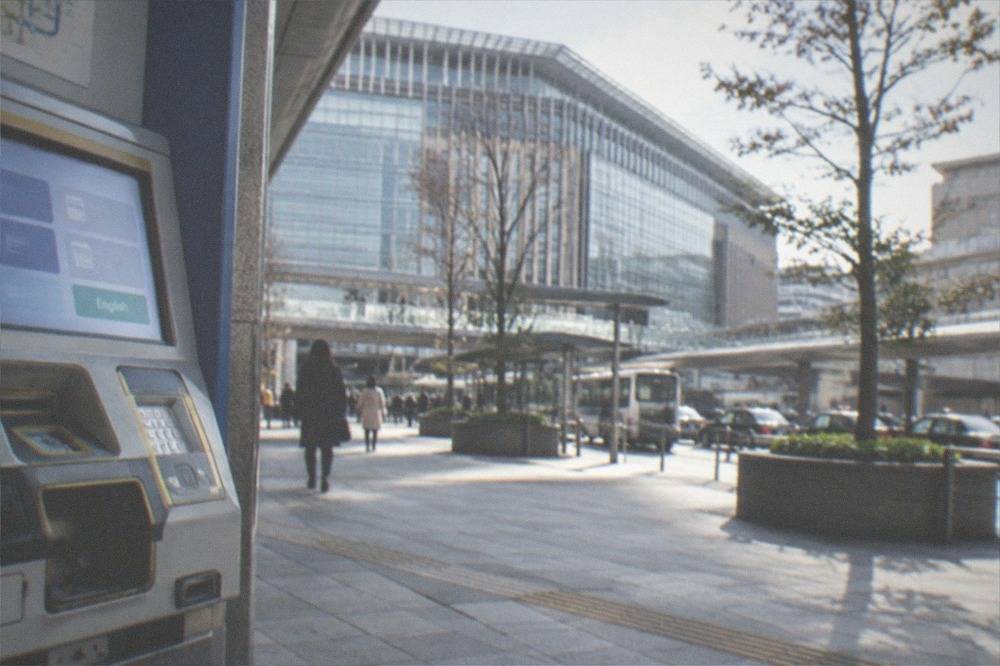
The subway is the backbone for visitors. Fares run from ¥210 for up to 3 km to ¥380 beyond 19 km, children half price, and the network is compact: the Airport line from Meinohama to Fukuoka Airport, the Hakozaki line to Kaizuka, and the Nanakuma line to Hashimoto. Ticket machines have an English button, fare charts above them are bilingual, and station names are numbered and lettered, which means you can navigate by code rather than by reading. IC cards work everywhere: local cards are Hayakaken for the subway, nimoca for Nishitetsu and SUGOCA for JR, and cards from elsewhere in Japan such as Suica and PASMO are reported to work on the subway and Nishitetsu, though this site has not verified that from an operator page, so treat it as a convenience rather than a guarantee.
Buses are slightly harder. Nishitetsu runs the city network, and while the flat central-zone fare and route maps exist, the practical advice for an English-only visitor is to lean on a route-planning app and to confirm the stop before boarding. The Nishitetsu city bus day pass at ¥1,200 covers unlimited local buses and carries attraction discounts, but it is counter sales only, so buy it at Tenjin or the Hakata Bus Terminal where staff deal with visitors all day.
Taxis fill the gaps. They are metered, clean and plentiful around Hakata Station, Tenjin and Nakasu, and drivers are honest but rarely conversational in English. The standard trick is to have your destination written in Japanese, or shown on a phone map with a pin. Hotel desks will do the writing for you, which is one more reason the hotel layer is the friction-free zone.
For the arrival leg specifically, a private transfer is the zero-language option: a driver meets you at Fukuoka Airport with a name board and the whole interaction is a walk to the car. It is rated 5 from 2 reviews, from $149 per person, and it suits late arrivals, families with luggage or anyone who simply does not want to start a trip at a ticket machine.
The trade-off is price: at $149 against a ¥260 subway fare, the transfer is buying convenience, not savings, and most travellers will find the subway perfectly manageable. The Fukuoka Airport guide covers the terminal layout, and intercity arrivals by rail and air are covered on their own pages.
Do Restaurants and Yatai Manage in English?
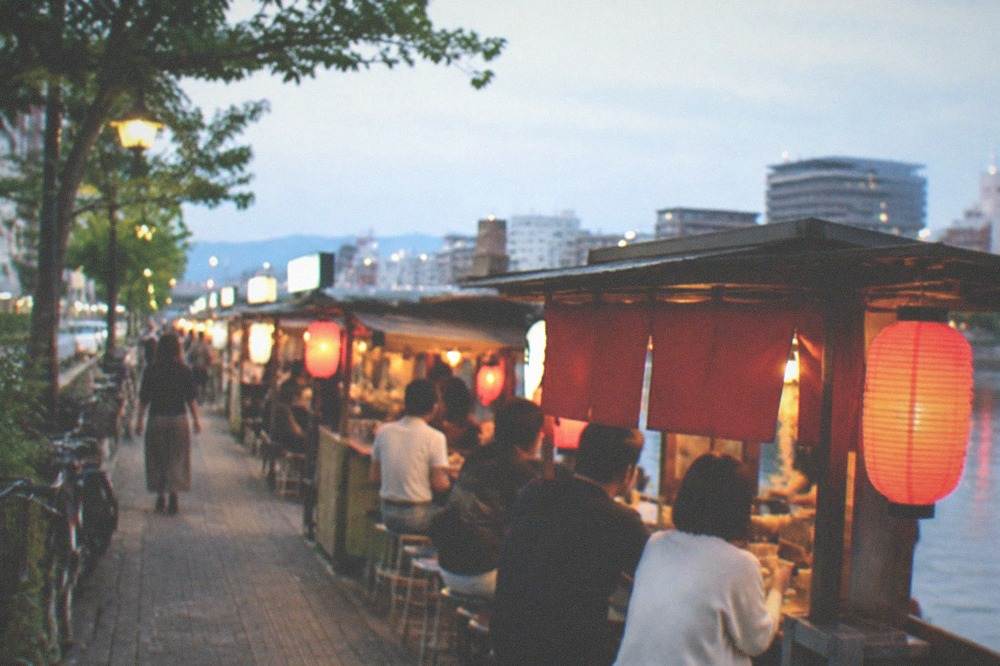
Mostly they do not, and it matters less than you would think. Fukuoka has about 100 licensed yatai stalls, and the city's ordinance requires every one to post prices visibly, banning vague "market price" labels, so the worst outcome, mystery pricing, is off the table. Menus at small restaurants are often Japanese-only, but dishes are simple, picture menus are common, and translation apps handle the rest. Chain restaurants and department-store food floors are fully navigable in English.
The yatai are the headline food experience and the headline language challenge in the same sitting. These are the licensed street stalls, roughly 100 of them across the city, concentrated in Nakasu along the Naka River, scattered through Tenjin and clustered in Nagahama near the old fish market. They seat a handful of people at a counter, the menu is short, and the interaction is mostly pointing and short phrases. The city's own Q&A page at city.fukuoka.lg.jp confirms the count and the price-display rule, and the rule is the reassurance: a stall must show its prices where customers can see them, and anything priced on the day's market must show that day's actual figure, not a vague "market price". City inspectors check periodically. You cannot get quietly ripped off on price, even if you cannot read a word.
Practical yatai advice for an English speaker is short: go early, before the counters fill, sit down with a smile, point at what looks good, and expect the conversation to be gestural. Cash is still the safe assumption, though some stalls now take cards and QR payments, and stalls close for rain and wind at the operator's discretion, with no city-mandated closing day. The Fukuoka yatai guide covers the three areas stall by stall, and the etiquette of sitting, ordering and leaving is in the yatai etiquette guide.
| Food setting | English level | Best workaround |
|---|---|---|
| Yatai stalls | Low, gestural | Prices must be posted by ordinance; point and order small |
| Small ramen counters | Low, ticket machines help | Buy from the vending ticket machine, hand it over |
| Izakaya in Daimyo and Imaizumi | Mixed | Translation app, order small plates to share |
| Department-store food floors, Canal City | High | Everything is labelled and priced |
| Motsunabe and mentaiko specialists | Low to medium | Photos on menus; hotel staff can call ahead |
| Vegetarian and vegan venues | Variable | The dedicated guide lists English-friendly kitchens |
The one genuinely difficult case is dietary restriction, because "no pork broth" is a hard sentence to convey at a tonkotsu counter. The Fukuoka vegetarian and vegan guide exists for exactly this reason and lists kitchens that understand the request in English. For everything else, the Fukuoka food guide maps the city's dishes, from motsunabe to goma-saba, so you can recognise what you are pointing at.
A guided food walk removes the language layer entirely, and the private Nakasu stall tour with tastings is the strongest option: two hours, a guide who handles the ordering, rated 4.7 from 70 reviews, from $94 per person. More of these guides are collected on Fukuoka Japan Travel Guide.
The trade is money for certainty, and for a first night in the city it is often worth it; after one guided walk, the stall mechanics, the seating etiquette and the ordering rhythm all make sense, and the second night is easy solo.
Which Tours and Day Trips Run in English?
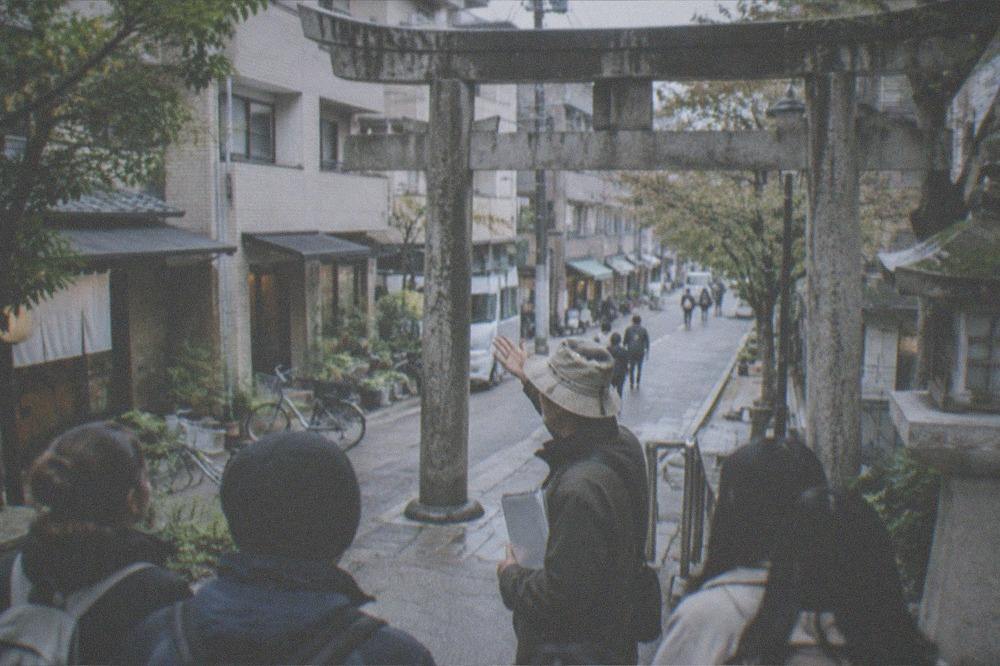
Yes, most bookable tours in Fukuoka run in English, and they are the most reliable way to reach spots where public transport gets complicated. City walking and cycling tours start from about $64, tea and craft experiences from $18, and full-day trips into Kyushu, to Mount Aso, Takachiho, Beppu and Yufuin, from about $46. The best-reviewed day trip is the Takachiho gorge and railway tour, rated 4.8 from 713 reviews.
The city-tour layer is deep. Beyond the Essentials walk already covered, there is a fully customisable private tour with a local guide, from $59 per person and rated 4.9 from 106 reviews, a licensed-guide full-day version at $160, a Hakata bike ride at $73 rated 4.7 from 22 reviews, and a two-hour private walking tour at $64. All run in English, all are small-group or private, and together they cover the case where you want questions answered rather than a set script.
The day-trip layer is where English-language touring earns its keep. Destinations like Takachiho Gorge in Miyazaki, the Mount Aso caldera in Kumamoto, and the Beppu hells and Yufuin in Oita are reachable by public transport but involve rural buses and timetables that punish a wrong connection. Guided versions solve that. The Takachiho gorge and Amaterasu railway tour with optional boat runs 11 hours from $48, rated 4.8 from 713 reviews. The Mount Aso volcano and Kusasenri grasslands day tour runs a full day from $46, rated 4.7 from 224 reviews, and pairs a volcano viewpoint with onsen and shrine stops.
The pattern in the numbers is consistent: the big-bus day trips cluster at $46 to $59 with review pools in the hundreds, while private versions start around ten times that. English delivery is standard across both tiers. For coastal days closer to home, the Itoshima tours guide covers the peninsula west of the city, and the Itoshima hidden gems day tour, $69 and rated 4.6 from 31 reviews, is the strongest of that set.
Cultural experiences are the sleeper value. A tea ceremony with a maiko runs one hour from $18, rated 4.9 from 11 reviews; Hakata doll painting is $28 from 45 reviews; a calligraphy session is $32. These are small-group, hands-on and effectively language-proof, because the instruction is demonstration. The teamLab Forest ticket, from $27 and rated 3.8 from 14 reviews, is a useful rainy-day booking, and the teamLab Forest page covers what the 3.8 actually reflects, which is mostly expectation mismatch rather than the art itself.
| Tour type | Price range | Review strength | Best for |
|---|---|---|---|
| City walking and cycling tours | $64 to $160 | 4.7 to 4.9 | Orientation, questions, first day |
| Food and yatai walks | $94 to $100 | 4.7 to 5 | Ordering without the language layer |
| Cultural experiences, 1 to 2 hours | $18 to $32 | 4.9 to 5 | Rainy days, families, low effort |
| Big-bus Kyushu day trips | $46 to $59 | 4.6 to 4.8, large pools | Takachiho, Aso, Beppu, Yufuin |
| Private day trips and transfers | $149 to $858 | 5.0, small pools | Nagasaki, custom routes, comfort |
One caution that applies to the whole roster: review counts matter as much as ratings. A 5 from two reviews is a new listing, not a proven product, and this site prints the count beside every rating for that reason. Timing matters too, because typhoon season runs roughly July through October and July, not June, is statistically the city's wettest month at 299.1 mm against June's 249.6 mm in the 1991 to 2020 normals.
What If You Need Help in an Emergency?
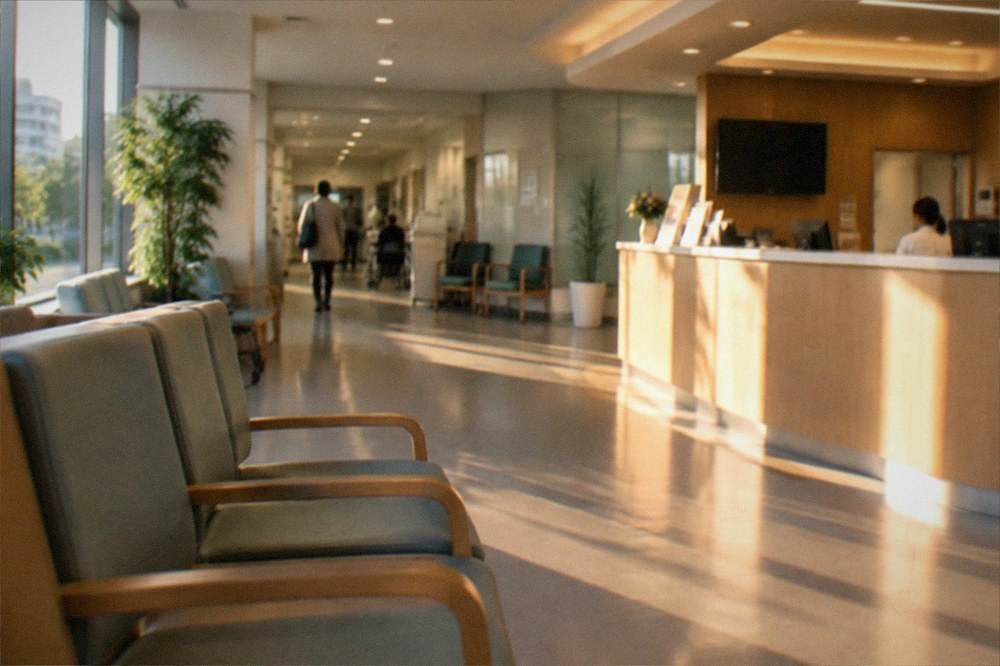
Japan's national emergency numbers, one for police and one for ambulance and fire, can be dialled from any phone, including public phones, without coins. Fukuoka's main hospitals operate international patient services with English support, hotel front desks will call on your behalf and are the fastest bridge for a visitor with limited Japanese, and the tourist information offices at Tenjin, Hakata Station and the airport handle lost-property and non-medical problems in English. Travel insurance that includes an English-language assistance line is worth arranging before arrival.
The practical hierarchy for an English speaker in trouble is simple. For anything medical, the hotel desk first, then the hospital's international desk, then your insurer's assistance line, in that order, because the first two can make the phone calls you cannot. For lost passports and documents, your embassy or consulate handles the replacement and the hotel can print directions. For lost property on the subway or buses, the tourist information offices will initiate the search, and Japanese lost-property return rates being what they are, this is usually a formality rather than a crisis.
For non-emergencies, the English gap is at its widest in exactly one place: small neighbourhood situations where you need to explain something nuanced to someone with no English. The fix is the same as at the yatai counters, a translation app with voice, and it works. The city's tourist offices also publish multilingual PDF guides covering medical facilities and assistance services, and picking one up on day one, or downloading it, costs nothing.
A few structural notes reduce the odds of needing any of this. Solo travellers will find the city straightforward and the Fukuoka solo itinerary is built around that, including the nightlife districts where an evening walk is comfortable. Families have the Fukuoka with kids itinerary, and the zoo, at ¥600 for adults and free for junior high and under, with free-admission days announced for 3 and 4 October 2026, is a reliable low-language day out, as the zoo and botanical garden page details.
| Situation | First contact | English level |
|---|---|---|
| Medical emergency | The national ambulance number, or hotel desk to call | Good via hospital international desks |
| Police | The national police number | Basic; tourist police at main stations help |
| Lost property | Tourist info office, Tenjin or Hakata | Good |
| Passport lost or stolen | Your embassy or consulate | Good |
| Non-urgent illness | Hotel-recommended clinic | Variable; hotel bridges the gap |
| After-hours questions | Hotel front desk | Good in Hakata and Tenjin hotels |
Pulling the Plan Together
A workable English-first plan for Fukuoka is three layers: book the language-proof infrastructure in advance, the airport transfer if arriving late, a guided first half-day, and any day trips beyond the subway's reach; buy the ¥2,500 or ¥2,800 tourist pass only for the one heavy-transport day, after a passport check at the counter; and carry a translation app for the food layer, where the yatai price-display ordinance protects you even when nothing on the counter is readable.
The order of operations on the ground is worth stating plainly. Day one, arrive, buy the subway day pass or tap through, and let a guide decode the city in the afternoon. Day two, spend the tourist pass on the Dazaifu or Itoshima day, since that is when Nishitetsu trains and buses justify the price. Evenings, eat where the ordinance guarantees posted prices and the counter guarantees a short menu. If the weather turns, the museum layer at ¥200 and the indoor experiences from $18 absorb a wet afternoon without a single hard sentence.
For choosing where to base yourself, since the hotel desk is your language lifeline, the where to stay in Fukuoka guide compares Hakata, Tenjin and Nakasu, and the evening layer from Daimyo bars to Nakasu stalls is mapped in the Fukuoka nightlife guide. Between them and this page, the language question is answered: Fukuoka does not require Japanese, it requires preparation, and the preparation is an afternoon's work.
Common Questions About English in Fukuoka
What Should Overseas Visitors Know About The Fukuoka Tourist City Pass?
The pass costs ¥2,500 for the city version and ¥2,800 with Dazaifu included, children half price, and it covers one day of unlimited subway, Nishitetsu trains and buses in designated areas, some JR lines and ferries. It is sold only to overseas visitors on a short-stay visa, and a passport is checked at the counter. The Dazaifu Liner Bus "Tabito" is excluded even from the Dazaifu version. Guides quoting ¥820 or ¥1,340 are years out of date.
Is English widely spoken in Fukuoka?
English works well in transport, hotels, department stores, museums and tourist offices, and it thins out at small restaurants and the roughly 100 licensed yatai stalls. The city's yatai ordinance requires prices to be posted visibly, so the difficult layer is conversation, not safety or pricing. A translation app covers almost every gap.
Can I get from Fukuoka Airport to the city without speaking Japanese?
Yes. The subway's Kuko line connects the airport to Hakata for a verified ¥260, ticket machines have an English button, and the fare chart is bilingual. The airport is unusually close to the city centre. This site does not print a journey time in minutes because no official page states one, and a private transfer from $149 is the fully language-free alternative.
Do Fukuoka tours and day trips run in English?
Yes, most bookable tours run in English. City walking and cycling tours start around $64, cultural experiences like the tea ceremony with a maiko from $18, and full-day Kyushu trips to Mount Aso, Takachiho, Beppu and Yufuin from about $46. The strongest-reviewed day trip is the Takachiho gorge and railway tour, 4.8 from 713 reviews.
How do I order at a yatai if nobody speaks English?
Point, order small, and rely on the posted prices, which the city ordinance requires every stall to display where customers can easily see them, banning vague "market price" labels. Cash is the safe assumption, though some stalls now take cards and QR payments. Stalls close for rain and wind at the operator's discretion, with no fixed weekly closing day.
What do I do in an emergency if I do not speak Japanese?
Dial the national emergency number for police or the one for ambulance and fire, both reachable from any phone. For non-immediate problems, the hotel front desk is the fastest bridge, and Fukuoka's main hospitals operate international patient services with English support. The tourist information offices at Tenjin, Hakata Station and the airport handle lost property and general problems in English.