Breakfast in Fukuoka
Fukuoka eats early. Hakata Station alone puts ramen, udon, rice bowls, bakery counters and kissaten coffee within a short walk of the ticket gates, and the city's own rules make its famous street stalls one of the most price-transparent dining scenes in Japan.
Short answer
Breakfast near Hakata Station is easy: the station building itself holds ramen counters, bakeries and coffee shops that open from early morning, and the surrounding Hakata ward adds udon shops, market streets and kissaten cafés within a short walk. Fukuoka is the same city as Hakata, so nothing here requires a train ride unless you want one.
Fukuoka starts its day earlier than most Japanese cities, and it starts it with food. Hakata Station is not just the city's main rail hub, it is one of the densest breakfast catchments in Kyushu: ramen shops that open before the rush hour, department store food halls, bakery counters, and a network of small kissaten coffee shops that have been pouring morning sets for decades. One clarification before anything else, because it changes how you read every map: Hakata is a ward of Fukuoka and the name of its main station. Hakata and Fukuoka are the same city, and there is no JR Fukuoka Station, a fact worth checking before you plan a single train ride. If you are staying near the station, breakfast is already on your doorstep, and this Fukuoka Japan Travel Guide page walks you through it dish by dish.
This guide covers what Fukuoka actually eats in the morning, where to find it within walking distance of Hakata Station, how early things open, and how breakfast fits into a first day in the city. The honest answer up front: you do not need a tour, a booking or a reservation to eat breakfast here. You need an appetite and a rough sense of which direction to walk.
Where Can You Eat Breakfast Near Hakata Station?
The short answer is: inside the station, in the department stores stacked on top of it, and in the Hakata ward streets within a ten minute walk. Hakata Station's own building contains ramen counters, bakeries and cafés that open from early morning, and the streets around Gion, Kawabata and the Nakasu riverbank add udon shops, market stalls and kissaten coffee within easy walking distance. Nothing requires a train.
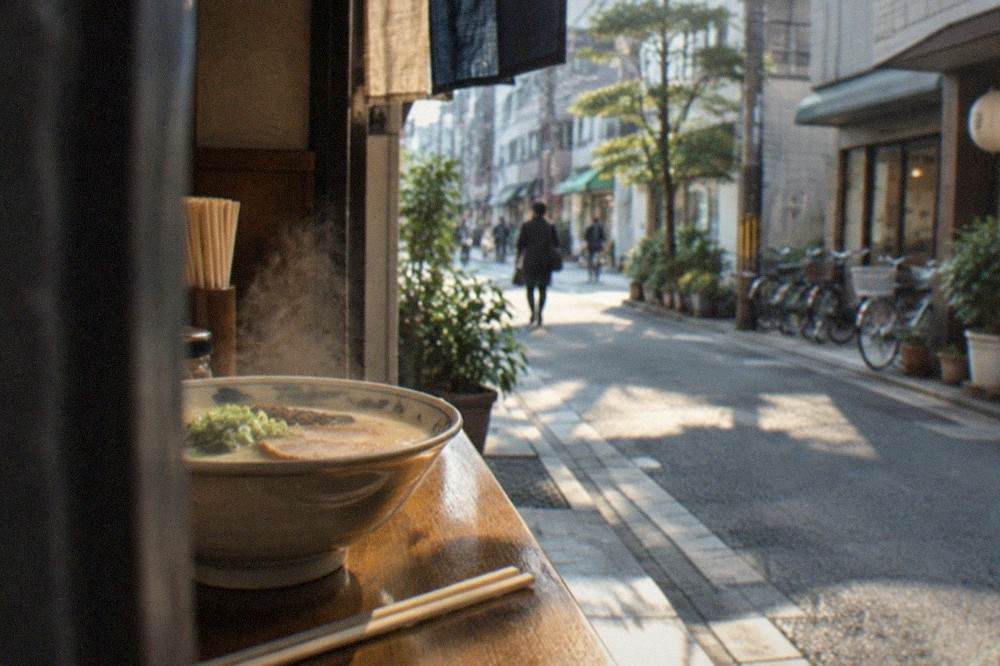
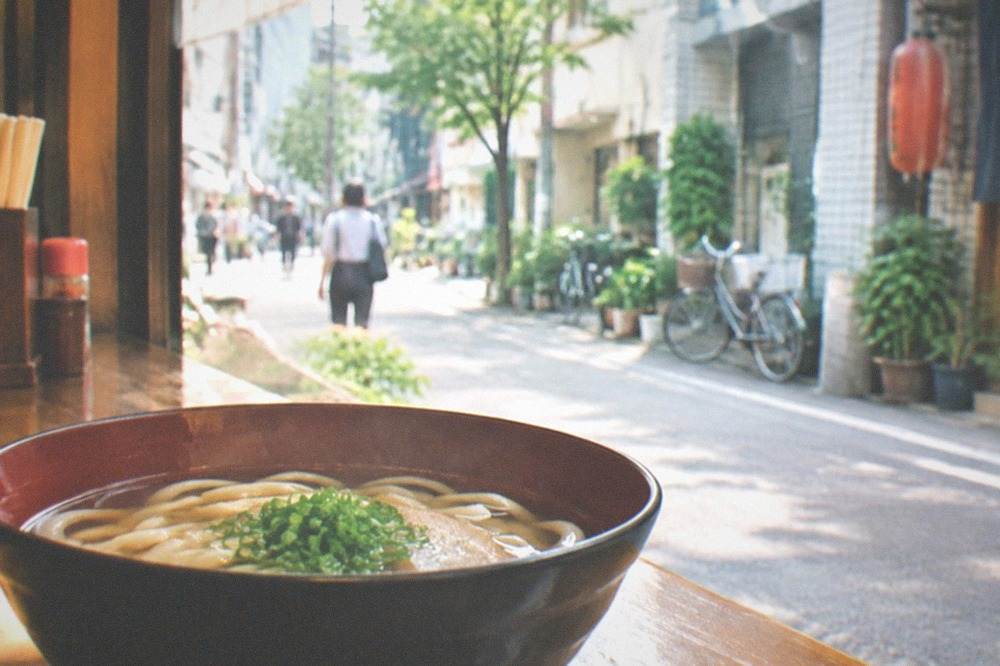
Start inside the station itself. Hakata Station is a city block of food stacked vertically, and its morning offering is unusually strong for Japan, where many stations genuinely go quiet until the first bento counters open. Ramen shops inside and around the station serve Hakata's signature tonkotsu broth from early doors, which surprises first-time visitors: in much of Japan ramen is evening food, but in Fukuoka the rich pork-bone soup is treated as an any-time meal, and plenty of shops near the station will hand you a bowl at 7 a.m. alongside commuters.
If you want the full picture of the station itself, the Hakata Station guide covers the building floor by floor, and the Hakata station area guide covers the streets around it. For breakfast specifically, the practical geography is simple. The station building and the department stores attached to it handle anything you want under one roof. Step out to the east and you are in the Gion and Kawabata arcade district within a few minutes, where older coffee shops and noodle shops sit among the shrine streets described in the Hakata area guide. Step north and you reach the Nakasu riverbank, which is a longer walk but rewards it.
One thing worth saying plainly: Hakata Station is where the whole region's trains converge, so the breakfast crowd here is a mix of tourists, commuters and day-trippers setting out for Dazaifu, Beppu or Nagasaki. Eating near the station before an early departure is a genuinely good plan, and the Beppu day trip guide shows how much of Kyushu is reachable from these same platforms. Fill up first; the station's breakfast scene exists precisely for people doing what you are doing.
What Do Fukuoka Locals Actually Eat for Breakfast?
Locals split into a few clear camps: rice with miso soup and grilled fish at home, a quick bowl of udon or ramen at a counter, a bakery stop, or a kissaten "morning set" of thick toast and a boiled egg with coffee. Fukuoka's own food culture leans hard on noodles and rice bowls, so the local breakfast is heavier and hotter than the continental norm, and the yatai street stalls, about 100 of them city-wide, are an evening scene rather than a morning one.
The biggest misconception to clear up is the yatai one. Fukuoka's famous open-air food stalls are the city's most photographed dining scene, and visitors reasonably assume they are a breakfast option. They are not. The city's rules let stalls occupy the street from 17:00 to 04:00 the next day, and most open around 18:00 or later and close in the small hours. By breakfast time the stalls are folded away and the streets are clear. The evening scene is covered elsewhere on this site; for breakfast you are looking at brick-and-mortar shops.
What you will actually see locals eating in the morning, in rough order of frequency:
| Breakfast style | What it is | Where to find it near Hakata |
|---|---|---|
| Ramen (tonkotsu) | Rich pork-bone broth with thin noodles, often with kaedama noodle refills | Station counters and dedicated shops around Hakata |
| Udon | Soft wheat noodles in dashi broth, Fukuoka's style is famously tender | Udon shops in Hakata and Gion, see the udon guide |
| Morning set (kissaten) | Toast, boiled egg, salad or yoghurt with coffee, at a traditional café | Kissaten in the arcades east of the station |
| Bakery and pastry | Japanese bakeries with European and local items, eaten standing or on a bench | Station floors and department store food halls |
| Rice bowl (donburi) | Topped rice bowls, often seafood or mentaiko-seasoned | Market streets and station food halls |
| Convenience store | Onigiri, sandwiches, egg items, cheap and everywhere | Every block around the station |
Mentaiko deserves a special mention because it is Fukuoka's signature food product and it turns up at breakfast more than anywhere else. Pollack roe seasoned with chilli, mentaiko is spread on rice, tucked into onigiri, folded into omelettes and stirred through pasta, and it appears on hotel breakfast buffets across the city with a pride other regions reserve for their own specialties. If you see a breakfast menu here with a bright red item you do not recognise, that is probably it, and it is worth trying once. The Fukuoka food guide goes deeper on the city's food identity if breakfast has sold you on lunch and dinner planning already.
The city's signature breakfast-adjacent foods, at a glance:
| Food | What it is | Its breakfast role in Fukuoka |
|---|---|---|
| Tonkotsu ramen | Pork-bone broth, thin straight noodles, kaedama refills | Eaten at any hour, including 7 a.m. at station counters |
| Mentaiko | Chilli-seasoned pollock roe | Spread on rice and folded into eggs; a buffet staple city-wide |
| Goma-saba | Sesame-and-vinegar cured mackerel, a Hakata classic | Turns up on traditional fish sets and hotel buffets |
| Udon | Soft wheat noodles in dashi, Fukuoka's style is notably tender | A fast, hot counter breakfast in the arcades |
| Onigiri | Rice balls, often mentaiko or salmon-filled | The convenience-store and bakery default |
| Shokupan | Thick sliced milk bread | The base of the kissaten morning set |
If breakfast is the prelude to a morning activity rather than a train, the trio below pairs well with the early hours: a traditional craft session, a guided bike ride through Hakata, or a morning sumo practice followed by a walk through the old town. All three start late enough that you can eat first.
Which Breakfast Spots Sit Inside or Beside Hakata Station?
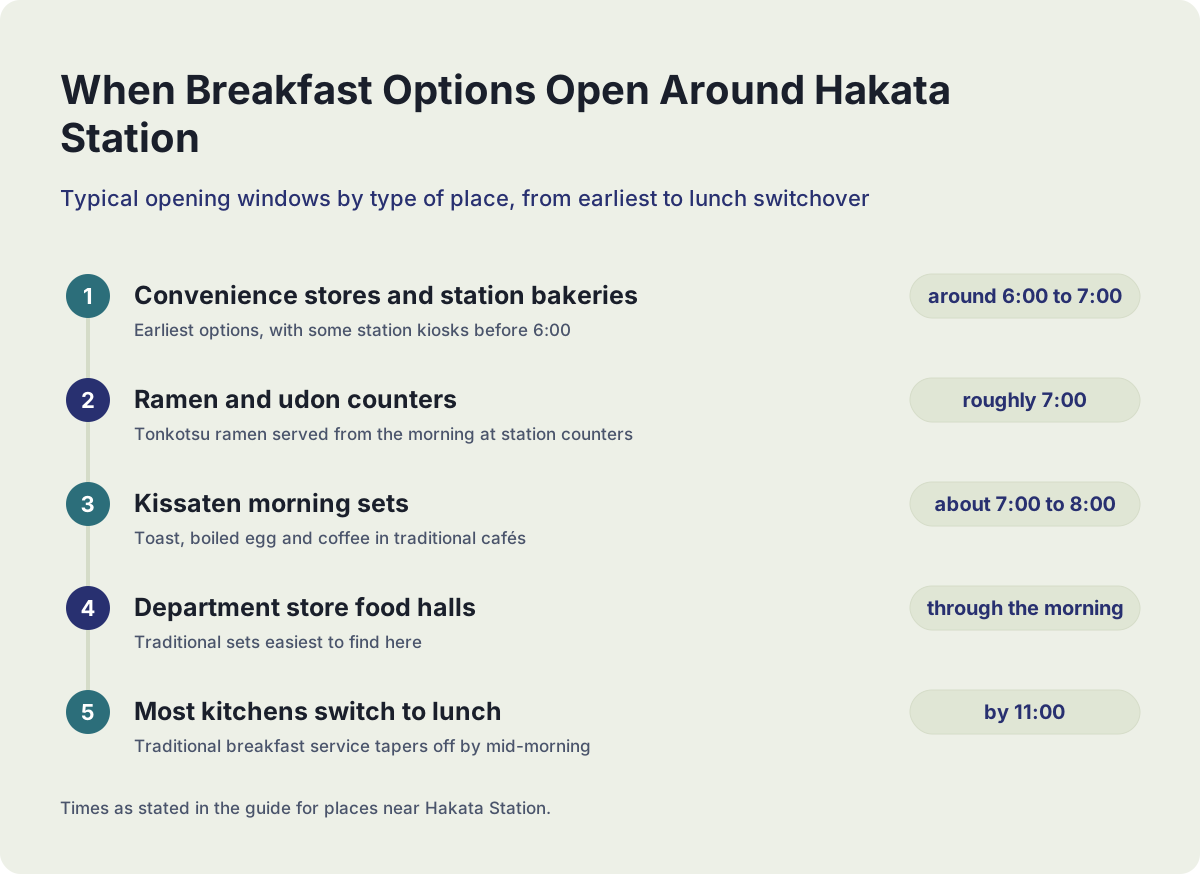
The station itself is the single best breakfast location in the city. Inside the Hakata Station building you get ramen counters, bakery chains, standing coffee bars and a department store food hall that opens with the morning commute. Directly beside it, the bus terminal side and the Gion side each hold independent cafés and noodle shops, and the whole cluster sits within a five minute walk of the ticket gates.
Work the station from the inside out. The station building's restaurant floors include ramen shops serving tonkotsu from the morning, which is the fastest way to eat something genuinely local before a day trip. The bakery and café options inside are more standard, reliable rather than remarkable, but they open early and they are warm, which matters in a Fukuoka winter when morning temperatures average around 7°C. Department store food halls, the depachika, are the sleeper option: they come alive through the morning with bento, onigiri, grilled fish sets and mentaiko products, and they are where a lot of locals pick up breakfast to eat at a desk or on a bench.
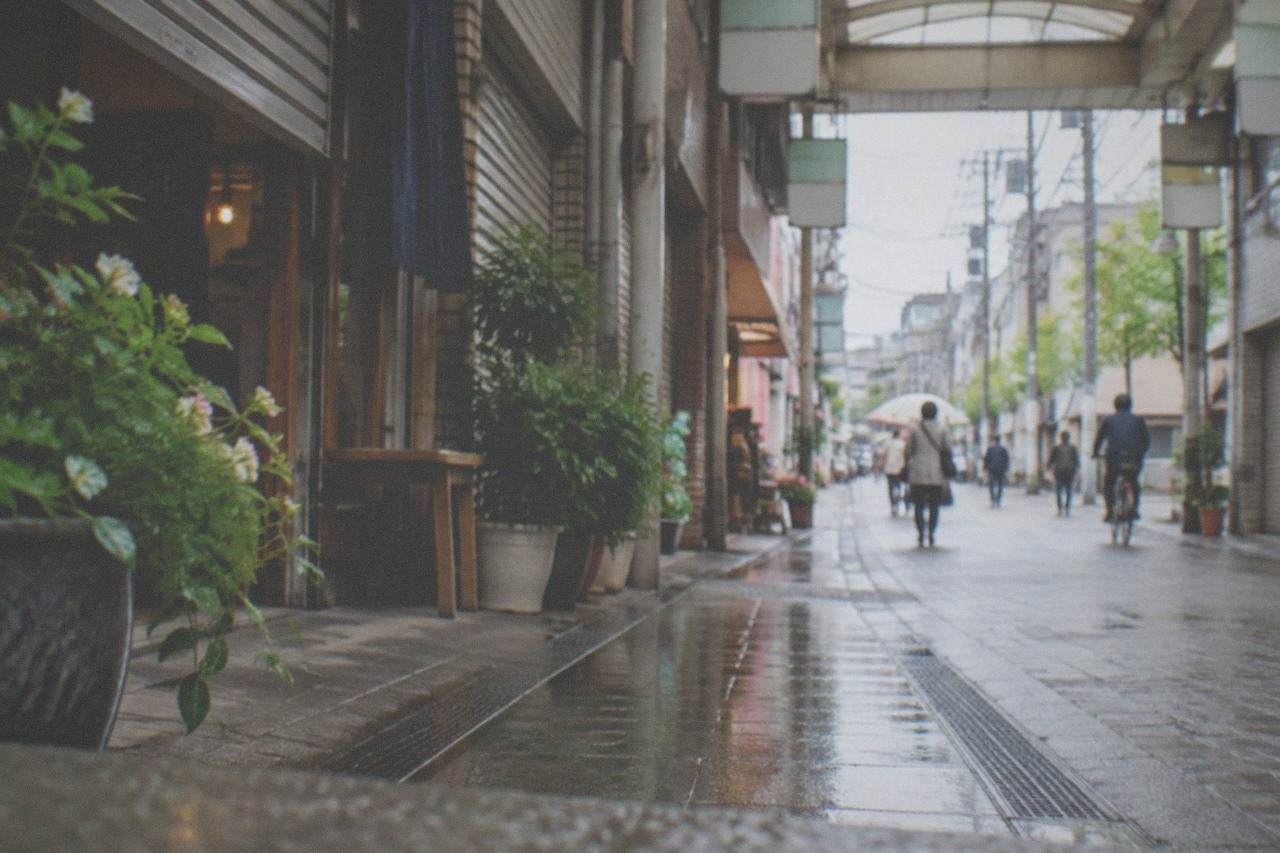
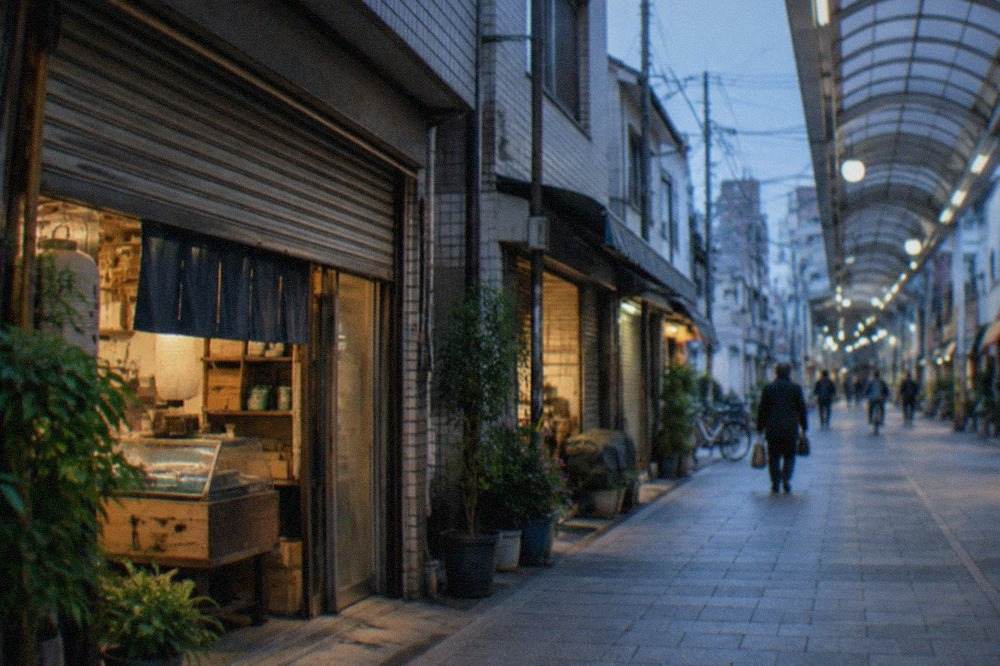
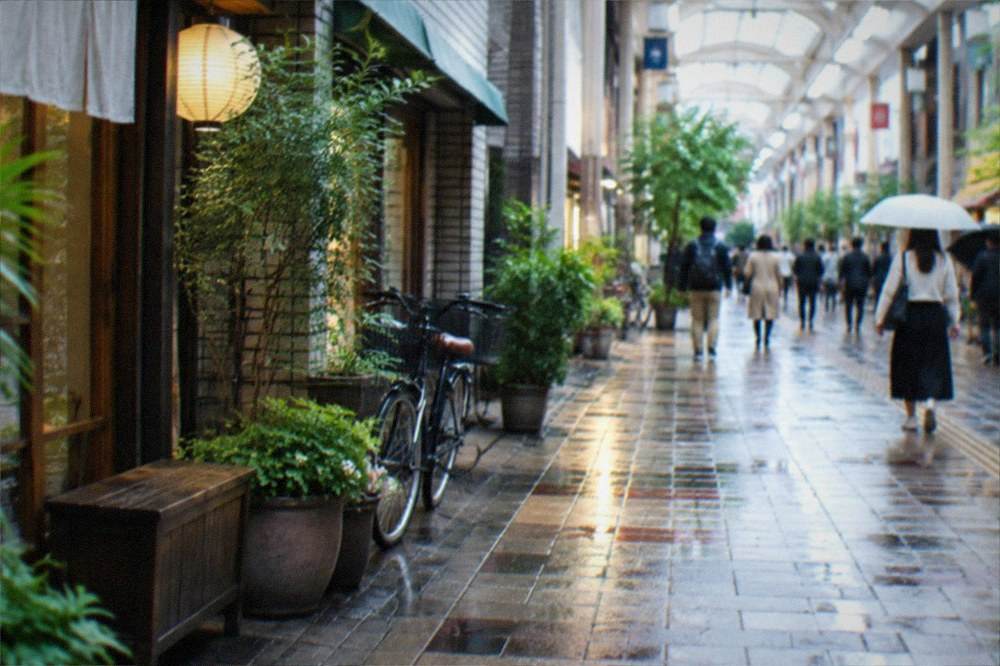
Outside, the streets east toward Gion and the Kawabata arcade are where the character is. This is old Hakata, shrine country, and the small shops here keep older rhythms. The arcades are covered, which makes them the natural answer to a rainy morning, and the rainy day itinerary leans on exactly this district for good reason. A breakfast walk east from the station can reasonably end at Kushida Shrine or Tochoji, both free to enter, folding food and sightseeing into the same hour before the crowds build.
If your morning involves a departure, note the station's geography. Shinkansen, JR lines, the subway and the Nishitetsu system all meet here, and the subway connects onward to the airport: the fare from Fukuoka Airport to Hakata is ¥260, derivable from the official 3 to 7 km fare band on the city subway's own fare page, and the airport is unusually close to the city centre, which is why so many visitors find themselves eating breakfast near the station within an hour of landing. The Fukuoka airport to city guide covers that transfer in detail. One thing to plan around: luggage. If you are breakfasting between check-out and a day trip, the luggage storage guide lists the station's coin lockers and delivery options, and eating unencumbered beats eating with a suitcase.
Where Can You Find a Traditional Japanese Breakfast Near the Station?
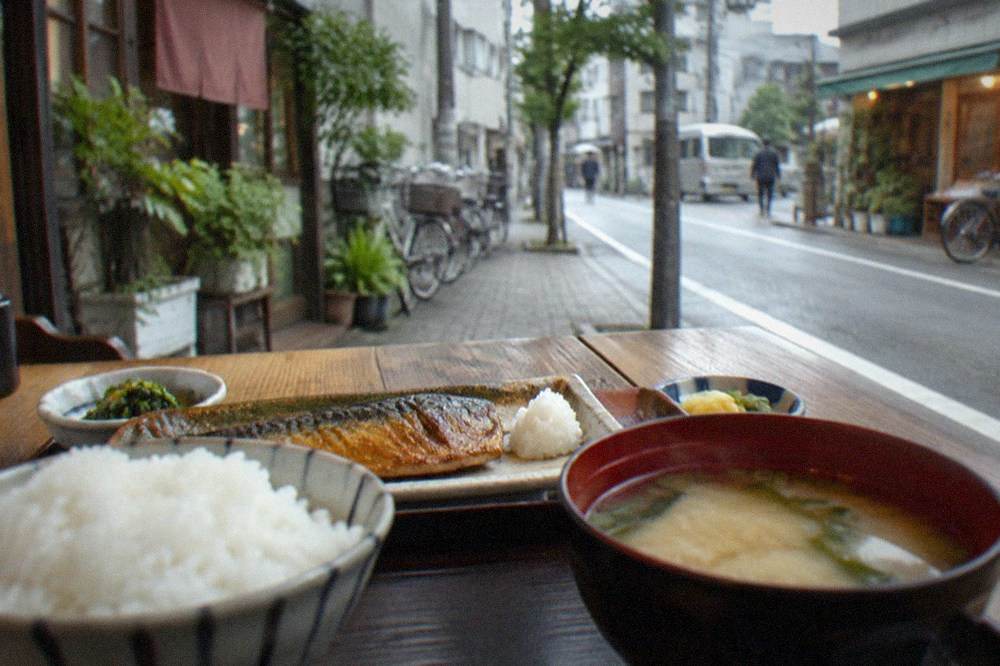
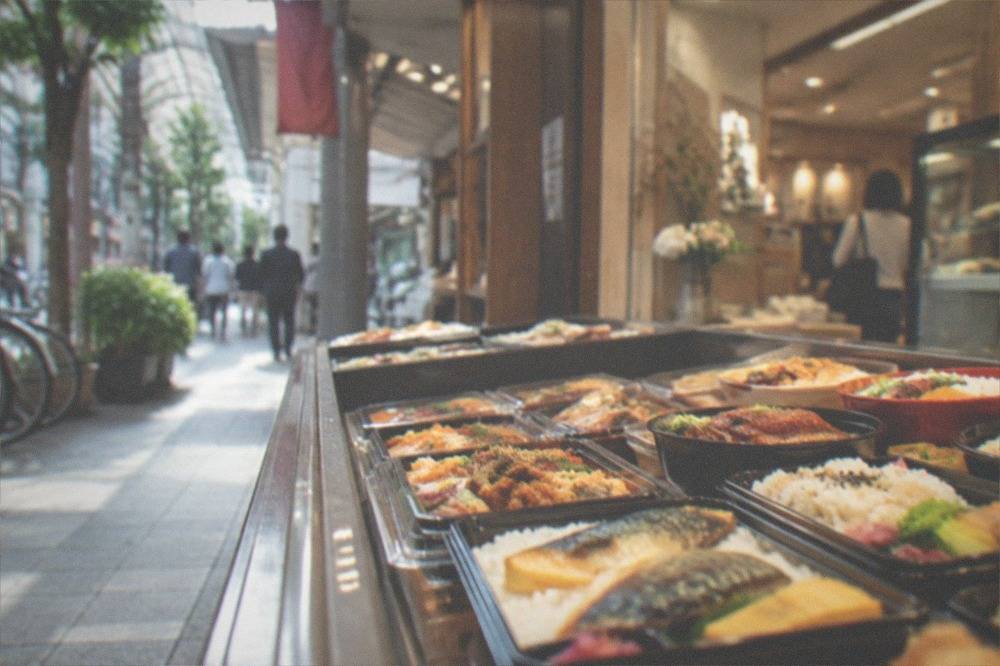
A full traditional set, rice, miso soup, grilled fish, pickles and sometimes tamagoyaki omelette, is easiest to find in hotel breakfast rooms and in the department store food halls around Hakata Station, with a smaller number of independent restaurants serving morning teishoku sets. Expect it earlier rather than later: traditional breakfast service in Japan tapers off by mid-morning, and shops switch to lunch menus around 11:00.
The reliable route to a proper Japanese breakfast is a hotel, and most of Fukuoka's mid-range and upscale hotels serve exactly the set described above, usually with mentaiko on the buffet. That is a legitimate answer, not a cop-out: the city's hotels take breakfast seriously because the station catchment is full of business travellers who expect it. If you are staying in the area and wondering whether this district serves your plans, the question of whether Hakata is a good place to stay is worth reading alongside the accommodation picture.
Outside hotels, look for the word "teishoku" or "asa-gohan" on signage, and look in the arcades east of the station rather than the station's own floors, which tilt toward noodles and pastries. Independent restaurants serving morning fish sets are fewer than noodle shops, but they exist, and they open early for the commuter trade. The fish is usually salt-grilled, horse mackerel or mackerel, and Fukuoka's position on Hakata Bay means the local goma-saba, sesame mackerel, turns up on breakfast plates too. The street food guide covers where the casual end of this cuisine lives if a sit-down set feels too formal for your first jet-lagged morning.
Timing matters more here than anywhere else in this guide. Traditional breakfast service is a morning-only business, and shops that grill fish at 7:00 are serving lunch by 11:00. If a traditional set is a priority, eat early and eat first, then sightsee. The temples and shrines of old Hakata, Tochoji with its Great Buddha, Shofukuji's quiet grounds and Kushida Shrine, all open their grounds in the morning and cost nothing, so a breakfast-and-temples loop is one of the better first mornings the city offers; the temples and shrines guide maps them.
What About Coffee, Bakeries and Kissaten Cafés Around Hakata?
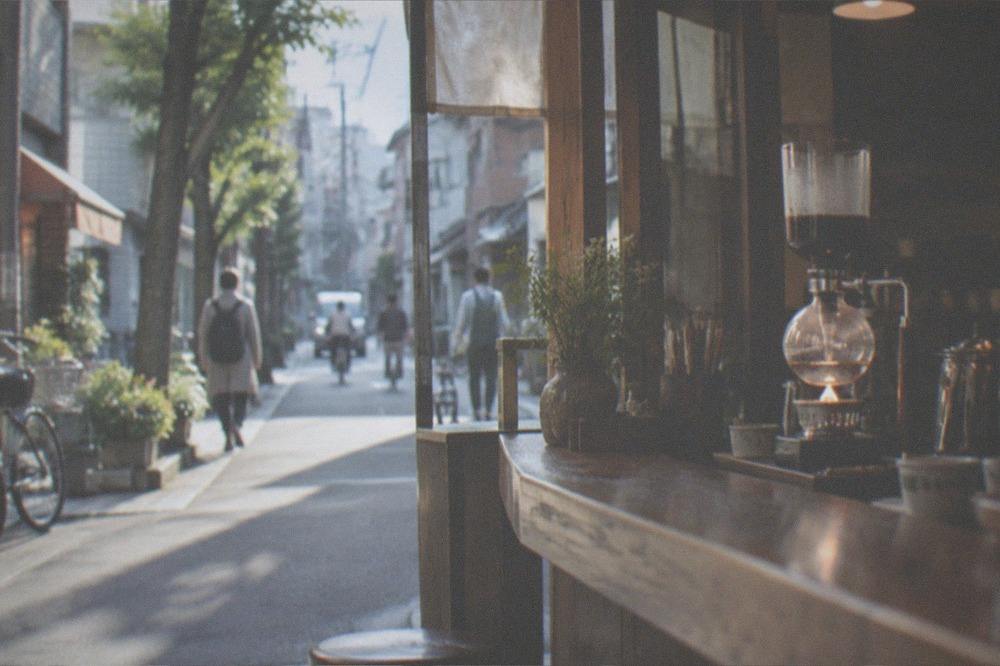
Fukuoka's kissaten culture is strong, and the morning set is its signature: order a coffee and a thick slice of toast with a boiled egg arrives alongside it, often for little more than the price of the coffee alone. Around Hakata Station the kissaten sit mostly in the covered arcades east of the station and in the side streets of Gion, while bakery options concentrate inside the station and its department stores.
The kissaten, a traditional Japanese coffee shop, is the breakfast institution most visitors underuse. These are not third-wave cafés: they are wood-panelled rooms with siphon coffee, hard booths, and a morning service convention that Fukuoka shares with neighbouring Nagasaki and the wider Kyushu coffee culture. The morning set is the whole point. It is cheap, it is fast, and it is a genuinely local ritual rather than a tourist product. In the arcades between Hakata Station and the river you can find several of these within a short walk of each other, and they open early, often from 7:00, because their core customers are office workers.
Fukuoka's coffee reputation extends beyond kissaten, and the city has a serious modern café scene too, though it clusters more in Tenjin and Daimyo than around Hakata Station. If a flat white matters more to you than a morning set, the Hakata versus Tenjin question is partly a coffee question, and the answer may shape where you base yourself. Around the station itself, expect chain coffee, which in Japan is better than its reputation, plus the station's own bakery floors and the kissaten in the arcades.
Bakeries are the middle path. Japanese bakery culture is excellent, and the station's bakery counters open with the first trains. A typical haul: a shokupan loaf or a thick slice of milk bread, a curry-filled bun, a mentaiko or potato-stuffed savoury item, and something sweet. Eat it standing, on a bench outside, or on the first leg of a day trip. It is the breakfast of maximum flexibility, and around Hakata Station it is never more than a few metres away.
A morning coffee in the arcades also pairs naturally with a slower start to sightseeing. A guided bike ride through Hakata's streets is one way to turn a breakfast hour into a morning of the city, and it suits travellers who would rather let someone else handle the route.
How Early Do Breakfast Places Open Around Hakata?
Expect the earliest options from around 6:00 to 7:00, with convenience stores and station bakeries earliest, ramen and udon counters from roughly 7:00, kissaten morning sets from about 7:00 to 8:00, and department store food halls building through the morning. By 11:00 most kitchens have switched to lunch. Hakata Station's own shops track the first trains, which start well before dawn, so you will never be stuck without something to eat.
The rhythm of a Hakata morning, hour by hour, looks like this:
| Time | What is open near Hakata Station |
|---|---|
| Before 6:00 | Convenience stores, some station kiosks, vending machines |
| 6:00 to 7:00 | Station bakeries, first ramen and udon counters, hotel breakfast rooms |
| 7:00 to 8:00 | Kissaten morning sets, more noodle counters, department store food halls opening |
| 8:00 to 10:00 | Everything, including sit-down sets and the full arcade scene |
| 10:00 to 11:00 | Late breakfast still possible, menus begin shifting to lunch |
| After 11:00 | Lunch service; traditional breakfast sets mostly finished |
Two footnotes to that rhythm. First, Sundays and public holidays run later everywhere, and some small independent shops simply do not open at all on Sunday mornings, so the station's own floors become the safe bet. Second, if you are coming in on an early flight, the timing works in your favour: the subway fare from the airport is ¥260, the airport is unusually close to the centre, and you can be at a breakfast counter shortly after landing. The honest warning is only that you should not believe any specific minute-count for that transfer that you read online, because official pages do not publish one.
What Should You Know Before Eating Breakfast in Hakata?
Three practical things: cash still matters at smaller shops even as cards spread, the yatai stalls are an evening scene so do not plan breakfast around them, and Hakata's covered arcades are the fallback for bad weather. Beyond that, breakfast in Fukuoka is low-ceremony: counters, ticket machines in some noodle shops, and fast, quiet service that suits solo travellers as much as families.
On money: Japan's cashless situation varies by shop, and no official national figure for card acceptance is worth quoting here. The practical advice for breakfast specifically is that station floors, chains and department stores take cards and IC payments without issue, while older kissaten and small noodle shops may be cash-only, so carry some yen notes in the morning. Convenience stores take almost everything.
On the stalls: the city's own rules are worth knowing because they are unusual and reassuring. Fukuoka has about 100 licensed yatai, more than any other Japanese city, and the city's basic ordinance requires prices to be displayed where customers can easily see them, with a specific ban on vague "market price" labelling, according to the city's own yatai Q&A page. That is an evening protection, but it tells you how the city regulates food generally: transparently. It also answers the question visitors quietly have about street food, which is whether they will be overcharged. In Fukuoka, the posted price is the price.
On etiquette, breakfast is the easiest meal in Japan. Counter noodel shops expect you to order, eat efficiently and move on. Slurping noodles is normal and not rude. At a kissaten, linger as long as you like; the coffee and the booth are yours. Tipping is not part of the culture anywhere in the city, at breakfast or otherwise, and attempting it creates confusion rather than goodwill.
How Does Breakfast Fit Into Your First Day in Fukuoka?
Eat near the station, then walk east: breakfast in the station or the arcades, then a morning loop through Gion's shrines and the Kawabata arcade, all on foot and all free to enter. If you have a full day, breakfast at Hakata Station pairs naturally with a Dazaifu or Yanagawa day trip, since the trains leave from the same station you just ate in, and the two-day itinerary pattern is built around exactly this.
The most efficient first morning in the city is a station breakfast followed by the old Hakata loop. Eat at 7:30, be at Kushida Shrine by 8:30 before the tour groups, walk the covered arcades as the shutters come up, and you will have seen the historic core of the city before most visitors have finished their hotel buffet. The two day itinerary formalises this route for short stays.
If breakfast is the prelude to a day trip, Hakata Station is the ideal staging point. Nishitetsu trains toward Dazaifu leave from a station a short subway ride away, JR lines fan out across Kyushu from Hakata itself, and the highway bus terminal sits on the station's doorstep. A bowl of tonkotsu at 7:00 and a train at 8:00 is a legitimate and very Fukuoka way to start a day in Beppu, Kumamoto or beyond.
For travellers who want a morning with more structure than a self-guided walk, the old town offers options that start after a comfortable breakfast. A morning sumo practice visit followed by a walk through Hakata's historic streets is one of the more distinctive starts the city can give you, and it fits the same early-to-rise rhythm as breakfast itself.
A quieter alternative is a craft morning: Hakata is famous for its traditional dolls, and a painting session makes an unhurried second half of a morning that began with coffee and toast in the arcades.
One last planning note: Fukuoka's July is its wettest month, at 299.1 mm of rain against June's 249.6 mm in the Japan Meteorological Agency's 1991-2020 normals, despite June being the tsuyu rainy season, so summer visitors should expect the covered arcades to earn their keep at breakfast time. And if you are flying out on a morning flight, the airport's closeness cuts both ways: breakfast at the station, then a ¥260 subway ride, is a calmer send-off than eating at the terminal. However long you have in the city, the pattern holds: eat near the station, walk east, and let the rest of the day organize itself from there.
Common Questions About Breakfast in Fukuoka
Where Can You Eat Breakfast Near Hakata Station?
Inside Hakata Station itself, in the department stores attached to it, and in the arcade and Gion streets within a ten minute walk east. The station building holds ramen counters, bakeries and cafés that open from early morning, and the surrounding Hakata ward adds udon shops, kissaten coffee and market streets. No train is needed.
Are Fukuoka's yatai food stalls open for breakfast?
No. The stalls operate in the evening: the city's rules allow street occupancy from 17:00 to 04:00 the next day, and most stalls open around 18:00 or later. By morning the stalls are folded away. Breakfast in Fukuoka is a brick-and-mortar affair.
Is ramen really a breakfast food in Fukuoka?
Yes, in practice. Hakata's tonkotsu ramen shops around the station serve from early morning alongside the commuter trade, and plenty of locals treat a morning bowl as normal. It is one of the more distinctive breakfast habits of any Japanese city.
What is a kissaten morning set?
A traditional Japanese café convention: order a coffee and a set of thick toast, a boiled egg and sometimes a small salad or yoghurt arrives with it, typically for little more than the coffee alone. Around Hakata Station the kissaten cluster in the covered arcades east of the station, opening around 7:00.
Do I need cash for breakfast in Fukuoka?
Carry some. Station floors, chains and department stores take cards and IC payments easily, but smaller kissaten and independent noodle shops may be cash-only, especially early in the morning. Convenience stores take nearly every payment method.
How early do breakfast places open around Hakata Station?
Convenience stores and station kiosks open before 6:00, bakery counters and the first noodle shops from around 6:00 to 7:00, kissaten morning sets from about 7:00, and department store food halls build through the morning. Most kitchens switch to lunch by 11:00, so eat early if a traditional set matters to you.