Nishitetsu Trains and Buses
The Nishitetsu Tenjin Omuta Line is the railway most visitors to Fukuoka end up riding, usually without planning to, because it is the only train that reaches Dazaifu. This guide covers the Tenjin to Dazaifu journey step by step, the fares, the passes, and the rest of the network.
Short answer
Take the Nishitetsu Tenjin Omuta Line from Nishitetsu Fukuoka (Tenjin) station toward Dazaifu, change at Futsukaichi, and the whole trip costs 480 yen each way and takes roughly 30 minutes. The Fukuoka Tourist City Pass, 2,500 yen with a passport check, covers Nishitetsu trains and buses plus the subway for a day.
The Nishitetsu Tenjin Omuta Line is the second railway most visitors to Fukuoka ever hear about, and usually the first one they ride. It leaves from the middle of Tenjin, runs south through the suburbs, and is the only train line that reaches Dazaifu, the shrine town that tops most Fukuoka itineraries. The company also runs one of the two big bus networks in the city, a fleet of highway coaches to half of Kyushu, and the discount pass that most competing guides still price wrong. This guide covers all of it, starting with the question that brings most people here.
How Do You Get to Dazaifu on the Nishitetsu Line from Tenjin?
Board a Nishitetsu train at Nishitetsu Fukuoka (Tenjin) station, ride south toward Omuta, and change at Futsukaichi to the two-car Dazaifu branch line. The trip covers roughly 30 minutes end to end and costs 480 yen each way for an adult. Trains run frequently through the day, and the transfer at Futsukaichi is a cross-platform change in most cases, so the journey is far simpler than it sounds on paper.
The starting station is not the same as the JR Hakata station that most travellers arrive at. Nishitetsu Fukuoka, often signed as Tenjin Station, sits a few minutes' walk from the Tenjin underground mall and is the northern terminus of the Tenjin Omuta Line. If you are staying in Hakata or Tenjin, the Tenjin start is the natural one, and the station connects directly to the subway at Tenjin for anyone coming from elsewhere in the city.
The ride south is straightforward. Local and express trains both stop at Futsukaichi, which is the junction for the Dazaifu branch. At Futsukaichi you step across to the small two-car train that shuttles the last few minutes into Dazaifu station, and the shrine approach is a short walk from there. The fare rose to 480 yen in April 2026, up from 420 yen, a change that has already made older guides stale. There is also a sightseeing ticket, the Dazaifu Tabi Kippu, which bundles the round trip with a voucher for Umegae mochi, the grilled rice cake that Dazaifu is famous for, at 1,000 yen for adults.
For everything to do once you arrive, the dedicated Dazaifu day trip guide covers the shrine, the museums and the eating, and the [Dazaifu Tenmangu shrine page](/attractions/dazaifu-tenmangu-shrine/) covers the shrine itself, where entry to the grounds is free.
| Step | Where | What To Do |
|---|---|---|
| 1 | Nishitetsu Fukuoka (Tenjin) | Buy a ticket to Dazaifu or tap an IC card; board a train bound for Omuta or Futsukaichi |
| 2 | Futsukaichi | Change to the Dazaifu branch line, usually across the same platform |
| 3 | Dazaifu | Walk the short approach from the station to the shrine town |
Which Nishitetsu Trains Run Between Tenjin and Dazaifu?
Three train types serve the Tenjin Omuta Line: locals that stop everywhere, limited expresses that skip stations, and the small branch shuttle between Futsukaichi and Dazaifu. Only the local and the Dazaifu branch matter for the shrine trip, because the limited expresses do not serve the branch, and a local train with one easy change beats any more complicated routing.
The local trains are the workhorses. They stop at every station on the way south, including Futsukaichi, and they run through the day at short intervals. The journey to Futsukaichi takes roughly 15 to 25 minutes depending on the train, and the branch connection adds only a few minutes more. Limited expresses are faster and charge a small supplement on top of the base fare, but they help mainly if you are going further down the line, to Yanagawa or Omuta, rather than to Dazaifu.
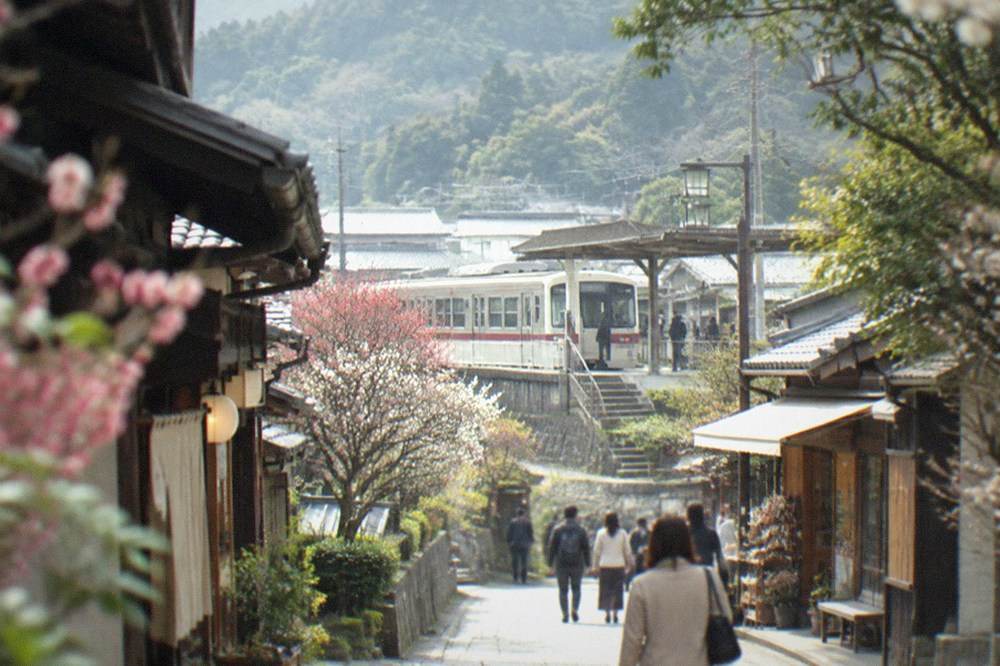
The branch line to Dazaifu is a charming little operation, two-car trains on a short rural stretch, and it is timed to meet the main-line trains at Futsukaichi, so the connection is part of the timetable rather than luck. In practice you step off one train, walk a few metres, and board the other. Signs are in Japanese and English, and Dazaifu is announced on the train.
One point worth knowing before you plan: there is no JR service to Dazaifu at all. JR Kyushu's lines do not reach the town, so every guide that tells you to use a Japan Rail Pass to get there is sending you to a bus or a long walk. The Nishitetsu line is the only rail option, and it is a good one. The wider rail picture, including where JR passes do and do not help around Fukuoka, is covered in the getting around Fukuoka guide.
If you would rather someone else handle the timetables, there are guided options that bundle Dazaifu with other destinations, and the Yufuin no Mori sightseeing train day tour pairs the famous JR limited express with a Dazaifu visit in one booked package.
How Much Does the Nishitetsu Ride to Dazaifu Cost?
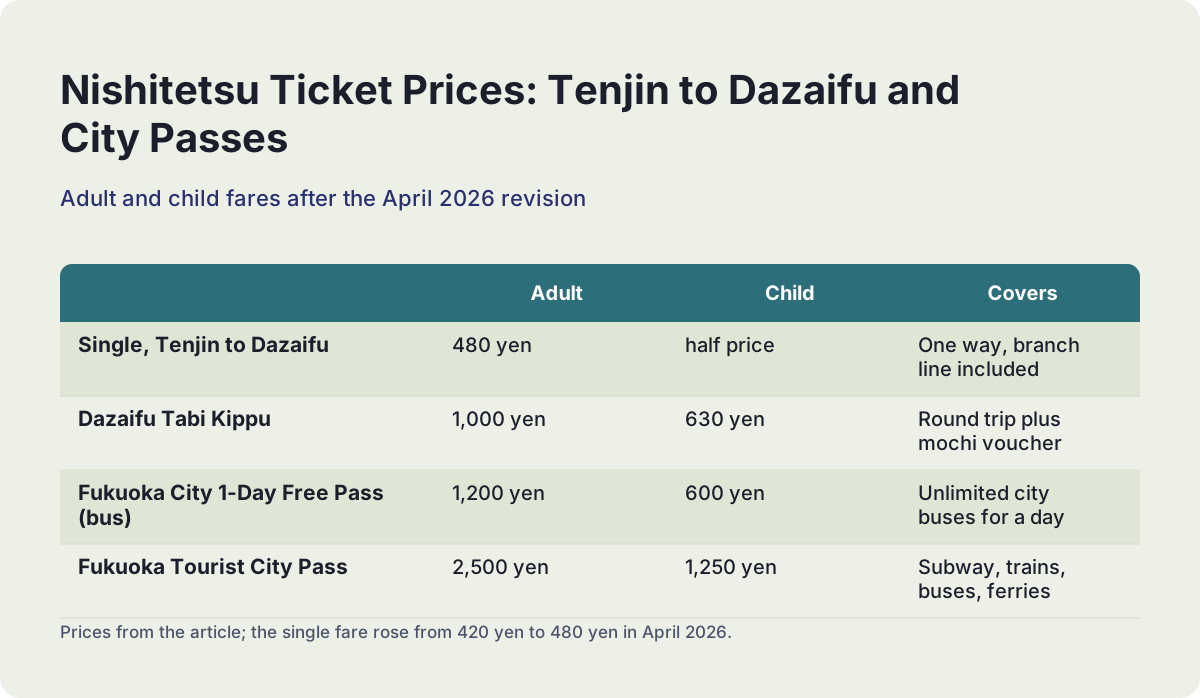
The single fare from Nishitetsu Fukuoka (Tenjin) to Dazaifu is 480 yen each way for an adult, with child tickets at half price. The Dazaifu Tabi Kippu sightseeing ticket costs 1,000 yen for adults and bundles the round trip with an Umegae mochi voucher, which works out cheaper than two single fares plus the cake.
The April 2026 fare revision lifted the Tenjin to Dazaifu single from 420 yen to 480 yen, and plenty of printed and online guides still quote the old figure. If you see 420 yen anywhere, that source predates the change. Child fares are half the adult rate, and small children travel free in the company of a paying adult on the bus network, a rule that also applies to the 1-Day Free Pass.
For a day that combines Dazaifu with city sightseeing, the arithmetic changes. Two singles to Dazaifu cost twice the 480 yen fare, and a subway day pass adds 640 yen on top. Put those together and you are already in the same price territory as the tourist city pass, which covers both networks, so the comparison is worth making before you buy anything. The full pass details sit in the next section.
| Ticket | Adult | Child | What It Covers |
|---|---|---|---|
| Single, Tenjin to Dazaifu | 480 yen | half price | One way, including the branch line |
| Dazaifu Tabi Kippu | 1,000 yen | 630 yen | Round trip plus an Umegae mochi voucher |
| Fukuoka City 1-Day Free Pass (bus) | 1,200 yen | 600 yen | Unlimited Nishitetsu city buses for a day |
| Fukuoka Tourist City Pass | 2,500 yen | 1,250 yen | Subway, Nishitetsu trains and buses, ferries, one day |
The bus day pass is worth a line of its own. Nishitetsu's Fukuoka City 1-Day Free Pass costs 1,200 yen for adults and covers unlimited rides on the city bus network, and it carries a list of attraction discounts, including reduced entry at the Fukuoka Art Museum's collection displays. Digital versions, sold as 6-hour and 24-hour tickets, cost less than the paper pass. The official bus pass page lists the current discounts: the Nishitetsu city free pass page.
What Is the Fukuoka Tourist City Pass and Who Can Buy It?
The Fukuoka Tourist City Pass costs 2,500 yen for the city version and 2,800 yen for the version that adds Dazaifu, and it is sold only to overseas tourists on short-stay visas, with a passport checked at the counter. It covers the subway, Nishitetsu trains and buses in designated areas, some JR lines and ferries for one day, plus attraction discounts.
This pass is the single most mispriced item in Fukuoka travel writing. Most competing guides still quote 820 yen or 1,340 yen, figures that date from years ago. The current prices are 2,500 yen for the Fukuoka City version and 2,800 yen for the Fukuoka City plus Dazaifu version, and the official page states them plainly: the Fukuoka Tourist City Pass page, operated by the city itself.
The passport restriction matters. This is not a pass a resident or a long-term visa holder can buy, and the digital app version is restricted further, to visitors from South Korea, Taiwan and Thailand. Everyone else buys the paper version, sold at the Nishitetsu Tenjin Expressway Bus Terminal, the Hakata Bus Terminal, Fukuoka Airport, the Tenjin and Hakata subway customer centres, and online through the MyRoute app. If you have just landed, the Fukuoka airport guide covers where the sales counters sit relative to the terminals.
Whether the pass pays off is simple arithmetic. A subway day pass alone is 640 yen and the Dazaifu round trip is two singles at 480 yen each, so a day that does both by train already costs a meaningful sum before any buses. Add a bus ride or two and a ferry, plus the attraction discounts, and the 2,500 or 2,800 yen pass starts to earn its price on a busy day. On a quiet day with one train trip, singles are cheaper. The pass also covers the subway's Airport Line, which is the line that connects the airport to Hakata and Tenjin, so arrival day and departure day are both candidate days if your plans are dense. Everything else covered here is indexed on Fukuoka Japan Travel Guide.
One caution on the Dazaifu version: the Dazaifu Liner Bus "Tabito" is excluded from the pass, so if you were planning to ride that direct coach to the shrine town, the pass will not cover it. The regular Nishitetsu trains to Dazaifu are covered, which for most travellers is the better ride anyway.
Which Nishitetsu Buses Serve the City Centre?
Nishitetsu runs one of the two main bus networks in central Fukuoka, with a flat 150 yen fare inside the Tenjin and Hakata city-centre zone and a 1,200 yen day pass covering the wider city network. The central flat zone covers the major stops around Tenjin and Hakata station, which is where most visitors spend most of their time.
The flat-fare zone replaced the old 100 yen loop bus after a fare revision, another detail that has stranded older guides. Inside the zone, every ride is 150 yen regardless of distance, which makes hopping between Tenjin, Hakata and the surrounding blocks genuinely cheap. The official Nishitetsu bus pages list the zone boundaries and the pass options.
Buses matter in Fukuoka more than in most Japanese cities because the subway only has three lines, and the places the subway misses, parts of Daimyo, the western hillside neighbourhoods, the Momochi coast beyond the end of the airport line, are bus territory. For a sense of how the pieces fit, the Tenjin area guide covers the district the bus zone is built around.
Payment on the buses is the standard Japanese pattern: board at the front, tap an IC card or drop the exact fare, and take a numbered ticket if paying cash so the driver can adjust the amount at your stop. IC cards work across the whole network, and the local cards interoperate with the national ones, so a Suica or ICOCA bought in Tokyo or Osaka will tap fine on a Fukuoka bus.
Where Else Does the Nishitetsu Line Take You?
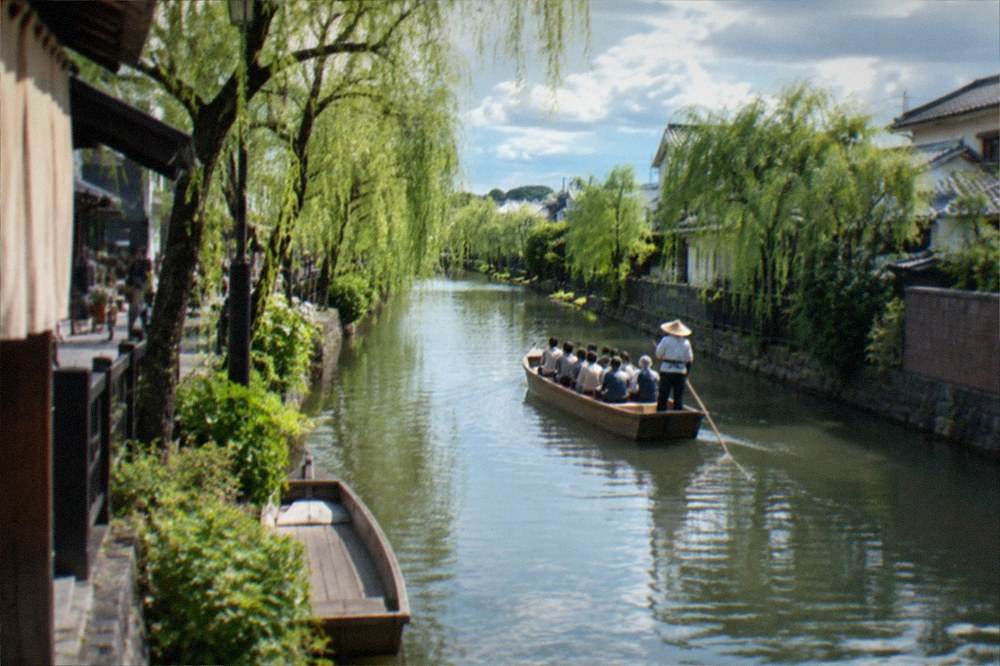
South of Futsukaichi, the Tenjin Omuta Line continues to Yanagawa, the canal town where punting boats run the old waterways, and on to Omuta at the southern end, with direct highway buses from Tenjin reaching much of the rest of Kyushu, including Nagasaki, Kumamoto, Beppu and Karatsu. The railway and the coach network together cover nearly every day trip from Fukuoka that does not start at a JR station.
Yanagawa is the obvious second stop on the line, roughly an hour from Tenjin, and it pairs naturally with Dazaifu into a single day: shrine in the morning, canals in the afternoon. The town's boat rides drift through the moats and channels of an old castle town, and it is one of the few day trips from Fukuoka that feels completely different from the city. A combined Itoshima, Shiraito Falls, Dazaifu and Yanagawa tour exists for anyone who wants that whole arc handled end to end.
| Destination | Line Or Service | Roughly How From Tenjin | Notes |
|---|---|---|---|
| Dazaifu | Tenjin Omuta Line, change at Futsukaichi | 30 minutes | Shrine town, free grounds entry |
| Yanagawa | Tenjin Omuta Line | about 1 hour | Canal boat rides, eel lunch culture |
| Omuta | Tenjin Omuta Line, southern terminus | about 1 hour 15 minutes | Industrial heritage, Miike coal sites |
| Nagasaki | Highway bus from Tenjin terminal | a few hours by coach | Bus competes with the JR limited express |
| Itoshima coast | Highway bus or rail with a connection | about 1 hour | Beaches, oyster huts, Sakurai Futamigaura |
The highway coach network deserves more attention than it gets. The Nishitetsu expressway buses leave from the Tenjin terminal and reach destinations across Kyushu, often at lower fares than the train and without any rail pass arithmetic. For specific trips, the site has dedicated pages, including the Nagasaki day trip, the Beppu day trip and the Karatsu day trip, each of which compares the train and bus options for that route.
For a fuller sweep of the options beyond the city, the day trips from Fukuoka overview and the day-trip index cover everywhere from Dazaifu to Hiroshima and Busan.
What About IC Cards and Tap-To-Ride?
Nishitetsu trains and buses accept the local IC cards, nimoca and Hayakaken, alongside the national interoperable cards such as Suica, PASMO and SUGOCA, so a card bought anywhere in Japan works here without any setup. The subway additionally accepts contactless credit card tap-to-ride at designated gates, with a daily cap.
The practical takeaway is that you do not need to buy anything special in Fukuoka. If you already carry a Suica or ICOCA from earlier in your trip, it taps straight onto a Nishitetsu train to Dazaifu, a city bus in Tenjin and the subway from the airport. The local cards still exist and are sold locally, but for a visitor they are an option rather than a requirement.
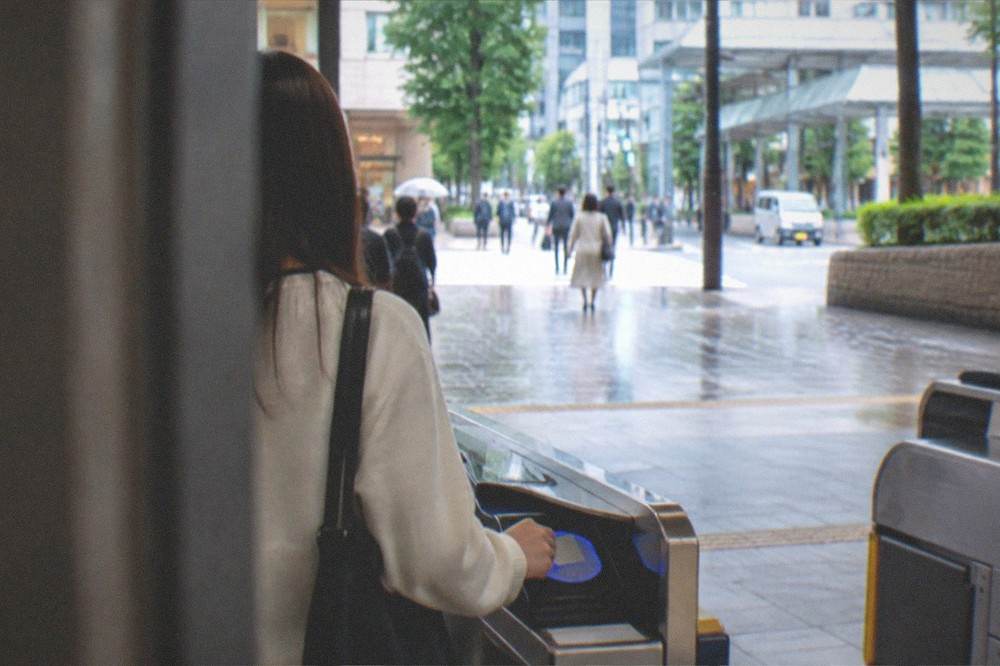
One detail that genuinely helps: on the subway, contactless credit cards work at the blue gates, and the charges cap at the day pass price of 640 yen, so a day of heavy subway use on a credit card cannot cost more than the pass would have. On Nishitetsu trains, the standard IC tap applies. Cash is still worth carrying in Fukuoka regardless, because the yatai stalls, about 100 of them across the city, vary in what they accept, and the city ordinance requires each stall to display its prices clearly rather than quote a vague market rate, so at least you always know what you are paying before you order.
If your day in the city is looking full rather than rail-heavy, a walking tour can cover Tenjin and Hakata on foot while the Nishitetsu network handles the longer legs.
Common Questions About the Nishitetsu Line
How Do You Get To Dazaifu On The Nishitetsu Line From Tenjin?
Take the Tenjin Omuta Line from Nishitetsu Fukuoka (Tenjin) toward Omuta, change at Futsukaichi to the Dazaifu branch, and the trip takes roughly 30 minutes at a fare of 480 yen each way.
Can you get to Dazaifu with a Japan Rail Pass?
No. JR lines do not serve Dazaifu at all. The Nishitetsu line is the only rail option, so rail passes that cover JR Kyushu do not help with this particular trip.
Is the Fukuoka Tourist City Pass worth buying?
It depends on your day. At 2,500 yen for the city version and 2,800 yen with Dazaifu, it pays off on dense days that mix subway, Nishitetsu trains and buses, and it is restricted to overseas tourists on short-stay visas with a passport check at purchase.
Do Suica and other IC cards work on Nishitetsu?
Yes. Nishitetsu trains and buses accept the local cards and the national interoperable cards, including Suica, PASMO and SUGOCA, with no setup needed.
What is the Dazaifu Tabi Kippu?
A sightseeing ticket sold by Nishitetsu that bundles the round trip from Tenjin to Dazaifu with a voucher for Umegae mochi, priced at 1,000 yen for adults and 630 yen for children.
Does the Nishitetsu bus still have a 100 yen loop bus?
No. The old 100 yen service was replaced by a 150 yen flat-fare zone covering the central stops around Tenjin and Hakata after a fare revision.