Sushi in Fukuoka
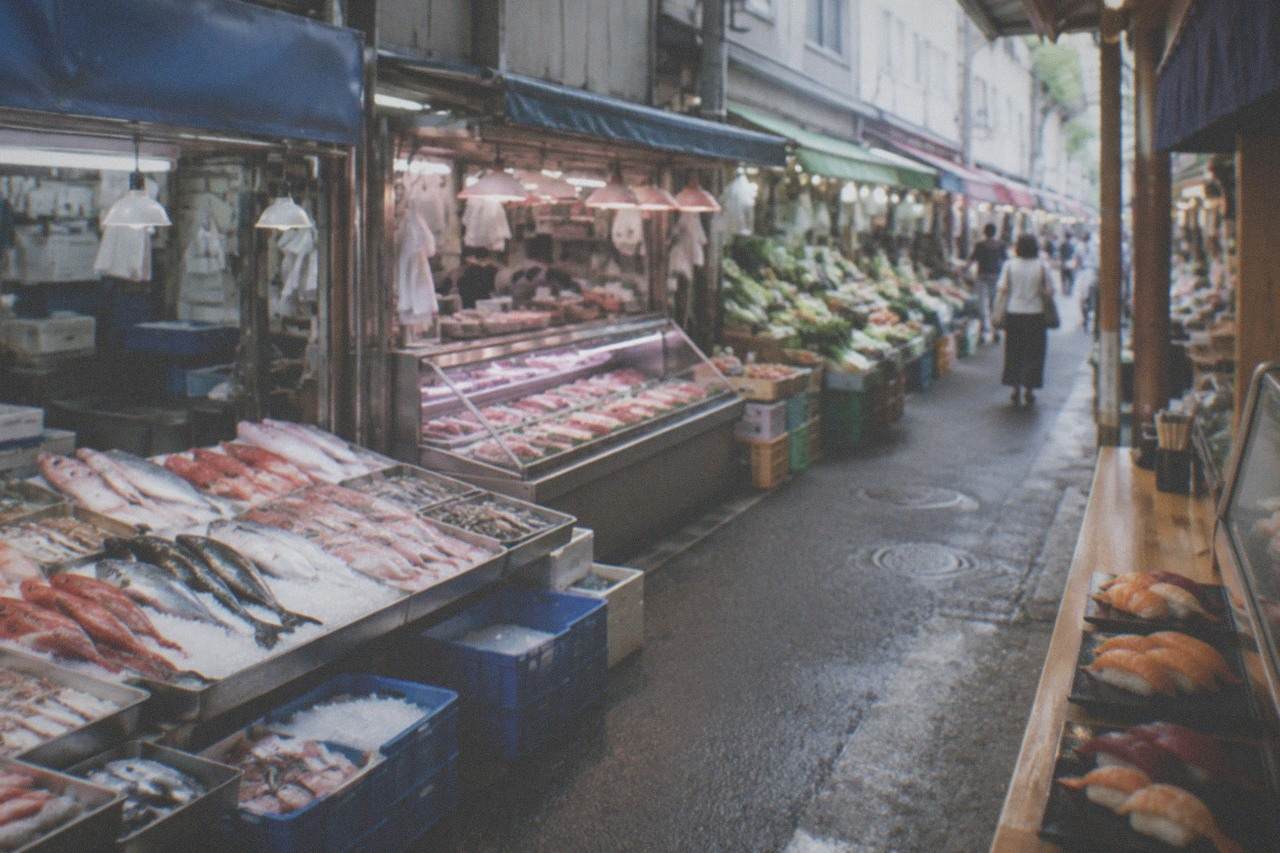
Fukuoka sits directly on Hakata Bay, on the Genkai Sea side of northern Kyushu, and the city's sushi counters are stocked by boats working some of the richest coastal fishing grounds in Japan.
Short answer
Fukuoka sushi is built on Genkai-Nada fish because the city faces the Genkai Sea directly, where cold currents and rocky shallows produce firm, high-fat fish year round. Local counters specialise in saba and fugu, kaiten chains keep prices low, and the best eating is concentrated in Hakata, Tenjin and Nakasu.
Fukuoka eats more sushi per capita than almost anywhere in Japan, and the reason is sitting right outside the window. The city wraps around Hakata Bay on the Genkai Sea side of northern Kyushu, and working fishing ports sit within a short drive of the main sushi counters in Hakata and Tenjin. A fish landed at dawn can be on a counter by lunch, which is a claim very few big cities in the world can make honestly.
Why Is Fukuoka Sushi Built on Genkai-Nada Fish?
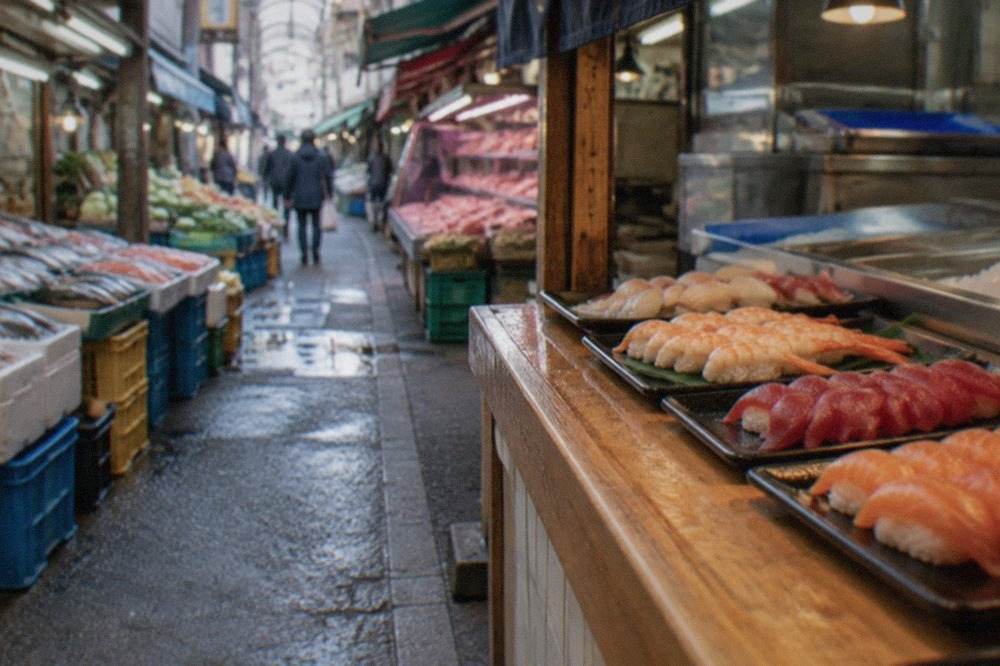
Fukuoka sushi is built on Genkai-Nada fish because the city faces the Genkai Sea directly, and the strong currents, rocky shallows and mixing of warm and cold water masses along that coast produce fish with firm flesh and high fat content through most of the year. Boats from small ports along the Genkai coast land catch that reaches Fukuoka counters faster than fish flown into most other Japanese cities, which shapes both the menu and the price.
The Genkai Sea is the body of water between northern Kyushu and the Korean peninsula, and Fukuoka is the largest city on its shore. That geography is the whole story. Tokyo and Osaka mostly eat fish moved long distances by air and refrigerated truck, and their counters reflect a national supply chain. Fukuoka eats locally, from a coast where the Tsushima Current pushes nutrients along rocky seabeds and small ports land saba, fugu, squid and horse mackerel daily.
The fish that defines this coast more than any other is saba, mackerel. The nearby Karatsu and Itoshima waters produce saba so prized that the whole region around the Genkai Sea is known for it, and Fukuoka's signature preparation, goma-saba, cures the raw fillet in sesame and vinegar. A sushi counter in Hakata that does not serve local saba is barely a Fukuoka counter at all.
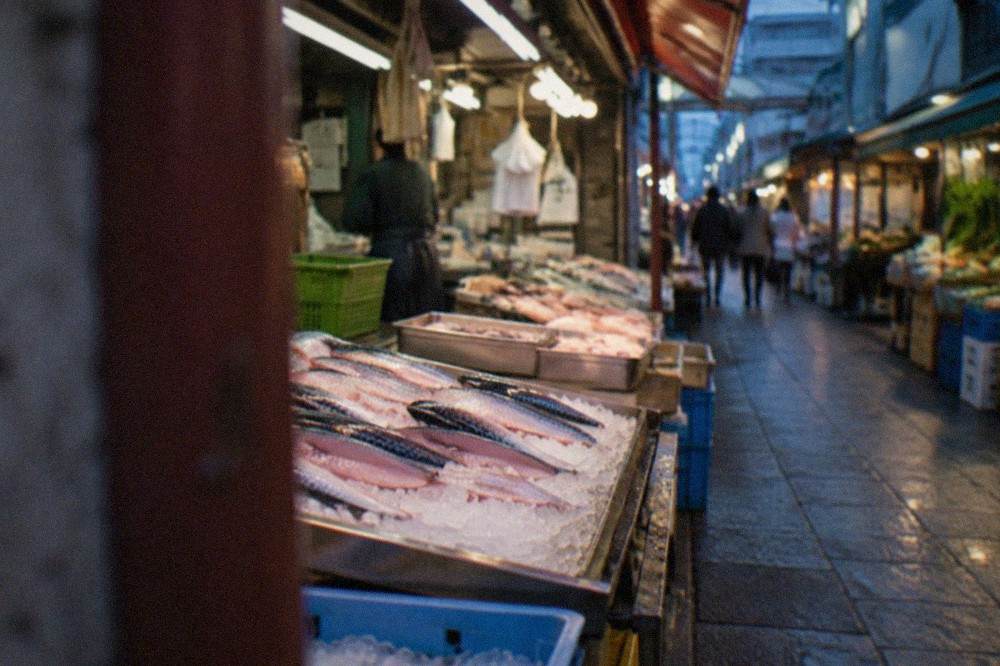
The same logic runs through the winter menu. Fugu, the pufferfish that Kyushu treats as a cold-season delicacy, is pulled from the Genkai Sea and prepared in Fukuoka's licensed restaurants from roughly December through March. Squid, cuttlefish and red sea bream round out a local roster that changes with the water temperature rather than with fashion.
If you are planning a wider food trip around the city, the general Fukuoka food guide covers motsunabe, tonkotsu ramen and mentaiko alongside the seafood, and it is worth reading before you build an eating schedule.
What Makes the Genkai Sea Different for Fish?
The Genkai Sea is different because it is a shallow, current-swept strait rather than a deep open ocean. The Tsushima Current runs warm water along the coast, tidal mixing over rocky shallows stirs up nutrients, and the result is a feeding ground where migratory fish pass close to shore all year. Fish that swim hard in strong current develop firm flesh and rich fat, which is exactly what a sushi counter wants.
Coastal fisheries like this one reward small boats. The ports along the Itoshima peninsula and up towards Karatsu land smaller volumes than the giant markets of Tokyo, but the catch travels minutes rather than hours. That short chain matters for quality in a way that refrigeration cannot fully replace, because the finest texture in raw fish degrades in the first hours after landing no matter how well it is iced.
The seasonality is also distinctive. Because the current pattern shifts through the year, the local roster rotates: saba and squid dominate from late autumn, fugu in deep winter, sea bream and horse mackerel into spring, and the summer months bring smaller migratory fish and shellfish. A counter that posts a seasonal menu in Fukuoka is not being precious, it is reporting what the boats brought in.
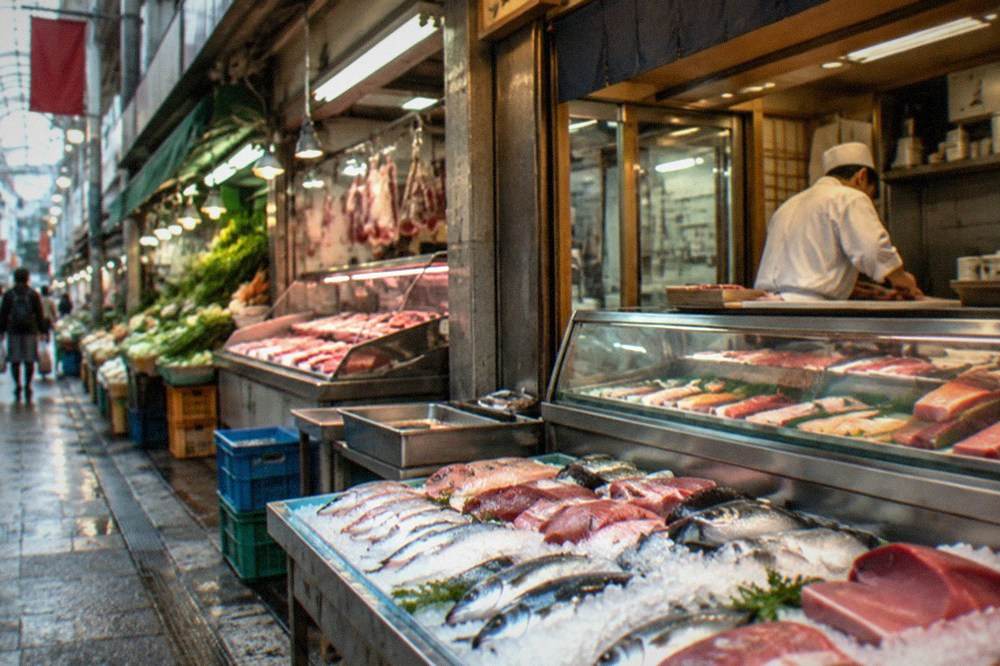
Here is how the local year typically runs, based on what the coast produces rather than on any single restaurant's menu:
| Season | Typical local catch | How it appears at the counter |
|---|---|---|
| Spring | Sea bream, horse mackerel, shellfish | Nigiri and tsumami side dishes |
| Summer | Squid, smaller migratory fish, shellfish | Ika nigiri, summer salads |
| Autumn | Saba, squid, greater amberjack | Goma-saba, cured and vinegared |
| Winter | Fugu, saba, yellowtail | Fugu sashimi courses, fatty nigiri |
Treat this as a planning range rather than a promise: exact timing shifts with water temperature and weather, and the counter will always know better than any table. Ask what came in that morning, and you will usually get the honest answer, because the honest answer is the whole point of eating here.
Where to Eat Sushi in Fukuoka?
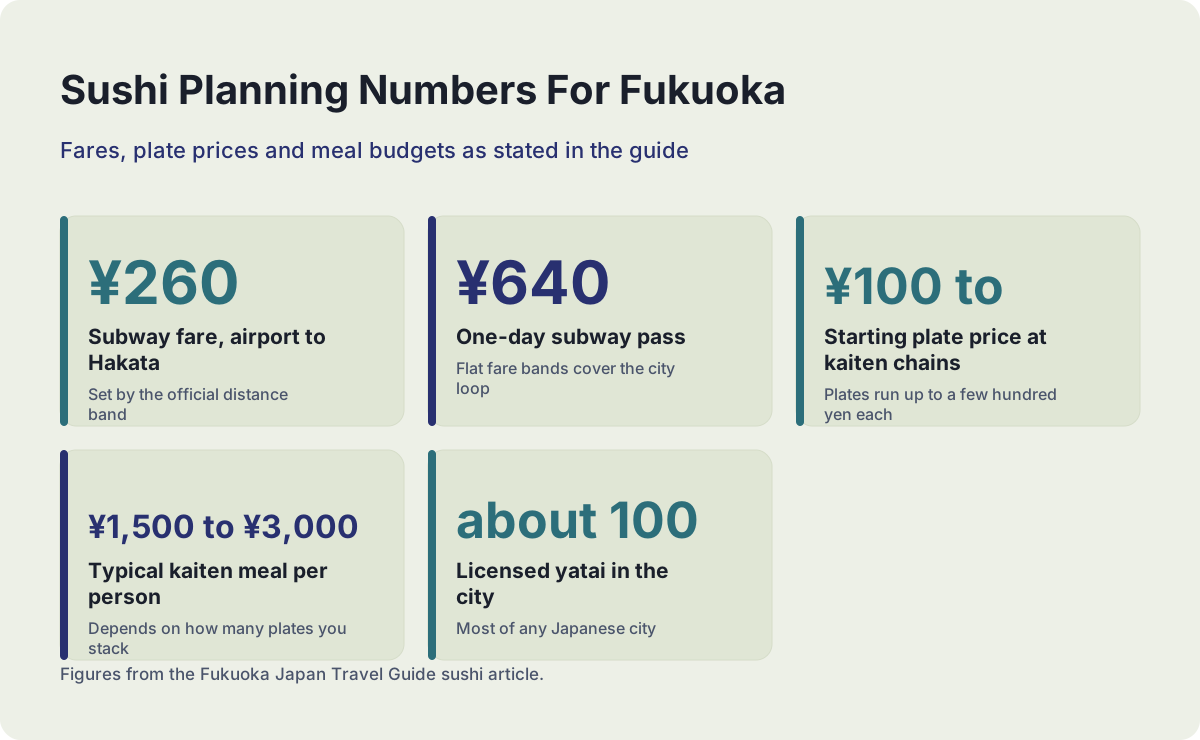
The best sushi in Fukuoka is concentrated in three areas: Hakata around the station, where commuter counters and standing sushi bars cluster near the rail hub; Tenjin, where mid-range and high-end counters sit among the business district; and Nakasu along the Naka River, where dinner sushi pairs with the nightlife. Each area serves a different budget and time of day, and none requires a reservation weeks ahead except a handful of top counters.
Hakata is where most visitors start, because most visitors arrive there. The station complex and the streets around it hold standing sushi bars that serve fast, cheap nigiri to commuters, plus quieter counter restaurants inside the station buildings themselves. If you are coming in from the airport, the Hakata station area guide maps the station's floors so you can find the eating decks without wandering.
Tenjin runs the widest price range. The department store basements sell takeaway sushi that is genuinely good, the back streets hold mid-priced counter shops that have been run by the same family for decades, and a small number of high-end omakase rooms compete with anything in Japan at their price point. The where to stay in Fukuoka guide explains the trade-off between basing yourself here versus Hakata.
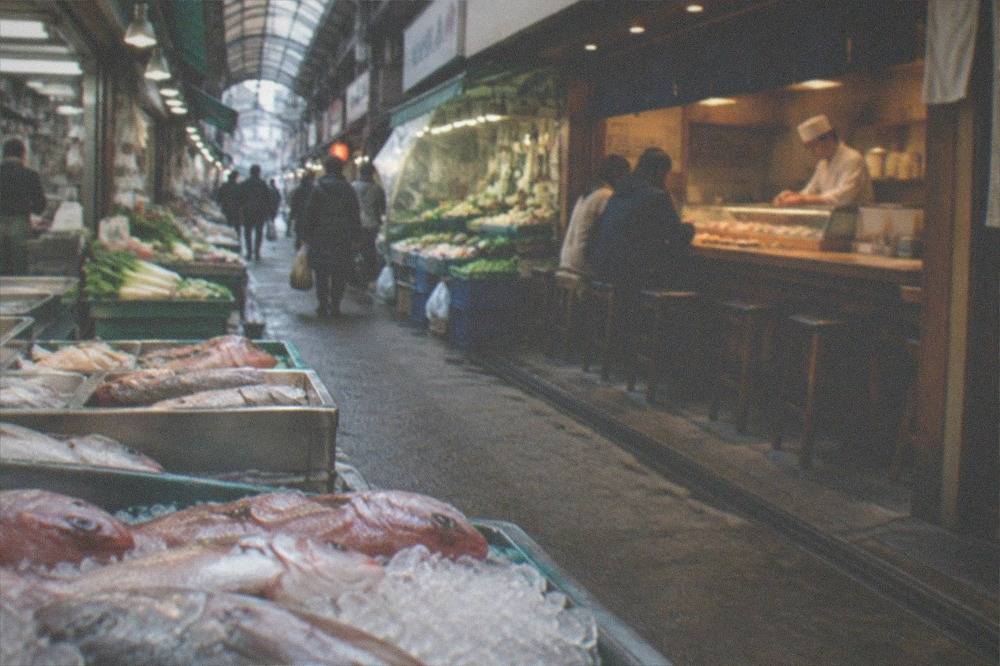
Nakasu is the night option. The entertainment district on the Naka River holds sushi counters that stay open late, and eating sushi before or after the riverside yatai stalls gives you the full range of the city's food culture in one walk. The Nakasu yatai street guide covers the stall side, and the two pair naturally on a single evening.
A practical note on arrival: Fukuoka Airport is unusually close to the city centre, and the subway fare to Hakata is ¥260, a figure set by the official distance band. There is no JR Fukuoka Station, the rail hub is Hakata, and Hakata and Fukuoka are the same city, so no transfer between two places is involved. The airport to city guide compares the subway, bus and taxi options line by line.
Kaiten Sushi and Budget Sushi: What Should You Expect to Pay?
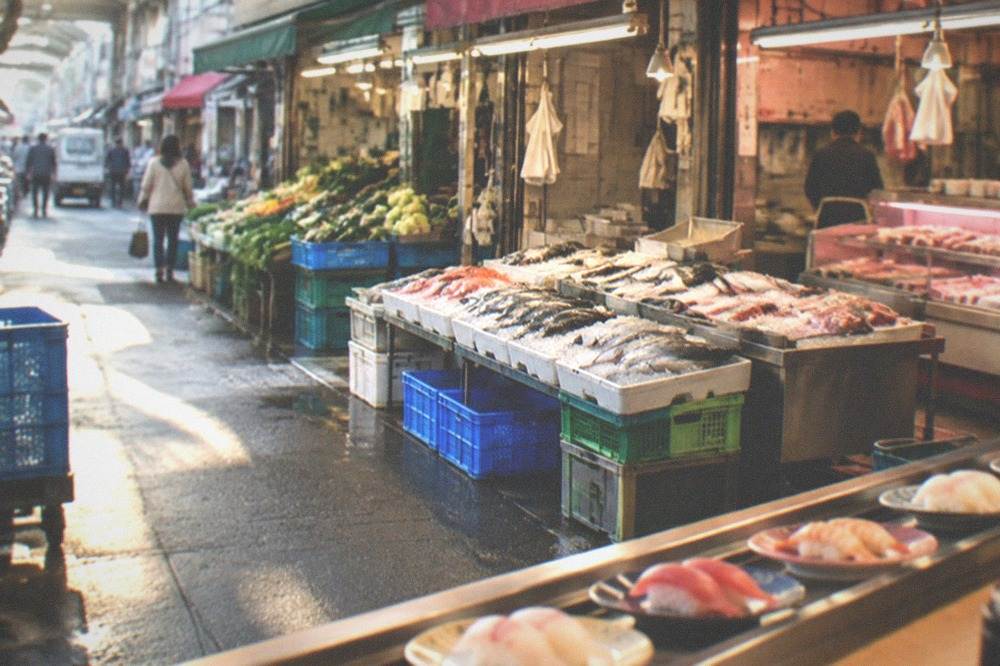
Budget sushi in Fukuoka means kaiten conveyor chains, where plates typically run from roughly ¥100 to a few hundred yen each, and a filling meal commonly lands somewhere around ¥1,500 to ¥3,000 per person depending on how many plates you stack. Mid-range counter sushi generally costs more, and high-end omakase sits well above that. No official body publishes averages, so treat every figure here as a planning range and confirm prices on the day.
The conveyor chains are better in Fukuoka than the format's reputation suggests, precisely because the local supply chain feeds them too. The same ports that stock the high-end counters also stock the regional kaiten operators, and the difference between a ¥120 plate of local saba here and the equivalent in a landlocked city is real. Order from the tablet rather than only grabbing passing plates, because the made-to-order items come fresher.
Standing sushi bars occupy the space between kaiten and full counter service. You eat at a bar, often shoulder to shoulder with office workers, order piece by piece, and pay per piece. It is the fastest way to eat serious nigiri without a reservation, and Hakata has the densest cluster of them.
A rough budget ladder, built from what the formats charge rather than from any single operator:
| Format | Typical spend per person | Best for |
|---|---|---|
| Kaiten conveyor | ¥1,500 to ¥3,000 | Families, speed, low commitment |
| Standing sushi bar | A little more than conveyor level | Solo travellers, quick quality |
| Mid-range counter | Notably above standing-bar prices | A proper dinner, seasonal fish |
| High-end omakase | The top tier, book ahead | A splurge night |
The one rule that holds across every tier: pay attention to what is seasonal. A mid-range counter serving today's Genkai Sea saba will beat a fancy room serving flown-in tuna that has lost a day in transit. Spend on freshness, not on prestige, and Fukuoka rewards you constantly.
Sushi Etiquette: What Do You Actually Need to Know?
The etiquette that matters in a Fukuoka sushi shop is simple: sit at the counter if you want to interact with the chef, order piece by piece rather than all at once, eat nigiri soon after it is placed in front of you, and skip the heavy soy sauce bath, since the chef has already seasoned most items. Chopsticks are optional, hands are acceptable for nigiri, and a quiet thank you when you leave goes further than any tip, which Japan does not expect.
Counter seating is where the meal happens. Tell the chef your budget and let him choose, or point at the seasonal items in the case. Ordering in stages keeps each piece coming at its best, and it lets the chef read what you enjoy. The phrase "omakase" simply means you are handing the choices over, at any price level, not that you have signed up for the most expensive room in the house. Other pages covering the same trip are gathered on Fukuoka Japan Travel Guide.
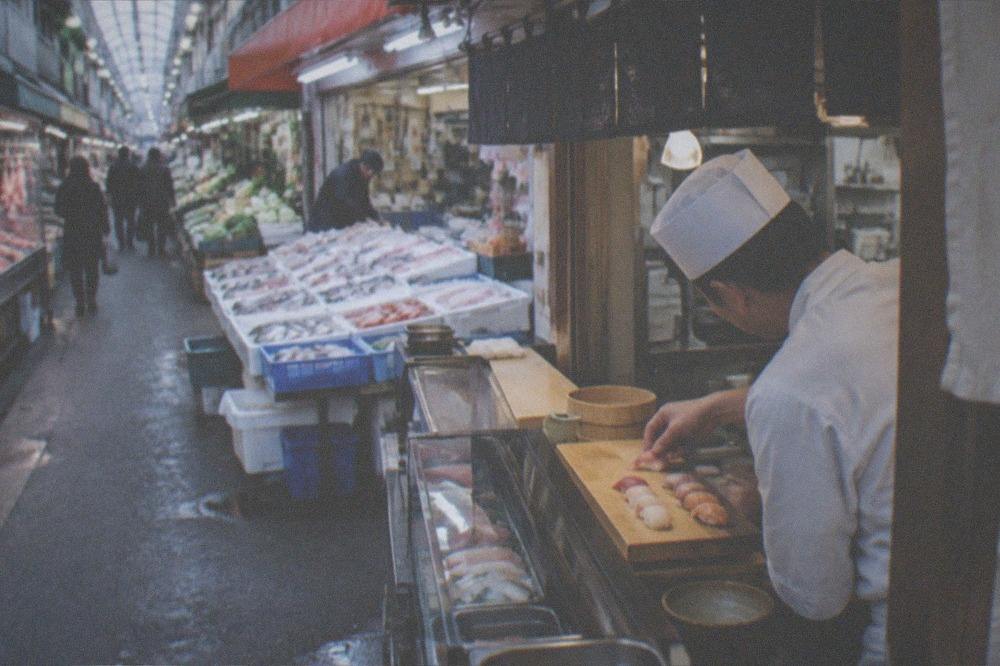
Fugu deserves a special mention because Fukuoka is one of Japan's fugu capitals. Preparation is licensed and strictly controlled, the season runs through the cold months, and it appears as sashimi, in hot pots and occasionally as nigiri at counters that hold the licence. If you are curious, winter is the time, and a local counter is the place.
When Is the Best Season for Sushi in Fukuoka?
The best season for sushi in Fukuoka is autumn through winter, roughly October to March, when the Genkai Sea's saba and fugu come into peak condition and the cold water concentrates fat in the fish. Spring is excellent for sea bream, summer is the weakest season for raw fish but strong for squid and shellfish, and the city's climate keeps counters busy all year. July is the wettest month, not June, despite the rainy season's reputation.
That last point is worth dwelling on because almost every guide gets it backwards. The Japan Meteorological Agency's 1991 to 2020 normals for Fukuoka show July at 299.1 mm of rain against June's 249.6 mm, even though June is the tsuyu rainy season month. July is also Yamakasa month, when the city stages its biggest festival, so the rain and the celebration arrive together. The Fukuoka weather and best time to visit guides break the whole year down month by month against the JMA data.
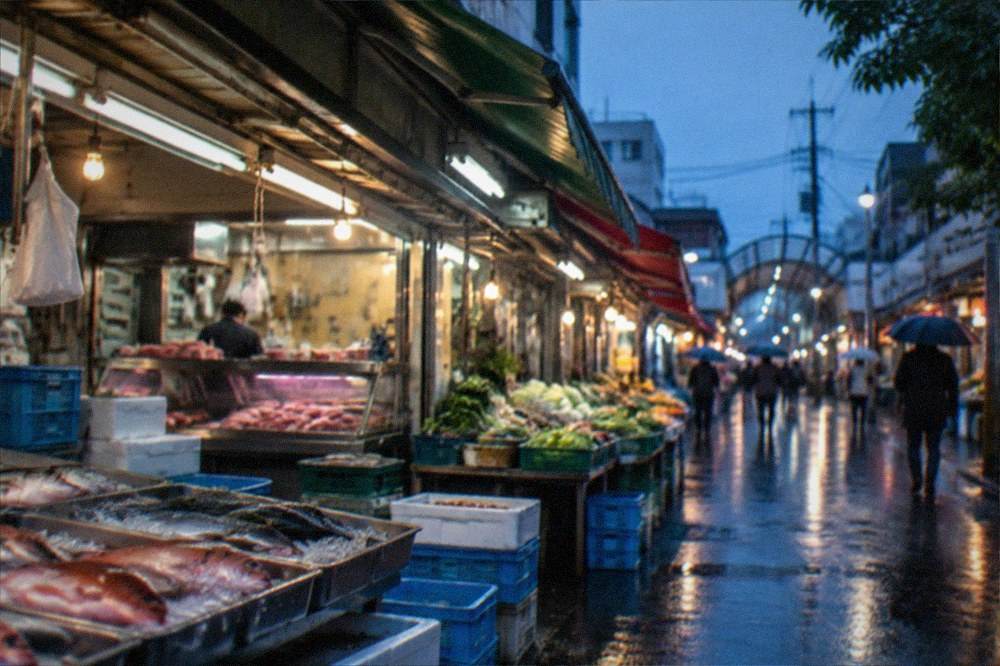
For a sushi trip specifically, the practical calendar looks like this:
| Month | Weather context | Sushi outlook |
|---|---|---|
| Oct to Nov | Mild, drier, the calm stretch of autumn | Saba and squid peak, excellent |
| Dec to Feb | Cool, the driest quarter of the year | Fugu season, fatty yellowtail |
| Mar to May | Warming, cherry blossom late March | Sea bream and shellfish |
| Jun to Aug | The wettest stretch, hot and humid | Squid, smaller fish, lighter menu |
Typhoon season runs roughly July through October and can suspend fishing for days at a time, so a September trip might find counters with a leaner board after a storm. It is a planning factor, not a reason to stay away, and the city's indoor food culture absorbs bad weather better than most. The JMA's monthly normals for the Fukuoka station are the source behind every rainfall figure on this page, and they are worth a look before you pack.
Sushi, Yatai and Food Tours: How Do You Combine Them?
Sushi and yatai are separate meals in Fukuoka, and the smart move is to schedule both: sushi at a counter for the fish, then a yatai stall for ramen, yakitori and the atmosphere. The city holds about 100 licensed yatai, the most of any Japanese city, and a city ordinance requires every stall to post its prices visibly, with the day's actual price shown for anything priced on the market. Guided food tours bundle several stops into one evening and remove the language barrier.
The price-posting rule is the honest answer to the question every visitor quietly has about street stalls: will the bill be a surprise? In Fukuoka it cannot be, because the ordinance bans vague "market price" labelling and city inspectors check periodically. The rule comes straight from the city's own yatai Q&A page, and it is a genuinely useful piece of local law that most guides never mention. It makes a first yatai visit far less intimidating.
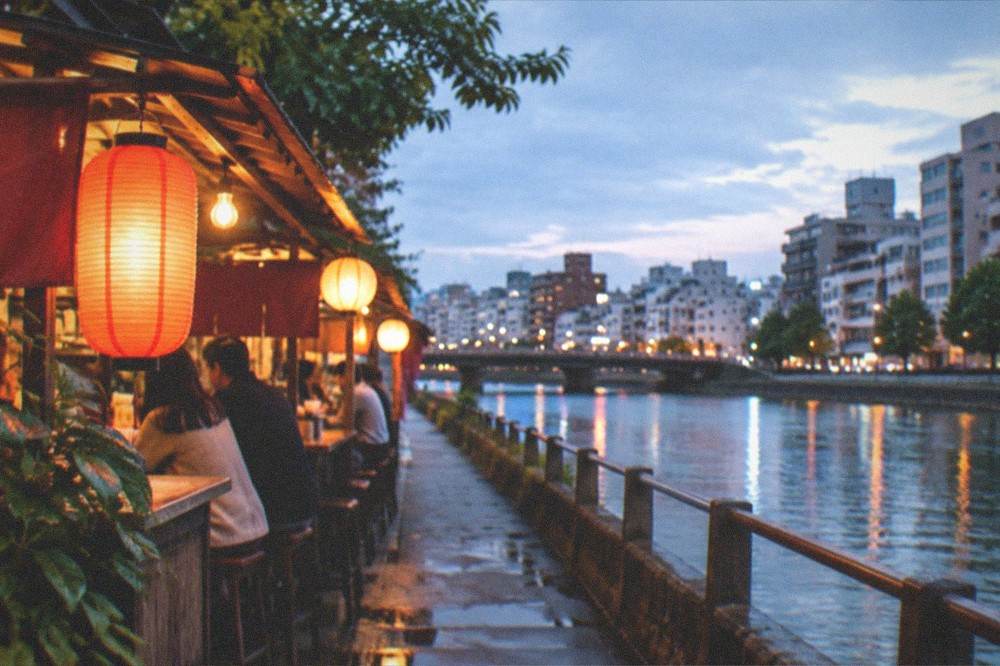
Guided tours earn their fee on the first night. A private guided walk through the Nakasu stalls, rated 4.7 from 70 reviews, gets you seats at stalls where solo visitors wait, plus translations of a menu that is often handwritten and Japanese only. The wider Fukuoka food tours round-up covers the evening crawls, the izakaya walks and the market visits, and the nightlife guide picks up where the eating ends.
Planning a Sushi Day in Fukuoka?
A sushi day in Fukuoka works best anchored on one neighbourhood: morning at a department store food hall or market in Tenjin, a kaiten or standing-bar lunch in Hakata, an afternoon of sightseeing along the waterfront, and a counter dinner back in Hakata or Nakasu. The subway's flat fare bands make the whole loop cheap, a one-day subway pass costs ¥640, and no two sushi stops need to be more than a few stops apart.
Start early. Department store basements in Tenjin open mid-morning and their fish counters are at their best before lunch, which doubles as a free lesson in what is seasonal this week. The markets around the city do the same job with more noise. Then spend the middle of the day on the water, because a city built on a bay should be seen from the bay, and the Fukuoka viewpoints guide lists the towers and hills that look back over it.
The evening is the main event. Book one counter dinner, arrive hungry, hand over the choices, and finish with a yatai stroll if the night is dry, since stalls close for rain and wind at the operator's discretion. If you are travelling with children, the conveyor format is the friendliest dinner in the city, and the Fukuoka with kids guide builds a full family itinerary around it. The official subway one-day pass page lists the partner discounts that come with the ticket, which occasionally include museum and attraction reductions worth more than the pass itself.
And if the sushi has won you over completely, the rest of Kyushu keeps the theme going: the Kyushu overview maps the coastal regions where the same current feeds the same counters, from Karatsu down to the volcanic south. Give yourself a second evening if you can, because the counter you liked on the first night will have a different board the next day.
Common Questions About Sushi in Fukuoka
Why Is Fukuoka Sushi Built On Genkai-Nada Fish?
Fukuoka faces the Genkai Sea directly, and its current-swept, nutrient-rich coastal waters produce firm, high-fat fish that small local ports land and deliver to city counters within hours. The short supply chain, not any single technique, is what defines the local sushi.
Is Fukuoka good for sushi compared to Tokyo?
Yes, and for different reasons. Tokyo has the largest market in the world, but Fukuoka has shorter distance from boat to counter, strong local saba and fugu, and lower prices at every tier from conveyor chains to high-end omakase.
What fish should I order in Fukuoka?
Start with local saba, especially as goma-saba, then ask what came in that morning. In winter look for fugu at licensed counters, and year round trust the chef's seasonal picks over the standard tuna-and-salmon roster.
How much does sushi cost in Fukuoka?
Conveyor meals commonly run ¥1,500 to ¥3,000 per person, standing bars a little more, and counter dinners climb from there. These are planning ranges, not published averages, so confirm prices at the counter on the day.
When is the best month for sushi in Fukuoka?
October to March. The cold months concentrate fat in the Genkai Sea's saba and bring fugu into season, while summer menus lean on squid and shellfish. Note that July, not June, is statistically the city's wettest month.
Can you eat sushi at a yatai stall?
Rarely. Yatai specialise in ramen, yakitori, oden and motsunabe rather than nigiri. Treat the two as separate meals: a sushi counter for the fish, a yatai for the atmosphere, and the ordinance requires stalls to post prices openly.