Jotenji Temple
Jotenji is a compact Rinzai Zen temple in the middle of Hakata, a short walk from Kushida Shrine and the Kawabata arcade, and it carries one of Japanese food history's better stories: the claim that udon, soba and manju were first made in Japan right here.
Short answer
Jotenji is worth visiting if you are already exploring Hakata's old town. It is small, free to walk into, and takes about 15 to 20 minutes, but its monument to the birth of udon, soba and manju, its stone-paved front court and its Setsubun festival give it a claim no other Fukuoka temple has. Pair it with Kushida Shrine rather than making it a destination on its own.
Jotenji sits on a quiet street in Hakata, wedged between the Gion district and the Kawabata shopping arcade, and most visitors walk past its gate without knowing what they are passing. That is a shame, because this small Rinzai Zen temple holds one of the more surprising claims in Japanese food history. A stone monument in its front court records that the flour-based foods udon, soba and manju were first introduced to Japan in Hakata, through the monk who founded this temple, after he returned from study in Song dynasty China in the thirteenth century. Noodles, in the story this temple tells, began a few metres from where you stand.
The temple honours Shoichi Kokushi, the Hakata-born monk who travelled to China, trained in Rinzai Zen, and came back with more than doctrine. His teacher in China is said to have handed him a charter permitting the spread of Zen, and the food traditions attributed to his return shaped Hakata's cooking culture for centuries afterwards. Fukuoka still eats those foods daily: Hakata udon is a local dish in its own right, and the connection is why this modest temple matters beyond its size. This page, part of the Fukuoka Japan Travel Guide coverage of the city's temples, walks through what Jotenji offers, how to reach it, and how to fold it into a day in Hakata's old town.
Is Jotenji Temple Worth Visiting?
Yes, provided you treat it as one stop inside a Hakata old town walk rather than a standalone destination. The temple grounds are compact and can be seen in about 15 to 20 minutes, and nothing here demands a longer stay. What justifies the visit is the food history monument, the stone paving in the front court, and the temple's role in the Hakata Gion Yamakasa festival each July, when the festival's floats are tied back to this district's shrines and temples.
The honest framing is this: Jotenji is not one of Japan's great temple complexes. It is a working neighbourhood Zen temple of the kind Hakata has several of, and its value is contextual. If you have already walked to Kushida Shrine, the spiritual home of the Yamakasa festival and the most important shrine in Hakata, Jotenji is roughly five minutes away on foot. The walk between them passes through the Gion district, whose streets preserve the layout of old Hakata better than almost anywhere else in the city.
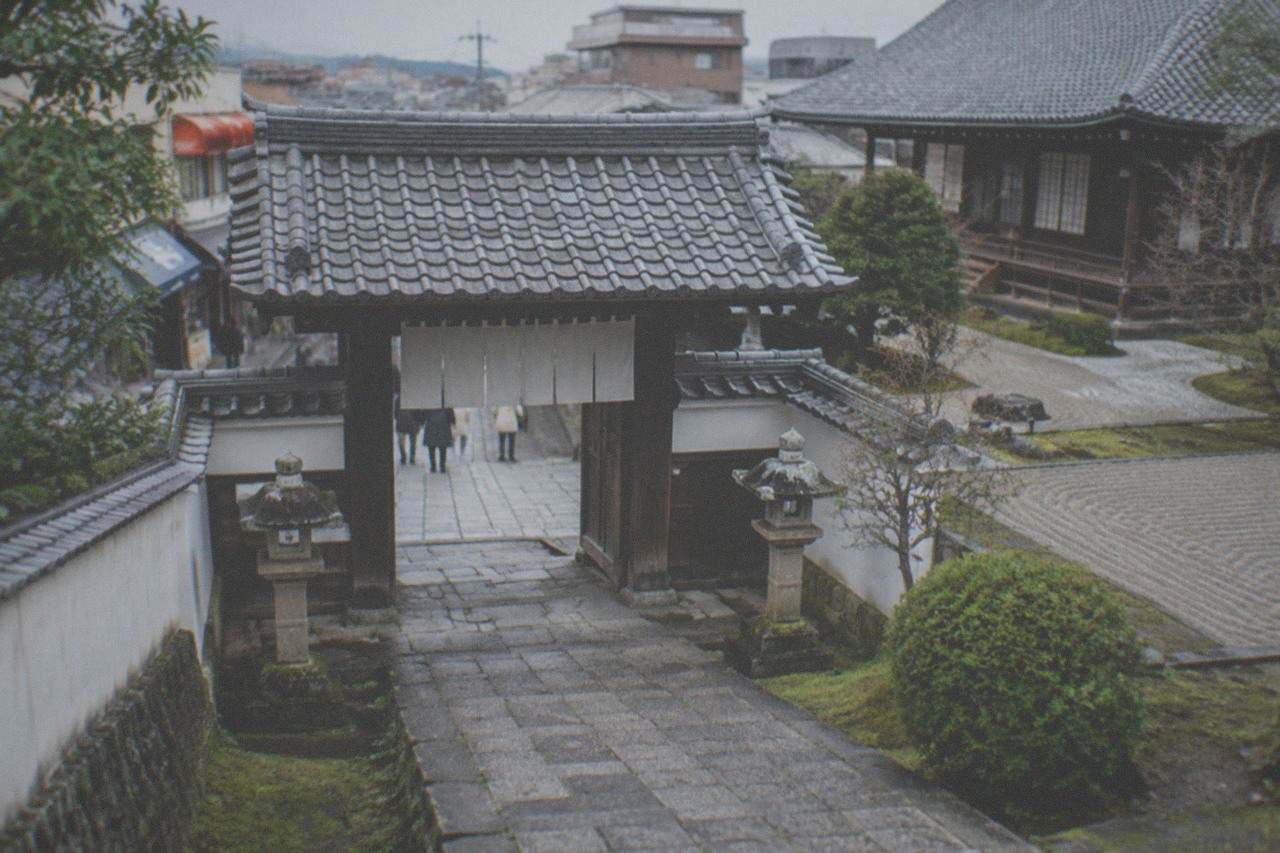
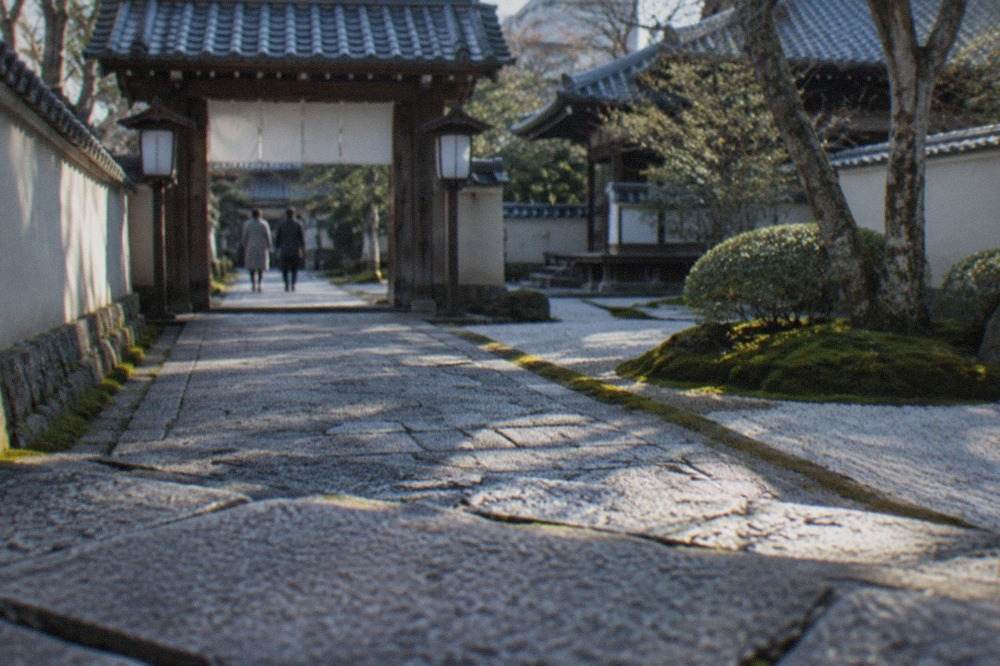
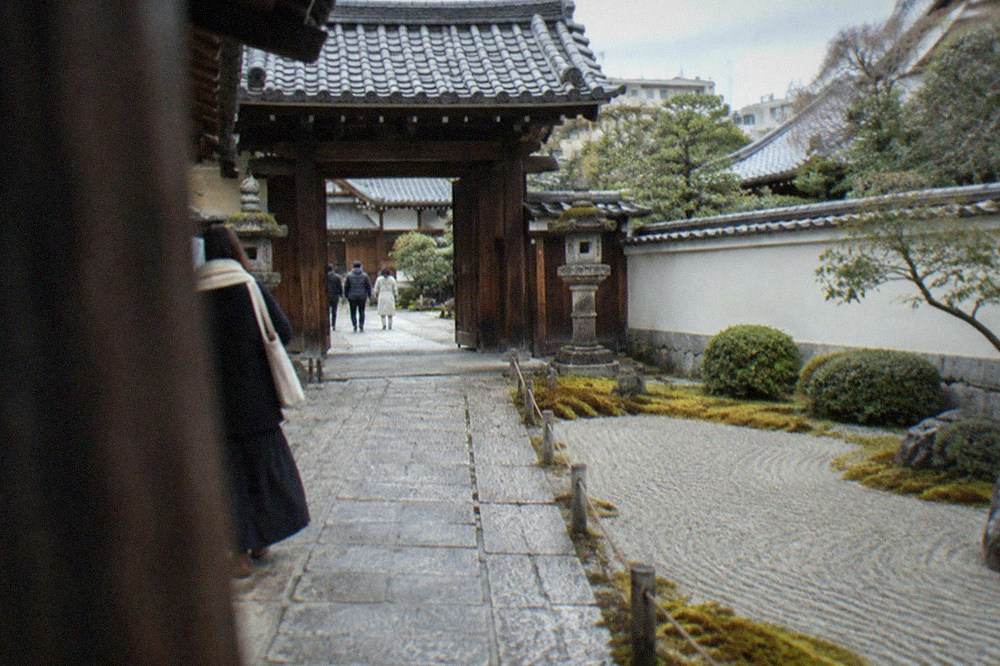
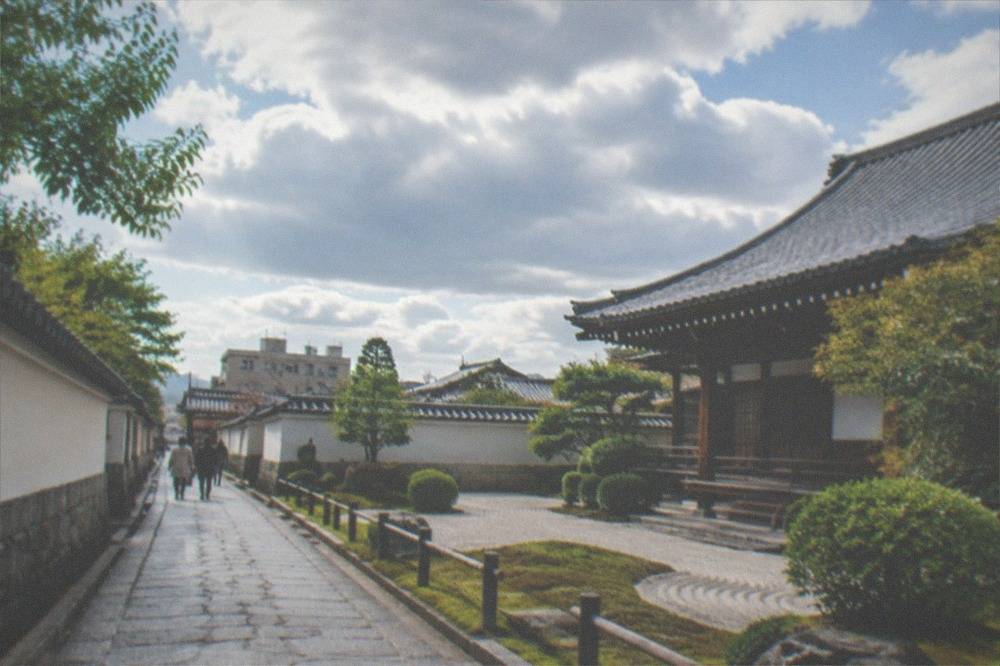
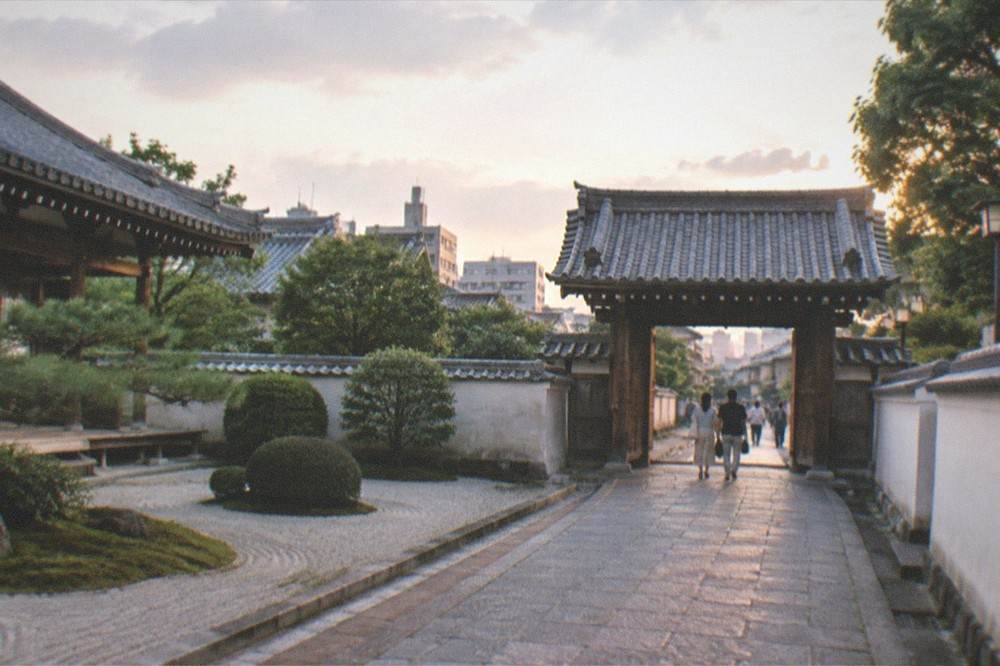
What you actually see at Jotenji is a stone-paved forecourt, a Sanmon gate, a main hall, and a small garden area. The paving matters more than it sounds: the flagstones in front of the temple were laid as a public works project credited to the temple's founding era, and Hakata's stone-paved streets are a defining texture of the old town. The food monument stands in this court. It is carved, plain, and easy to photograph, and it is the single thing most visitors come away remembering.
The temple also has a festival life. During Setsubun in early February, Jotenji holds one of Hakata's bean throwing ceremonies, and the temple's grounds fill with locals in a way they rarely do otherwise. In July, the Hakata Gion Yamakasa festival takes over the whole district, and while the racing happens around Kushida Shrine, the atmosphere spills into every surrounding street. If you want a deeper answer to whether the city justifies the trip at all, is Fukuoka worth visiting covers that question across seasons and budgets.
For most travellers the decision is simple. If you are in Hakata with two spare hours and an interest in food history, old streets or Zen temples, go. If your list is already full, the temple's small size means you are not missing a half day, you are missing twenty minutes.
What to See at Jotenji Temple
The visit breaks into four parts: the stone-paved forecourt and the udon, soba and manju monument, the Sanmon gate, the main hall with its Zen interior, and the small side garden with its moss and stone. Each is modest in scale, and the whole circuit fits inside twenty unhurried minutes. The temple is free to enter, and no admission desk or ticket booth stands between the street and the grounds.
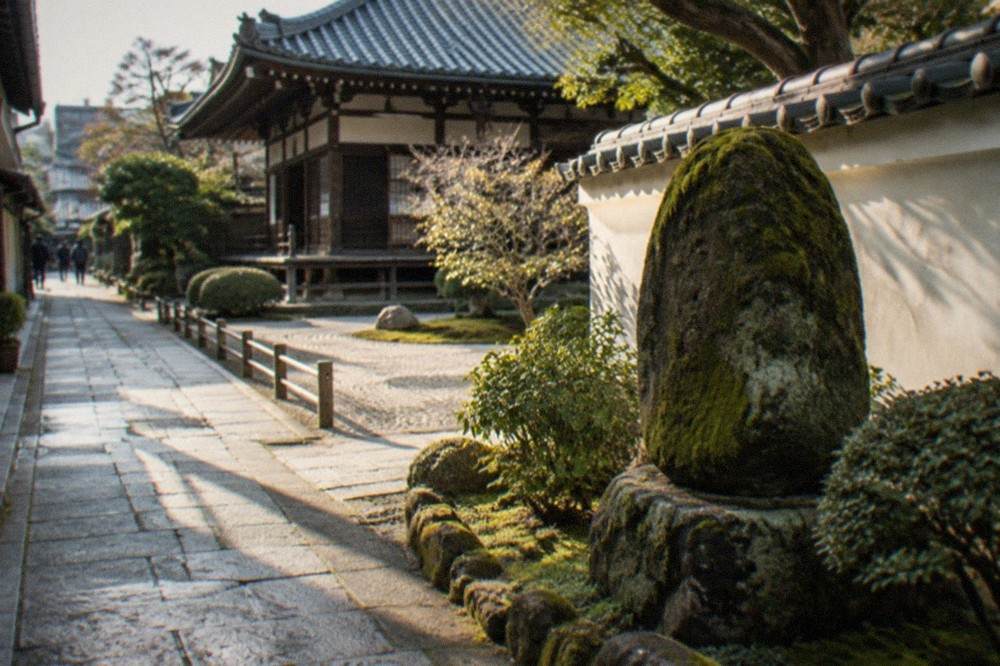
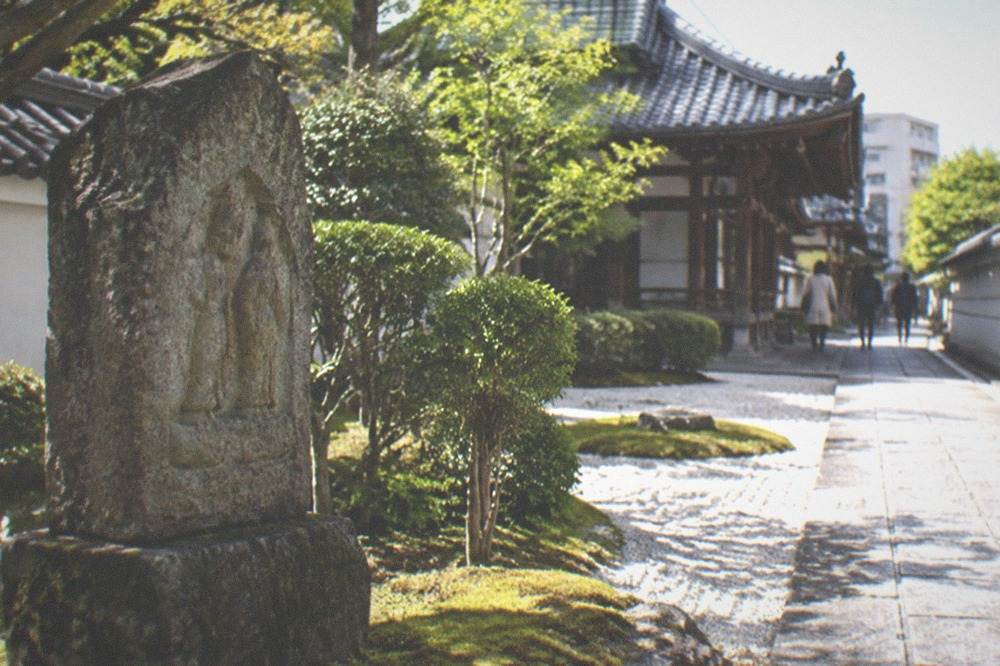
The forecourt is where the story lives. A monument here records the temple's claim to be the birthplace of udon, soba and manju in Japan, a claim tied to Shoichi Kokushi's return from China with flour milling and noodle making knowledge. Hakata takes this seriously: local udon culture, softer and brothier than the Sanuki style most visitors know, is presented in the city's restaurants as a direct descendant of this history. Standing at the monument and then eating a bowl of Hakata udon an hour later is one of the more satisfying small loops a food minded traveller can close in this city.
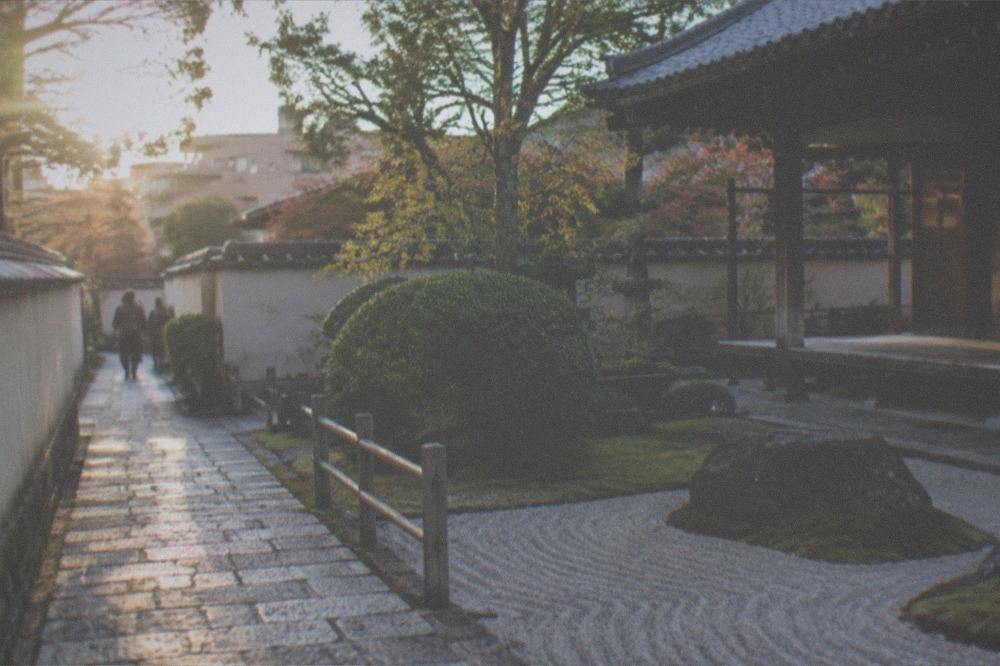
Inside the gate, the main hall follows the spare aesthetic you expect from a Rinzai temple. The interior is not a museum, and access can depend on what is happening that day, but the exterior, the gate, and the court are always walkable. The garden areas along the sides stay green through Fukuoka's mild winter, and the moss does most of the decorative work.
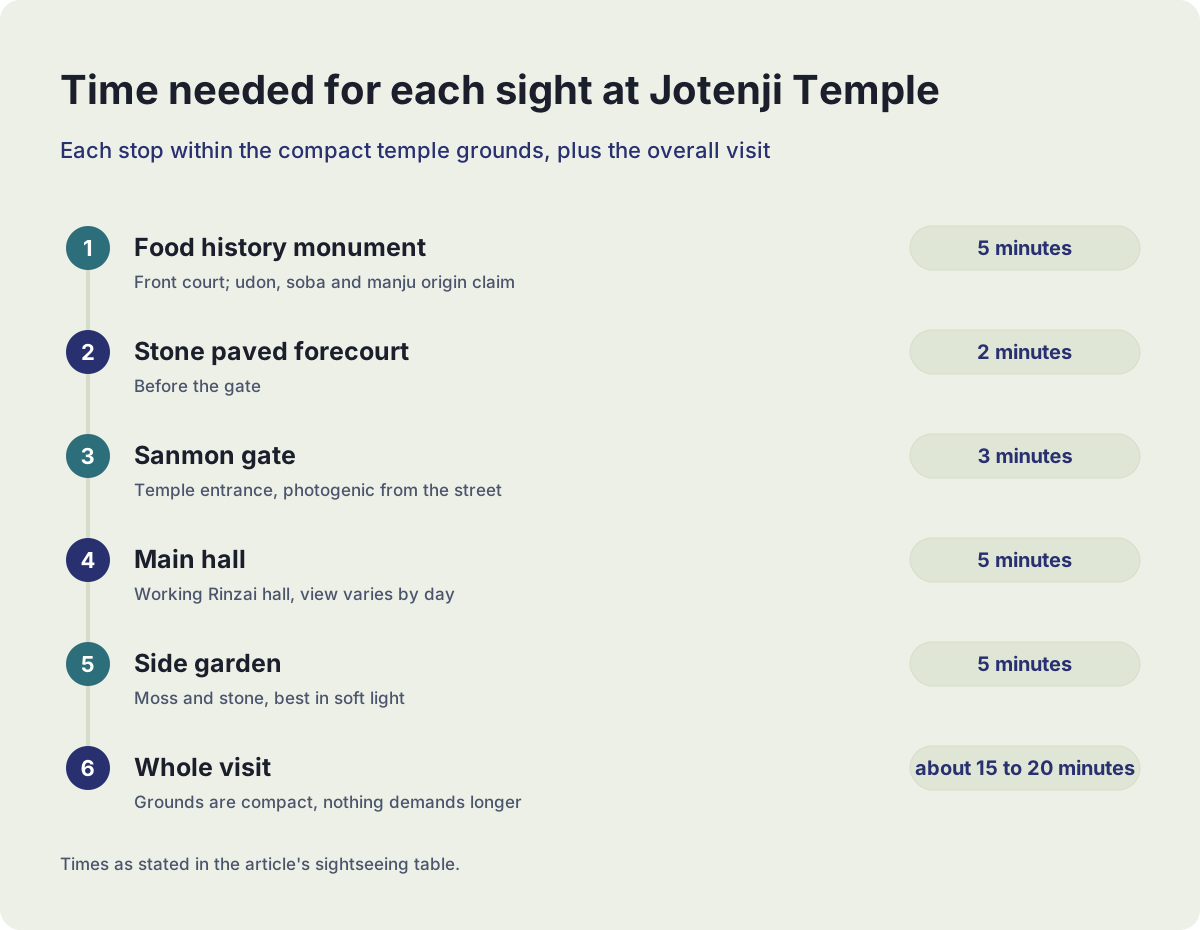
| What you see | Where it is | Why it matters | Time needed |
|---|---|---|---|
| Food history monument | Front court | Records the udon, soba and manju origin claim | 5 minutes |
| Stone paved forecourt | Before the gate | One of Hakata's signature stone street surfaces | 2 minutes |
| Sanmon gate | Temple entrance | Classic Zen gate architecture, photogenic from the street | 3 minutes |
| Main hall | Inside the grounds | Working Rinzai hall, view varies by day | 5 minutes |
| Side garden | Along the grounds | Moss, stone and quiet, best in soft light | 5 minutes |
One practical note: like most small Japanese temples, Jotenji asks for quiet rather than any fee. There is no shop, no stamp office advertised on site in English, and no café. If you want a goshuin calligraphy stamp for your book, the larger temples nearby are the more reliable places to ask. The temple's real souvenir is the story, and the bowl of noodles you eat afterwards.
How to Get to Jotenji Temple
The nearest subway station is Nakasu-Kawabata, about five minutes on foot from the temple, served by the Hakozaki Line and one stop from Hakata on the Kuko Line. From Fukuoka Airport the subway fare to Hakata is ¥260, and from Hakata Station the whole journey to the temple costs a single short subway ride or a walk of around fifteen minutes. No JR line serves this part of Hakata, and there is no JR Fukuoka Station, the rail hub here is Hakata.
Hakata and Fukuoka are the same city, which is worth stating because guides routinely write as if they were two places. Hakata is the ward and the station name, Fukuoka is the city, and Jotenji sits in the old merchant quarter of the Hakata ward, east of the Naka River. If you are staying near Hakata Station, the temple is walkable: head east through the Hakata old town streets, past Tochoji Temple with its giant seated Buddha, and continue toward the Gion district. The route passes several of the city's key sights in a single straight walk.
From the subway, Nakasu-Kawabata station is the closest stop. Fukuoka City Subway fares are distance banded, and the official fare table runs from ¥210 for trips up to 3 km to ¥380 for trips over 19 km, with child fares roughly half. A one day pass, valid on all three lines, costs ¥640 for adults and ¥320 for children, and it pays for itself after about three rides. Visitors on a short stay visa who show a passport can buy the Fukuoka Tourist City Pass at ¥2,500 for the city version or ¥2,800 for the version that adds Dazaifu, though for a single temple visit the ordinary fare is the better buy.
| Starting point | Best route | Cost | Walking time at the end |
|---|---|---|---|
| Hakata Station | Subway one stop to Nakasu-Kawabata, or walk | ¥210 or free | 5 minutes |
| Fukuoka Airport | Subway to Hakata, transfer or walk | ¥260 | 5 minutes |
| Tenjin | Subway to Nakasu-Kawabata | ¥210 | 5 minutes |
| Kushida Shrine | On foot through Gion | Free | 5 minutes |
| Ohori Park area | Subway with a transfer | ¥210 to ¥260 | 5 minutes |
The airport deserves a note because Fukuoka Airport is genuinely unusual: it sits on the city's edge, on the subway's Kuko line, and the connection into the centre is one of the shortest urban airport transfers in Japan. The ¥260 fare to Hakata is verified from the official fare bands. What you will read elsewhere, a precise minute count for the ride, is not verified on any official page, so treat journey time as short rather than quoting a number. The official subway fare table publishes the bands if you want to plan every leg.
If you would rather have a guide structure the old town walk for you, a half day city tour covers Hakata's temples and history with a local leading, and the Check availability link shows current dates. Some travellers prefer to keep the walk self guided and spend the saved hours on a day trip instead, which is a reasonable trade given how compact this district is.
For anyone planning to go further afield after the temple, a full day tour that bundles another temple visit with the Beppu hells and Yufuin is one of the more efficient ways to see inland Kyushu without hiring a car or decoding rural bus timetables.
Jotenji and the Birth of Udon, Soba and Manju
The temple's central claim is that Shoichi Kokushi, its founding figure, brought flour based food making from Song dynasty China to Hakata in the thirteenth century, and that udon, soba and manju were first produced in Japan in this district. The monument in the front court states the claim, and Hakata's food culture, from its soft udon to its sweet manju, is presented locally as the living continuation of that introduction.
Whether the historical claim is airtight is a question historians still enjoy arguing about, and several regions of Japan contest pieces of it. What is not in dispute is the cultural weight it carries in Hakata. Fukuoka's udon is distinctively soft, served in a clear kombu based broth, and locals will tell you the style descends from the temple's tradition. The city's manju sweets, sold in shops around the old town, carry the same lineage story. Food origin claims in Japan often function as civic identity rather than laboratory history, and Jotenji is the clearest example in Fukuoka.
The practical upshot for a visitor is a satisfying itinerary shape. Walk the temple in the morning, then eat. Hakata's old town is dense with udon shops, and the Kawabata arcade a few streets west has both traditional sweets and quick lunches. If you want to explore the city's food more systematically, the Fukuoka food guide and market culture pages cover where the ingredients come from, and a bowl of Hakata udon eaten an hour after reading the monument is the kind of small, complete experience that makes a city legible.
| Food | Claimed link to Jotenji | Where to try it nearby |
|---|---|---|
| Udon | Said to be first made in Hakata on the temple's founding | Hakata udon shops in the old town |
| Soba | Introduced with the same thirteenth century transmission | Traditional restaurants around Gion |
| Manju | Sweet buns traced to the same Song dynasty food transfer | Sweets shops in the Kawabata arcade |
| Hakata udon broth | Soft noodle style presented as the local descendant | Udon specialists near Hakata Station |
The monument itself is plain stone, and that plainness is part of the point. There is no visitor centre, no audio guide, no fee. The claim sits in the open air, and the city around it keeps the argument alive by eating the food every day.
Jotenji Compared with Hakata's Other Temples
Hakata has three notable Buddhist temples within a short walk of one another, and they divide the work neatly: Jotenji carries the food history and the Zen quiet, Tochoji has the giant seated Buddha that most visitors photograph, and Shofukuji, Japan's first Zen temple, has the deepest history and the most atmospheric grounds. Kushida Shrine, a Shinto shrine rather than a temple, completes the district as the home of Yamakasa. Seeing all four in one loop takes under two hours.
The comparison matters because it shapes expectations. Travellers who arrive at Jotenji expecting Tochoji's scale come away underwhelmed, and travellers who skip Jotenji after seeing Tochoji miss the food story entirely. Shofukuji Temple, founded in the twelfth century as Japan's first Zen monastery proper, is the most atmospheric of the three, with mossy grounds and a gate that photographs beautifully in the late afternoon. Its founding lineage and Jotenji's are directly connected through the Rinzai transmission, so visiting both gives you the beginning and the continuation of the same story.
| Site | Type | Headline feature | Best for | Entry |
|---|---|---|---|---|
| Jotenji | Rinzai Zen temple | Udon, soba and manju monument | Food history, quiet stop | Free grounds |
| Tochoji | Buddhist temple | Giant seated Buddha statue | The big visual moment | Free |
| Shofukuji | Rinzai Zen temple | Japan's first Zen temple grounds | History and atmosphere | Free |
| Kushida Shrine | Shinto shrine | Yamakasa festival floats | Festival culture, city shrine | Free |
None of the three temples publishes verified opening hours in English on an official page, so plan around daylight rather than a timetable, and note that temple halls in Japan commonly close their interiors in the early evening while the grounds stay open. The walking loop between all four sites is flat, signposted in places, and passes through streets that are worth seeing in their own right.
For visitors whose interest tips toward the ritual and spectacle side of Hakata rather than the quiet side, a morning sumo practice visit in the old town pairs the district's streets with a genuinely rare experience, since Fukuoka stages competitive sumo only in November.
What Else Is Near Jotenji Temple?
Within ten minutes on foot you can reach Kushida Shrine, the Kawabata shopping arcade, the Yanagibashi river market area, and the whole of the Nakasu entertainment district across the Naka River. The famous riverside yatai food stalls line the Naka's banks nearby, with the largest concentration in the Nakasu stretch. This density is the real reason to base a half day around Jotenji: the temple is the quiet anchor of a district that gets progressively louder and more delicious as you walk west.
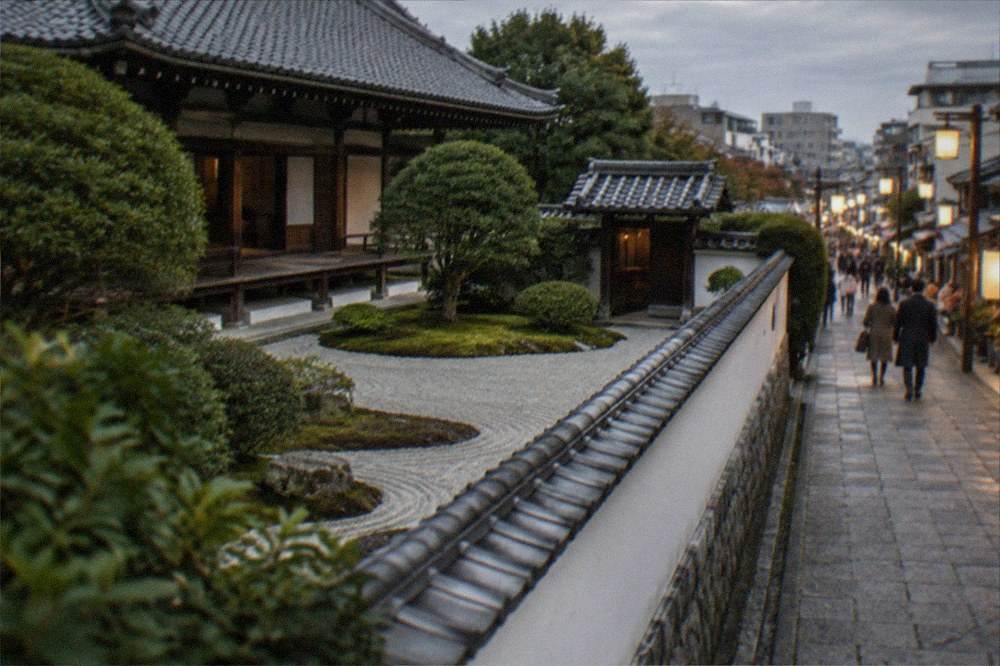
Walk east from the temple and you are in the Gion district within a minute. Walk west and you hit the Naka River, where about 100 licensed yatai food stalls operate across the city, concentrated in Nakasu, Tenjin and Nagahama. The city's own yatai Q&A page is the reliable source on the count and the rules: the city's yatai information page states the roughly 100 stall figure and explains that a city ordinance requires every stall to display its prices where customers can easily read them, with no vague market price labelling permitted. That ordinance is why a yatai meal is friendlier to a first time visitor than its reputation suggests.
The Yanagibashi market sits just south of the arcade, a working food market where the city's restaurants shop. The Kushida Shrine grounds host the decorative Yamakasa floats outside the festival itself, so even in the quiet months you can see one up close. And across the river, Nakasu offers everything from high end dining to neon, with the riverfront yatai row as the photogenic middle ground.
| Nearby place | Direction from Jotenji | Walking time | What it offers |
|---|---|---|---|
| Kushida Shrine | East | 5 minutes | Yamakasa floats, festival shrine |
| Kawabata shopping arcade | West | 5 minutes | Sweets, souvenirs, covered street |
| Naka River yatai stalls | West | 8 minutes | Riverside food stalls, evening |
| Yanagabashi market | South west | 10 minutes | Working food market |
| Nakasu district | Across the river | 10 minutes | Nightlife and dining |
A half day loop works like this: start at Jotenji in the morning light, walk east to Kushida Shrine, double back through Gion, cross into the arcade for lunch, and finish at the river in the early evening as the yatai light up. It is a walk that covers the oldest and the newest versions of Hakata in under two kilometres.
For travellers who want the temple experience to extend beyond the city, a day tour that includes the Nyoirinji frog temple, the Beppu hells and Yufuin carries the temple visiting theme into Kyushu's interior, with tickets for the Beppu sites included.
When Is the Best Time to Visit Jotenji Temple?
Any month works, because the temple is small, shaded and quiet, but the two periods that add something are early February, when the Setsubun bean throwing ceremony fills the grounds with locals, and July, when the Hakata Gion Yamakasa festival runs from July 1 to 15 and the whole district around the temple becomes the centre of the city's biggest event. Spring and autumn give the best weather for the walking loop, and winter is the emptiest.
The climate data tells an interesting story that runs against common assumptions. The Japan Meteorological Agency's 1991 to 2020 normals for Fukuoka show that July, not June, is the city's wettest month, with 299.1 mm of rain against June's 249.6 mm, even though June is the tsuyu rainy season. July is also Yamakasa month, which means the district around Jotenji is at its most crowded and most alive precisely when the rain gauge is at its highest. August is hotter than July and considerably drier, with 210.0 mm of rain and 200.9 sunshine hours, the second sunniest month of the year.
| Period | Weather pattern | What it means for Jotenji |
|---|---|---|
| February | Cold, around 6.9 C mean, dry | Setsubun ceremony, few tourists |
| Late March to early April | Mild, cherry blossom season | Best walking weather, crowds citywide |
| July | Wettest month, 299.1 mm, Yamakasa | Festival atmosphere, rain risk |
| August | Hottest, 28.4 C mean, drier than July | Hot walks, evening visits best |
| November | Cool, autumn colour late in the month | Comfortable, quiet mornings |
Typhoon season runs roughly July through October and is a real planning factor for northern Kyushu, though it rarely makes the city unvisitable. The honest advice is to build flexibility into any Hakata itinerary in those months rather than to avoid them. If you are weighing the city against other seasons in detail, the winter in Fukuoka guide covers the coldest months, and the city viewpoints page helps if you want to photograph the old town from above after your temple walk.
For most visitors the sweet spot is a weekday morning in spring or autumn: the light is soft, the stone paving photographs well, the tour groups have not yet arrived, and you can have the food monument to yourself for a few minutes before the city wakes up around it.
Common Questions About Jotenji Temple
Is Jotenji Temple Worth Visiting?
Yes, if you are already in Hakata's old town. The temple is small and free, and its monument to the origins of udon, soba and manju gives it a food history claim no other Fukuoka temple has. It works best paired with Kushida Shrine and the Kawabata arcade rather than as a destination on its own.
How long does a visit to Jotenji take?
About 15 to 20 minutes for the forecourt, the gate, the main hall exterior and the side garden. Allow a little longer during Setsubun or if you plan to photograph the stone paving in detail.
Is there an entrance fee at Jotenji Temple?
No admission is charged for the grounds. The temple operates as a working neighbourhood Zen temple rather than a ticketed attraction.
What is Jotenji Temple famous for?
Its claim, recorded on a stone monument in the front court, that udon, soba and manju were first made in Japan in Hakata, introduced through the founding monk Shoichi Kokushi after his study in thirteenth century China.
How do I get to Jotenji from Hakata Station?
Walk east through the Hakata old town, roughly fifteen minutes, or take the subway one stop to Nakasu-Kawabata for ¥210 and walk five minutes. There is no JR Fukuoka Station, the rail hub is Hakata, and no JR line serves the temple district.
Can you see Jotenji and Kushida Shrine together?
Yes, they are about five minutes apart on foot through the Gion district, and most visitors combine them with Tochoji and the Kawabata arcade in a single two hour loop of old Hakata.