Sake and Shochu in Fukuoka
Fukuoka sits in one of Japan's great rice and sweet potato belts, and its bars pour both of the country's signature drinks side by side. Here is how sake and shochu actually differ, and where in the city to learn the difference with a glass in hand.
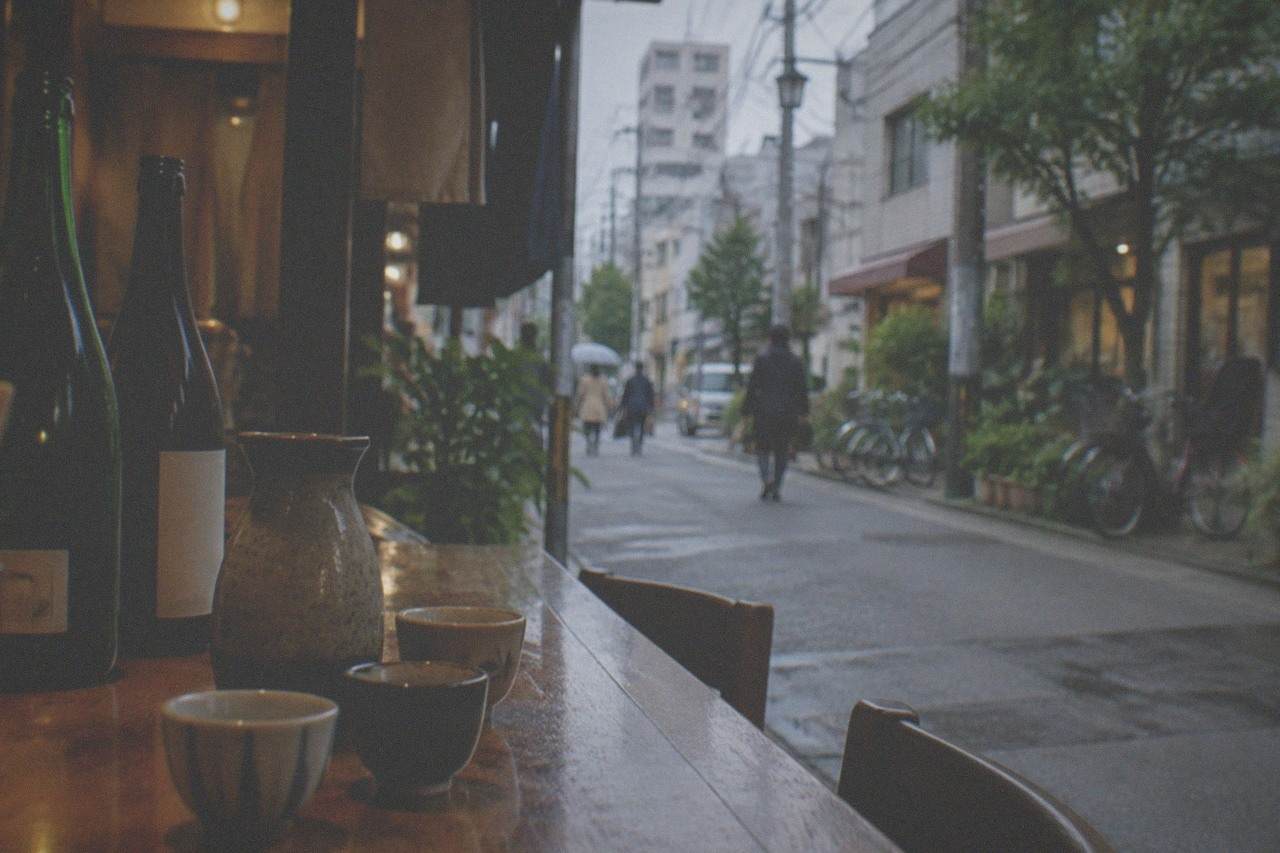
Short answer
Sake is a brewed rice drink, shochu is a distilled spirit made from bases like sweet potato, barley or rice, and Fukuoka pours both. Tastings run from $18 for a tea ceremony pairing to $92 for a full YokaBus tasting expedition, and a private licensed guide costs from $160 per person.
Fukuoka drinks two drinks at once. Ask for a pour in almost any izakaya in Tenjin or Hakata and the shelf behind the counter holds both sake, the brewed rice drink most visitors already know by name, and shochu, the distilled spirit that quietly outsells it across Kyushu. The city sits on the Genkai Sea side of northern Kyushu, surrounded by rice paddies and sweet potato country, so the raw materials for both arrive fresh and local. This guide explains the difference between the two, where to drink each one in Fukuoka, what tastings and tours cost, and how to carry a bottle home.
What Is the Difference Between Sake and Shochu?
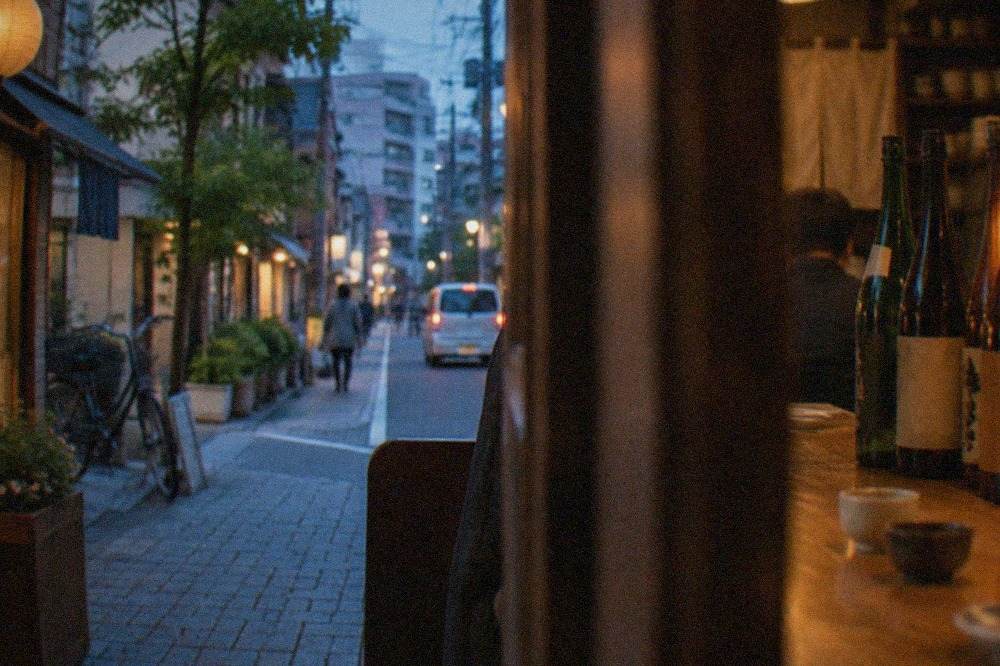
Sake is a fermented brew made from polished rice, water, koji mould and yeast, typically landing around 15 to 16 percent alcohol, while shochu is a distilled spirit, usually 25 percent, made from a base ingredient such as sweet potato, barley, rice or buckwheat. The first is closer to beer in method, the second is closer to whisky or vodka, and the difference in production is what gives each its character.
The word "sake" is doing double duty in English. In Japan, sake simply means alcohol, and the rice brew is properly called nihonshu. It is made by converting steamed rice starches to sugar with koji, then letting yeast turn that sugar into alcohol in a single tank, a process called multiple parallel fermentation. The more the rice is polished before brewing, the more refined and aromatic the result, which is why premium grades like ginjo specify a polishing ratio on the label.
Shochu takes a different route. The base ingredient, imo for sweet potato, mugi for barley, kome for rice, is fermented with koji and then distilled once. That single distillation keeps the flavour of the base ingredient in the glass, which is why a sweet potato shochu tastes unmistakably of roasted sweet potato and a barley shochu tastes closer to a light, nutty grain spirit. Kyushu is the heartland of shochu production, and Fukuoka drinks the output of its neighbours, Kumamoto and Kagoshima especially, the way a port city drinks whatever the ships bring in.
Where to Drink Sake and Shochu in Fukuoka
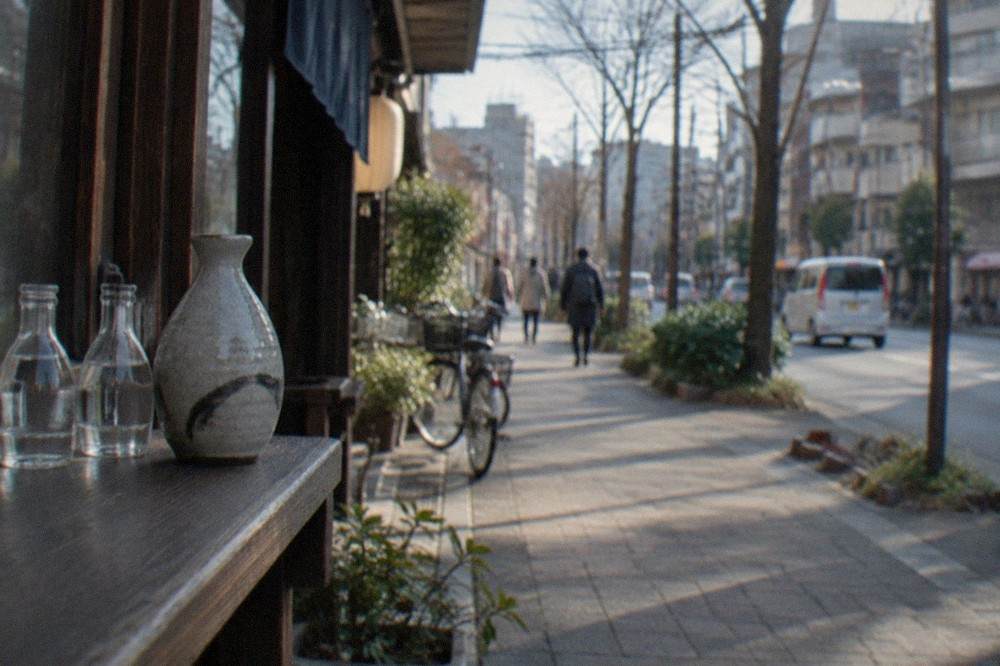
Tenjin and Daimyo carry the deepest concentration of izakaya and specialised standing bars, Nakasu puts drinks beside the riverside yatai stalls, and Hakata's older streets mix salaryman watering holes with hotel bars. Sake lists tend to be longest in dedicated izakaya, while shochu lists run deep almost everywhere, because Kyushu is shochu country. Most bars open from early evening, so plan the drinking route after dark.
The practical split is this: Tenjin and neighbouring Daimyo are the densest patch of small bars in the city, many with counter seats and a chalkboard list that changes nightly. Nakasu, the entertainment district along the Naka River, is where the postcard yatai row sits, and about 100 licensed stalls operate across the city according to Fukuoka City's own count, concentrated in Nakasu, Tenjin and Nagahama. The city's yatai ordinance requires every stall to post its prices where customers can easily see them, and bans vague "market price" pricing, so the menu on the wall is the price you pay. Hakata, the ward around the main station, holds the older, smokier end of the spectrum, the after-work bars that open when the offices empty.
For a first night, the honest advice is to pick one district and stay in it rather than crossing the city between rounds. The subway runs until late and a single adult fare runs from ¥210 for the shortest hops up to ¥380 for the longest, so moving is cheap, but the good bars are the ones you find on foot. If you are building a wider eating plan around the drinking, the Fukuoka food guide maps the signature dishes worth ordering beside your glass, and the Fukuoka nightlife guide covers the later hours.
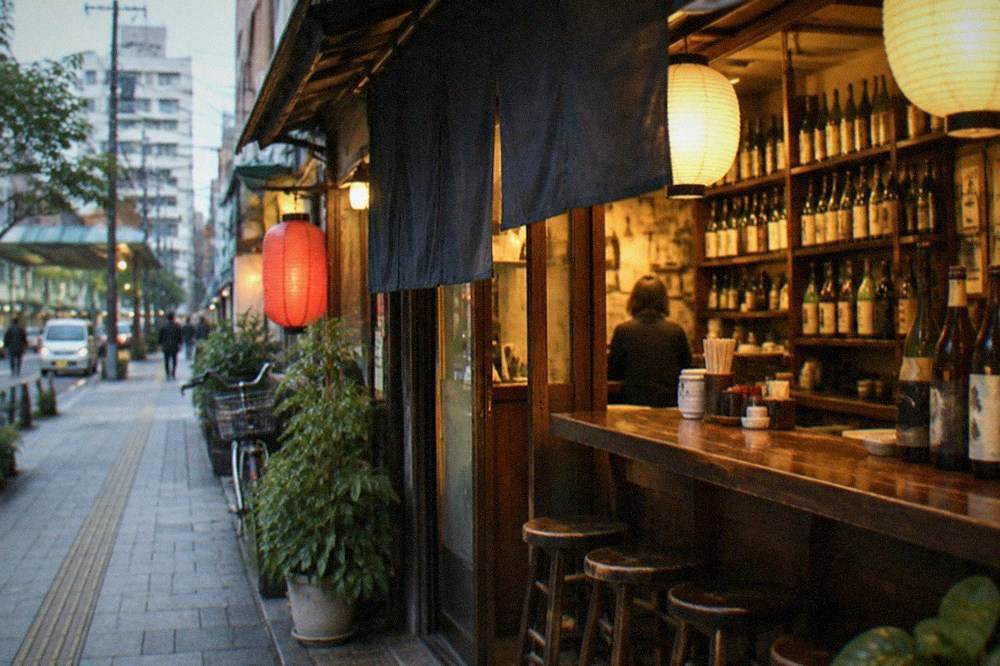
If you would rather have a guide walk you into the right places on the first evening, a guided option saves the trial and error. The evening food and drink tours pair yatai and izakaya stops with a local lead.
How a Tasting Actually Works
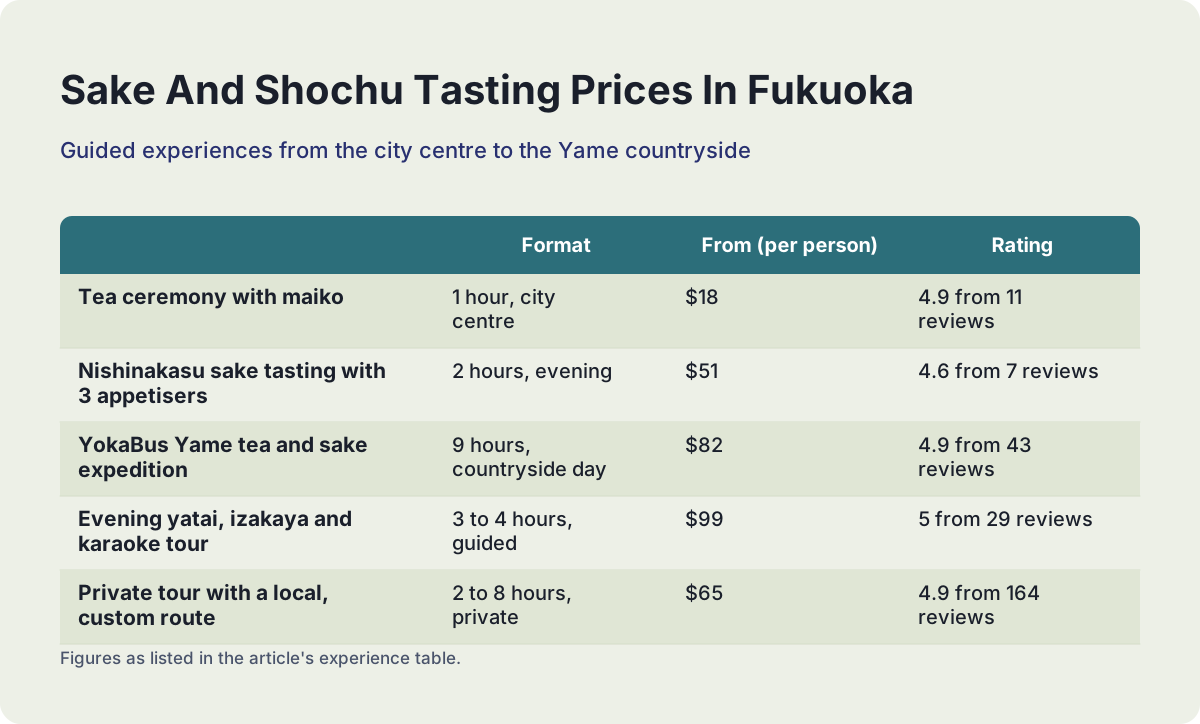
A structured tasting in Fukuoka means a seated flight of three to five small pours with a guide or server explaining each one, usually over an hour or two. The city's own tasting experiences run from $18 per person for a one-hour tea ceremony with a maiko to $92 for a full-day YokaBus expedition into the Yame tea and sake country, so the format you pick depends on whether you want an hour in the city or a day in the countryside.
The most complete version is the YokaBus Heritage in a Cup expedition, a nine-hour day from Fukuoka into Yame, one of Japan's best-known tea regions, with sake tasting folded in. It runs from $82 per person and carries a 4.9 rating from 43 reviews, which is a substantial pool for a regional day trip. The tour has its own page on this site, and you can Check availability at the operator's live listing if a countryside tasting day appeals.
Closer to the city centre, the Nishinakasu sake tasting pours three appetisers alongside the flight in a two-hour session from $51 per person, rated 4.6 from 7 reviews. It suits a visitor who wants the vocabulary and the flavour differences without giving up an evening. For a lighter, cheaper introduction, the tea ceremony with a maiko runs $18 for an hour and, while it is tea rather than alcohol, it teaches the tasting posture, the small sips, the attention to aroma, that transfers directly to sake.
Whichever format you choose, the cancellation terms on the operator's live listing are worth a read before you commit a full day, and the countryside departures leave from central Fukuoka early in the morning.
Sake and Shochu Side by Side
The two drinks differ in four practical ways that matter at the table: how they are made, how strong they are, how they are served, and what they taste of. Sake is brewed and delicate, best fresh and gently aromatic. Shochu is distilled and sturdy, carrying the flavour of its base ingredient, and it survives dilution with water, ice or hot water without losing character.
| Sake (nihonshu) | Shochu | |
|---|---|---|
| Method | Brewed, multiple parallel fermentation | Fermented then distilled once |
| Main ingredient | Polished rice | Sweet potato, barley, rice, buckwheat and others |
| Typical strength | Around 15 to 16 percent | Around 25 percent |
| Usual serve | Chilled, room temperature or warmed in a tokkuri | Straight, on the rocks, mizuwari with water, oyuwari with hot water |
| Flavour character | Floral, fruity, clean, rice-driven | Bold, savoury, carries the base ingredient |
| Home region | Nationwide, Niigata and Kyoto most famous | Kyushu, especially Kagoshima and Kumamoto |
Serving temperature is where most first-timers go wrong with sake. Warming is not a cheap trick, it is a legitimate style called atsukan, and a humble junmai often improves with heat while a delicate ginjo is ruined by it. Shochu goes the other way: dilution is the norm, and mizuwari, shochu cut with cold water, is the everyday Kyushu pour because it softens the spirit and makes a long izakaya evening survivable. Order either one with confidence by naming the style you want rather than a brand.
What Sake and Shochu Cost in Fukuoka
A tasting experience in the city runs from $18 to $100 per person depending on length and format, and the guided options on this site's roster range from the $51 Nishinakasu sake flight to the $82 YokaBus full-day expedition. At a bar, prices are posted openly at the yatai by city ordinance, and izakaya lists state their prices on the menu, so there is no haggling and no guesswork about what a round will cost.
The verified tour prices from this site's roster, with the review pools that stand behind each rating:
| Experience | Format | From (per person) | Rating |
|---|---|---|---|
| Tea ceremony with maiko | 1 hour, city centre | $18 | 4.9 from 11 reviews |
| Nishinakasu sake tasting with 3 appetisers | 2 hours, evening | $51 | 4.6 from 7 reviews |
| YokaBus Yame tea and sake expedition | 9 hours, countryside day trip | $82 | 4.9 from 43 reviews |
| Evening yatai, izakaya and karaoke tour | 3 to 4 hours, guided | $99 | 5 from 29 reviews |
| Private tour with a local, custom route | 2 to 8 hours, private | $65 | 4.9 from 164 reviews |
Two honest notes on those numbers. The evening tour and the private tour are drinking-adjacent rather than dedicated tastings, but both put a local between you and the menu, which is what most visitors actually need on night one. And the two listings without a published rating are genuinely new experiences, not poorly reviewed ones, so judge them by format and price rather than by a score that does not exist yet. The rest of the planning pages sit on Fukuoka Japan Travel Guide.
Getting between the drinking districts is cheap enough that it should not shape your plans. The subway's official fare table, published at the city subway fare page, sets adult single fares by distance zone, and a one-day pass costs ¥640 if you plan more than a couple of rides. The bus network covers the gaps, and the flat central-zone fare keeps late-night moves simple.
What to Eat with Each Drink
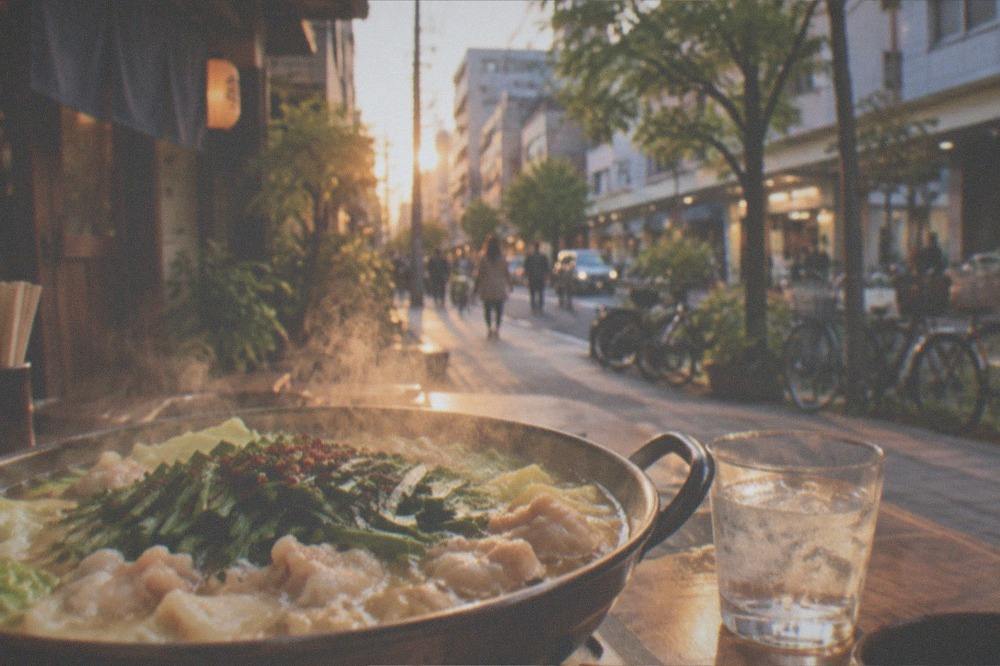
Sake pairs with delicate food, raw fish, steamed dishes, lightly seasoned vegetables, because its own flavours are quiet. Shochu pairs with grilled, fried and heavily seasoned food, the yakitori, motsunabe and mentaiko that Fukuoka eats nightly, because its alcohol and base-ingredient character stand up to smoke, salt and fat. Ordering the local dish with the local pour is rarely wrong.
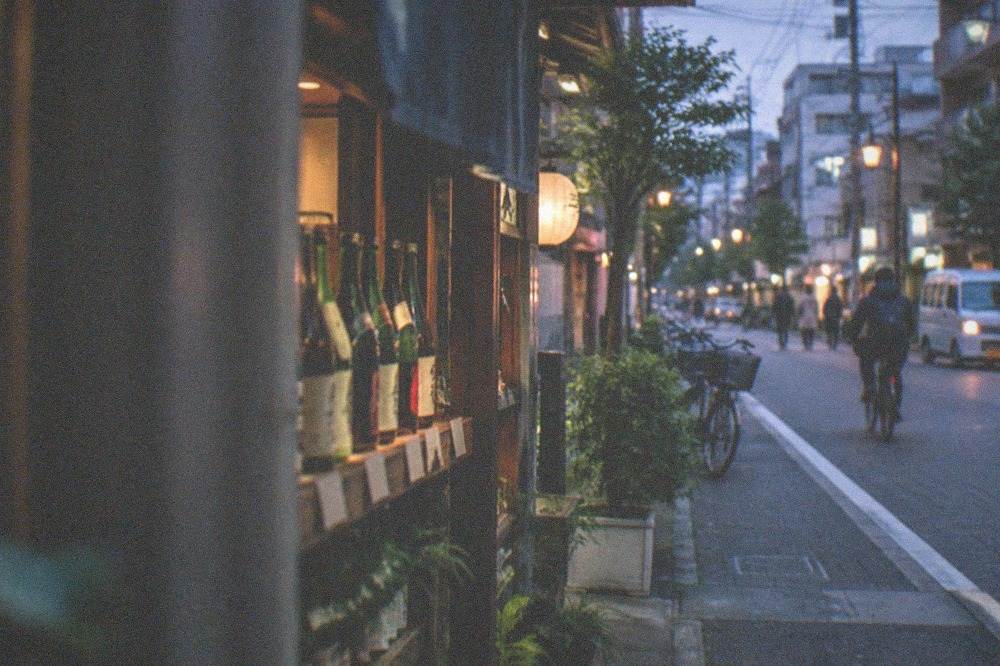
Fukuoka's food is built for shochu country. Motsunabe, the offal hotpot that is one of the city's signature dishes, is a barley shochu match, the spirit cutting through the rich broth. Mentaiko, the spiced pollock roe Hakata is famous for, wants either a clean chilled sake or a mizuwari. Hakata ramen, the tonkotsu style, is famously a late-night dish, and the stalls that serve it sit under the same yatai ordinance that requires posted prices, a rule the city checks periodically and that bans "market price" menu items outright. The city's own yatai Q&A page explains the rules in plain language at the official yatai guide.
For a fuller map of what to order, the Fukuoka yatai guide covers the stalls themselves, and a two-day Fukuoka itinerary slots the eating and drinking into a realistic schedule. If you are travelling with children or a non-drinking companion, the Fukuoka with kids guide keeps everyone fed and occupied while you taste.
Sake Breweries and Shochu Country Around Fukuoka
Fukuoka Prefecture grows its own rice and hosts its own breweries, but the deepest shochu territory lies south and west of the city in Kumamoto and Kagoshima, reachable as full-day tours. Guided day trips from the roster run from $48 to $94 per person, and the YokaBus expedition reaches the Yame tea country directly, which is Fukuoka Prefecture's own celebrated agricultural region.
Yame, in the south of the prefecture, is the local answer to a tasting countryside: a tea region with the sake culture that grows alongside it, and the YokaBus day trip is built around exactly that pairing. Further afield, Kyushu's big-name destinations double as drinking country. The Miyazaki and Takachiho day tour runs from $94 per person with a 4.6 rating from 78 reviews, and the wider Kyushu options are mapped on the Kyushu overview guide.
The trade-off is time. These are full days, 9 to 10 hours door to door, not half-day excursions, so budget a whole daylight block for any of them. Getting to the departure points is simple: most leave from Hakata Station, and there is no JR Fukuoka Station, Hakata is the station, because Hakata is the ward and Fukuoka is the city, one place with two historic names. If you are arriving by air, the [Fukuoka airport guide](/guides/fukuoka-airport/) covers the transfer, and the verified subway fare from the airport to Hakata is ¥260, with the airport unusually close to the centre.
The main countryside options from the roster, so you can compare formats at a glance:
| Day trip | Region reached | Duration | From (per person) | Rating |
|---|---|---|---|---|
| YokaBus Yame tea and sake expedition | Yame, Fukuoka Prefecture | 9 hours | $82 | 4.9 from 43 reviews |
| Miyazaki, Takachiho Gorge and shrine tour | Miyazaki, inland Kyushu | 9 to 10 hours | $94 | 4.6 from 78 reviews |
| Itoshima hidden gems day tour | Itoshima coast | 8 hours 30 minutes | $69 | 4.6 from 31 reviews |
| Itoshima, Shiraito Falls, Dazaifu and Yanagawa | Itoshima and Chikugo | 9 hours | $50 | 4.6 from 28 reviews |
If a private day with a licensed guide appeals more than a fixed group route, the full-day customized private tour runs from $160 per person, rated 4.9 from 71 reviews, and a guide can build a route around breweries, distilleries and the countryside between them.
Bringing Bottles Home from Japan
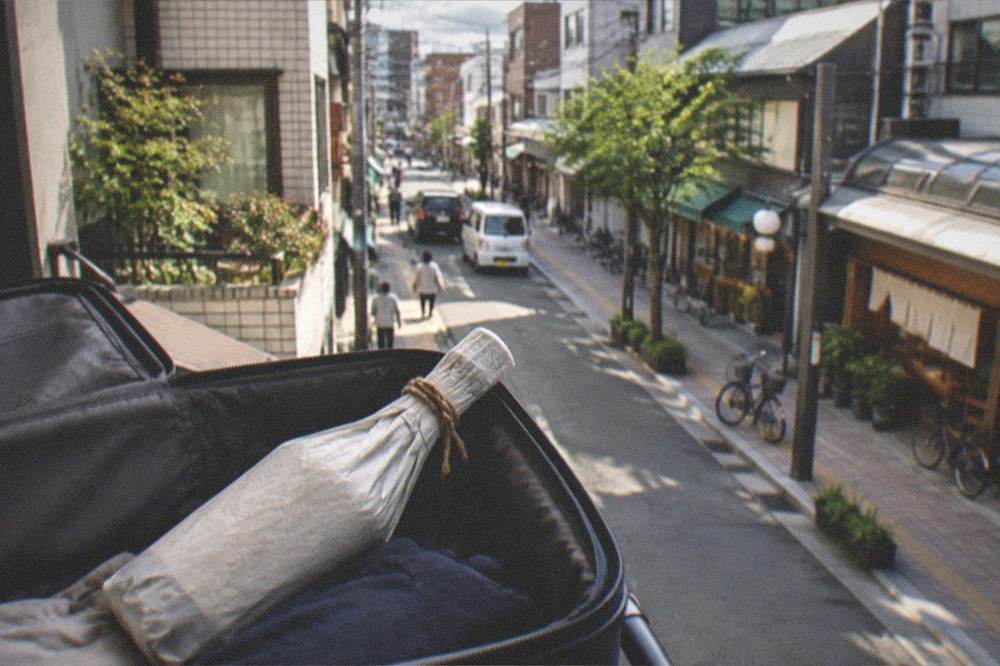
You can carry sake and shochu out of Japan in checked luggage with no duty-free paperwork at Japanese airports, but your home country's own customs limits apply on arrival, and bottles over the liquid limits cannot go in carry-on for the flight home. Pack bottles in padded wrap, keep them upright where possible, and expect to surrender them at security if you try to hand-carry them.
Inside Japan, there is no restriction on buying alcohol and taking it on a domestic train or into your hotel. The practical limits are your luggage and your home country's import allowance, which varies by nationality, so check your own customs rules before buying a case. Glass is the real risk: a bottle that survives the distillery shelf can die in a soft suitcase, so wrap each one in clothing and place them in the middle of the bag, not against the sides.
Buying in Fukuoka itself is straightforward. Department store basements, the food halls under Hakata and Tenjin stations, and the shops along Kawabata Shopping Arcade all sell local and regional bottles, and the staff will usually point you to a Fukuoka or Kyushu label if you ask. For what else to carry back beyond bottles, the city's markets and souvenir shops are covered in the wider food guides linked above.
Planning a Drinking Trip Around the Seasons
The best drinking months in Fukuoka are shoulder seasons, spring and autumn, when temperatures sit in the teens and low twenties Celsius and the izakaya terraces and yatai stalls are comfortable. Summer evenings work too, but July is the city's wettest month at 299.1 mm of rain against June's 249.6 mm, a fact that surprises most visitors, and typhoon season runs roughly July through October.
That July figure is worth pausing on. Most guides assume June, the tsuyu rainy season, is the wet month, but the Japan Meteorological Agency's 1991 to 2020 normals for the Fukuoka station put July ahead, 299.1 mm to 249.6 mm, as published on the JMA climate normals table. July is also Yamakasa month, when the city stages its biggest festival from July 1 to 15, and the drinking happens around it regardless of the weather. Autumn, mid to late November into early December, pairs the bar crawl with the autumn leaves in the city parks, and winter is atsukan season, when a hot tokkuri of sake is the correct answer to a 6.9 degree Celsius January average.
For the full seasonal picture, the best time to visit Fukuoka guide and the Fukuoka weather guide break the year down month by month. If a spring or autumn trip is on the table, book the countryside tasting days early, because the YokaBus expedition and the Kyushu day trips fill fastest in the comfortable months.
Common Questions About Sake and Shochu in Fukuoka
What Is The Difference Between Sake And Shochu?
Sake is a brewed rice drink made by fermenting polished rice with koji and yeast, typically around 15 to 16 percent alcohol. Shochu is a distilled spirit, usually around 25 percent, made from a base such as sweet potato, barley or rice. Sake is delicate and rice-driven, shochu is bolder and carries the flavour of its base ingredient.
Which should a first-timer order in Fukuoka?
Order a chilled junmai sake if you want something gentle and aromatic, or a mizuwari, shochu cut with cold water, if you want the local Kyushu pour. Naming the style rather than a brand is the confident order, and either pairs with the city's grilled and hotpot dishes.
Is sake or shochu stronger?
Shochu is stronger. It is distilled to around 25 percent alcohol, while sake is brewed to roughly 15 to 16 percent. Dilution with water or hot water is the traditional way to drink shochu over a long evening.
Can you do a sake tasting in Fukuoka without speaking Japanese?
Yes. The Nishinakasu sake tasting with three appetisers runs in English-friendly formats from $51 per person, and guided tours put a local between you and the menu. The tea ceremony with a maiko, from $18, is another structured introduction that does not require Japanese.
Can you bring sake and shochu home in your luggage?
Yes, in checked luggage. Japanese airports do not require duty-free paperwork for bottles you already own, but they must go in checked bags, not carry-on, and your home country's customs allowance applies on arrival. Wrap bottles well and pack them away from the sides of the case.
What food goes with shochu in Fukuoka?
The city's heavier signature dishes: motsunabe hotpot, grilled yakitori and mentaiko. Shochu's distillation and base-ingredient character stand up to smoke, salt and fat, which is why it is the everyday pour across Kyushu's izakaya.