What to Pack for Fukuoka
July in Fukuoka is the city's wettest month and one of its most eventful, with the Hakata Gion Yamakasa festival running the first half of the month. Packing for heat, heavy rain and a lot of walking is the whole job, and this guide covers it piece by piece.
Short answer
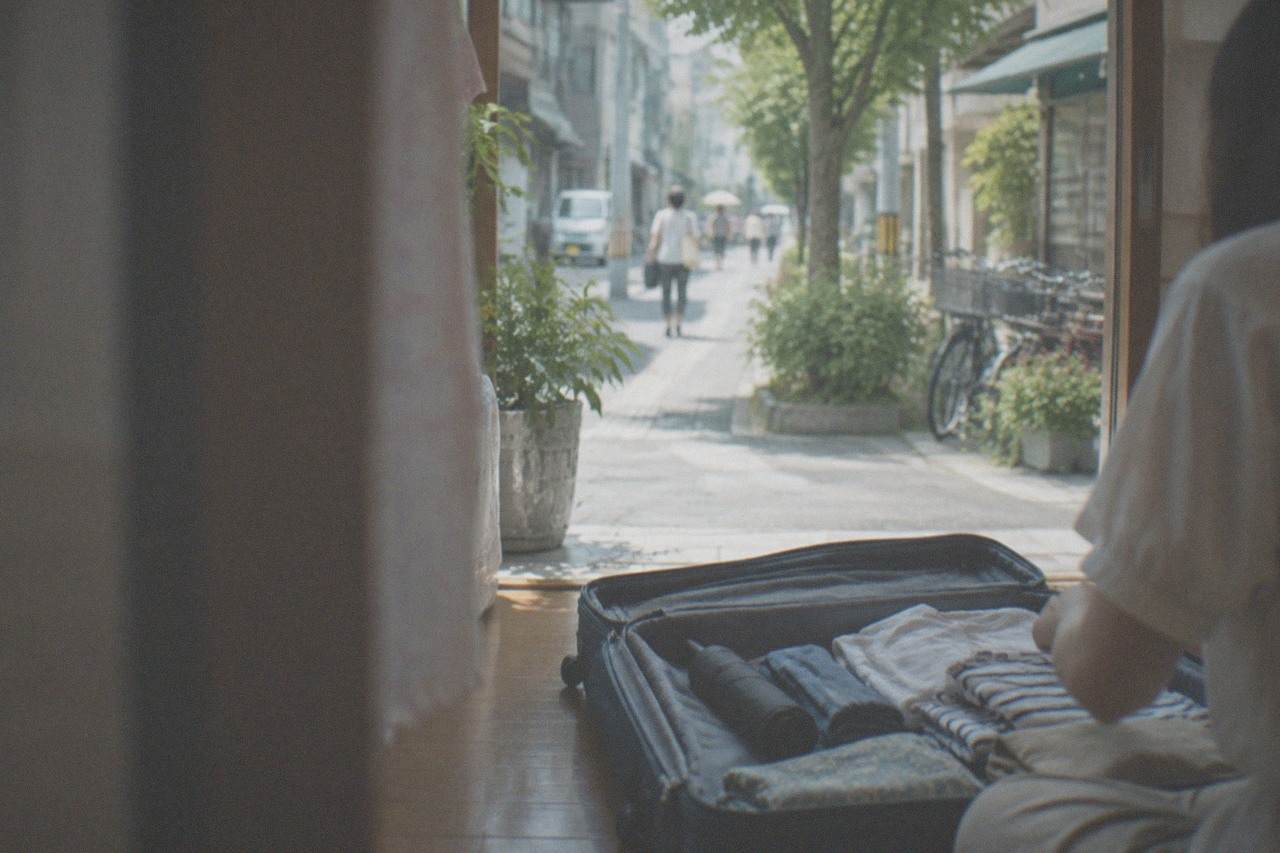
Pack for Fukuoka in July around three realities: a July average of 27.4°C with daily highs near 31.2°C, 299.1 mm of rain in the month, and the Hakata Gion Yamakasa festival from July 1 to 15. You want breathable clothing, a compact umbrella, a small towel, walking shoes that handle wet pavement, cash in yen, and a day pack light enough to carry through festival crowds.
Fukuoka in July is a city working at full speed. The Hakata Gion Yamakasa festival fills the first half of the month, the yatai food stalls along the Naka River run late into warm nights, and day-trip buses head for the mountains of Kyushu every morning. It is also, according to the Japan Meteorological Agency's own 1991 to 2020 normals, the wettest month of the year in Fukuoka, wetter even than June and its tsuyu rainy season. A packing list built for a generic Japanese summer will miss both halves of that equation. This one is built for the specific numbers.
What Should You Pack for Fukuoka in July?
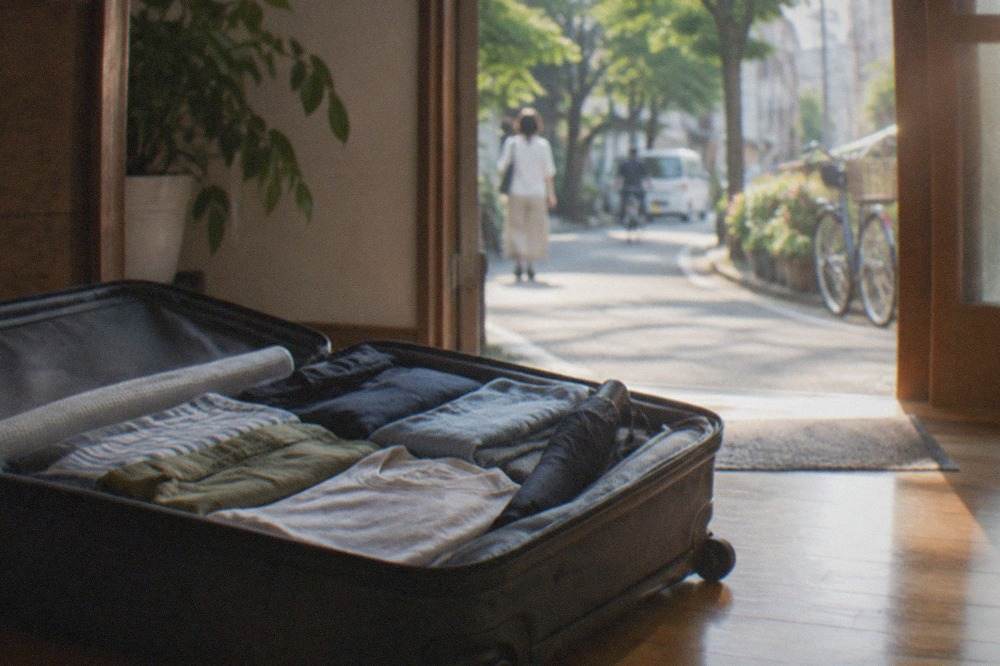
Pack for three conditions at once: sustained heat, sudden heavy rain, and long days on your feet. July averages 27.4°C with daily highs around 31.2°C and overnight lows of 24.6°C, and it delivers 299.1 mm of rain across the month. That means breathable clothing, a compact umbrella that lives in your day pack, comfortable walking shoes with grip on wet pavement, a hand towel, and enough cash in yen to cover stalls and small shops.
The rest of this guide breaks the list down by what you will actually be doing: walking the city, standing in festival crowds, riding trains to Dazaifu or the Aso region, and eating at open-air stalls at night. Fukuoka rewards travellers who pack light and do laundry, because the subway is cheap, the walkable districts are extensive, and a heavy suitcase is a liability in the narrow lanes of Hakata's old town and the packed approach to Kushida Shrine.
Before you go further, three quick decisions are worth making: how you will arrive from the airport, whether you want a pre-booked observation deck visit at Fukuoka Tower, and whether a mountain day trip is on your itinerary. The trio below covers those.
How Hot and Wet Is July in Fukuoka, Really?
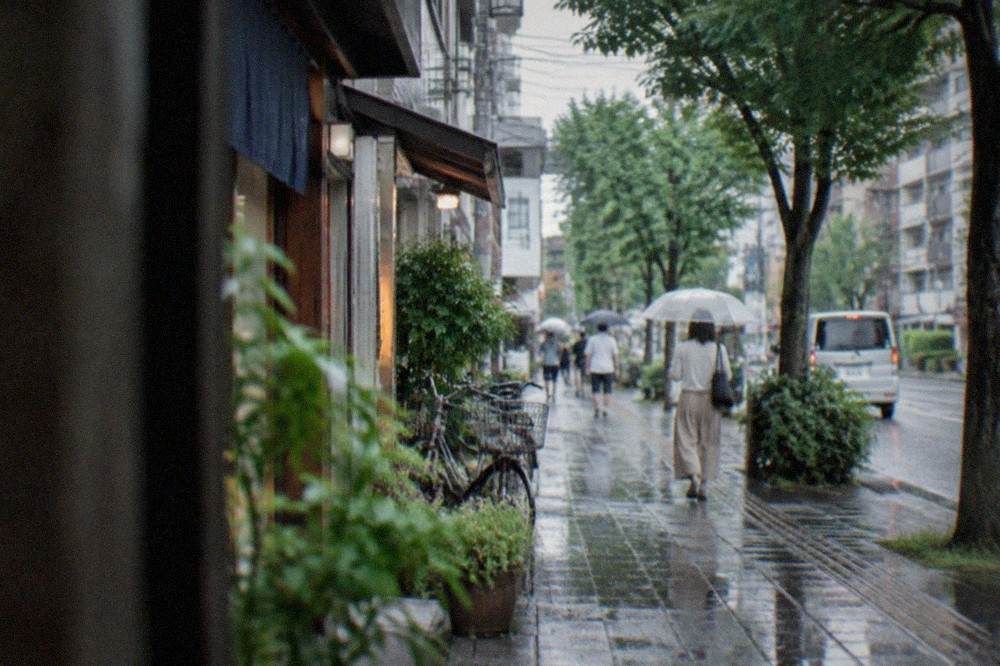
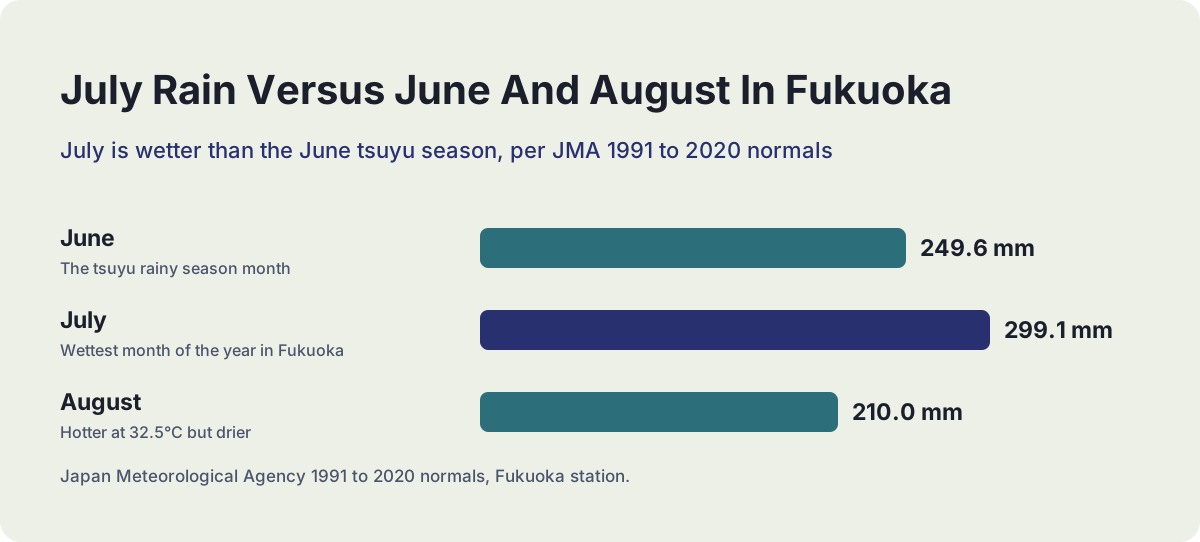
July is Fukuoka's wettest month, with 299.1 mm of rain against June's 249.6 mm, despite June being the tsuyu rainy season. Daily highs average 31.2°C, overnight lows stay near 24.6°C, and the city still banks 172.2 sunshine hours. August is hotter at 32.5°C and drier at 210.0 mm, so July is the month where heat and rain genuinely overlap, and your packing has to serve both.
These figures come from the Japan Meteorological Agency's 1991 to 2020 normals for the Fukuoka station, which you can read directly on the JMA monthly statistics page. The counterintuitive part is worth repeating, because almost every competing guide gets it wrong: the rainy season is June, but the rain peaks in July. Typhoon season also runs roughly July through October, and while a storm does not close the city, it can dump a full day's rain in a few hours and shut down the yatai stalls, which operate in the open air.
What that means for your bag is simple. A light rain shell or a sturdy compact umbrella is not optional, and neither is a change of shirt if you are out all day. Humidity sits high all month, so sweat is a constant even when the sun is out. The Fukuoka weather guide carries the full month-by-month breakdown if you are still choosing your dates, and the best time to visit Fukuoka compares July against spring and autumn.
| Month | Mean °C | Daily max °C | Daily min °C | Rain mm | Sunshine hours |
|---|---|---|---|---|---|
| June | 23.3 | 27.2 | 20.3 | 249.6 | 145.2 |
| July | 27.4 | 31.2 | 24.6 | 299.1 | 172.2 |
| August | 28.4 | 32.5 | 25.4 | 210.0 | 200.9 |
What Clothing Works in Fukuoka's Summer Heat?
Pack light, breathable layers and plan on doing laundry every few days rather than carrying a fresh outfit for each day. Four to five quick-dry shirts, two pairs of shorts or lightweight trousers, one light layer for air-conditioned trains and malls, and underwear and socks for about four days is the working core. Add a cap and you have a bag that survives 31°C pavement, sudden rain and a late-night yatai dinner without weighing you down.
Japanese summer dressing is practical, not fussy. Locals in Fukuoka wear loose cotton and synthetic blends, and the small towel many people carry, the tenugui, is a genuine piece of kit here, not a souvenir: you will use it constantly for sweat and for drying hands, since many public bathrooms provide no paper towels. Quick-dry fabrics earn their space because a shower of rain or an afternoon of walking in high humidity will soak anything heavy, and a cotton shirt that stays wet for hours is miserable on a packed subway platform.
One warning that is specific to this month: the Hakata Gion Yamakasa festival climaxes on July 15 with the Oiyama race starting at 4:59 in the morning. If you plan to watch it, you will be standing outside in the dark in the warmest part of the night, in dense crowds, for hours. That is the one scenario where a light long-sleeve layer, worn shoes you have already broken in, and a small bag that closes properly all matter more than anything else on this list. The festival's schedule and traditions are covered in the site's dedicated Yamakasa coverage, and its official promoter publishes the current year's details.
The airport itself deserves a line in a packing article because of what it does to your arrival. Fukuoka Airport sits unusually close to the city centre, and the subway fare to Hakata is ¥260, verified from the operator's official fare bands. There is no JR Fukuoka Station; the station is Hakata, and Hakata is a ward of Fukuoka, not a separate city, a distinction that confuses a remarkable number of first-time visitors and that the Fukuoka airport guide untangles in full.
| Item | Quantity | Why it earns its space |
|---|---|---|
| Quick-dry shirts | 4-5 | Dry overnight in a hotel room; cotton does not |
| Shorts or light trousers | 2 | One worn, one drying after rain |
| Light long-sleeve layer | 1 | Air-conditioned trains, malls and the 4:59 a.m. Oiyama |
| Tenugui or sports towel | 2 | Sweat, hand drying, sun cover |
| Cap or brimmed hat | 1 | 31°C pavement with little shade in some districts |
| Compact umbrella | 1 | 299.1 mm of rain in the month |
What Should Go in Your Day Pack?
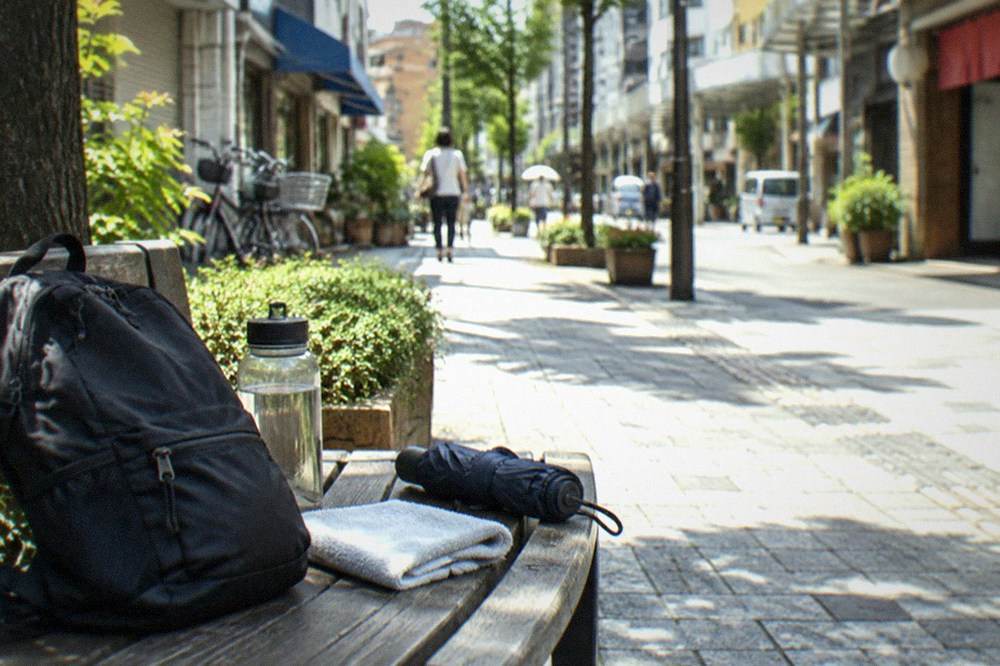
A July day pack for Fukuoka needs a refillable bottle, the compact umbrella, a plastic bag for the wet umbrella, a hand towel, a portable fan or cooling wipes if you run hot, cash in yen, and your IC card or contactless payment method. Keep it under about 20 litres. You will carry it through crowded festival streets, onto packed subway cars and into stalls with barely any floor space, and every unnecessary item becomes a burden by mid-afternoon.
The bottle matters more than visitors expect. Fukuoka's summer walks are long: the route from Hakata Station through Hakata old town to Kawabata Shopping Arcade and across to Nakasu is a couple of kilometres of pavement, and the Ohori Park loop adds more if you head west. Vending machines are everywhere and cheap, but a filled bottle saves both money and the small friction of stopping. Cash matters for a different reason: the yatai stalls are primarily cash operations, with only some now accepting cards or QR payments, and the gate at Uminonakamichi Seaside Park takes cash only, an official policy the park states plainly and that catches card-only travellers out. Other pages covering the same trip are gathered on Fukuoka Japan Travel Guide.
For payment on transit, the local IC cards are Hayakaken for the subway, nimoca for Nishitetsu and SUGOCA for JR, and cards from other regions such as Suica and PASMO are reported to work interchangeably. Contactless credit cards also tap on the subway. Keep your cash in accessible notes and coins rather than buried, because a stall selling yakitori at 9 p.m. is not set up to break a large bill happily.
What Should You Pack for Rain and Typhoons?
Pack one compact umbrella that folds small enough to live in the day pack, one very light rain shell for sustained rain, and waterproof shoes or shoes that dry fast. Do not pack a heavy rain jacket as your only layer, because July rain arrives in warm downpours and a sealed shell turns into a sauna within minutes. A dry pair of socks in the day pack is the single most underrated item for a wet Fukuoka afternoon.
Typhoon season runs roughly July through October, and the Japan Meteorological Agency maintains a live typhoon feed that is the correct source for any storm approaching Kyushu during your dates. A typhoon day in Fukuoka usually means transport delays, closed yatai and a very wet afternoon indoors rather than a cancelled trip, so the honest packing response is contingency, not armour: a spare phone battery, something to read, and the knowledge that Canal City Hakata, both city art museums and the Tenjin underground mall are indoor options. The rainy day itinerary on this site lists them properly.
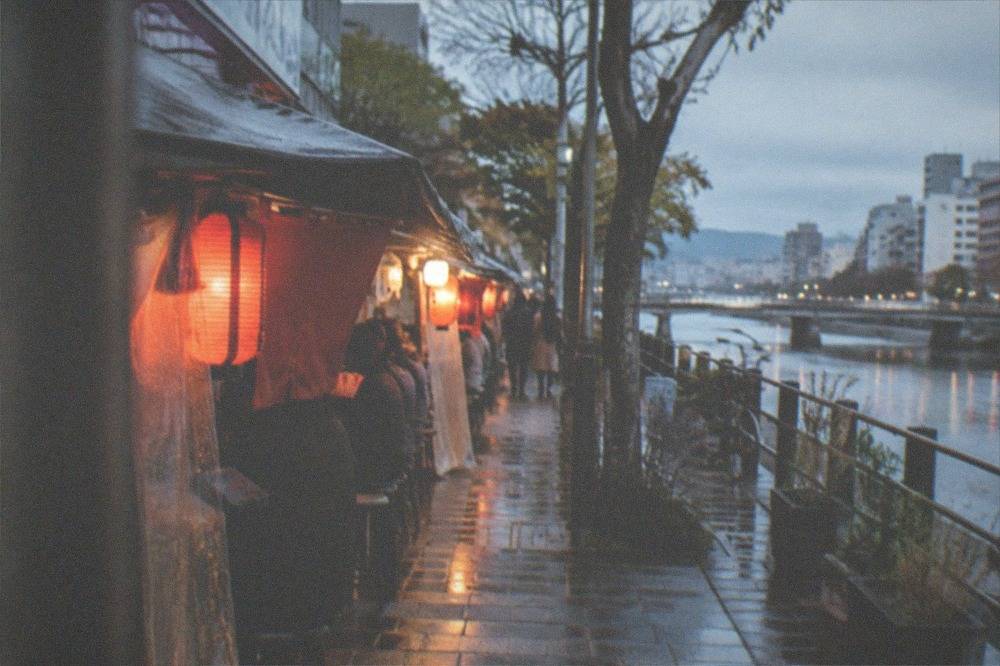
The yatai deserve a specific note here because rain closes them. The stalls are open-air, the city permits road occupancy from 17:00 to 4:00 the next day, and operators close at their own discretion when the weather turns. There is no mandated weekly closing day, so the honest framing is: check on the night. The Fukuoka yatai guide explains how the stalls work, and the city's ordinance requires every stall to post its prices visibly, with no vague "market price" items, which is a genuinely useful protection for visitors.
| Rain scenario | What you need | What to leave home |
|---|---|---|
| Short warm downpour | Compact umbrella, fast-dry shirt | Rain trousers |
| Sustained all-day rain | Light shell, dry socks in day pack | Heavy waterproof jacket |
| Typhoon warning day | Indoor plans, spare battery, patience | Umbrella in high wind |
| Festival morning (Oiyama) | Broken-in shoes, towel, light layer | Anything you cannot carry for hours |
What Should You Pack for Day Trips Beyond the City?
Pack one outfit layer for cooler mountain air if Aso, Kurokawa or Takachiho is on your itinerary, because those destinations sit at altitude and run several degrees cooler than Fukuoka's 31°C pavement, and onsen towns mean a quick-dry approach to swimwear or the willingness to go without. Otherwise the day-trip kit is your regular day pack plus train snacks, your IC card, and a layer for air-conditioned buses.
Full-day trips from Fukuoka reach Dazaifu, Yanagawa, Itoshima and Karatsu easily, and Yufuin, Beppu, Mount Aso and Takachiho as full days, and the bus tours that run them are long: the Mount Aso and Kurokawa onsen tour runs about 10 hours, and the Takachiho gorge tours run 10 to 11. For a mountain day you want the light long-sleeve layer from your city kit, plus sun protection, because Kusasenri's grasslands offer almost no shade. Onsen etiquette means small towels and no swimwear in the bath, so the packing addition is a modesty towel rather than a swimsuit.
If you are arriving with a lot of luggage and heading straight out on a tour the next morning, the luggage storage options in Fukuoka are worth reading before you pack, because a mid-size bag that fits a coin locker changes what you can do on a layover day or a festival morning. And if the mountain day is the part of the trip you are most looking forward to, the tour below is the one that pairs the volcano, the grasslands and an onsen town in a single departure from the city.
What About Luggage, Laundry and Shopping?
Bring one suitcase you can lift overhead on a subway car, sized so it fits a coin locker, and plan laundry every three to four days rather than packing for every day of the trip. July is not the month for extra shoes or a second jacket. Leave deliberate space in the bag for souvenirs, because mentaiko, yame tea and Hakata dolls are all bought here, and the city's shopping districts from Tenjin to Canal City make impulse purchases almost unavoidable.
The laundry logic is the core of summer packing in Japan. Hotel rooms air-dry a quick-dry shirt overnight in the humidity, most business hotels have a small washer or a laundrette nearby, and a five-shirt rotation covers two weeks with two wash cycles. That frees your bag for the things that matter: good shoes, rain gear, and space on the way home. If you are staying near Hakata Station or Tenjin, both areas are covered in the where to stay in Fukuoka guide, and both put you within walking distance of a coin laundry, a convenience store and a subway station, which is the practical triangle for a summer trip.
Souvenir space is a real consideration. Fukuoka's signature foods travel poorly, so most visitors buy mentaiko chilled-packaged for the flight, or tea and ceramics instead. The city's markets and shopping arcades are the natural hunting grounds, and a foldable duffel or a half-empty suitcase on the way in is the standard answer. On the subject of arriving with bags: a private transfer from Fukuoka Airport to your hotel removes the first navigation problem of the trip entirely, which is worth considering if you land late, travel with children, or simply want to start the trip standing still.
What Electronics and Money Should You Carry?
Carry a phone, a spare battery, a plug adapter for Japan's two-flat-pin outlets, and your money as a mix: an IC card or contactless card for transit, a credit card for hotels and shops, and cash in yen for yatai, markets, small temples and the cash-only park gates. Japan runs on 100 volts, so most modern chargers work unmodified, and a spare battery beats a spare charger on a 4:59 a.m. festival morning with no outlet in sight.
Connectivity is the one thing to sort before departure rather than after, and the eSIM and pocket WiFi options for Fukuoka are compared in the site's eSIM and WiFi guide. What belongs in the packing list itself is the spare battery, because a July day in Fukuoka runs long: the yatai open around 18:00 to 18:30 and run into the small hours, the festival mornings start before 5:00, and a phone running maps, translation and camera through 18 hours of heat will not survive on one charge.
On money, the verified figures are worth having in your head. The subway's 1-day pass is ¥640 for unlimited travel on all three lines, and the Fukuoka Tourist City Pass, which covers subway, buses, Nishitetsu trains and ferries for a day, is ¥2,500 for the city version or ¥2,800 with Dazaifu included, with a passport check at the counter because it is restricted to overseas tourists on a short-stay visa, as the official city pass page states. Many competing guides still quote the old, much cheaper prices for that pass; they are wrong. The getting around Fukuoka guide carries the full transport picture.
| Item | Bring or buy there | Notes |
|---|---|---|
| Plug adapter | Bring | Two flat pins, 100 V |
| Spare battery | Bring | Long festival days, no outlets |
| IC card or contactless card | Either | Suica, PASMO and local cards reported interoperable |
| Yen cash | Withdraw on arrival | Yatai, markets and some gates are cash-first |
| Compact umbrella | Either | Convenience stores sell them cheaply |
| Tenugui towel | Buy there | Sold everywhere, cheap, useful from day one |
What Should You Leave at Home?
Leave behind heavy denim, a second pair of shoes beyond your walking pair and something for evening wear, a bulky rain jacket, a hairdryer, and more than one book. Fukuoka's July does not need any of them, and every kilogram you save matters on subway stairs, in coin lockers and in the crush of a festival crowd. A packing list is as much about what stays in the wardrobe as what goes in the case.
Denim is the classic mistake. It does not dry in this humidity, it is punishing in 31°C heat, and the rain will finish it off. Hairdryers are standard in Japanese hotel rooms, including budget business hotels, so yours stays home. Books can be bought in Tenjin if you finish yours. The one genuine grey area is a camera beyond your phone: Fukuoka's night scenes, from the Nakasu yatai row to the illuminated castle grounds during festival season, reward a real camera, but only if you will actually carry it all day in the heat. The Fukuoka photo spots guide will tell you quickly whether that answer is yes.
One last July-specific item earns its place instead: a small plastic bag or two. They keep a wet umbrella off your other gear, carry yatai leftovers that cannot be left behind, and separate damp clothes from dry ones in the day pack. It is the least glamorous item on this list and the one experienced Japan travellers always have.
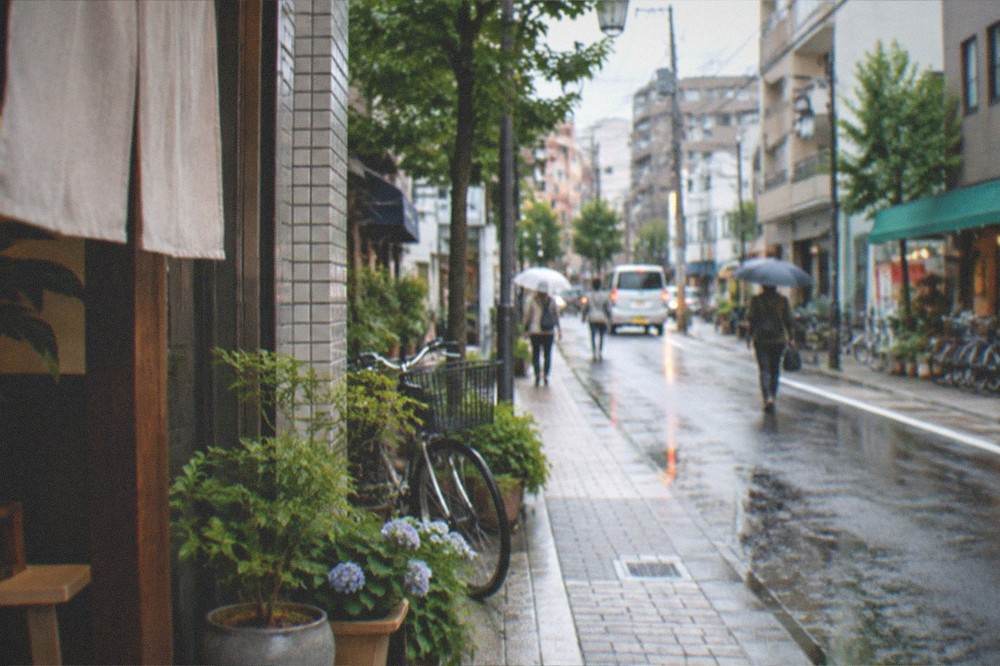
For the practical bookings that pair with this list, the selection below covers the arrival, the city's best viewpoint and the mountain day trip in one place.
If the tower is the one you are still weighing, it is worth knowing what you are buying: Fukuoka Tower stands 234 metres with observation decks at 123 m, 120 m and 116 m, it is open 9:30 to 22:00 with last admission at 21:30, and admission is ¥1,000 for adults, ¥500 for elementary and junior high students and ¥200 for children aged four and over. It closes for two days each year at the end of June, and the autumn illuminations on the tower's exterior are a seasonal draw. The tile below puts the ticket in front of you.
Common Questions About Packing for Fukuoka
What Should You Pack For Fukuoka In July?
Breathable quick-dry clothing, a compact umbrella, a hand towel, broken-in walking shoes, a light layer for air-conditioning and the 4:59 a.m. festival morning, cash in yen, and a small day pack. Pack for 31°C highs, 299.1 mm of rain in the month, and long days on your feet.
Do I need an umbrella or a rain jacket for Fukuoka in July?
An umbrella. July rain arrives in warm downpours, and a sealed rain jacket becomes uncomfortably hot within minutes of walking. A compact umbrella fits the day pack, is replaceable at any convenience store, and handles almost every shower the month will throw at you. Keep a dry pair of socks for the worst days.
Should I pack for the Hakata Gion Yamakasa festival?
Yes, if your dates fall between July 1 and 15. The Oiyama race on July 15 starts at 4:59 a.m., which means hours standing outdoors in dense crowds before dawn. Broken-in shoes, a light layer, a small secure bag and a spare battery are the festival-specific additions.
How much cash should I carry in Fukuoka?
Carry a few thousand yen in accessible notes and coins for yatai stalls, markets and small shops, since the stalls are primarily cash operations and some park gates, including Uminonakamichi Seaside Park, take cash only. Transit takes IC and contactless cards, and hotels and larger shops take credit cards.
Can I do laundry instead of packing for every day?
Yes, and in July you should. Quick-dry shirts dry overnight in a hotel room, business hotels have laundry access or a nearby laundrette, and a four-to-five shirt rotation covers a two-week trip with two wash cycles. Packing light matters more here than in most Japanese cities because of the heat and the walking.
Do I need different clothes for day trips from Fukuoka?
Only if the mountains are on your itinerary. Dazaifu, Yanagawa and the coastal trips share Fukuoka's summer heat, but Aso, Kurokawa and Takachiho sit at altitude and run noticeably cooler, so the same light long-sleeve layer that serves air-conditioned trains serves the mountain morning too.