Onsen in and Near Fukuoka
Fukuoka sits on the Genkai Sea side of northern Kyushu, close enough to Yufuin, Beppu and Kurokawa that a hot spring day trip is one of the easiest things you can add to a city break. This guide covers what each onsen town is actually like, which tours run there, and the etiquette and transport facts you need before you strip off.
Short answer
Fukuoka has no famous onsen of its own, but it is one of the best bases in Japan for hot spring day trips. Yufuin is about two hours away by highway bus or the Yufuin no Mori train, Beppu is on the same line, and Kurokawa is a longer trip into the mountains of central Kyushu. A guided day tour from Fukuoka starts from about $46 per person.
Fukuoka is not a hot spring resort, and that is exactly why it works so well as an onsen base. The city itself, on Hakata Bay on the Genkai Sea side of northern Kyushu, is a transport hub with fast highway buses and scenic railway lines fanning out into the mountains, and three of Kyushu's best-known onsen towns, Yufuin, Beppu and Kurokawa, are all reachable as a day trip. You can eat tonkotsu ramen at a yatai stall in the evening and be soaking in a mountain bath the next morning, without ever moving hotels. This guide, part of Fukuoka Japan Travel Guide, walks through what each area is like, what a booked day tour covers, and the etiquette and seasonal facts that decide when to go.
Where Can You Soak in an Onsen Around Fukuoka?
The realistic onsen menu from Fukuoka has three tiers: Yufuin and Beppu, twin hot spring towns in Oita Prefecture about two hours east by rail or bus; Kurokawa Onsen, a preserved riverside bath village deep in the Aso region of Kumamoto; and a handful of day-use soaking facilities and super sento closer to the city itself. Each tier trades distance for atmosphere, and all three are genuinely doable in a day.
The starting point matters. Fukuoka's main rail hub is Hakata Station, in the Hakata ward of the same city, and both the highway bus terminal and the JR lines to Oita leave from there. Travellers sometimes plan "from Hakata to Fukuoka" as though they were two places; they are not. Hakata is the ward and the station, Fukuoka is the city, and every journey in this guide starts from the same downtown core, whether you ride a bus from Hakata Bus Terminal or a train from Hakata Station.
Yufuin and Beppu sit inland from each other in Oita Prefecture, and most visitors combine them or pick one. Yufuin is the calmer of the two: a small basin town under Mount Yufu, with ryokan, cafes and open-air baths looking across rice fields at the mountain. Beppu is the opposite, a dense, steamy city on Beppu Bay with thousands of hot spring sources, the famous multicoloured "hells" (jigoku), which are viewing ponds rather than baths, and a working red-light-of-the-spectrum history as Japan's most productive hot spring city by volume. Kurokawa, further south in Kumamoto, is the most atmospheric and the least convenient: a village of thatched ryokan arranged along a river gorge, where guests in yukata drift between outdoor baths with a wooden pass.
If you are weighing onsen against the coast, note that the region also has good beaches west of the city, covered in the Itoshima coast and beaches guide, and that autumn is when the bathing season and the best visiting months overlap nicely.
What Are the Onsen Like in Yufuin?
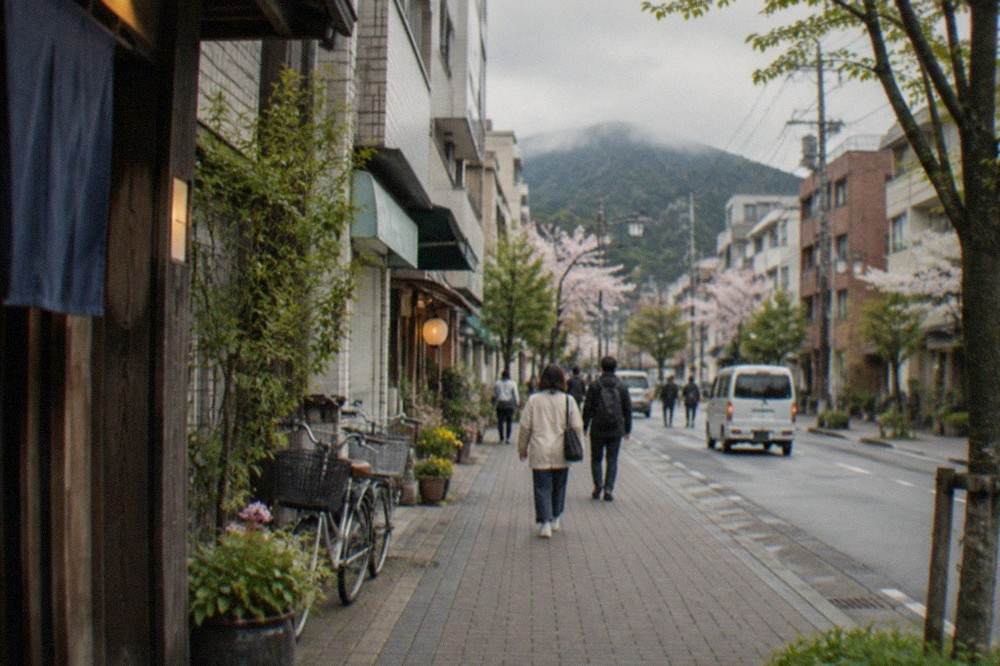
Yufuin is a quiet basin village under Mount Yufu, about two hours from Hakata, where the baths are mostly ryokan-owned open air pools looking across fields at the volcano. The water is clear and mild rather than mineral-heavy, the town is walkable and cafe-heavy, and the pace is slow: this is the onsen trip for people who want scenery and stillness, not crowds or spectacle. It is also the easiest of the three to reach on a booked day tour.
The town's layout explains its character. Yunohira and the main street run along the basin floor, with Lake Kinrin at one end, and the ryokan sit among the fields with their baths angled at Mount Yufu. The mountain is a genuinely prominent presence on the skyline, and the classic Yufuin photograph is an outdoor bath with the volcano reflected in still water. Because the springs are spread across many small ryokan rather than concentrated in a few big bathhouses, the town reads as a collection of private gardens rather than a resort strip. Many ryokan sell day-use bathing (higaeri) in the afternoon, and the tourist office in the station building lists which ones have space.
What surprises first-time visitors is how little Yufuin feels like a resort. Between baths there are cafes in converted farmhouses, a small art museum, and the station building, a low wooden structure designed by Arata Isozaki, which is worth a look even if you arrive by bus. The town is popular with domestic travellers, particularly couples, and weekends and holiday periods get genuinely busy; midweek is calmer. Winter is the high season for atmosphere, when the cold air makes the steam and the mountain views sharper, and the Fukuoka weather guide covers what to expect from the city end of the trip.
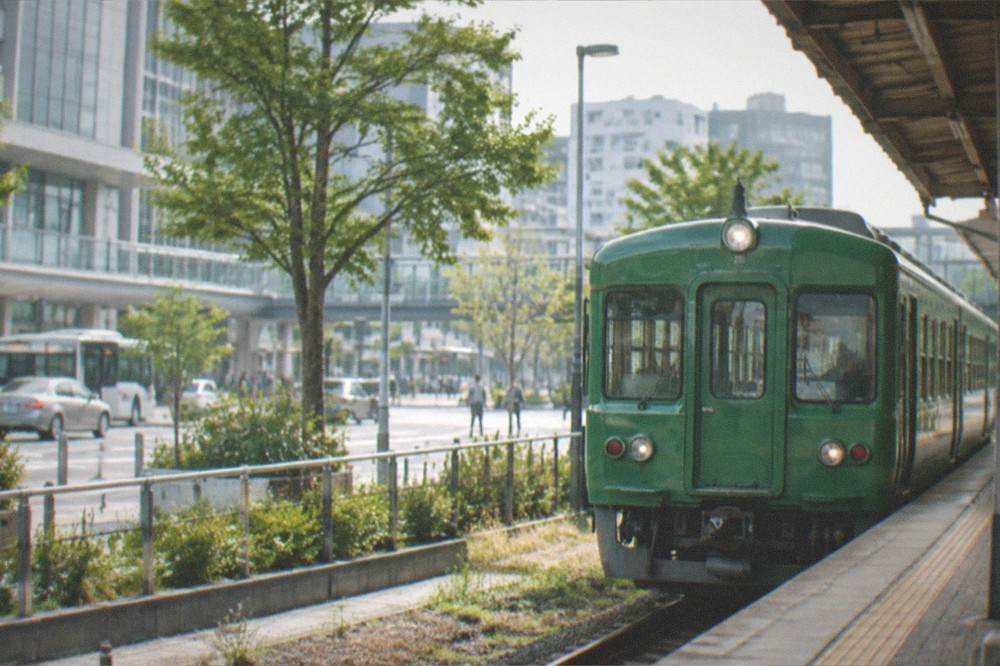
The practical route is either the Yufuin no Mori, JR Kyushu's green-and-cream sightseeing train with wooden interiors and a lounge car, or a highway bus from Hakata. Both take roughly two hours. The train requires a reservation well ahead in high season, and the bus is cheaper and often easier to book on short notice. A booked tour removes that decision entirely, and for a first visit, that is a reasonable trade.
What Can You Expect from Beppu's Hells and Hot Springs?
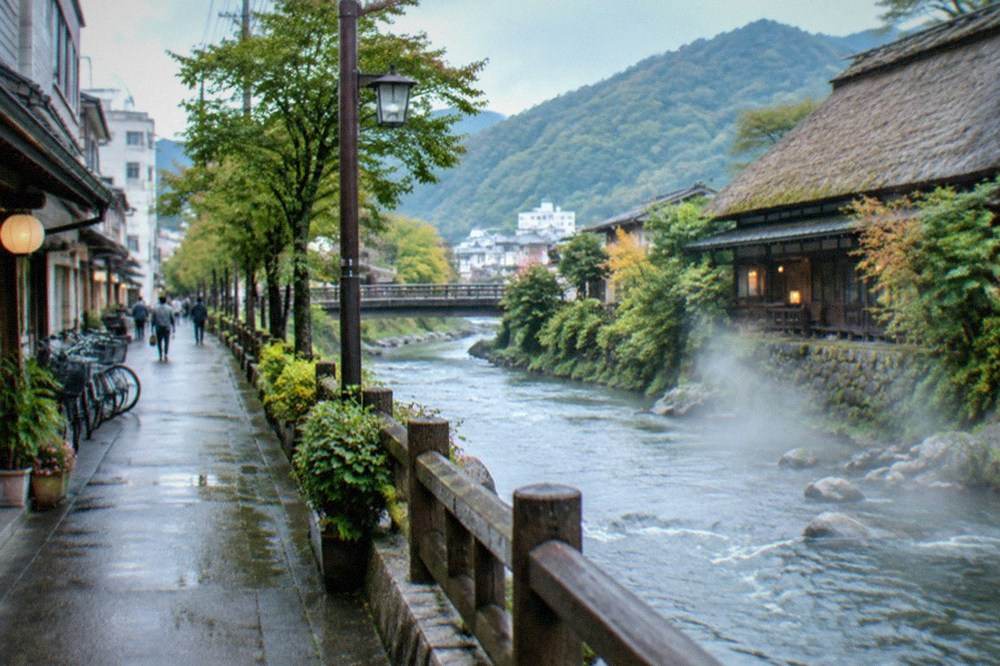
Beppu is Japan's most productive hot spring city by water volume, a dense, steamy place on Beppu Bay where more than 2,000 sources feed baths, ryokan and the famous jigoku, the "hells", which are boiling ponds and geysers you view rather than bathe in. Expect a working spa city rather than a pretty village, with a tour circuit of eight hells, mud baths, sand baths and ordinary soaking baths all within city bus range.
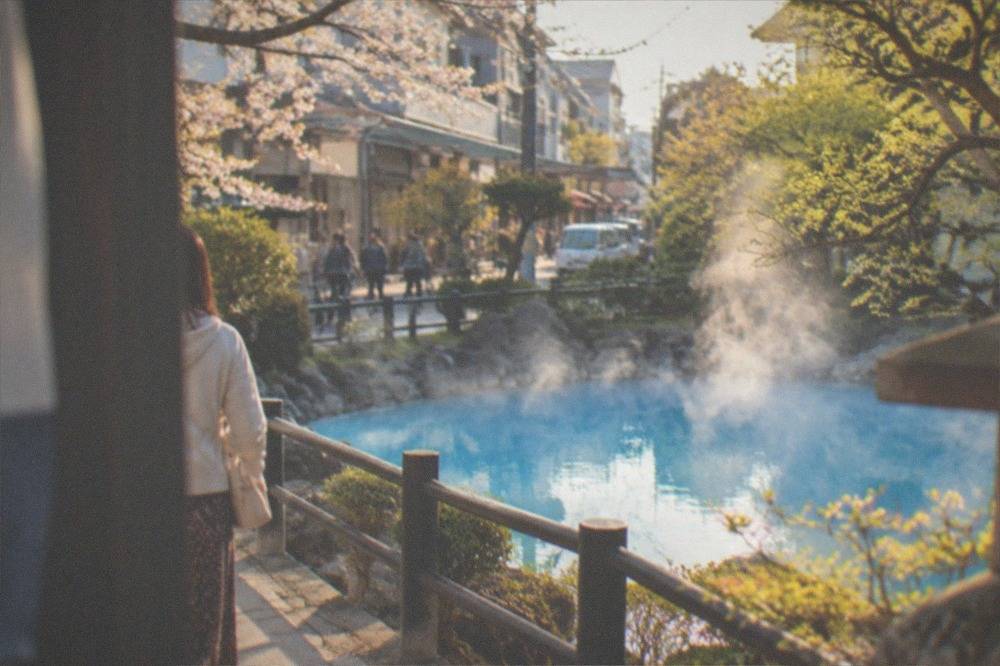
The hells are the headline. Chinoike Jigoku, the "blood pond hell", is a hot red pond that has been used as a pigment source for centuries; Umi Jigoku is a steaming cobalt-blue pond in a garden; Tatsumaki Jigoku erupts as a geyser at intervals; and Oniishibozu Jigoku bubbles grey mud like the shaved heads of monks. A circuit of the main eight takes most of a day at a relaxed pace, and the ponds are grouped in two clusters, Kannawa and Shibaseki, so you can walk between several in each. None of them are baths. The water is far too hot, and the hells are a spectacle industry that grew up around springs nobody could soak in.
The actual soaking is separate and varied. Takegawara, a historic wooden bathhouse near Beppu Station, offers the classic sand bath, where an attendant buries you to the neck in naturally heated beach sand; Myoban, on the hill above the city, has milky sulphur baths and a historic milky-white spring used for making bath salts. Beppu's water is more mineral-forward than Yufuin's, and the city's steam is visible from the train as you come in along the bay. Several day tours from Fukuoka bundle the hells with Yufuin in one long loop, which is a lot of ground but works if you only have one day and want both faces of Oita's onsen country.
One honest note on the animal park stops that appear on some tours: the Beppu hells and animal park day trip from the roster includes one, and reviews of these tours are generally positive, but a hot spring circuit plus an animal park is a full ten hours. Check the itinerary against your energy, not just your budget.
Which Onsen Day Trips Can You Book from Fukuoka?
The bookable onsen-adjacent day trips from Fukuoka cluster into three groups: Yufuin and Beppu combination tours, which are the most numerous; Aso region tours that include a hot spring stop or an onsen town like Kurokawa; and culture tours that ride the Yufuin no Mori train with a Dazaifu stop on the return. Prices start from about $46 per person for a shared-coach day tour, and the best-reviewed options run 9 to 10 hours.
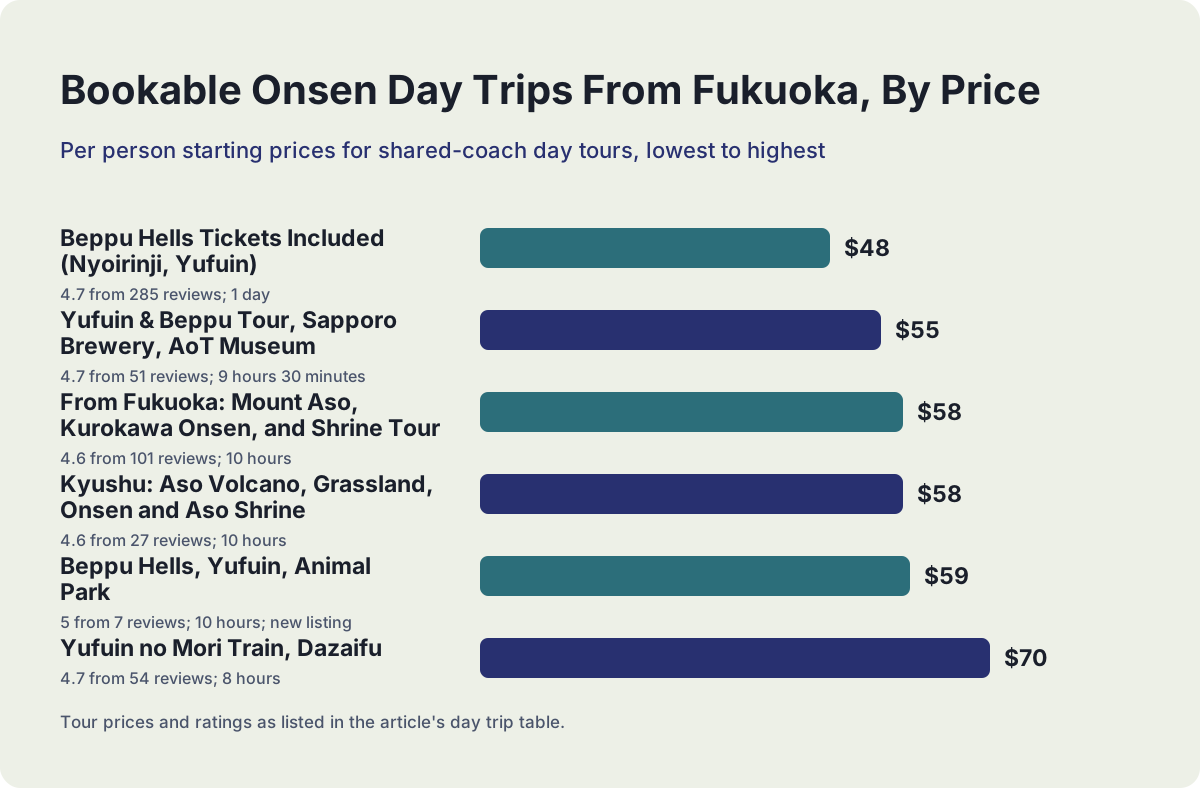
The roster of verified products is genuinely deep here, which is unusual for a city better known for food than hot springs. The table below compares the main options with published figures from the operator listings.
| Tour | Route highlights | From (per person) | Rating | Duration |
|---|---|---|---|---|
| Beppu Hells, Yufuin, Animal Park | Beppu hells, Yufuin, animal park | $59 | 5 from 7 reviews | 10 hours |
| Yufuin no Mori Train, Dazaifu | Sightseeing train to Yufuin, Dazaifu on return | $70 | 4.7 from 54 reviews | 8 hours |
| From Fukuoka: Mount Aso, Kurokawa Onsen, and Shrine Tour | Aso volcano area, Kurokawa, shrine | $58 | 4.6 from 101 reviews | 10 hours |
| Yufuin & Beppu Tour, Sapporo Brewery, AoT Museum | Yufuin, Beppu, brewery, museum | $55 | 4.7 from 51 reviews | 9 hours 30 minutes |
| Beppu Hells Tickets Included (Nyoirinji, Yufuin) | Frog temple, hells entry included, Yufuin | $48 | 4.7 from 285 reviews | 1 day |
| Kyushu: Aso Volcano, Grassland, Onsen and Aso Shrine | Aso volcano, grasslands, onsen, shrine | $58 | 4.6 from 27 reviews | 10 hours |
Read the fine print on what "onsen" means in each itinerary. Some tours include an actual bath stop with time to soak; others pass through an onsen town for sightseeing and shopping only, and a few include hot spring viewing (the Beppu hells) rather than bathing. If soaking is the point of your day, confirm the itinerary includes bathing time before you book, because a tour that "visits Yufuin" for ninety minutes of cafe time is a different product from one that includes a ryokan bath.
The Beppu hells, Yufuin and animal park tour is the most complete single-day version of Oita's hot spring country, and at 5 from 7 reviews it is a genuinely new listing with a small review pool, so treat the rating as early signal rather than settled consensus. The Yufuin no Mori option is the one for train enthusiasts: the sightseeing train is the experience, and Dazaifu on the return leg adds the region's most famous shrine, covered in the Yufuin day trip pages and the wider Kyushu overview.
For a traveller weighing this specific tour against the alternatives, the appeal is completeness: hells, a Yufuin stop and an animal park in one coach day, with none of the connection risk of doing it alone. The trade is pace, since ten hours with multiple stops leaves less lingering time in Yufuin itself than a self-guided two-hour bus ride would. If your priority is a long, slow soak rather than coverage, the train-and-Dazaifu option or a self-guided trip serves that better; if you want Oita's hot spring country in one booked, guided sweep, this is the one.
Do You Need to Know Onsen Etiquette Before You Go?
Yes, and the rules are stricter than most first-time visitors expect: you wash your entire body at a shower or stool station before entering the bath, you do not put your towel in the water, tattoos may be refused at some bathhouses, and swimsuits are never worn in the baths themselves. None of this is negotiable at Japanese onsen, and a guided tour usually comes with someone to explain the door-side details.
The full-body wash before bathing is the rule that matters most. The bath water is for soaking only, and every bathhouse provides showers or a row of stools with taps and a small basin; you sit, wash head to toe, rinse everything off, and only then step into the bath. The small modesty towel stays out of the water: bathers typically fold it on their head or set it on the edge. Long hair should be tied up so it does not touch the water.
| Etiquette rule | What it means in practice | Why it exists |
|---|---|---|
| Wash first, bathe second | Full shower at the stool station before the bath | The bath is shared soaking water, kept clean by everyone |
| Towel out of the water | Fold it on your head or leave it poolside | Towels are for modesty and drying, not for the bath |
| No swimsuits | Everyone bathes naked, separated by gender | Swimsuits are seen as unhygienic in shared water |
| Tattoos may be refused | Some bathhouses refuse visible tattoos; check ahead or use a cover sticker | Historical association with organised crime; policies vary by venue |
| Quiet in the bath | Low voices, no phone calls, no photography | The bath is a shared quiet space; photos are a serious breach |
| No food or drink in the water | Eat and drink in the rest area only | Keeps the water clean and the space calm |
Tattoos deserve a specific note because the policy is venue-by-venue rather than national. Large or visible tattoos are still refused at some onsen and sento, while others, particularly in tourist-facing Yufuin and Beppu, are relaxed or offer private baths (kashikiri) where nobody sees you. If you have visible tattoos, a private family bath or a ryokan with a reservable outdoor bath is the low-stress option, and it is worth an email to the venue before travelling. Photography is the other hard line: never photograph a bathing area, and be careful even in the hells, where tripods and drone use are restricted at some ponds.
For nervous first-timers, the wider cultural context is covered across the site, including the yatai stall etiquette pages, but the short version is that bathhouse staff have seen every level of confusion and a polite attempt at the rules is always received well.
When Is the Best Season for an Onsen Trip?
The best onsen seasons from Fukuoka are late autumn into winter, roughly November through February, when cold air makes outdoor baths and mountain steam genuinely dramatic; and late spring, May and June, when the valleys are green and the crowds thin. July and August are hot and humid, which makes hot bathing less appealing, though Beppu's hells and sand baths run year round. Typhoon season, roughly July through October, is the one planning risk worth taking seriously.
The climate data explains the timing. Fukuoka's July mean temperature is 27.4°C with a daily maximum of 31.2°C, and August is hotter still at a 28.4°C mean and 32.5°C maximum, according to the Japan Meteorological Agency's 1991 to 2020 normals for the Fukuoka station. Soaking in 40-degree water when the air is 32 degrees is a different sport from doing it at 7 degrees in January, and the mountain towns are cooler than the city, which helps. Winter also delivers the postcard: steam hanging over Kurokawa's river and Yufuin's fields under Mount Yufu, occasionally with snow on the peaks.
Typhoon season deserves a real paragraph rather than a warning label. Western Pacific storms between July and October can shut mountain roads and cancel buses to Yufuin, Kurokawa and the Aso area for a day or two at a time, and an onsen village in heavy rain is a different experience from one in clear air. The honest advice is not to avoid the season, since storms are intermittent and September and early October can be excellent, but to keep your plans changeable: book a tour with a free-cancellation window, and check the forecast two days out rather than two weeks.
Autumn is the connoisseur's pick. The leaf season in the mountains around Yufuin and the Aso region peaks around mid to late November into early December, which pairs perfectly with an outdoor bath, and the city's own parks hold their colour late. The month-by-month breakdown in the best time to visit guide ranks all twelve months against festivals, weather and prices, and the Kyushu regional guide covers the mountain areas in depth.
How Do You Get to the Onsen Towns from Fukuoka?
Yufuin and Beppu are about two hours from Hakata, by highway bus from Hakata Bus Terminal or by JR train from Hakata Station, with the Yufuin no Mori sightseeing train needing a seat reservation ahead. Kurokawa is harder, roughly three hours by bus with a change, and is the one town where a booked tour or an overnight stay beats a day of self-driving connections. Within Fukuoka, the subway's flat fares and day pass cover everything you need to reach the bus and rail terminals.
The bus versus train decision for Yufuin is real. The highway bus runs direct from Hakata Bus Terminal to Yufuin in about two hours and costs less than the train, with several departures a day; it requires no reservation skill beyond buying a ticket, though seats go in high season. The JR line runs from Hakata through Oita, and the Yufuin no Mori, a dedicated sightseeing train with wooden interiors, a lounge car and large windows, is the romantic option; it sells out weeks ahead in autumn and spring. Beppu sits on the same JR corridor before Yufuin, and buses serve it too, so the two towns can be done in either order. The Hakata Station guide maps the terminals and platforms.
| Destination | Main routes from Hakata | Rough journey time | Notes |
|---|---|---|---|
| Yufuin | Highway bus from Hakata Bus Terminal; JR train via Oita, including the Yufuin no Mori | About 2 hours | Sightseeing train needs a reservation well ahead in high season |
| Beppu | Highway bus; JR train via Oita | About 2 hours | Sits on the same corridor before Yufuin; hells in two walkable clusters |
| Kurokawa Onsen | Bus toward Aso with connections, or train plus local bus | About 3 hours | Winding final stretch; best as a tour or an overnight |
| Fukuoka Airport to Hakata | Subway Kuko line | No minutes published; fare ¥260 | The airport is unusually close to the city centre |
Kurokawa is the outlier. It sits in the mountains of Kumamoto, and reaching it from Fukuoka means a bus toward Aso or a combination of train and local bus, with the last stretch on winding roads. The Kurokawa Onsen trip guide covers the self-guided routes in detail, but the short version is that a tour bus or an overnight stay is the sane way to do it; the village rewards slow time, and arriving mid-afternoon with a departure deadline defeats the point.
Inside Fukuoka, getting to your departure point is simple. The subway runs from Fukuoka Airport into the city centre for a verified fare of ¥260 to Hakata, and the airport is unusually close to the centre, which is one of the city's real advantages; the airport to city guide covers the options. A subway day pass costs ¥640 adult and covers all three lines, and overseas visitors on a short-stay visa can buy the Fukuoka Tourist City Pass, ¥2,500 for the city version or ¥2,800 with Dazaifu included, which covers subway, buses, trams and ferries for a day, with a passport check at the counter, as listed on the official pass page. The pass is aimed at visitors, and the passport requirement means it is not available to residents.
Can You Soak in Fukuoka City Itself?
Yes, but the city's options are sento and super sento, large urban bath complexes with hot spring water in some cases, rather than destination onsen. They are cheap, easy to reach by subway, and a good evening activity, but they are not the reason to come to Fukuoka; the famous water is in the mountains, and the city's own bathing culture is more about the yatai stalls and nightlife that fill the hours before a bath.
Fukuoka's urban bathing scene is built around a handful of large bath complexes, some of which draw natural hot spring water, scattered through the suburbs and reachable by subway or a short bus ride. These are everyday facilities for locals: saunas, electric baths, cold plunge pools, outdoor areas and restaurants, at a price point far below a ryokan day visit. They open late, which makes them a natural end to an evening in Nakasu or the nightlife districts, and the night itinerary pairs them well with the food crawl pages.
The honest positioning is this: if your trip is short and you want a genuine onsen experience, spend the day in Yufuin, Beppu or on a tour that includes a bath, and use the city sento as a bonus rather than a substitute. If your trip is long, or the weather turns, a super sento afternoon is one of the better flexible moves, and the where to stay guide notes the hotels with their own baths, which in Hakata and Tenjin is a real category.
For travellers whose interest runs more to volcanoes than bathhouses, the Mount Aso option in that band is worth a second look: it trades Oita's spa towns for the caldera grasslands and an onsen stop in the Aso region, at 4.6 from 27 reviews on a ten-hour schedule. It is the same price bracket as the Yufuin and Beppu tours but a completely different landscape, and it pairs naturally with the Kurokawa route for a two-day mountain plan.
Common Questions About Onsen Near Fukuoka
What Are The Onsen Like In Yufuin?
Yufuin is a quiet basin village under Mount Yufu, about two hours from Hakata, where most baths are ryokan-owned outdoor pools looking across fields at the volcano. The water is clear and mild rather than heavily mineral, many ryokan sell afternoon day-use bathing, and the town between baths is cafes, small museums and the Isozaki-designed station. It is the scenic, relaxed choice among the hot spring towns reachable from Fukuoka.
Can you do an onsen day trip from Fukuoka?
Yes, easily. Yufuin and Beppu are about two hours away by highway bus or JR train, and several guided day tours from Fukuoka cover one or both, from about $46 to $70 per person. Kurokawa Onsen is further, roughly three hours into Kumamoto, and works best as a tour or an overnight.
Are tattoos allowed in Japanese onsen?
It varies by venue. Some bathhouses still refuse visible tattoos, while others, particularly in tourist-facing Yufuin and Beppu, are relaxed or offer private reservable baths. If you have visible tattoos, check the venue's policy ahead or book a private bath.
Which is better, Yufuin or Beppu?
Yufuin is the scenic, quiet choice: fields, Mount Yufu views and ryokan baths. Beppu is the spectacle choice: a steamy spa city with thousands of sources, the multicoloured hells viewing ponds, sand baths and mud baths. Many tours combine both in one day, which is intense but possible.
Do you wear a swimsuit in an onsen?
No. Bathers are naked, with genders separated, and swimsuits are not worn in the water. A small towel is used for modesty while walking and left out of the bath, folded on your head or set on the edge.
When is the best time of year for an onsen trip from Fukuoka?
November through February, when cold air makes outdoor baths and mountain steam dramatic, or May and June for green valleys and thinner crowds. July and August are hot, with city maxima above 31°C, and typhoon season runs roughly July through October, so keep plans changeable in that window.