Autumn Leaves in Fukuoka
Fukuoka's autumn colour runs from mid-November into early December, later than most of Japan, which makes the city a genuinely useful late-season leaf destination. Here is where to go, when the colour peaks, and what November in the city actually feels like.
Short answer
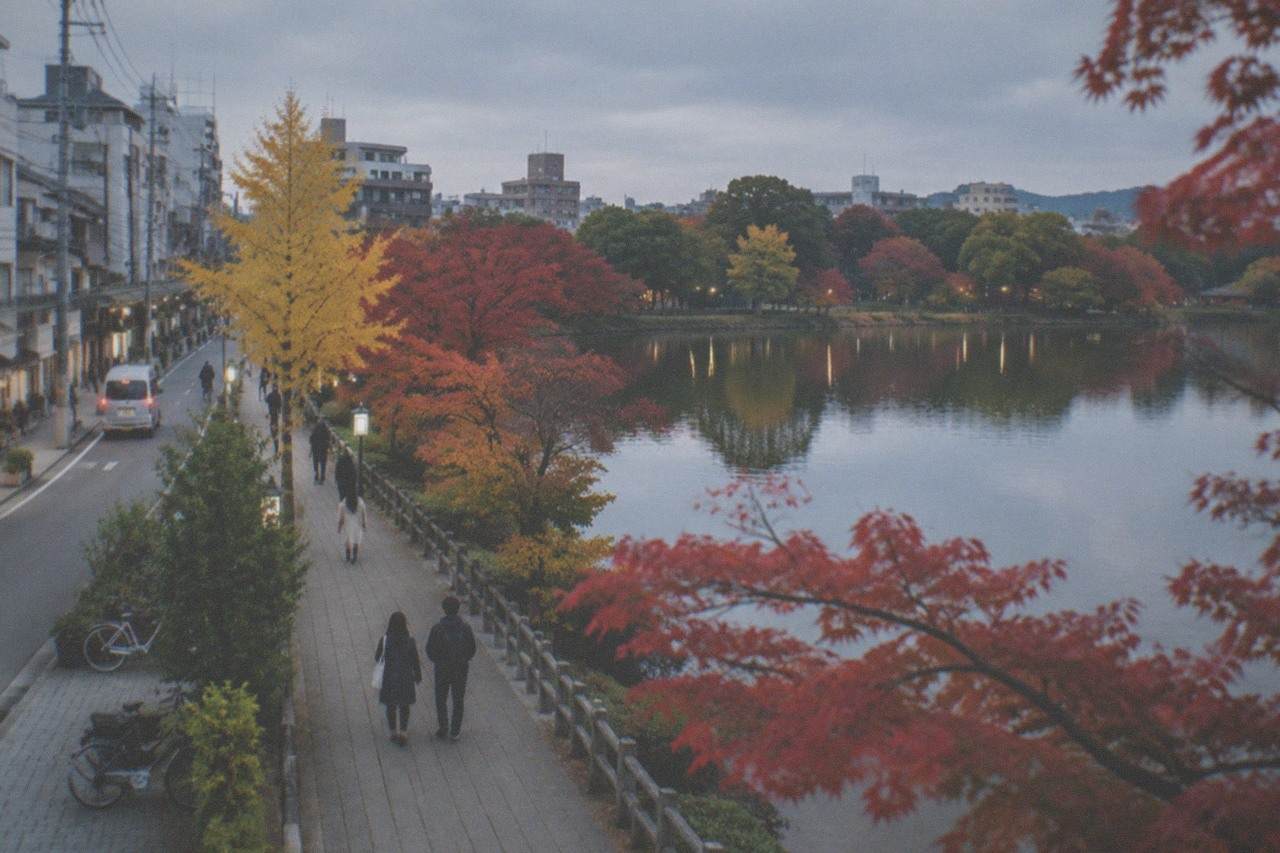
Autumn leaves in Fukuoka city typically peak from mid-to-late November into early December, with Ohori Park and Maizuru Park holding colour longest. Dazaifu and Komyozenji's moss garden peak mid-to-late November. November days average 18.2°C highs and 10.6°C lows with about 91.4 mm of rain, and the Kyushu Basho sumo tournament runs through the month.
Fukuoka is one of Japan's later leaf destinations, and that is its quiet advantage. While Kyoto and Nikko have already shed their maples by mid-November, colour in this city on Hakata Bay is only just starting, and parks like Ohori and Maizuru hold their reds and golds into early December. November also brings the Kyushu Basho, the one month a year competitive sumo is staged in Fukuoka, plus cool, dry-ish walking weather. This Fukuoka Japan Travel Guide page lays out the timing, the best spots in the city, the day trips worth the train fare, and the practical details for a November visit.
When Do Autumn Leaves Peak in Fukuoka?
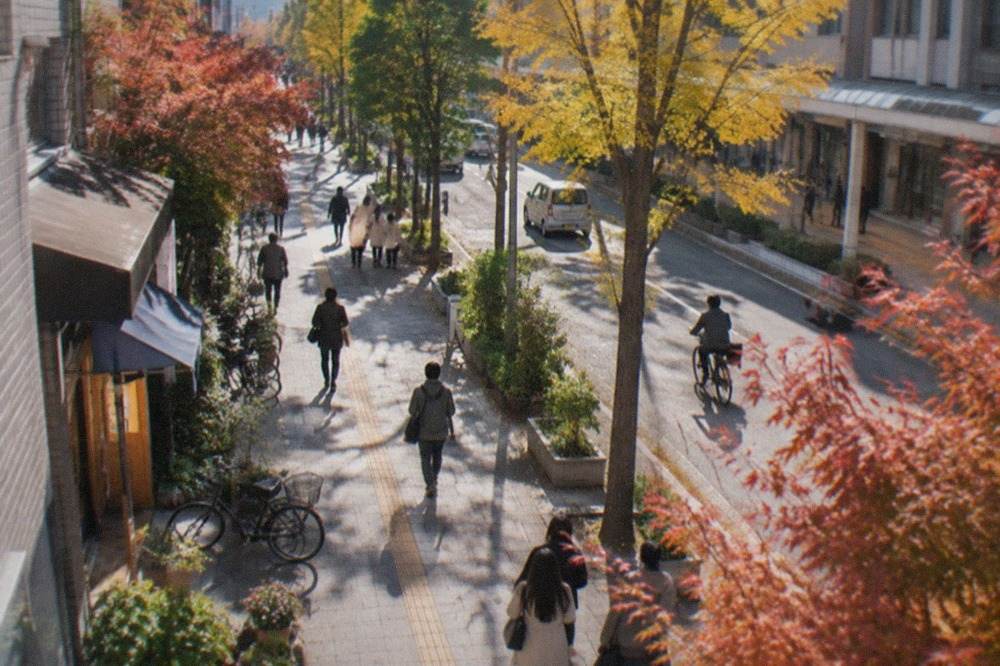
Autumn colour in Fukuoka city typically peaks from mid-to-late November into early December, with city parks such as Ohori and Maizuru holding their leaves longer than surrounding countryside. Around Dazaifu and the Komyozenji moss garden, the window is mid-to-late November. Because Fukuoka sits on the warm Genkai Sea side of northern Kyushu, its leaves turn noticeably later than the famous spots on the Pacific side of Honshu.
That lateness is the whole reason a November leaf trip here works. Travellers who missed peak colour in Kyoto in the second week of November can still find it in Fukuoka in the last week of the month. The city's own parks, the castle ruins at Maizuru, and the temple approaches out in Dazaifu all follow the same broad pattern: first colour early in the month, the best reds from roughly the 15th to the 25th, and lingering golds from the ginkgos into the first days of December.
Weather drives the schedule more than the calendar does. A cold snap in early November pulls the peak forward; a mild, wet month, and November in Fukuoka averages 91.4 mm of rain, can stretch the season and mute the reds at the same time. The Japan Meteorological Agency's 1991-2020 normals for the Fukuoka station show a November mean of 14.2°C, which is mild enough that the city rarely sees frost before December. The practical advice is simple: aim for the second half of November, and if you can only travel in the first week of December, the city parks are still a reasonable bet.
| Area | Typical peak window | What you get |
|---|---|---|
| Maizuru Park (Fukuoka Castle ruins) | Late November to early December | Roughly 1,000 cherry trees plus maples and ginkgos around stone walls |
| Ohori Park | Late November to early December | Lake-side colour, Japanese garden maples, easy walking loop |
| Nishi Park | Mid-to-late November | Hillside maples, one of Japan's celebrated sakura spots that doubles in autumn |
| Dazaifu and Komyozenji | Mid-to-late November | Moss garden maples, shrine approach, nearby Kamado Shrine maples and ginkgo |
| Yanagawa and river areas | Late November | Canal-side willows and late colour on the boat rides |
For a broader seasonal picture, see the site's Fukuoka autumn season guide, and the month-specific November in Fukuoka planning page.
What to Do in Fukuoka in November for Autumn Leaves?
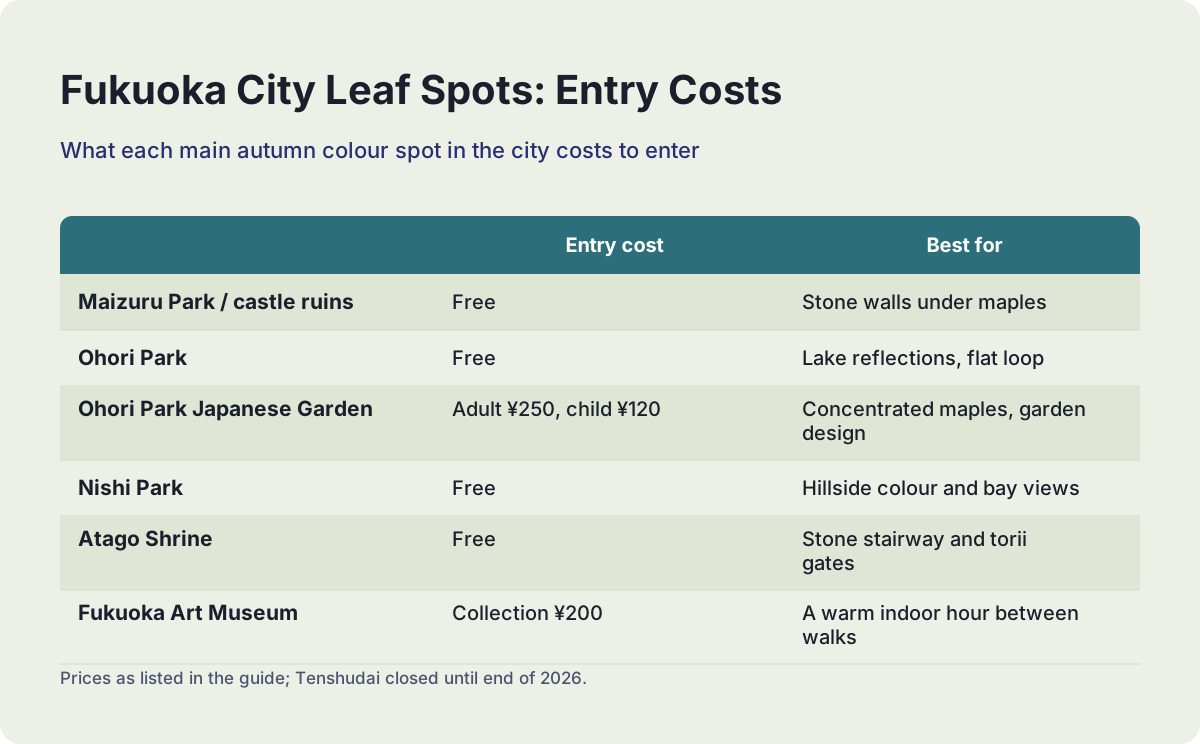
The core November leaf itinerary is Maizuru Park and the castle ruins in the morning, Ohori Park and its Japanese Garden at midday, Nishi Park or Atago Shrine for a hillside view in the afternoon, and a yatai or izakaya evening in Nakasu or Tenjin. All of the main city spots are free or nearly free: the castle grounds cost nothing, Ohori Park is free, and its Japanese Garden is ¥250 for adults.
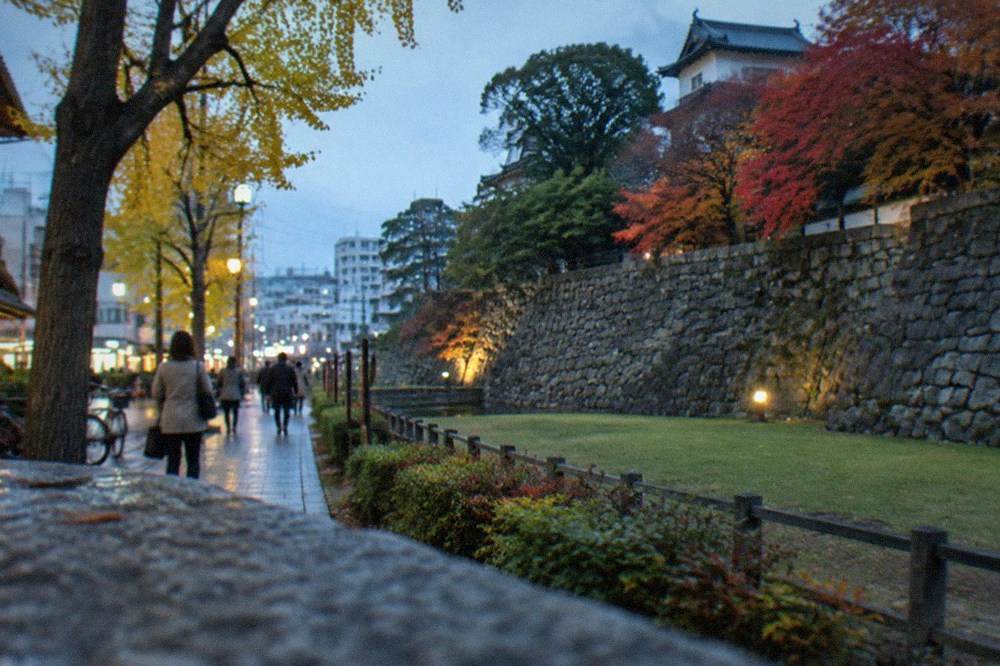
Start at Maizuru Park, where the stone walls of Fukuoka Castle sit under a canopy of maples and ginkgos. One honest note for late 2026: the Tenshudai, the main keep base, is closed to entry from 26 May until the end of December 2026 for an archaeological excavation, per the castle's official notice. The dig was prompted by a document found in December 2024 that describes a keep which may never have been built; whether this "phantom keep" existed is still an open question, and the excavation itself has become a reason to visit. The rest of the park's paths and walls remain open and free.
Ohori Park is the city's leaf centrepiece. The two-kilometre loop around the lake is flat, paved and popular with runners, and in late November the far shore's trees reflect straight into the water. The Ohori Park Japanese Garden inside charges ¥250 for adults and ¥120 for children, with free entry for anyone 65 and over, and its maples are among the most concentrated in the city. The garden closes on Mondays and over the New Year period, so plan it for a weekday if your dates are flexible.
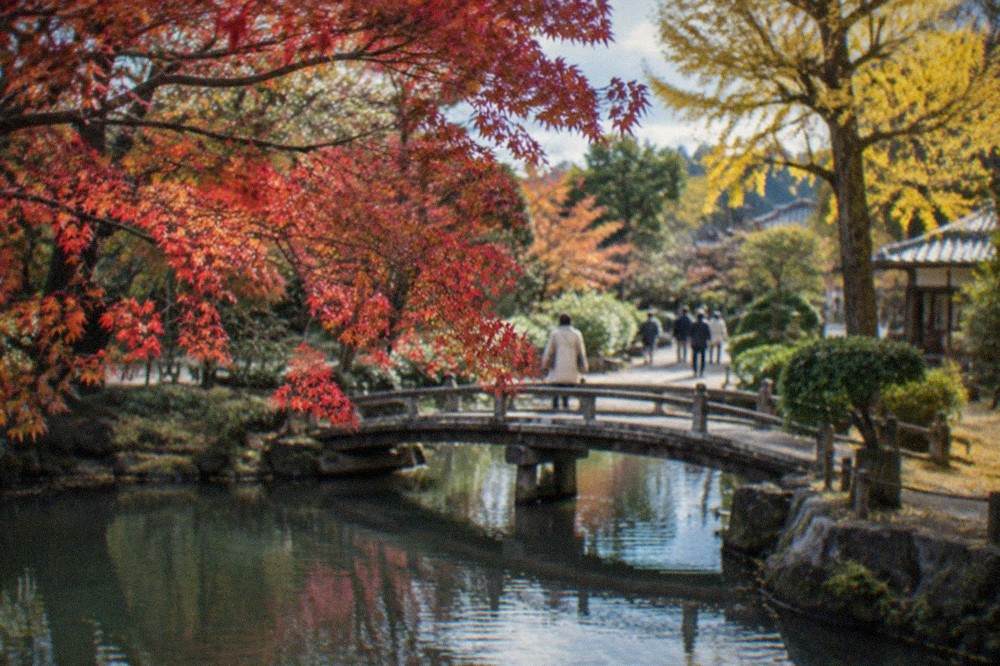
For elevation, Nishi Park on the hillside west of the centre is an underrated autumn walk, and Atago Shrine, approached by a steep stone stairway, frames its torii gates with late colour. If you would rather have a local shape the day, a private guide is one of the more efficient ways to cover the leaf spots and the tucked-away corners in one pass.
The sumo viewing option in that band deserves a special mention for November travellers: the Kyushu Basho is staged in Fukuoka every November and it is the only month of the year competitive sumo happens in the city. The Mount Aso and Kurokawa Onsen tour is the strong pick if you want autumn scenery plus a hot spring bath in one long day, and the customisable private tour is the flexible city option for travellers who want the leaf spots without a fixed route.
| City spot | Entry cost | Best for |
|---|---|---|
| Maizuru Park / castle ruins | Free | Stone walls under maples; Tenshudai closed until end of 2026 |
| Ohori Park | Free | Lake reflections and the flat walking loop |
| Ohori Park Japanese Garden | Adult ¥250, child ¥120 | Concentrated maples, garden design |
| Nishi Park | Free | Hillside colour and bay views |
| Atago Shrine | Free | Stone stairway and torii gates with foliage |
| Fukuoka Art Museum (next to Ohori) | Collection ¥200 | A warm indoor hour between walks; junior high and under free |
If you are still weighing the month itself, the site's is Fukuoka worth visiting in November answer breaks down the trade-offs, including the sumo overlap.
The Best Gardens and Parks for Koyo in the City
Ohori Park's Japanese Garden is the single best concentrated maple display inside Fukuoka, at ¥250 for adults. Maizuru Park offers the most atmospheric setting with castle walls under roughly 1,000 trees. Rakusuien is the quiet, small-garden alternative, and the Fukuoka Art Museum and Fukuoka Asian Art Museum sit close enough to Ohori to pair a garden walk with an indoor hour.
Rakusuien, a small traditional garden near Hakata Station, is the spot most itineraries skip. It is a compact, moss-and-pond garden built around a historic teahouse, and in late November its maples turn without the crowds Ohori draws. The pairing that works best in practice: Rakusuien or the Ohori Japanese Garden in the morning light, then the free Ohori lake loop, then one of the city's art museums when your feet need a rest. Both city art museums charge just ¥200 for their permanent collections, with junior high school age and under free, and entry to the Asian Art Museum building itself is free, with only the Asia Gallery charging.
The museums' autumn hours matter for planning. The Fukuoka Art Museum runs 9:30 to 17:30, and from July to October it stays open until 20:00 on Fridays and Saturdays; in November you are back to the 17:30 close, with last entry at 17:00. It closes Mondays. The Asian Art Museum runs 9:30 to 18:00 with Friday and Saturday late hours, closing Wednesdays instead. If your leaf day falls on a Monday, put the Asian Art Museum in the indoor slot.
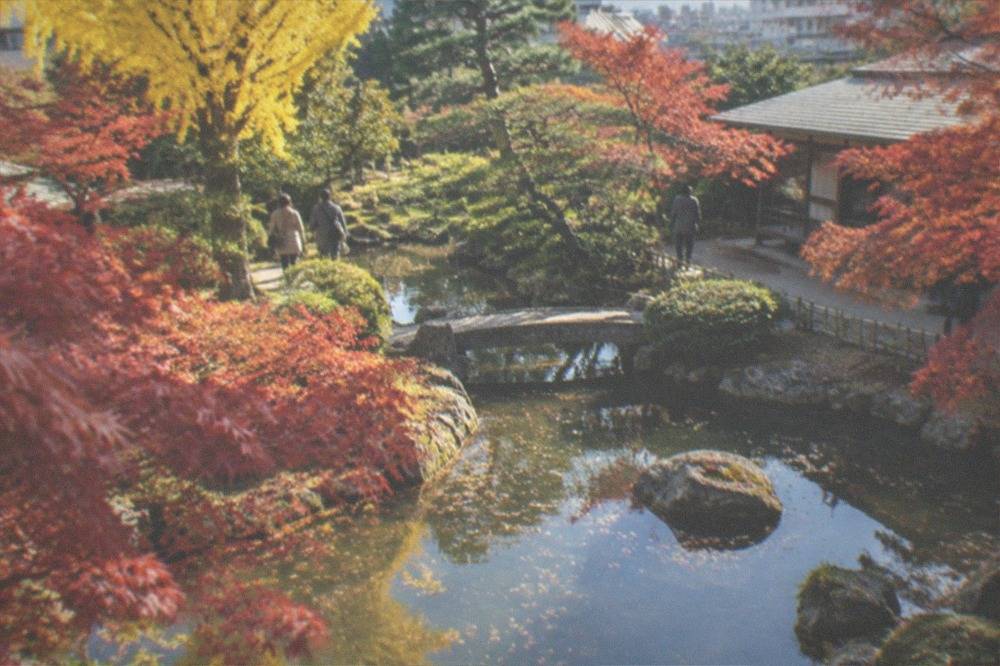
Evening colour is worth planning for too. Fukuoka Tower runs seasonal exterior illuminations through autumn, including a moon-viewing motif in mid-to-late September and a Christmas tree theme from early November into December, so a tower visit in late November pairs a lit skyline with the last of the daylight colour. Tower admission is ¥1,000 for adults, ¥500 for elementary and junior high students and ¥200 for children four and over, with hours 9:30 to 22:00 and last admission at 21:30.
A question worth asking before you lock the itinerary: is Fukuoka worth visiting in November covers the month's case in full, and the general best time to visit Fukuoka page puts November against the rest of the calendar.
Day Trips for Autumn Colour: Dazaifu, Yanagawa and Beyond
Dazaifu is the best November day trip for leaves, with the Komyozenji moss garden's maples peaking mid-to-late November and the shrine approach at its most photogenic. Yanagawa adds canal boats and late colour. For a full-day commitment, Mount Aso, Takachiho Gorge and the Beppu and Yufuin circuit all deliver bigger scenery, with tours from roughly $48 to $58 per person.
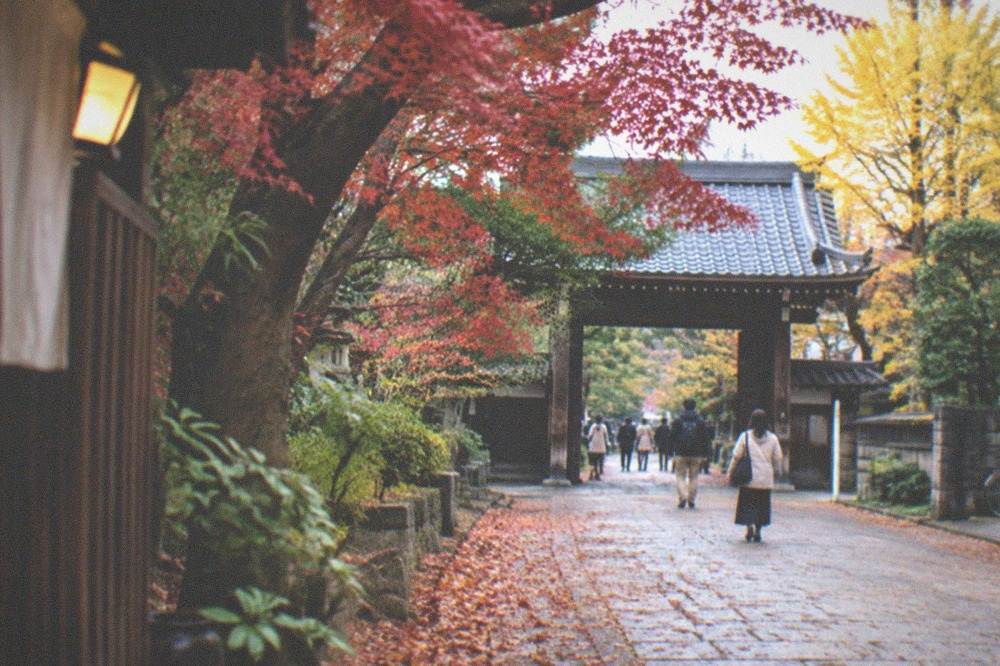
Dazaifu Tenmangu, the head shrine of Tenjin worship across Japan, sits at the end of a shopping approach lined with umegae mochi stalls, and in November the whole stretch sits under turning trees. The shrine itself charges no entrance fee, and its grounds hold their colour into late November. Next door, Komyozenji's moss garden with its maples is the single most photographed autumn scene in the area, though interior access can vary, and nearby Kamado Shrine is the reliable fallback with strong maples and ginkgo. The Kyushu National Museum is also on the same site if rain interrupts the leaf walk.
Getting to Dazaifu is a Nishitetsu train ride from Tenjin with a transfer at Futsukaichi. There is no JR service to the Dazaifu area, so the Nishitetsu line is the route, and combined sightseeing tickets that bundle the round trip with an umegae mochi voucher are sold at Nishitetsu Fukuoka station. This is a half-day to three-quarter-day trip, not a full day, which leaves room for a second stop.
For bigger autumn scenery, the long-day tours out of Fukuoka are the efficient option, because the best colour sits one to two hours from the city and public transport to places like Takachiho Gorge is slow. The Takachiho Gorge and Amaterasu Railway tour, from $48 per person and rated 4.8 from 713 reviews, runs about 11 hours and includes an optional boat ride on the gorge water below the cliffs. The Mount Aso and Takachiho combination, from $48 and rated 4.7 from 674 reviews, adds volcano grasslands to the same region.
The Yufuin no Mori train is a different flavour of day trip: a sightseeing train through rural Kyushu paired with Dazaifu on a combined tour from $70 per person, rated 4.7 from 54 reviews. Yufuin in late November is cold, atmospheric and gold-toned, and the reserved-seat train is an experience in itself.
| Day trip | Autumn draw | Time needed | Tour option from |
|---|---|---|---|
| Dazaifu and Komyozenji | Moss garden maples, shrine approach | Half to three-quarters of a day | Self-guided by Nishitetsu train |
| Yanagawa | Canal boats, riverside colour | Half day | Combine with Dazaifu |
| Takachiho Gorge | Cliff-lined gorge, optional rowing boat | Full day, about 11 hours | From $48 per person |
| Mount Aso | Volcano grasslands, onsen towns | Full day, about 10 hours | From $48 per person |
| Yufuin and Beppu | Onsen towns, hells springs, rural train | Full day | From $48 to $70 per person |
More options, including Itoshima's coast and Kitakyushu, are laid out in the site's Kyushu regional overview.
November Weather and What to Pack
November in Fukuoka averages 18.2°C daily highs, 10.6°C overnight lows and 91.4 mm of rain across the month, per the JMA 1991-2020 normals. That is cool, mostly comfortable walking weather: light layers for midday, a proper jacket for evenings, and a compact umbrella because rain is regular but not constant. The month is calmer than summer, with no tsuyu and the typhoon season, which runs roughly July to October, winding down.
The numbers come from the Japan Meteorological Agency's 1991-2020 normals for the Fukuoka observation station, which is the dataset every claim in this section rests on. November is one of the drier months of the year here, at 91.4 mm, and it banks 137.3 sunshine hours. Compare that with July, which at 299.1 mm is actually Fukuoka's wettest month, ahead of June's 249.6 mm even though June is the tsuyu rainy season, a detail most guides get backwards.
Packing for leaf season is straightforward. Days start around 10°C and peak near 18°C, so a mid-layer plus a windproof outer covers everything, and the leaf spots involve a lot of standing still for photos, which is when you feel the cold. Comfortable shoes matter more than anything else: the Ohori loop, the castle walls, the Dazaifu approach and any gorge walk add up to a full day on your feet. Rain in late November tends to come in short spells rather than all-day soaks, and a wet morning often clears into the best photographic light of the trip.
| November figure (JMA 1991-2020 normals) | Value |
|---|---|
| Mean daily temperature | 14.2°C |
| Mean daily high | 18.2°C |
| Mean daily low | 10.6°C |
| Rainfall | 91.4 mm |
| Sunshine hours | 137.3 |
The full monthly breakdown is in the site's Fukuoka weather guide, and the seasonal context is in Fukuoka in autumn.
The November Kyushu Basho: Sumo and Leaf Season Overlap
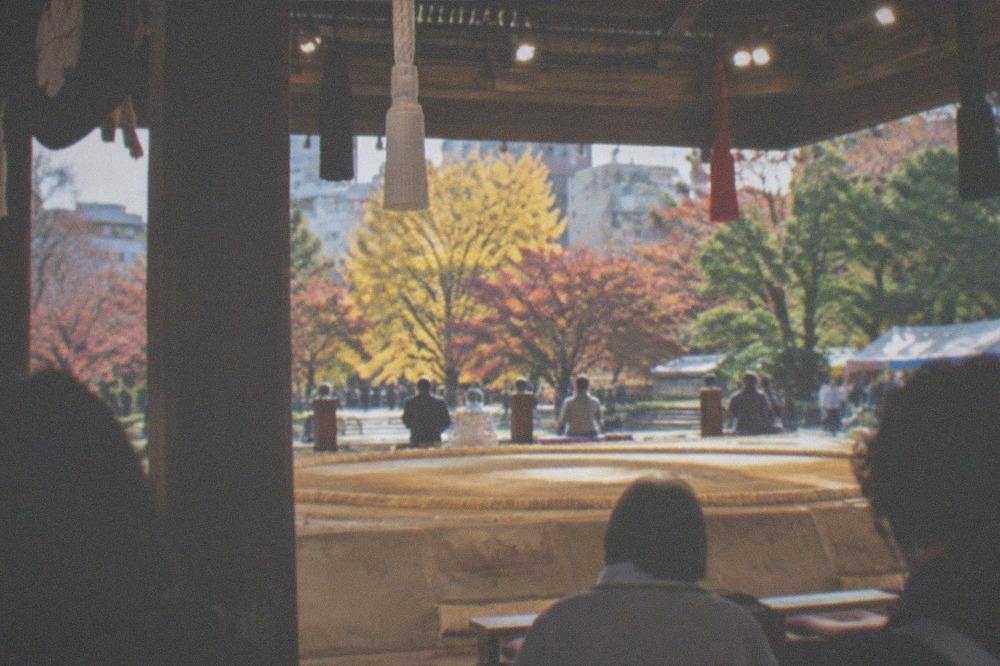
The Kyushu Basho, one of professional sumo's six annual tournaments, is staged in Fukuoka every November and it is the only time competitive sumo happens in the city. Tickets sell out for the top-division days in the second half of the month, which is exactly when the leaves peak, so November is the one month where a Fukuoka trip can genuinely pair a morning of maples with an afternoon of sumo.
The tournament runs across roughly two weeks at the Fukuoka Kokusai Center in Hakata ward, with the highest-ranked wrestlers appearing in the final days. Morning practice viewing and stable visits run at other times of year, but the basho itself is November-only, and a viewing tour with a guide and reserved seating is the least stressful way in for a first-timer. The Kyushu Grand Sumo Tournament Viewing Tour runs about four hours from $112 per person, rated 4.5 from 4 reviews, and the 2026 edition viewing tour is from $87 per person, rated 4.8 from 13 reviews.
The practical fit with a leaf itinerary is better than it first looks. Tournament sessions run into the evening, so the standard day writes itself: castle walls or Ohori in the morning, Dazaifu or a garden at midday if you move fast, and the arena in the late afternoon. If the basho is the priority, book it before you book the hotel, because the good seats go first and the leaf spots do not require tickets at all.
The wider sumo picture in the city, including the November tournament's history and the practice options for the rest of the year, is covered in the site's Fukuoka sumo guide.
Food, Yatai and Evening Walks in Leaf Season
Fukuoka has about 100 licensed yatai food stalls, more than any other Japanese city, and a city ordinance requires every stall to post its prices visibly, with no "market price" items, so an evening at the stalls is transparent as well as atmospheric. In November the stalls are at their most comfortable: the summer humidity is gone, the nights are cool rather than cold, and the riverside rows in Nakasu sit near the leaf-lit streets of the city centre.
The three main yatai areas each have a character. Nakasu, along the Naka River by Seiryu Park, is the photogenic riverside row and the most tourist-facing. Tenjin's stalls are scattered along Watanabe-dori and Showa-dori, with an after-work, office-crowd vibe. Nagahama, near the old fish market, is the traditional ramen row. Stalls typically set up from around 17:00 and open from roughly 18:00 into the small hours, and because they close for rain and at the operator's discretion, no night is guaranteed. The stalls take walk-ins; you cannot book a seat at a yatai, and you do not need to.
The yatai are also the warm end of a November food day. The city's cold-weather dishes, motsunabe, the beef offal hot pot, and tonkotsu ramen from the Hakata tradition, are exactly what the month calls for, and mentaiko and goma-saba make good izakaya orders. For structure, a guided crawl solves the language barrier at the stalls, and the evening tours category covers yatai, izakaya and karaoke combinations from $99 per person.
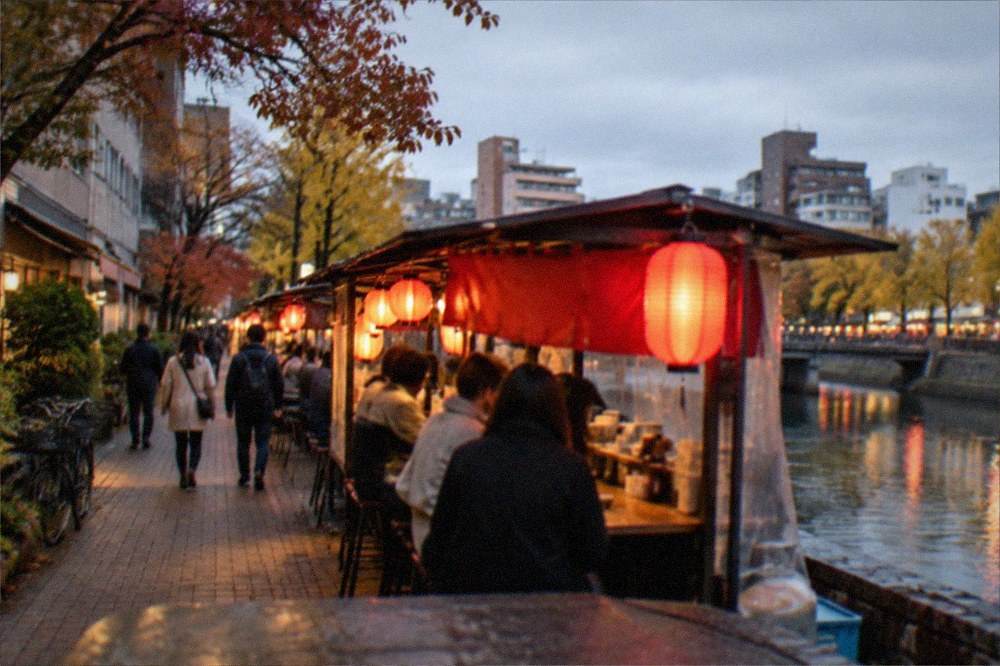
The full stall-by-stall picture is in the site's Fukuoka yatai guide, and the wider eating landscape is in the Fukuoka food guide. For evenings beyond food, the Fukuoka nightlife page covers the bars of Daimyo and the Nakasu districts.
Getting Around in November: Passes and Practical Transport
The Fukuoka Tourist City Pass costs ¥2,500 for adults for one day of unlimited subway, bus, train and ferry travel, or ¥2,800 for the version that adds Dazaifu, and it is restricted to overseas tourists on a short-stay visa with a passport check at the counter. Subway single fares run ¥210 to ¥380 by distance, and a one-day subway pass is ¥640. Most competing guides still quote the old pass prices, which are years out of date.
The pass detail matters because it is the single most commonly misquoted figure in Fukuoka travel content. The official prices, published on the city's own tourism pass page, are ¥2,500 for the Fukuoka City version and ¥2,800 for the City plus Dazaifu version, with children at half price. The Dazaifu liner bus Tabito is excluded even from the Dazaifu version, and the digital app version is currently restricted to visitors from South Korea, Taiwan and Thailand, so most travellers buy the paper pass at the airport, Hakata Bus Terminal or the Tenjin and Hakata subway customer centres.
For leaf-spotting specifically, the subway covers most of what you need. The airport line runs Meinohama to Fukuoka Airport through Ohori Park and Tenjin, and the fare from the airport to Hakata station is ¥260, within the official 3 to 7 km band. The airport is unusually close to the city centre, which is true and sourced, though the widely repeated journey time in minutes is not verified on any official page, so treat the fare as the fact and the closeness as the takeaway. There is no JR Fukuoka station: the main rail hub is Hakata, and Hakata is a ward of Fukuoka, the same city, not a separate destination.
| Ticket | Adult price | What it covers |
|---|---|---|
| Subway single fare | ¥210 to ¥380 by zone | One ride, all three subway lines |
| Subway 1-day pass | ¥640 | Unlimited subway on the day of use |
| Nishitetsu bus 1-day pass | ¥1,200 | Unlimited city buses, plus attraction discounts |
| Fukuoka Tourist City Pass | ¥2,500 | Subway, Nishitetsu, some JR, ferries; passport required |
| City Pass with Dazaifu | ¥2,800 | Adds Nishitetsu coverage to Dazaifu; Tabito liner excluded |
The full transport picture, including IC cards and the JR Kyushu rail pass for longer Kyushu loops, is in the site's getting around Fukuoka guide, and arrival logistics are in Fukuoka Airport to the city.
Where to Stay for a November Leaf Trip
Hakata station area is the practical base for a November trip: it sits on the subway airport line, the Nishitetsu line toward Dazaifu, and the JR hub for day trips, and the leaf spots at Ohori and Maizuru are a few stops away. Tenjin suits travellers who want the food and bar scene on foot, and Nakasu puts the yatai rows and the night atmosphere outside the door. All three work for the sumo tournament, which is staged in Hakata ward.
The honest trade-off is convenience against atmosphere. Hakata wins on transit, especially if the Kyushu Basho or a long day tour is on the itinerary, since most guided day trips depart from around the station. Tenjin wins for evenings, with Daimyo's bars and the underground mall in walking distance, and it is the Nishitetsu departure point for Dazaifu. Nakasu is the smallest area of the three but the most atmospheric in November, with the riverside yatai row lit from early evening.
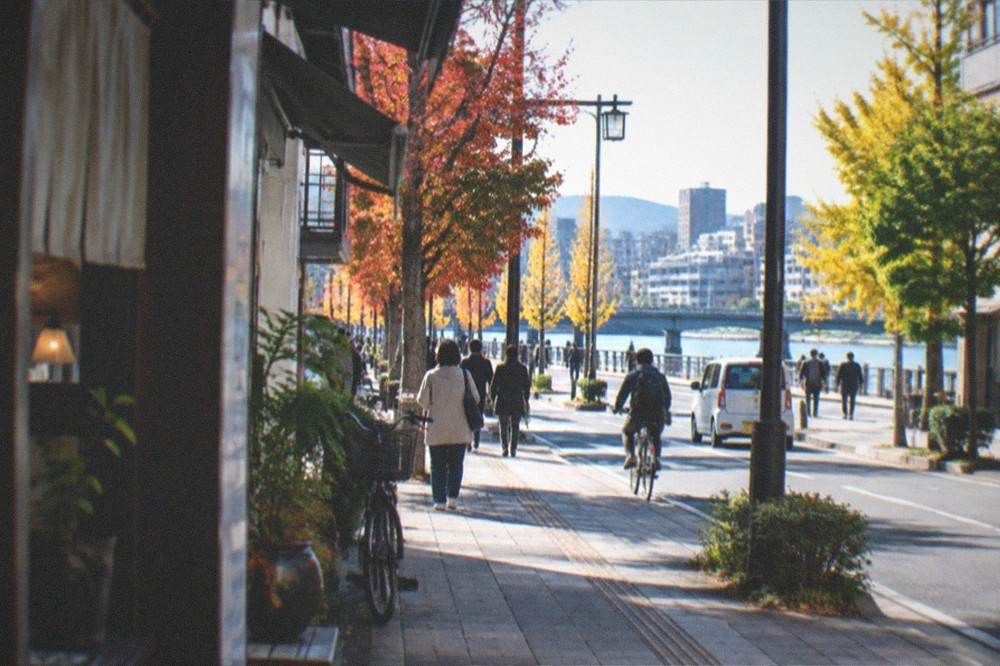
For a first visit, the site's where to stay in Fukuoka guide compares the districts in detail, and the Fukuoka Airport page covers arrival day logistics.
Common Questions About Autumn Leaves in Fukuoka
What To Do In Fukuoka In November For Autumn Leaves?
Walk Maizuru Park's castle walls and Ohori Park's lake loop in the city, visit the Ohori Park Japanese Garden for concentrated maples, day-trip to Dazaifu and the Komyozenji moss garden, and catch the Kyushu Basho sumo tournament, the only month competitive sumo is staged in Fukuoka. Cap the evenings at the yatai stalls in Nakasu or Tenjin.
When do autumn leaves peak in Fukuoka?
Citywide colour typically peaks from mid-to-late November into early December, with parks like Ohori and Maizuru holding their leaves longest. Around Dazaifu and Komyozenji, the peak window is mid-to-late November. Fukuoka turns later than most of Honshu, which makes it a strong late-season destination.
Is November a good time to visit Fukuoka?
Yes. November averages 18.2°C daily highs and 91.4 mm of rain, making it one of the drier, more comfortable walking months of the year, and it combines peak leaf colour with the Kyushu Basho sumo tournament. The typhoon season, which runs roughly July to October, is winding down by then.
Where are the best autumn leaf spots in Fukuoka?
Maizuru Park and the Fukuoka Castle ruins, Ohori Park and its Japanese Garden, Nishi Park on the hillside, and Atago Shrine in the city, plus Dazaifu, Komyozenji and Kamado Shrine on the day-trip circuit. Note the castle's Tenshudai, the main keep base, is closed to entry until the end of December 2026 for an excavation.
How much does a November trip to Fukuoka cost per day?
The leaf spots themselves are cheap: the castle grounds, Ohori Park, Nishi Park and Atago Shrine are free, and the Ohori Japanese Garden is ¥250. A one-day subway pass is ¥640, and the Fukuoka Tourist City Pass is ¥2,500 with a passport check. Guided day tours into Kyushu run from roughly $48 per person.
Can you see sumo in Fukuoka in November?
Yes, and November is the only month it happens. The Kyushu Basho, one of professional sumo's six annual tournaments, is staged in Hakata ward every November, and guided viewing tours with reserved seating run about four hours from $87 to $112 per person.