Busan from Fukuoka by Ferry
Regular international ferries cross the Genkai Sea between Hakata Port and Busan. This guide covers reaching the terminal, the paperwork, the crossing itself, when to sail, and what to do if you stay on the Fukuoka side instead.
Short answer
Direct international ferries run from Hakata Port in Fukuoka across the Genkai Sea to Busan. The subway covers the city for ¥210 to ¥380 a single ride, and the airport leg to Hakata Station costs ¥260. Fares, cabin classes and sailing times are set by the operators and move with the season, so confirm the current schedule with the operator before you plan around it.
About 4.3 million foreign entrants passed through Fukuoka Airport and Hakata Port in 2025, a two-year record for the city, and a real share of the port's business is not cruise ships. It is the scheduled international ferry trade with Busan. Fukuoka sits on Hakata Bay, on the Genkai Sea side of northern Kyushu, and the water on the far side of that bay is what every sailing to Korea has to cross. A city of 1,663,892 people, growing faster than any other designated city in Japan, keeps a working international port a few subway stops from its main station, which is unusual anywhere and close to unique in Japan.
How Do You Get from Fukuoka to Busan by Ferry?
You take a regularly scheduled international ferry from Hakata Port, on the city's bay side, across the Genkai Sea to Busan. Hakata is a ward of Fukuoka and the name of its main rail station, not a separate city, so reaching the port never means leaving Fukuoka. The terminal sits inside the city, connected by subway, bus and taxi, and the crossing ends at a ferry terminal on the Korean side.
The route is one of the few international ferry links Japan still runs at scale, and it exists because of geography. The Genkai Sea between Kyushu and the Korean peninsula is at its narrow and workable here, which is the same reason Fukuoka grew into a port town a thousand years before it grew into a tech city. The crossing is a genuine border crossing: you leave Japan through departure control at Hakata Port and enter South Korea on arrival, so the paperwork is the same as at an airport, just with more deck space.
Tickets are sold by the ferry operators themselves and through travel agents, in cabin classes that range from simple reclining seats to private berths. Prices move with the season and the cabin type, and no guide can honestly quote you a single figure, because the operators do not publish one price. Book directly with the operator or an agent you trust, and read what the ticket actually includes: some fares cover meals, others do not.
Where Does the Ferry Leave from and How Do You Reach the Port?
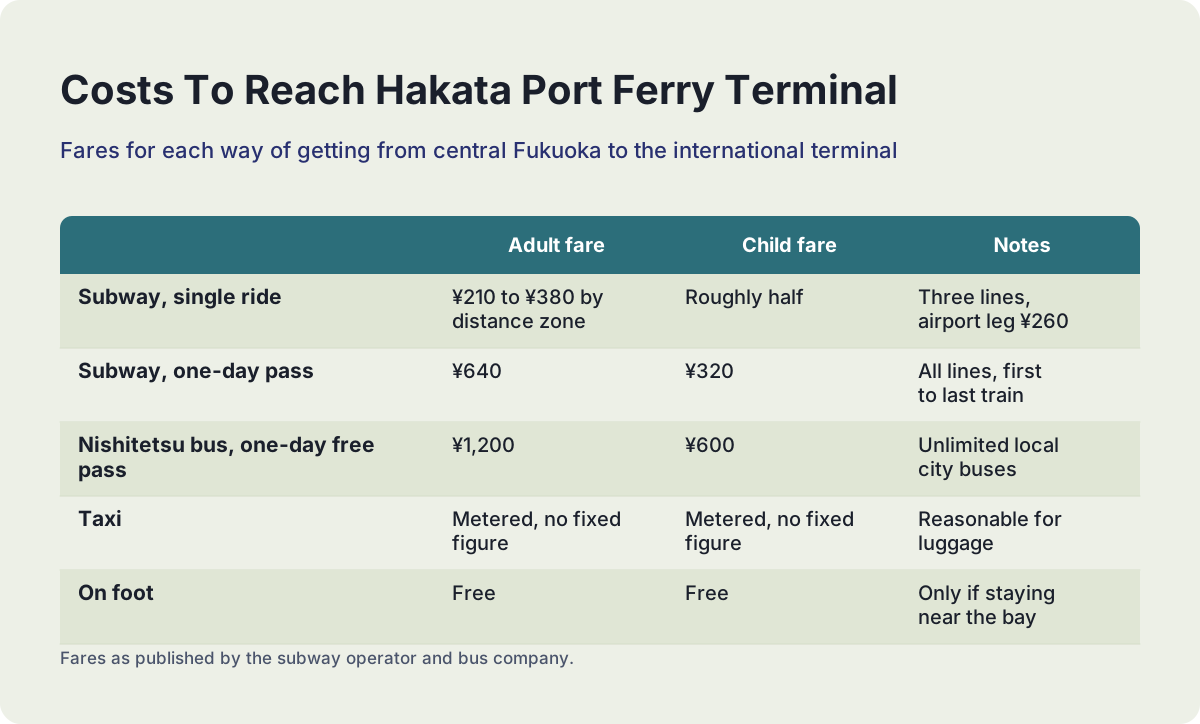
The international ferry terminal sits at Hakata Port on Hakata Bay, within the built-up city and a short subway ride from the centre. A single subway fare runs ¥210 to ¥380 depending on distance, the airport leg to Hakata Station costs ¥260, and a one-day subway pass is ¥640. Buses and metered taxis cover the rest, and the port is signposted from the terminal stations.
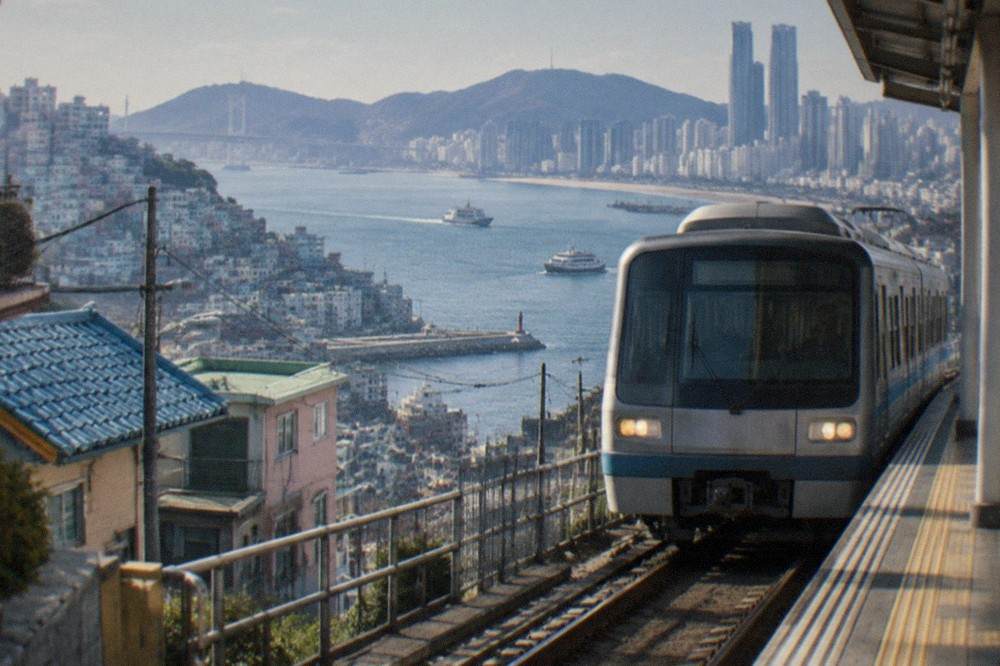
The subway is the method that never lets you down. Three lines cross the city, the Airport line runs from Meinohama on the bay side out to Fukuoka Airport, and the fare table is published by the operator in plain distance bands, from ¥210 for up to three kilometres to ¥380 beyond nineteen. The full bands are on the official subway fare page, and the airport-to-Hakata leg sits in the 3 to 7 km band at ¥260. Fukuoka Airport is unusually close to the city centre by international standards, which is why the subway handles the transfer so easily, though a journey time in minutes is something no official page states and this guide will not guess at.
If you are flying in specifically to sail out, the layout works in your favour: the airport, the station and the port all sit on the flat bay side of the city rather than sprawled across it. Our page on arriving at FUK and reaching the city covers the arrival side in detail, and the shorter answer to the airport-to-Hakata leg is in how you get from Fukuoka Airport to Hakata. For everything beyond the port run, the getting around Fukuoka guide compares the subway, the buses and the passes honestly.
| Way to the port | What it costs | What to know |
|---|---|---|
| Subway, single ride | ¥210 to ¥380 adult by distance zone | Three lines, airport leg ¥260; children roughly half |
| Subway, one-day pass | ¥640 adult, ¥320 child | Valid all lines, first train to last train on the day |
| Nishitetsu bus, one-day free pass | ¥1,200 adult, ¥600 child | Unlimited local buses in the city, discounts at some museums |
| Taxi | Metered, no fixed figure | Reasonable for luggage; confirm the fare structure on boarding |
| On foot | Free | Only practical if you stay near the bay side of Hakata ward |
Some travellers arriving at FUK prefer to remove the transfer question entirely and book a driver for the arrival leg. A private airport arrival transfer style option also exists as a bookable product.
Among the options above, the private arrival transfer is the one that slots into a ferry plan most cleanly: it runs from the international terminal to your city accommodation, costs from $149 per person, is rated 5 from 2 reviews, and takes 30 minutes to an hour. For a family with cases, or anyone landing late the day before a morning sailing, it removes the only genuinely fiddly leg of the trip.
What Do You Need to Sort Out Before Boarding Day?
You need a valid passport, your ticket confirmation, and enough time at the terminal to clear Japanese departure control before check-in closes. The cut-off times are set by each operator and printed on the ticket, not by the port, so the single most common mistake is arriving on the sailing time rather than the check-in time. Luggage rules and cabin assignments also come from the operator, not the terminal.
Because this is a border crossing by sea, the documents are the same as at an airport. Your passport needs to be valid for the whole trip, and Korean entry rules depend on your nationality, so confirm those with the official Korean immigration authority rather than with a blog, including any visa or authorisation requirement that applies to you. Print the ticket confirmation or keep it reachable on your phone with battery to spare, because terminals are not the place to be hunting an email.
The terminal routine is straightforward. You check in, drop large bags if the service allows it, pass through departure control, and wait in a departures hall that is smaller and calmer than any airport equivalent. Give yourself more margin than the operator's minimum, especially in peak holiday weeks when the sailing is full and every queue is longer than usual. If you are prone to seasickness, buy remedies in the city beforehand: the terminal shops are limited and the pharmacy options on board are thinner still.
| Before you sail | Why it matters | Where it is settled |
|---|---|---|
| Passport validity | The crossing is an international border | Your own passport, checked at both ends |
| Ticket confirmation | Cabin class and boarding rights | Printed or on your phone |
| Check-in cut-off | Missing it forfeits the sailing | Stated on the ticket by the operator |
| Luggage allowance | Large bags may be stored separately | Operator's booking terms |
| Seasickness remedies | Onboard options are thin | City pharmacies before arrival |
| Cash and cards | Terminal and onboard spending | Small amounts of yen and won both work |
Weather cancellations are the other thing worth planning for. Typhoon season runs roughly July through October, and sailings in that window are the ones most likely to be delayed or scrubbed. If the sea closes on your departure day, the city absorbs a lost day well: the rainy day itinerary is built exactly for weather that ruins a plan, and museums, arcades and covered shopping streets fill the gap without a ferry ticket in sight.
And if you decide the crossing itself is more border procedure than holiday, there is a reasonable argument for spending the same days inside Hakata Bay instead, on water that never asks for a passport.
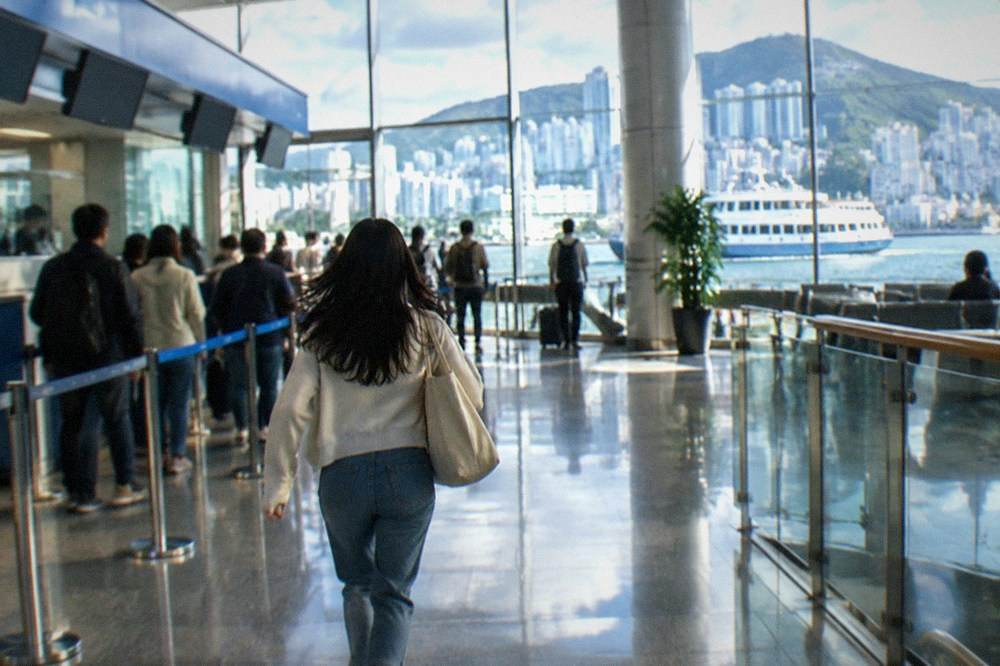
What Is the Crossing Itself Like?
The crossing is a night at sea or a day at sea, depending on the service, with cabin classes from reclining seats to private rooms. The Genkai Sea is open water and moves in weather: summer brings typhoon swells and spring brings calmer, hazier conditions. Views run from the Fukuoka skyline receding over Hakata Bay to nothing but sea, then the Korean coast on approach.
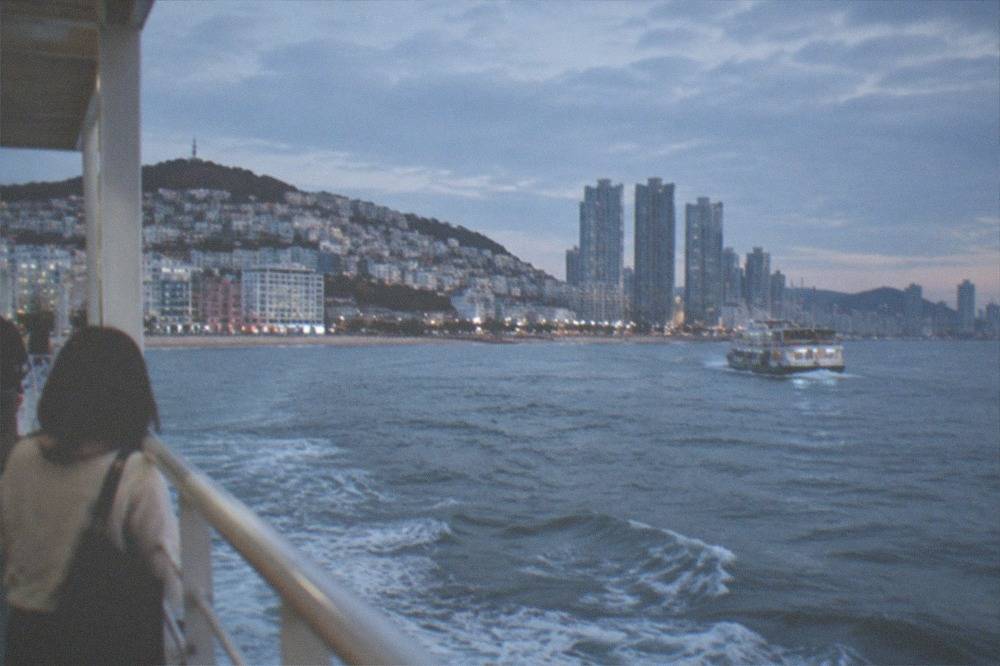
The honest way to describe the sailing is as two different products sharing one hull. A daytime crossing is transport: you find a seat, you watch Kyushu drop below the horizon, you eat whatever the service offers, and Korea arrives while you still have daylight to read the skyline. An overnight sailing is closer to a small hotel: you get a berth, you sleep through the middle of the sea, and you step off in Busan ready for a full day rather than recovering from one.
Cabin class is where the money goes. A reclining seat is fine for a calm night and miserable in a swell; a private cabin costs more and is worth it if you sleep badly, travel as a family, or simply want a door that locks. Deck access is usually generous, and the open-air decks are the part of the journey an airplane cannot sell you at any price: the Genkai Sea from water level, with the spray and the horizon doing the work.
| Aspect | Day sailing | Overnight sailing |
|---|---|---|
| Time on board | Daylight hours only | Evening to morning |
| Sleep | None needed | Reclining seat or private cabin |
| Meals | One or two onboard services | Evening and morning services |
| Arrival state | Tired but awake | Slept, showered, ready to move |
| Best for | Short visits, confident sailors | First-time visitors, families, luggage-heavy trips |
Sea state is the wildcard. The Genkai Sea is a genuine sea, not an inland passage, and a summer typhoon can push swell across the whole crossing a week after the storm itself has gone. Spring and autumn tend toward the calmer end, and the same water that is grey and rolling in July can be flat and bright in April. If the forecast looks poor, call the operator rather than trusting a weather app, because the operator is the one who decides whether the ship sails.
Should You Fly to Busan Instead?
Flying wins if speed is the only criterion; the ferry wins on luggage, on arriving rested, and on the experience itself. Fukuoka Airport handled about 28.4 million passengers in 2025, its second runway opened on 2025-03-20 at 2,500 m, and the short-hop international routes from FUK make the corridor genuinely competitive. What the plane cannot give you is a night on the Genkai Sea.
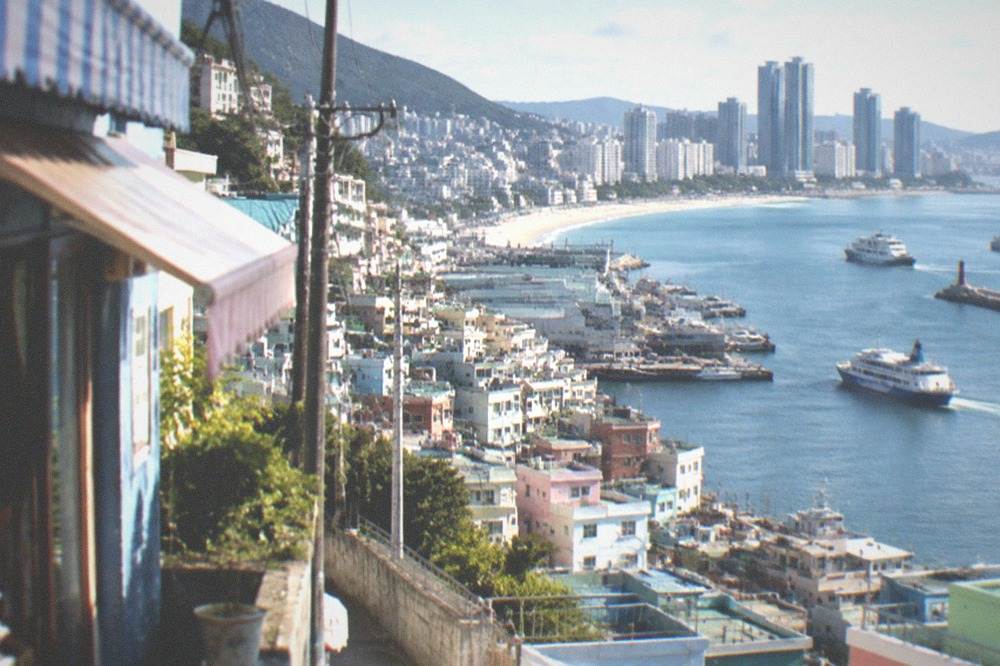
The airport side of the comparison keeps improving. The second runway, in service since March 2025, added capacity at a airport that was already the country's busiest outside the big three, and the terminal is famously close to the city it serves, a fact you can feel on the subway ride in at ¥260. For a two-day business hop to Busan, the arithmetic is blunt: a cabin at sea takes hours a seat in the air takes minutes, and no deck view changes that. More of these guides are collected on Fukuoka Japan Travel Guide.
But the ferry holds its ground for a particular kind of traveller. Luggage allowances on the ferries are typically far more generous than any economy airline's, which matters for anyone moving with a bicycle, a golf bag or a semester of belongings. The border procedures are the same at both ends, but the stress is not: a ferry terminal processes a few hundred people, not a planeload. And the crossing is the one part of the trip that is a memory rather than a transfer.
| Factor | Ferry from Hakata Port | Flight from FUK |
|---|---|---|
| Time in transit | Longer, includes a night at sea in some services | Short flight plus airport processing |
| Luggage | Generally the more generous allowance | Airline limits and fees |
| Border control | Small terminal, small queues | Standard airport processing |
| Arrival condition | Slept, fed, unhurried | Fast but compressed |
| The journey itself | Deck, horizon, sea air | Altitude and a window seat |
When Is the Best Time of Year to Make the Crossing?
Spring and late autumn are the best windows: late March brings the first cherry blossom to Fukuoka, and mid to late November brings autumn colour, both with relatively calm seas. July and August are the difficult months, because July is Fukuoka's wettest month at 299.1 mm against June's 249.6 mm, and typhoon season runs roughly July through October. Summer sailings happen constantly, but they are the ones to book with flexibility.
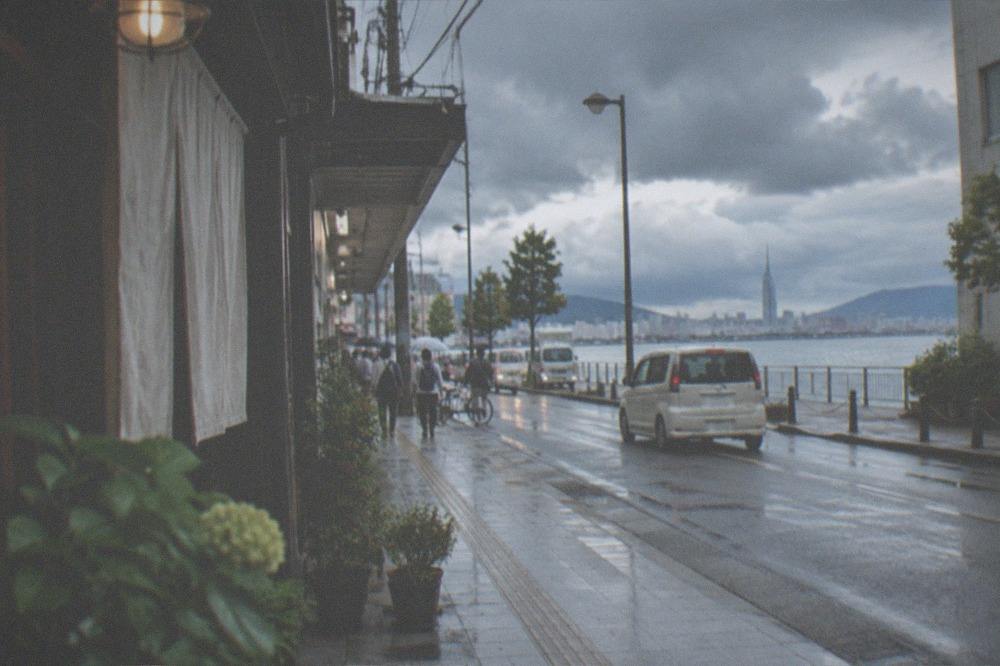
The climate data surprises people, and it is worth internalising before you plan. Everyone assumes June, the tsuyu rainy season, is the wet month to avoid; the Japan Meteorological Agency's 1991 to 2020 normals for Fukuoka say July is, at 299.1 mm of rain against June's 249.6 mm. July is also Yamakasa month, when the city's biggest festival runs from July 1 to 15, so the streets are full and the sea is at its moodiest in the same fortnight. August is actually hotter and drier than July, with 200.9 sunshine hours, the second sunniest month of the year after May.
| Month | Mean temp | Rainfall | Character for a sailing |
|---|---|---|---|
| March | 10.8°C | 103.7 mm | Late-month cherry blossom, cool decks |
| April | 15.4°C | 118.2 mm | Full bloom, mild, generally calm |
| July | 27.4°C | 299.1 mm | Wettest month, festival fortnight, typhoon risk |
| August | 28.4°C | 210.0 mm | Hot, humid, storm swell can linger |
| October | 19.6°C | 94.5 mm | Comfortable, tail of typhoon season |
| November | 14.2°C | 91.4 mm | Calm, dry, autumn colour on both coasts |
Cherry blossom adds a specific argument for late March. First bloom in Fukuoka typically comes in the final week of March, with full bloom at the end of the month into the first days of April, so a spring sailing can be timed to leave under blossom in Maizuru Park and arrive as Korea's own blossom season peaks. Our summer in Fukuoka guide covers the hot half of the year honestly, including what the festival fortnight does to hotel prices.
What If the Ferry Is Full, or You Would Rather Stay on the Fukuoka Side?
Hakata Bay itself is a genuine destination, and the best consolation prize in Japan. Shikanoshima sits at the mouth of the bay, Nokonoshima carries flower fields and a wagyu barbecue tour, Uminonakamichi runs a seaside park with a cash-only gate, and the evening city holds about 100 licensed yatai food stalls. None of it needs a passport, and much of it is visible from the ferry terminal you never boarded at.
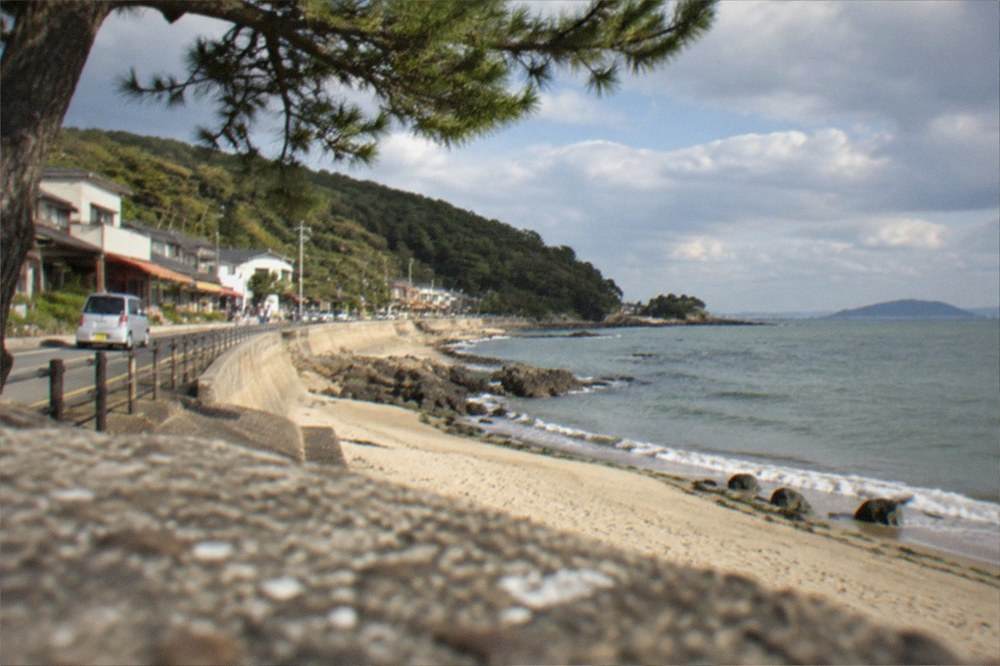
Start with the bay. Shikanoshima, the island at the head of the Uminonakamichi spit, is a proper half-day trip in its own right, reachable across the water the ferry never uses. The full menu of day trips from Fukuoka runs from Dazaifu's shrine town to the hot springs of Kurokawa, so a cancelled sailing is really a redirect, not a loss. What the bay offers that the ferry cannot is water you can see both sides of.
| Hakata Bay option | Entry cost | Notes |
|---|---|---|
| Shikanoshima island | Free to explore | Beaches and pine woods at the bay's mouth |
| Nokonoshima Island Park | Pay at the gate, no figure published | Flower fields over the sea; opening time varies by season |
| Uminonakamichi Seaside Park | Adult ¥450, 65+ ¥210, junior high and under free | Gate takes cash only; closes on selected Tuesdays |
| Marine World Uminonakamichi | Adult ¥2,500, junior high and elementary ¥1,200, age 3+ ¥700 | Hours vary by calendar date; check the official calendar |
Nokonoshima deserves its own paragraph, because it is the island the ferry passengers never look at. The Colors of Japan tour runs there from the city, pairs the island park with a wagyu barbecue, runs four to six hours, costs from $152 per person, and carries a rating of 5 from 17 reviews. It is the same bay-and-horizon experience the crossing sells, minus the immigration queue.
North rather than east is the other direction worth knowing. A day tour that runs from Fukuoka to Motonosumi Shrine, with its vermilion torii gates stacked along the cliff at Nagato, and on to the Kanmon Bridge and the Million-Dollar View, costs from $50 per person, is rated 4.7 from 37 reviews, and takes about nine hours. It crosses the strait between Kyushu and Honshu rather than the Genkai Sea, and it makes a tidy sibling trip to a Kitakyushu day trip, since the bridge is the thing you cross to get there.
Back in the city, the evening belongs to the yatai. About 100 licensed stalls operate across Fukuoka, concentrated in Nakasu, Tenjin and Nagahama, and a city ordinance actually requires every stall to display its prices clearly, with any market-priced dish showing that day's real price rather than a vague "market rate". It is the most protected street food scene in Japan, and the stalls sit within walking distance of the port side of the city, which makes a farewell bowl of tonkotsu ramen the easiest tradition on this page.
What Does the Fukuoka End of the Trip Cost?
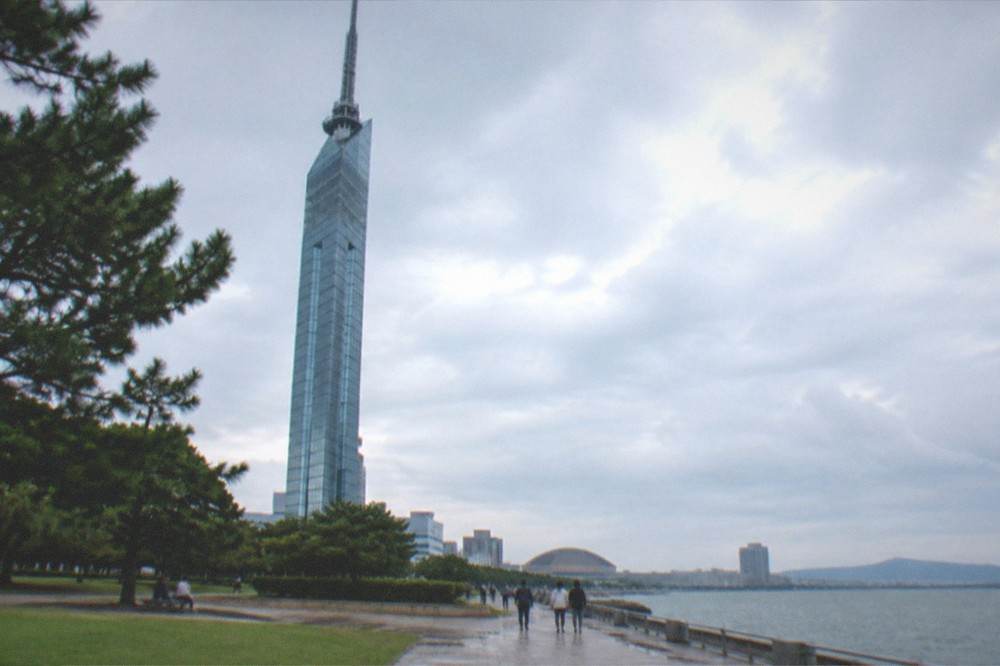
Counting the city side in yen: the subway day pass is ¥640, Fukuoka Tower costs ¥1,000 for adults with ¥500 and ¥200 child rates, both city art museums charge ¥200 or ¥150 for their collections, and the Ohori Park Japanese Garden is ¥250. The Fukuoka Tourist City Pass costs ¥2,500, or ¥2,800 with Dazaifu included, for overseas visitors with a passport check at the counter.
The Tourist City Pass is the item most guides get wrong, which makes it the one worth getting right. The verified prices are ¥2,500 for the city version and ¥2,800 for the version that adds Dazaifu, with child rates at ¥1,250 and ¥1,400, and the pass is restricted to overseas tourists on short-stay visas, with a passport checked at purchase. Plenty of competing pages still quote figures from years ago, so if you read a much lower number elsewhere, that page has not checked the operator. The official pass page is the source. One caveat: the Dazaifu liner bus called Tabito is excluded from the Dazaifu version.
| On the Fukuoka side | Adult price | Notes |
|---|---|---|
| Subway one-day pass | ¥640 | All three lines, all day |
| Fukuoka Tower | ¥1,000 | Elementary and junior high ¥500, age 4+ ¥200; closed 28 to 29 June 2027 |
| Fukuoka Art Museum, collection | ¥200 | High school and university ¥150, junior high and under free |
| Fukuoka Asian Art Museum, Asia Gallery | ¥200 | Building entry itself is free |
| Ohori Park Japanese Garden | ¥250 | Child ¥120; free for 65 and over |
| Fukuoka Tourist City Pass | ¥2,500 | ¥2,800 with Dazaifu; passport check applies |
Two free-admission notes finish the picture, both from the venues' own pages. The Fukuoka Asian Art Museum charges nothing to enter the building; only the Asia Gallery costs ¥200, and that gallery holds about 5,000 works from 23 Asian countries and regions, which makes it the most international room in the city without a ship involved. And the Fukuoka Castle grounds in Maizuru Park are free, though the Tenshudai keep base is closed from 2026-05-26 until the end of December 2026 while the city excavates the site of a keep that a document found in December 2024 suggests may never have been built.
Budget travellers should also read the Fukuoka on a budget guide, because the cheap side of this city is unusually good: free shrine grounds at Kushida, free temple interiors at Tochoji and Shofukuji, and a free 24-hours-a-day park at Ohori, with the paid items listed above as the optional extras rather than the backbone.
However you split your days between the two port cities, the ferry is what makes this itinerary different from every other Japanese one. You sail out of a living city, sleep or stare your way across a real sea, and wake up in another country with the same salt on the window.
Common Questions About the Fukuoka to Busan Ferry
How Do You Get From Fukuoka To Busan By Ferry?
Take a scheduled international ferry from the terminal at Hakata Port, inside the city of Fukuoka, across the Genkai Sea to Busan. Reach the port by subway, bus or taxi, clear Japanese departure control at the terminal, and arrive in Korea through arrival procedures at the Busan end. Hakata is the ward and station name, not a separate city, so the entire Japanese leg happens within Fukuoka.
How long does the ferry from Fukuoka to Busan take?
Sailing times depend on the operator, the vessel and the service type, with day and overnight crossings both operated on the route. No single honest figure covers every sailing, so confirm the current timetable with the operator when you book, and plan your Busan day around the arrival time they state rather than a general estimate.
Do you need a passport for the Fukuoka to Busan ferry?
Yes. The crossing is a full international border by sea, with Japanese departure control at Hakata Port and Korean entry procedures in Busan. Your passport must be valid for the trip, and Korean entry requirements depend on your nationality, so check your own status with the official Korean immigration authority before you buy a ticket.
Is the ferry cheaper than flying to Busan?
It depends on the season and the cabin class. Ferry fares vary by service type and berth, from reclining seats to private cabins, and airline fares vary by date and demand, so the two markets move independently. The ferry's financial edge usually shows up in luggage, where the sea allowance is typically far more generous than any economy fare's.
Can you do Busan as a day trip from Fukuoka?
Only if the day's sailing times line up, which they often do not. Day sailings can make a long day visit possible, while overnight services effectively force at least one night in Korea. Check the operator's timetable for your travel date before committing to a same-day return, and treat an overnight in Busan as the default plan.
What happens if the ferry is cancelled?
Cancellations are usually weather-driven, and typhoon season, roughly July through October, is when they concentrate. The operator rebooks or refunds according to its own terms, so keep the booking contactable, and expect the alternative sailing to be full if the whole schedule is disrupted. Fukuoka absorbs a lost day easily: the bay islands, the museums at ¥200 or less and the yatai stalls all work without a passport.