Rakusuien Garden
Rakusuien is a compact traditional Japanese garden tucked into the streets of Hakata, a short walk from Kushida Shrine. This guide covers what is inside, how to reach it by subway, what it costs, and whether it deserves a slot in a Fukuoka itinerary.
Short answer
Rakusuien Garden is a small, traditionally styled Japanese garden in Hakata, close to Kushida Shrine and the Kawabata shopping arcade. Admission is a modest gate fee, check at the entrance. Most visits last 30 to 60 minutes, making it an easy add-on to a Hakata old town walk rather than a destination in itself.
Rakusuien Garden sits a few minutes on foot from Kushida Shrine in the middle of Hakata, Fukuoka's oldest ward. It is one of the few places in the city centre where the noise of the shopping streets drops away entirely and the design language switches to ponds, moss, stone and a teahouse built in traditional style. For a city better known for tonkotsu ramen and yatai stalls, it is a surprisingly calm corner, and it costs very little to enter. This guide walks through what the garden contains, how to reach it, what to budget, and how to decide whether it belongs on your itinerary.
Where Is Rakusuien Garden and How Do You Get There?
Rakusuien Garden is in Hakata ward, roughly a five minute walk from Kushida Shrine and the Kawabata shopping arcade, and about ten minutes on foot from Hakata Station's Hakata exit. The nearest subway stations are Nakasu-Kawabata on the Hakozaki Line and Gion on the Kuko Line, both within easy walking distance. A single subway fare anywhere in the city centre costs between ¥210 and ¥380 depending on distance, so reaching the garden from almost anywhere downtown costs pocket change.
Hakata is a ward of Fukuoka, and Hakata Station is the city's main rail hub. That distinction matters here, because some guides treat Hakata and Fukuoka as separate places and send readers on imaginary cross-city journeys. Rakusuien is simply in the middle of Fukuoka's most historic district, surrounded by the temples, shrines and shopping arcades that make up Hakata old town.
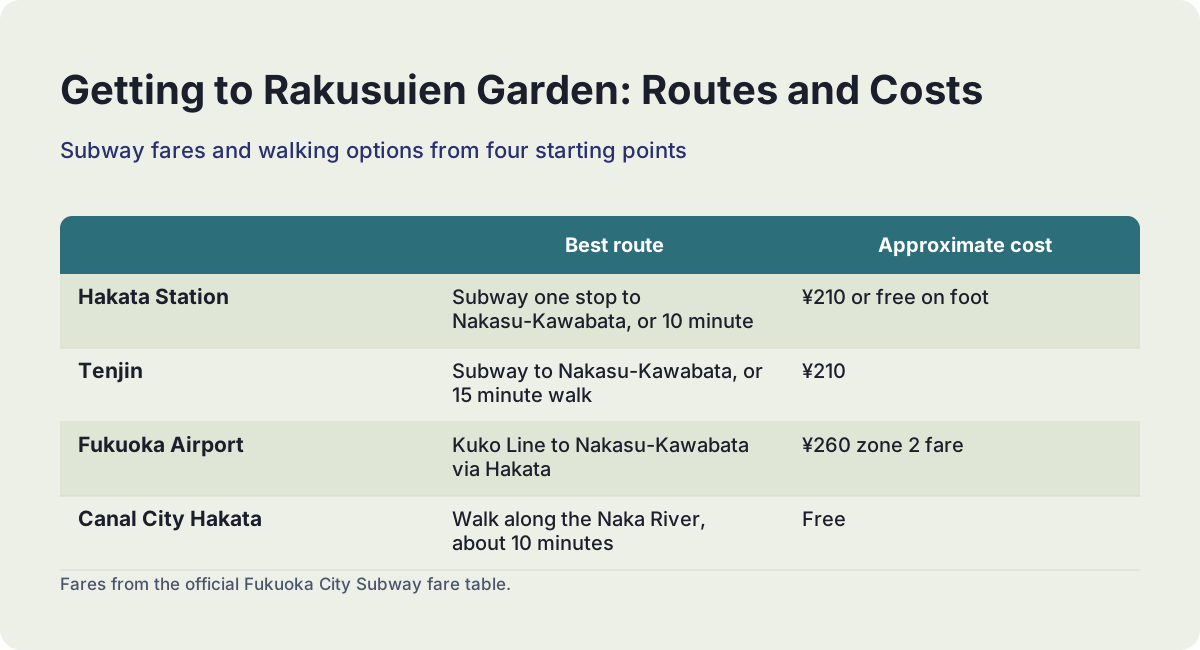
The subway is the practical way in. Fukuoka City Subway runs three lines, and the official fare table charges adults ¥210 for zone 1 (up to 3 km) rising to ¥380 for zone 6 (over 19 km), with children paying roughly half. Nakasu-Kawabata station sits on the Hakozaki Line, one stop from Hakata, and the garden is a short stroll from there through the arcade. If you are staying near Tenjin, the walk from Tenjin down to Kawabata takes about fifteen minutes and passes through some of the best eating streets in the city.
| From | Best route | Approximate cost |
|---|---|---|
| Hakata Station | Subway one stop to Nakasu-Kawabata, or 10 minute walk | ¥210 or free on foot |
| Tenjin | Subway to Nakasu-Kawabata, or 15 minute walk | ¥210 |
| Fukuoka Airport | Kuko Line to Nakasu-Kawabata via Hakata | ¥260 zone 2 fare |
| Canal City Hakata | Walk along the Naka River, about 10 minutes | Free |
The airport row deserves a note. Fukuoka Airport is unusually close to the city centre, and the subway fare from the airport into the central zone is a verified ¥260. No official timetable states a journey time in minutes, despite what many competing guides print, so budget by fare band rather than by a promised five minute ride.
What Can You See Inside Rakusuien Garden?
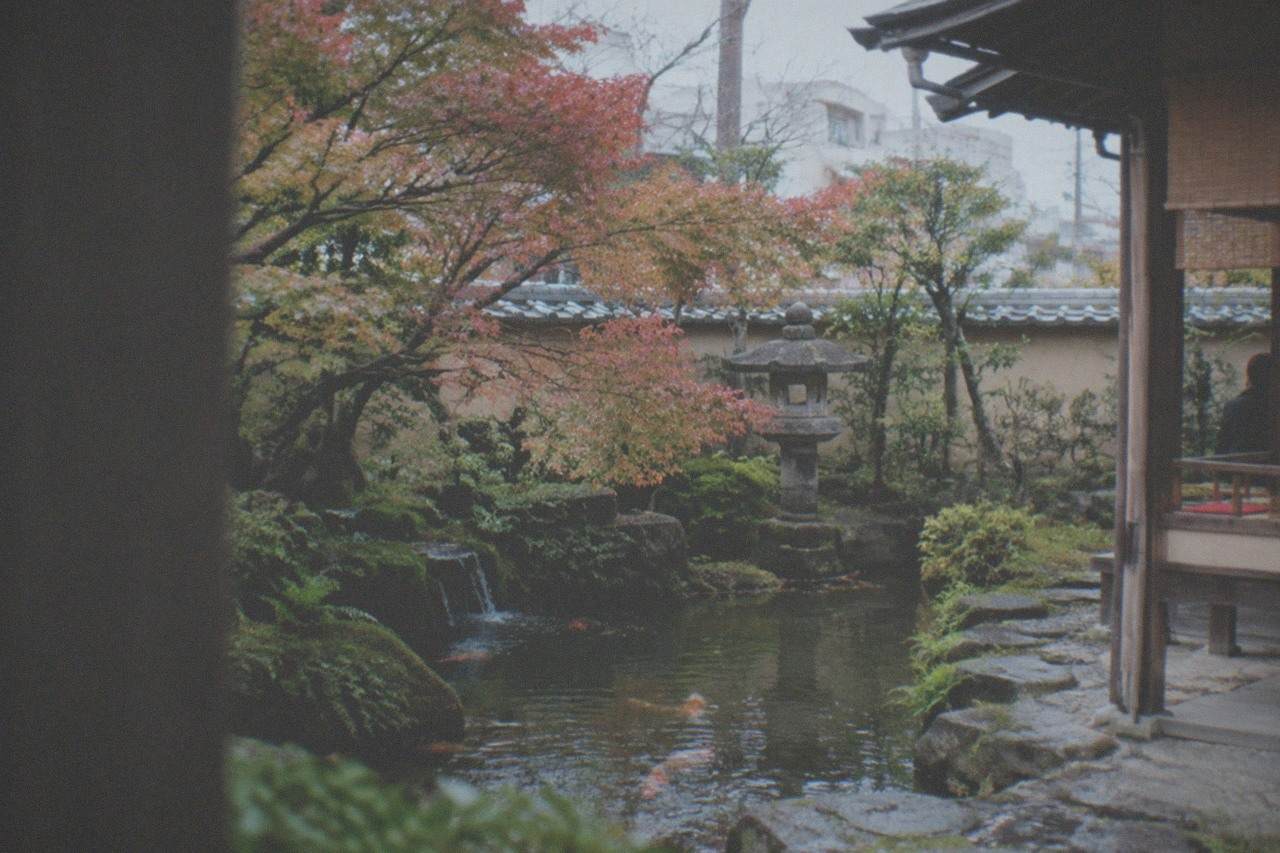
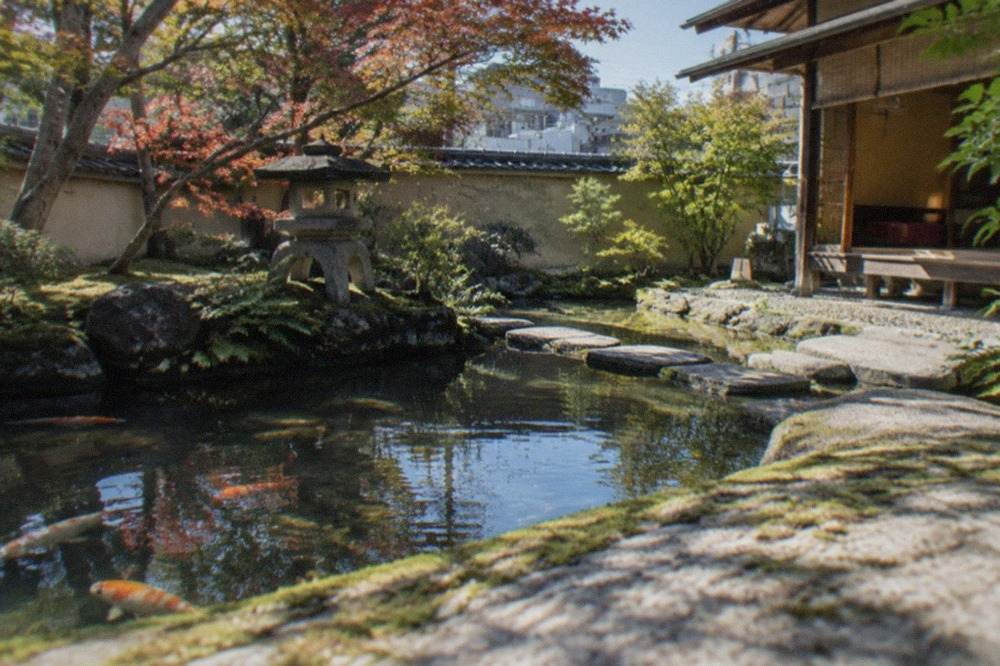
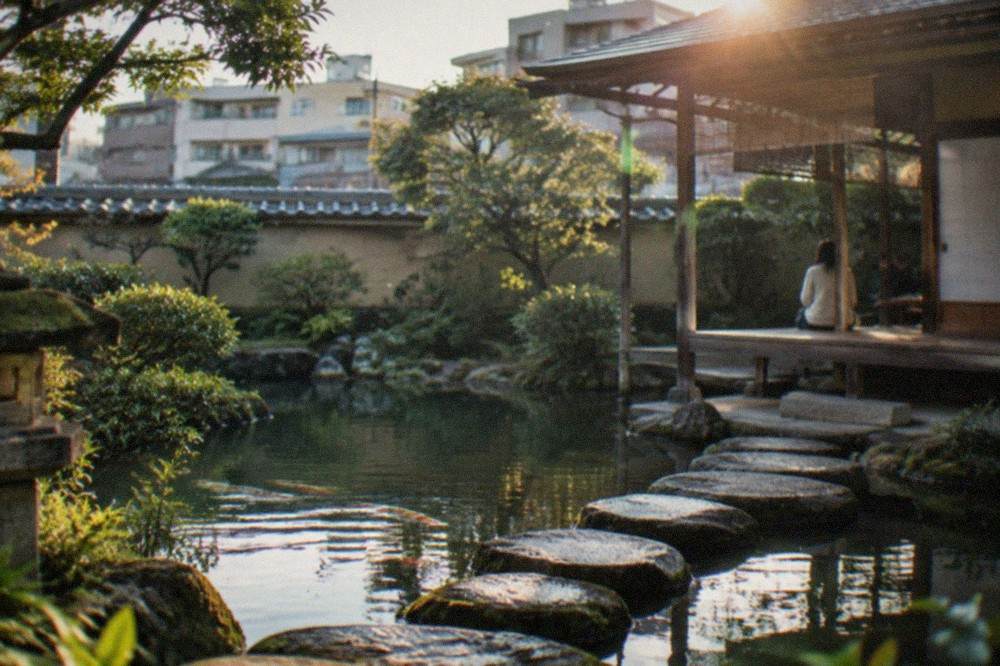
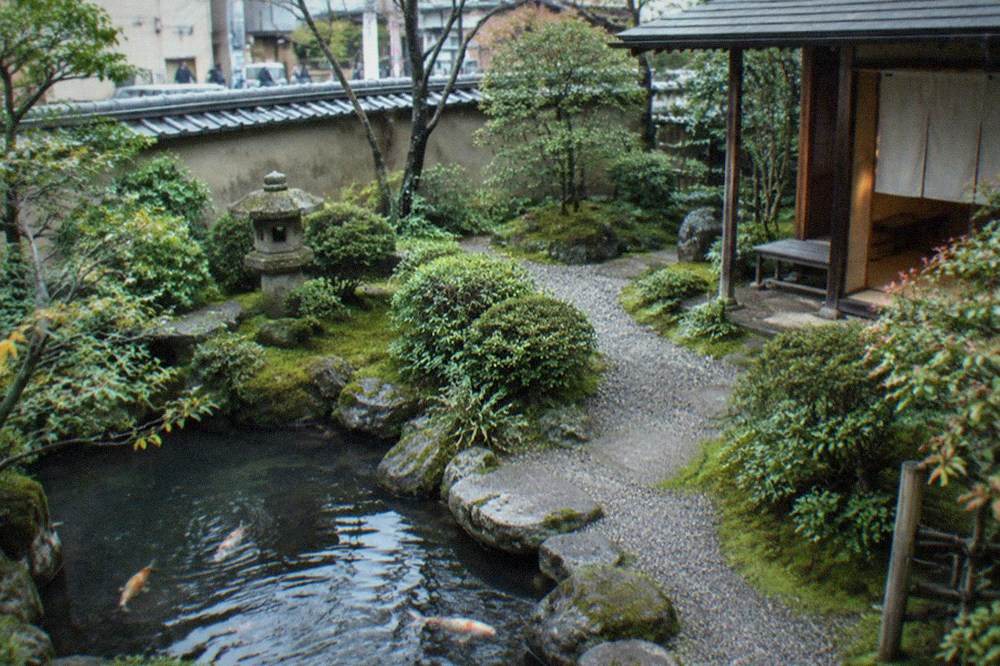
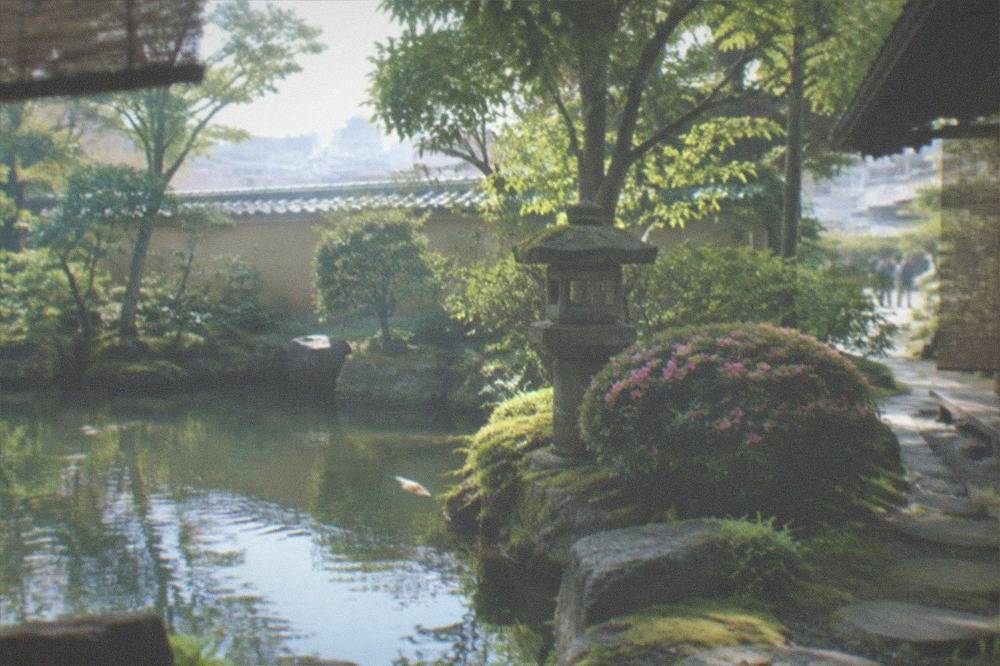
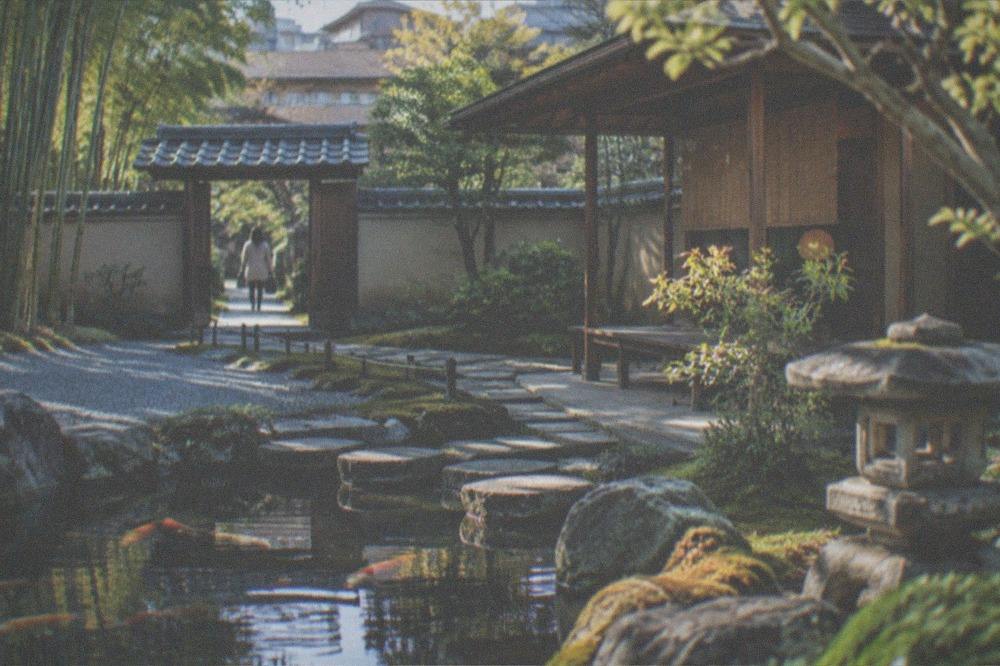
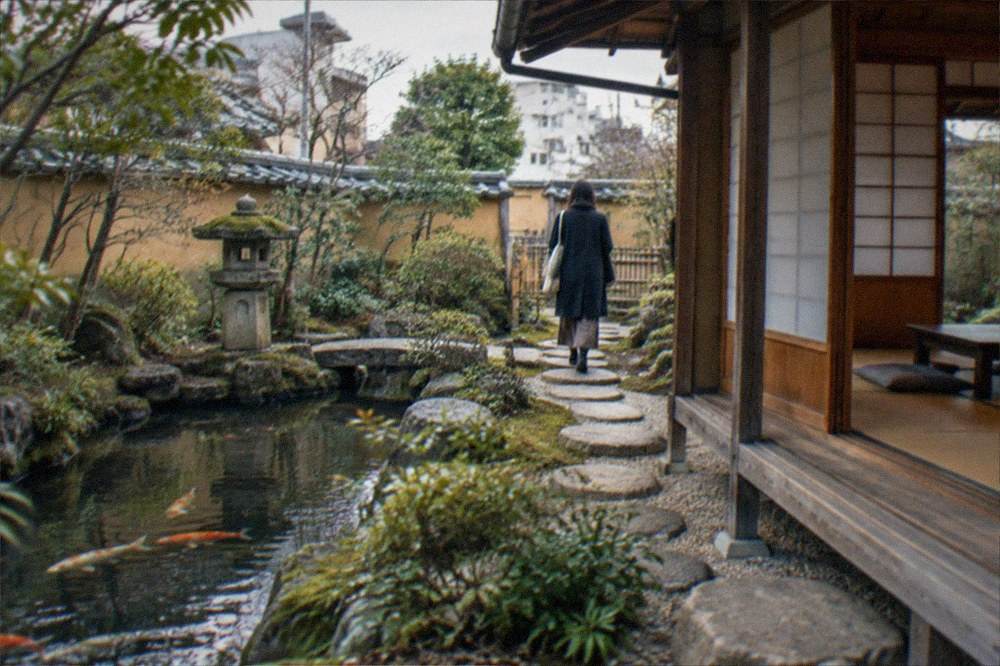
The garden is built around a central pond crossed by stepping stones, with a waterfall, moss banks, stone lanterns and a traditional teahouse that serves tea to visitors. It is a strolling garden in the classic style, designed to be read slowly rather than crossed quickly. The whole site is compact, and a unhurried circuit with a stop for tea takes most visitors under an hour.
The design follows the conventions of a Japanese strolling garden: a pond as the anchor, paths that curve so the view changes every few steps, and borrowed scenery in the form of trees and walls that frame rather than block. What surprises many visitors is how completely the enclosure shuts out the city. Hakata's shopping streets begin again the moment you step outside, but inside the walls the dominant sound is water.
The teahouse is the emotional centre of the visit. Tea is served in the tatami-floored rooms overlooking the pond, and this is the main reason to linger rather than simply walk the circuit. Sitting with a bowl of matcha and a small sweet while looking at the garden is the experience the whole site is built around. Check the tea service times and the current serving fee at the entrance, because both vary and no official English page publishes a fixed figure.
The planting changes character with the seasons. Maples carry the autumn colour, and the moss banks, which are the garden's signature ground cover, hold their deep green through winter. In late spring the azaleas and iris do the work, and even in the colder months the structure of stone, water and evergreen keeps the circuit worth walking. Photographers tend to do best in the first hour after opening, when the light is low and the paths are empty.
If the garden leaves you wanting more of Fukuoka's traditional side, the surrounding blocks deliver it in quantity. Kushida Shrine is the guardian shrine of Hakata and the starting point of the Yamakasa festival, while Tochoji Temple and Shofukuji Temple are both within the same walkable pocket. Shofukuji holds the distinction of being Japan's first Zen temple, founded in the Kamakura period, and its grounds are free to wander.
How Much Does Rakusuien Garden Cost and When Is It Open?
Rakusuien charges a small admission fee at the gate, and tea service in the teahouse costs extra. No official English page publishes a fixed figure, so check the posted prices at the entrance rather than relying on second-hand numbers from older guides. Budget the visit as a low-cost stop, comparable in scale to other small Japanese gardens in the city, and expect to pay in cash.
The honest position on price is that this site's research pack could not verify a current Rakusuien admission figure from a primary source, and this guide will not invent one. For calibration, the city's other paid garden, the Ohori Park Japanese Garden, charges adults ¥250 and children ¥120, with under-6s free, and that is the scale of fee small municipal gardens in Fukuoka typically carry. Treat that as a planning range, not a promise, and confirm at the gate.
Opening hours follow a similar caution. The garden keeps regular daytime hours, but seasonal adjustments and occasional closures for maintenance happen, and no verified English schedule is published. The safe planning move is to treat Rakusuien as a daytime attraction, arrive in the morning, and check the notice at the entrance if your itinerary depends on a specific time.
| Item | What to budget | Notes |
|---|---|---|
| Garden admission | Small gate fee, confirm at entrance | Comparable gardens in the city charge ¥200 to ¥250 |
| Tea service | Extra, confirm at the teahouse | Served in tatami rooms over the pond |
| Subway travel | ¥210 to ¥380 per single ride | Official city subway fare table |
| Subway day pass | ¥640 adult, ¥320 child | Worth it from roughly the third ride onwards |
| Time needed | 30 to 60 minutes | Longer with tea service |
The ¥640 subway day pass is worth a mention because it changes the arithmetic of a Hakata visit. If your day includes Rakusuien, the Fukuoka Tower observation decks and a trip out to Ohori Park, the pass pays for itself by early afternoon. Overseas visitors on a short-stay visa can go further: the Fukuoka Tourist City Pass costs ¥2,500 for the city version and ¥2,800 with Dazaifu included, covers subway, buses, trains and ferries for a day, and is sold with a passport check at the counter, details on the official city pass page.
Is Rakusuien Garden Worth Visiting?
Rakusuien is worth visiting if you are already in Hakata and want 45 minutes of traditional calm, or if Japanese gardens are a genuine interest. It is not worth a cross-city trip on its own, because the site is small and the city's bigger green spaces, Ohori Park and the castle ruins, carry more weight. The strongest case for it is as a pause inside a Hakata old town walk, paired with tea service and the surrounding temples.
The verdict depends on what kind of traveller is asking. If your Fukuoka days revolve around food, the yatai stalls and the ramen shops, Rakusuien is a palate cleanser, and at a small gate fee it is a cheap one. If you travel for gardens and traditional design, it earns a firmer recommendation, because a teahouse garden of this quality in the middle of a dense commercial district is genuinely rare, and the enclosed design makes it feel larger than its footprint.
The comparison that matters most is with Ohori Park. Ohori is a big waterside park built around the old castle moat, free to enter, and better for a long walk or a run. The Japanese garden inside Ohori Park is the direct rival to Rakusuien: it is larger, officially priced at ¥250 for adults, and sits beside the art museum. Rakusuien's edge is intimacy and location, Ohori's edge is scale. First-time visitors with time for only one garden should choose Ohori for the park around it, and visitors already committed to Hakata should choose Rakusuien for the walk.
A garden visit also slots neatly into a bigger day. The Yufuin no Mori and Dazaifu day tour from the roster pairs a ride on the famous sightseeing train with the shrine town most visitors reach from Fukuoka, and it suits the same traveller who appreciates a traditional garden. It runs about 8 hours from Fukuoka and is rated 4.7 from 54 reviews, with tickets from $70 per person.
How Does Rakusuien Compare with Fukuoka's Other Gardens and Green Spaces?
Rakusuien is the most traditional and the most enclosed of Fukuoka's gardens, while Ohori Park Japanese Garden is the largest designed garden and the castle ruins at Maizuru Park are the most atmospheric free space. Rakusuien wins on intimacy and teahouse atmosphere, Ohori wins on scale, and the castle park wins on history. All three can be done in one day with a subway pass.
Fukuoka is not a city travellers associate with gardens, but it has a respectable spread. The table below places Rakusuien against the other green options using verified figures where they exist and honest uncertainty where they do not.
| Space | Style | Admission | Best for |
|---|---|---|---|
| Rakusuien Garden | Enclosed strolling garden with teahouse | Small gate fee, confirm at entrance | Tea, quiet, traditional design |
| Ohori Park Japanese Garden | Large landscape garden by the moat | ¥250 adult, ¥120 child | A full garden visit plus park walk |
| Ohori Park | Waterside park around the old moat | Free | Walking, running, cafe stops |
| Fukuoka Castle ruins, Maizuru Park | Ruins and lawns on the castle hill | Free | History, cherry blossoms, views |
| Rakusuien vs both | Compact and central | Low cost | Travellers short on time |
One seasonal note on the castle park: the Tenshudai, the base of the main keep, is closed to entry from 26 May 2026 until the end of December 2026 for an archaeological excavation. The dig was prompted by a document found in December 2024 that describes a keep which may never have been built, and the city has since tripled the excavation area. The rest of the park remains open and free, so the closure affects one viewpoint rather than the whole visit.
Rakusuien's advantage in this company is that it asks so little of your schedule. Ohori Park and the castle ruins reward half a day each. Rakusuien asks for an hour and delivers a concentrated version of the same aesthetic, which is why it works so well for cruise passengers, layover visitors and anyone with a tight Hakata itinerary.
What Else Is Within Walking Distance?
Rakusuien sits inside Fukuoka's densest cluster of historic sights: Kushida Shrine, Tochoji, Shofukuji, Jotenji, the Kawabata shopping arcade and the Nakasu yatai rows are all within a 15 minute walk. Canal City Hakata is 10 minutes south along the river. A visitor could spend an entire day in this one district without boarding a train.
This density is the real argument for visiting Rakusuien. The garden is not a destination you travel to, it is one room in a district-sized attraction. A natural circuit runs: Canal City Hakata in the morning, the river walk north to Kushida Shrine, then the temples, with Rakusuien slotted in as the quiet interlude between the shrine and the arcade. Canal City itself is free to enter, open every day of the year, with shops from 10:00 to 21:00 and restaurants from 11:00 to 23:00.
In the evening the same walk delivers Fukuoka's signature street food scene. The city has about 100 licensed yatai stalls, more than any other city in Japan, concentrated in Nakasu, Tenjin and Nagahama. The stalls take walk-ins, you cannot book a seat at one, and the city's own ordinance requires every stall to display its prices clearly, banning vague "market price" menu items, so the bill holds few surprises. Rain closes many stalls, so the yatai experience is weather-dependent in a way the garden is not.
| Sight | Walk from Rakusuien | Admission |
|---|---|---|
| Kushida Shrine | About 5 minutes | Free grounds |
| Tochoji Temple | About 8 minutes | Free |
| Shofukuji Temple | About 10 minutes | Free grounds |
| Kawabata shopping arcade | About 5 minutes | Free |
| Canal City Hakata | About 10 minutes | Free entry |
| Nakasu yatai rows | About 12 minutes | Pay as you eat |
A two-hour private walking tour from the roster covers exactly this district with a local guide, from $64 per person, rated 4.7 from 46 reviews. It suits visitors who want the Hakata temple and shrine stories explained rather than simply stumbled upon, and it can be timed so the garden visit happens with the crowds at their thinnest.
When Is the Best Time to Visit Rakusuien Garden?
The best times are late March to early April for the cherry blossoms, mid to late November into early December for the maple colour, and any weekday morning year round for quiet. July and August are the hardest months because Fukuoka's summer is hot, humid and wet, with July the wettest month of the year at 299.1 mm of rain. Winter visits are cold but rewarding, because the moss and evergreens keep the garden green.
The Japan Meteorological Agency's 1991 to 2020 normals for Fukuoka overturn one piece of received wisdom: July, not June, is the city's wettest month, with 299.1 mm against June's 249.6 mm, even though June is the tsuyu rainy season month. July is also Yamakasa month, when the whole Hakata district is consumed by festival preparations from July 1 to 15. Visiting Rakusuien during that fortnight means visiting a garden in the middle of Japan's most kinetic neighbourhood festival, which is either a reason to come or a reason to wait a week.
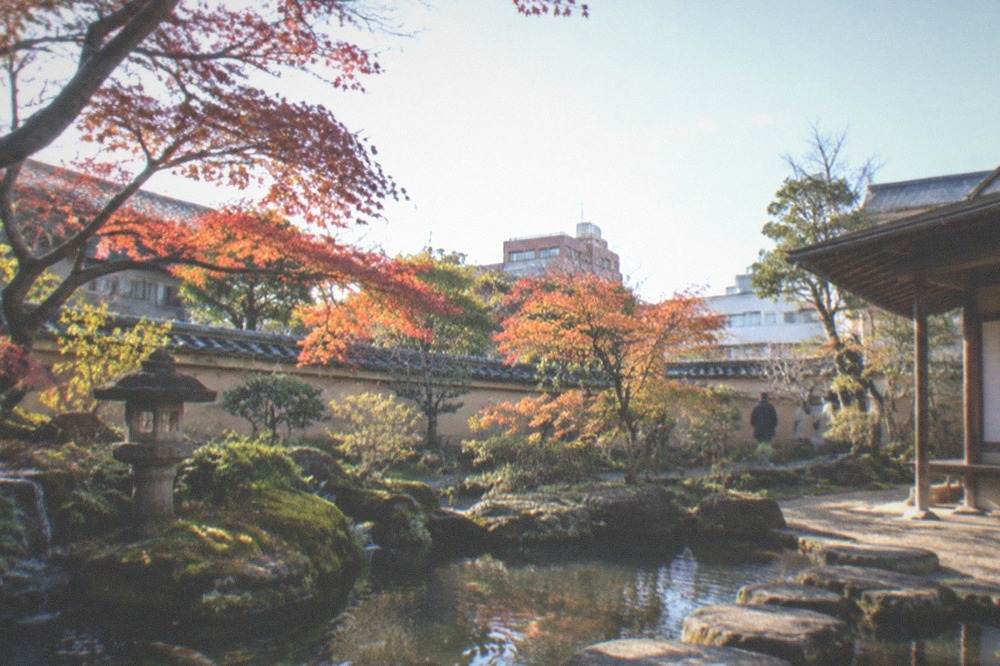
Autumn is the connoisseur's season. The city's leaf colour typically peaks mid to late November into early December, and a garden built around maples and moss is built for exactly that window. Cherry blossom season, with first bloom typically in late March and full bloom at the end of the month into early April, turns the nearby Maizuru Park into one of Kyushu's best hanami spots, with about 1,000 trees around the castle ruins.
Typhoon season runs roughly July through October and is a real planning factor, though not a prohibition. Storms close yatai stalls and can close gardens, so build a flexible day rather than a rigid one in those months. The official Fukuoka weather data shows the shape of the year clearly: May is the sunniest month at 204.1 hours, and August, despite its heat, banks 200.9 sunshine hours, second only to May.
Can You Combine Rakusuien with a Guided Tour or a Day Trip?
Yes, and the pairing is natural. Rakusuien works as the quiet morning stop before a guided Hakata walking tour, or as the city bookend to a full-day trip into Kyushu to Dazaifu, Yufuin, Itoshima or the Aso caldera. The roster's day tours run 8 to 11 hours and return to Hakata by evening, leaving the garden for either end of the day.
The practical pattern most visitors land on is: garden and old town in the morning on your own, guided day trip on the following day. Dazaifu is the classic pairing because the shrine town is a short Nishitetsu ride from Tenjin and the garden puts you in the right frame of mind for it. The Yufuin no Mori and Dazaifu tour from the roster bundles the sightseeing train, Yufuin's onsen town and Dazaifu into one 8 hour day from $70, rated 4.7 from 54 reviews.
For visitors who would rather stay in the city, the tower ticket is the cheapest structured add-on available. Fukuoka Tower's observation decks sit at 123 m on a 234 m tower, admission is ¥1,000 for adults with ¥500 and ¥200 child tiers, and the tower keeps hours from 9:30 to 22:00 with last entry at 21:30. The tower closes on 28 and 29 June 2027 for its annual maintenance, worth knowing if your trip lands at the end of June.
The tower admission ticket from the roster starts from $7 per person, which makes it the lightest possible add-on to any city day. Rated 5 from a single review so far, it is a new listing with a small review pool, so judge it on the tower itself rather than the rating.
What Do Visitors Say About Rakusuien Garden?
Visitor sentiment on the live listings and review platforms is positive but modest in volume, which fits a small neighbourhood garden. Reviewers consistently praise the calm, the tea service and the surprise of finding a designed garden among the shopping streets. The recurring criticism is size, from visitors expecting something on the scale of a Kyoto garden. Both readings are accurate, and the honest summary is that it is a small garden that does exactly what a small garden should.
The pattern in the reviews is familiar from every compact garden in Japan. Visitors who arrive with a Kyoto benchmark leave disappointed, and visitors who arrive from the arcade next door leave delighted. The lesson for planning is to set expectations correctly: this is a garden you sit in, not a garden you explore.
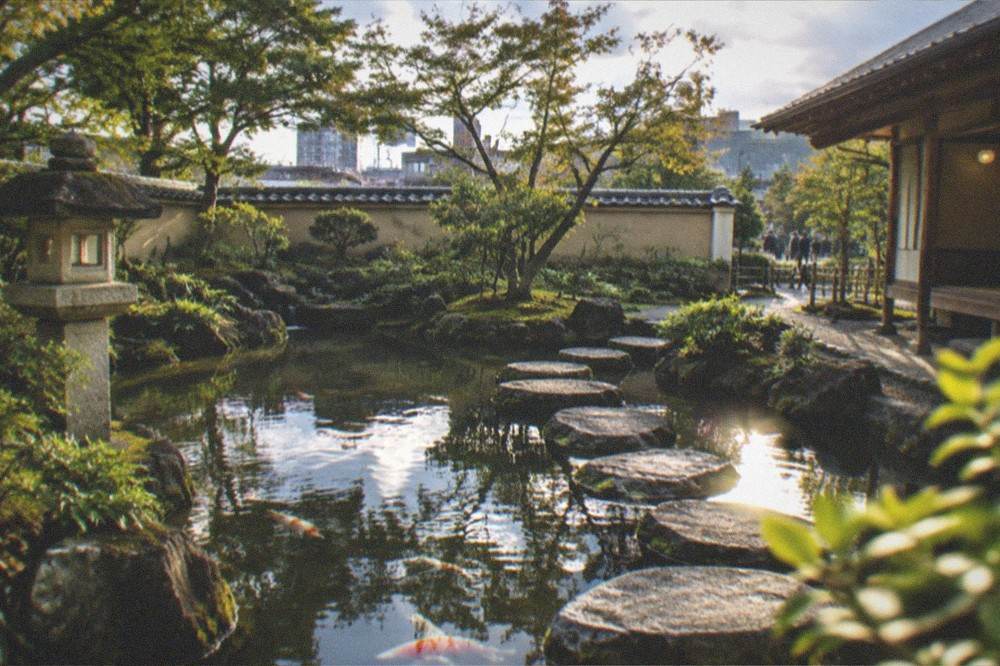
Families report that the garden works well with children for short visits, because the stepping stones and the koi hold attention, though the tatami rooms demand the usual quiet behaviour. Accessibility is worth checking in advance if it matters to your group, because stepping stones, gravel paths and tatami thresholds are part of the design and not optional features.
Planning Summary: The Rakusuien Visit in One Table
Rakusuien Garden is a low-cost, low-commitment traditional garden in the middle of Hakata, best visited in the morning and best paired with tea service, the surrounding temples and the Kawabata arcade. Reach it by subway for ¥210 to ¥380, spend an hour, and let it anchor a half-day in Fukuoka's oldest district rather than a trip of its own.
| Question | Answer |
|---|---|
| Where is it | Hakata ward, central Fukuoka, near Kushida Shrine |
| Nearest subway | Nakasu-Kawabata, one stop from Hakata |
| Admission | Small gate fee, confirm at the entrance |
| Time needed | 30 to 60 minutes, longer with tea |
| Best season | Late November for maples, spring for blossoms |
| Best pairing | Kushida Shrine, Tochoji, Kawabata arcade, yatai dinner |
| Skip it if | You only have one day and dislike small gardens |
This guide is part of a wider set on this site: for the city's bigger green spaces see the Ohori Park and castle ruins pages, and for the full sightseeing picture start with the Fukuoka Japan Travel Guide homepage. If your visit falls in July, read the Yamakasa festival page before you finalise anything, because the garden's neighbourhood transforms for the first half of that month.
Common Questions About Rakusuien Garden
Is Rakusuien Garden Worth Visiting?
Yes, if you are already in Hakata and want a quiet hour of traditional garden design and tea. It is small, so it works best as part of an old town walk rather than as a destination in itself. Visitors with a strong interest in Japanese gardens get the most from it.
How much does Rakusuien Garden cost?
A small admission fee is charged at the gate, and tea service costs extra. No verified official English figure is published, so check the posted prices at the entrance. Comparable small gardens in the city charge around ¥200 to ¥250 for adults.
How do I get to Rakusuien Garden?
Take the subway to Nakasu-Kawabata on the Hakozaki Line, one stop from Hakata Station, and walk about five minutes through the Kawabata arcade area. A central-zone subway ride costs ¥210 to ¥380. The garden is also an easy walk from Canal City Hakata.
How long should I spend at Rakusuien Garden?
Most visitors spend 30 to 60 minutes on the circuit, and longer if they stop for tea in the teahouse. It pairs naturally with Kushida Shrine, Tochoji and the arcade, which together fill a relaxed half day.
When is the best time of year to visit?
Mid to late November into early December brings the maple colour, and late March to early April brings cherry blossoms to the surrounding parks. Summer is hot and wet, with July the wettest month of the year in Fukuoka, so morning visits are best in that season.
Can I visit Rakusuien Garden with children?
Yes, for a short visit. The stepping stones, pond fish and waterfall hold children's attention, but the tatami teahouse rooms require quiet behaviour. Keep the stop under an hour and follow it with something more active.